Business : BDC Blog News
What Natural Disaster Would Cause the Most Damage in Australia?

What Natural Disaster Would Cause the Most Damage in Australia?

Climate change is driving extreme weather events across the globe. However, Australia faces unique challenges due to its diverse landscapes and the fact that it’s surrounded by several seas and oceans. In 2022, all but one Australian territory was affected by natural disasters. Here, bushfires and heatwaves are annual events,

Read More »
Six Tips To Help Manage Effectively For Remote Construction Teams

Six Tips To Help Manage Effectively For Remote Construction Teams

Remote teams present their own set of challenges when you’re responsible for managing them. Since the pandemic, many more organizations have embraced a remote working or hybrid working environment. While that’s great for providing flexibility and hopefully a better work-life balance for employees, it can be hard for managers who

Read More »
Common Types of Car Accidents And How to Deal With Them

Common Types of Car Accidents And How to Deal With Them

In the bustling world of roadways, where vehicles interweave and traverse like a symphony of motion, the unexpected can suddenly disrupt the rhythm. Accidents—those unforeseen disruptions—hold the potential to jolt even the most seasoned drivers. This comprehensive exploration will navigate the realm of common types of car accidents, unveiling the

Read More »
Are Poor Logistics to Blame for Local Authorities Failing to Hit Targets?

Are Poor Logistics to Blame for Local Authorities Failing to Hit Targets?

Logistics, the intricate web of processes that ensures the efficient flow of goods, services, and information, is a vital component of modern society. From supply chains in multinational corporations to the movement of resources within local communities, logistics plays a pivotal role in determining the success or failure of various

Read More »
Innovations in Construction Technology: A Game Changer for the AEC Industry

Innovations in Construction Technology: A Game Changer for the AEC Industry

The world of building design, development, and maintenance has undergone a remarkable revolution, all thanks to recent strides in the construction industry. These breakthroughs have not only transformed how we create structures, but they’ve also ushered in a new era of enhanced productivity, efficiency, sustainability, and safety within the realm

Read More »
Restoring Sash Windows: Tips for Repairing Rotten Frames and Sills

Restoring Sash Windows: Tips for Repairing Rotten Frames and Sills

Are your sash windows showing signs of rot? We have put together the essential tips for restoring sash windows and repairing rotten frames and sills effectively. Follow this expert advice from the leading sash window repair and replacement professionals, perfect for maintaining your windows’ timeless beauty. Rotten Frames and Sills

Read More »
Finding Home Insurance on a Budget - Tips for Peace of Mind

Finding Home Insurance on a Budget – Tips for Peace of Mind

We’re all feeling the squeeze on our finances at the moment. Counting every penny, shopping around for the best deals and cutting back on anything that isn’t considered essential to make our money go further is now the norm for households up and down the country.  Giving up days and

Read More »
What Are Idaho’s Top 10 Most Beautiful Lakes?

What Are Idaho’s Top 10 Most Beautiful Lakes?

Whether it’s the early morning fishing escapades or the great water scenery in your evening walk, Idaho’s lake always has something to offer, especially if you are an outdoor enthusiast. Along with its serene escape, you can explore the breathtaking waterfront Sandpoint Idaho homes for sale, especially if you are

Read More »
10 Tips for Running a Successful Construction Company in Canada

10 Tips for Running a Successful Construction Company in Canada

In the intricate world of construction, establishing and managing a successful company can be a challenging endeavor. When addressing the Canadian market, these challenges take on unique nuances, demanding a keen understanding of local regulations and market trends.  This guide aims to simplify your journey by providing actionable insights into

Read More »
Latest Issue
Issue 338 : Mar 2026

Business : BDC Blog News

What Natural Disaster Would Cause the Most Damage in Australia?

What Natural Disaster Would Cause the Most Damage in Australia?

Climate change is driving extreme weather events across the globe. However, Australia faces unique challenges due to its diverse landscapes and the fact that it’s surrounded by several seas and oceans. In 2022, all but one Australian territory was affected by natural disasters. Here, bushfires and heatwaves are annual events, although flooding is also on the rise. Now that extreme heat and flooding events are the rule rather than the exception, more Australians than ever are pushing for improved standards in resilient building design. The Damage That Flooding Causes In southeastern Australia, long-lasting periods of heavy rainfall have been known to cause rivers to burst their banks. In coastal areas, tropical cyclones and high tides can lead to devastating seawater surges. Sadly, flooding planning controls aren’t heavily enforced across Australia. In fact, only 3% of Australian homes are categorised as being in high-risk flood areas. This means that the vast majority of residential properties in the country aren’t subject to building controls. Nonetheless, recent weather events have proven that flooding poses a significant risk to millions of Australian homeowners. Structural damage is the worst-case scenario, but even low levels of floodwater can cause devastating damage to properties. When retrofitting a property with flood-resistant materials isn’t possible, flood response services are the only option for at-risk homeowners. Fortunately, there are specialised companies that offer solutions. In the immediate aftermath of a flood, water extraction is often the first port of call. Even if flood damage looks superficial, it’s important to seek out water damage restoration services as quickly as possible. In severe cases, thermal imaging and structural drying may be required. A flooded property also has implications for human health. Saturated carpets and building materials can quickly lead to mould growth, while overflows from sewage systems can introduce harmful bacteria into your home. How Architecture Can Mitigate Flood Risk Fortunately, there’s plenty that can be done to floodproof properties against rising waters. One of the most effective solutions for reducing risk is to elevate a structure above the flood level. However, this is rarely an option for pre-existing structures. When building in an area that’s at high risk of flooding, material choices need to be carefully considered. At an absolute minimum, flood-resistant materials should be able to withstand immersion for 72 hours. As well as being durable, resilient materials need to be able withstand high levels of humidity. Good examples of flood-resistant materials include glazed brick, concrete and ceramic tile. Even if foundation walls and key structural elements remain intact, the clean-up operation after a flooding event can be time-consuming and expensive. The good news is that there are many ways homeowners can flood-proof their home. Circuity can be protected by installing wall sockets and integrated appliances at a high level. Meanwhile, swapping out porous materials for marine-grade plywood will bolster the flood-resistant properties of your interiors. Even with commitments to net zero policies and a move to a greener economy, there’s no avoiding the fact that climate change is here to stay. Over the last 10 years, Australia has experienced more than 160,000 flooding events. What’s more, the previous decade was the hottest on record. Although global action is required to keep rising temperatures in check, architectural design at least offers some solutions for protecting Australia’s housing stock and infrastructure.

Read More »
Employees do not want to hot-desk: Staff missing their personal space in the office

Employees do not want to hot-desk: Staff missing their personal space in the office

Despite hot-desking becoming more common in the hybrid world of work, staff prefer to have their own personal space, according to new data from global workplace creation expert Unispace. The organisation’s ‘Returning for Good’ study – which surveyed 9,500 office workers and 6,650 employers – revealed that the majority (83%) of workers who currently hot-desk would be inclined to be in the office more often if they had an assigned desk. Despite this, 48% of firms across the globe have a hot-desking policy. According to the data, males are particularly driven by the need to have their own space, with 86% of men indicating they’d spend more time in the office – compared to 80% of females – if they had their own assigned desk. Of the age groups, the younger demographic showed a higher-than-average desire for their own space, with 88% of those aged 18-34 stating they would head into the workplace more if they had their own desk. This drops to 84% for those aged 35-44 and 71% for those over 45. Robin Dey, Head of Client Solutions at Unispace, commented. “It would appear that old habits are beginning to return to the office and people are looking to once again have their own personal space at work. However, it does appear that some businesses are overlooking what their people really need and the fact that almost half of firms have a hot-desking set up, despite staff showing a desire for assigned spaces, suggests there is a disconnect between employers and employees. “This preference for designated individual spaces is also likely another reflection of people seeking greater elements of their home office set up in the workplace. For many, working from home means they have a dedicated area to store their work equipment and personalise to suit their needs. “The difference across the age demographics is particularly interesting and further supports the idea that businesses are making assumptions about the desires of their employees. Those who make up the younger segment of the workforce are often considered to be amenable to flexibility at work, yet our study shows they have a greater desire for their own assigned desk. Business leaders need to ensure they’re creating office spaces that people want to use, and to do that, they first need to understand what kind of workplace that really is, without making assumptions.” Building, Design & Construction Magazine | The Choice of Industry Professionals 

Read More »
Six Tips To Help Manage Effectively For Remote Construction Teams

Six Tips To Help Manage Effectively For Remote Construction Teams

Remote teams present their own set of challenges when you’re responsible for managing them. Since the pandemic, many more organizations have embraced a remote working or hybrid working environment. While that’s great for providing flexibility and hopefully a better work-life balance for employees, it can be hard for managers who are used to staff being in-house at all times. Adapting your management style is important to ensure you’re successful at managing your team from a remote position, especially when it comes to construction. With that being said, here are six tips to help manage your remote teams effectively this year. If you’re trying to manage remote teams, then you’re going to want a platform whereby you can access your team’s whereabouts at all times. The BuildOps field service management is probably one of the best software options to have because it helps to monitor your staff and their working days. It can check where staff are pulling their weight and where they might not be at times. Of course, there are times when procrastination occurs but when they’re working on company hours, every hour needs to be utilized as effectively as possible. Introducing a piece of software such as this one is a great way to help keep in communication with all staff and for them to be able to access their working calendars, as well as relevant customer data. Overcommunicating is something that you definitely want to do more of where possible. The more you can communicate with your team, the more everyone is switched on to what needs to get done and when. Not communicating with your team will leave them to their own devices for too long. While you want your remote team to be independent when working, you don’t want to leave them in the dark for too long without any direction. As a manager, it’s important that you’re doing everything you can to ensure communications are active at all times. You should though, set some boundaries when it comes to making sure your own work gets done on time. Platforms that allow you to alert staff of when you’re away and when you’re at your desk are useful to implement too. You should be doing everything you can to check in with staff members on a regular basis. Feedback is important and it’s something that you should be able to give and receive. Consider what feedback you’ve given your staff so far as a manager and how you could help encourage the same feedback being given back. It’s important to create a clear and transparent communication channel between yourself and your team.  They should feel confident that they can be honest with your management style and make suggestions for improvement where needed. Checking in with your team members should be something you’re doing at least weekly, if not on a daily basis. Even if it’s for five minutes every day, it can make a world of difference.  Video conferencing is one of the main ways you’re going to be able to communicate effectively with your team and members of the team. It’s become a saviour for many businesses, particularly during the pandemic when traditional businesses that didn’t work remotely, couldn’t communicate in any other way. When managing a remote team, make sure you’re hosting video meetings regularly. This will certainly be helpful to stay connected with your team at all times, rather than having to do a lot of the conversations over email. Email conversations are also likely to be less efficient when it comes to getting a response quickly. What does your day look like currently? It’s a cluttered and unorganized mess? If that’s the reality of your management structure currently, then it definitely needs to change quickly. Having a clear structure to your day is going to allow you to tick off all the necessary tasks that need completing, while still being able to be present to your team. Finally, as a manager, your role doesn’t mean you should be doing everything and anything at all times. A team collaboration approach is always the best way to ensure the whole team is happy. They all support one another and help one another when the time is right.  As a manager, it’s important that you’re doing everything you can to encourage this, not only for their benefit but for yours too. Hopefully, these tips will help you manage your remote teams effectively this year.

Read More »
Common Types of Car Accidents And How to Deal With Them

Common Types of Car Accidents And How to Deal With Them

In the bustling world of roadways, where vehicles interweave and traverse like a symphony of motion, the unexpected can suddenly disrupt the rhythm. Accidents—those unforeseen disruptions—hold the potential to jolt even the most seasoned drivers. This comprehensive exploration will navigate the realm of common types of car accidents, unveiling the art of managing them. By dissecting each distinctive scenario, the objective is to equip readers with knowledge that serves as a safety net, offering reassurance amid the uncertainties of the road. Like car accident attorneys meticulously analyzing cases to uncover the truth, this article aims to analyze accident scenarios, unveiling strategies to navigate the aftermath of various collisions. Rear-End Collisions: Imagine a domino effect: one car abruptly stops, and the vehicle behind it doesn’t react quickly enough, leading to a rear-end collision. These incidents are as common as sipping morning coffee, often arising from sudden stops or the perils of distracted driving. When this unexpected thrust propels your vehicle forward, engaging in proactive measures is imperative. Start by exchanging insurance information, a task akin to sharing contact details at a social gathering. Moreover, documenting damage through photos—much like capturing memories—can provide valuable evidence. Equally important is the recognition that seeking medical attention is as crucial as reporting the incident. As tending to a wound prevents further complications, addressing potential injuries promptly safeguards your well-being. T-Bone Accidents: Envision a game of chance where one vehicle crashes into the side of another at a perpendicular angle—a T-bone accident. These dramatic collisions often unfold at intersections, with drivers sometimes running red lights, much like disregarding rules in a game. When the side impact leaves you rattled, summoning the authorities and obtaining witness information is the first resolution act. This is akin to enlisting impartial judges in a competition to ascertain fairness. Waiting patiently for law enforcement to arrive is analogous to observing the protocols of a contest, ensuring a just determination of fault. Sideswipe Incidents: Visualize two cars on parallel paths, their sides brushing against each other like strangers exchanging glances—a sideswipe accident. These incidents frequently occur during lane changes or while merging onto highways, resembling brief interactions among strangers. When the unexpected graze shakes your equilibrium, pull over to the side of the road. Much like a courteous exchange of apologies after a minor collision, assess the damage, capturing photos as if preserving the scene. Exchanging information with the other party is comparable to extending a handshake of acknowledgment, reflecting civility amid an inadvertent encounter. Single-Vehicle Crashes: Imagine navigating a winding road when suddenly, your vehicle embarks on a solo dance—a single-vehicle crash. Factors like adverse weather conditions or mechanical failures can trigger these incidents, similar to how weather influences outdoor events. Maintaining a calm demeanor is paramount despite the aftermath of such a performance. This mirrors the composure an audience expects from performers even when unexpected circumstances arise. Calling emergency services to the scene is equivalent to calling for help during an unplanned act. Just as prompt intervention during a mishap can mitigate its effects, seeking assistance swiftly enhances the chances of a smoother recovery. Multi-Vehicle Pileups: Think of a row of dominoes falling rapidly—a multi-vehicle pileup. These complex collisions often unfold under adverse weather conditions, mimicking the chaos a storm can bring. When entangled in this whirlwind of events, prioritizing personal safety is paramount. Like finding shelter during a storm, checking for injuries amid the chaos is a priority. Promptly contacting emergency services echoes the urgency of seeking refuge during turbulent weather. This proactive action mirrors seeking sanctuary from the elements, ensuring the aftermath is as controlled as possible. Hit-and-Run Episodes:  Envision a shadow fading into the night—a hit-and-run accident. It’s akin to a magician vanishing after performing a trick, perplexing the audience. In this scenario, recording details about the fleeing vehicle and any available witnesses is comparable to capturing fleeting memories within a crowd. Just as preserving an impression of a fleeting moment is vital, retaining these crucial details assists authorities in their pursuit of accountability. Similar to how an audience would rely on their observations to decipher a vanishing act, your observations contribute to piecing together the puzzle of a hit-and-run incident. Dealing with Insurance and Legal Matters: Navigating the aftermath of an accident often involves interactions with insurance and legal entities, much like addressing an audience after a performance. Reporting the incident promptly to your insurer, documenting the damage with photos, and seeking legal counsel if necessary can mirror an artist’s careful preparation before stepping onto a stage. Just as performers rehearse their lines and cues to ensure a seamless show, your preparedness in dealing with insurance and legal matters enhances the efficiency of the process. Documenting the incident through photographs is a visual script, much like the blueprints performers use to guide their actions on stage. Seeking legal counsel, if the situation demands, can be likened to seeking guidance from mentors before a critical performance, ensuring that your decisions align with the desired outcome. Conclusion : Accidents in the road’s grand theater are unexpected plot twists that can bewilder drivers. By venturing through the prevalent types of car accidents and unraveling the steps to address them, this article aspires to offer a comprehensive script for tackling these unforeseen moments. As drivers, our roles extend beyond mere steering and gear-shifting; they encompass adeptly responding to unpredictable scenarios with a composed demeanor. Much like car accident attorneys assume multifaceted roles to navigate complex legal narratives, drivers must become adept problem solvers when confronted with accidents. Armed with knowledge and a touch of experience, drivers can deftly traverse the intricate plotlines of car accidents, ensuring their journey continues uninterrupted, even after the curtain falls on the unexpected scene.

Read More »
Are Poor Logistics to Blame for Local Authorities Failing to Hit Targets?

Are Poor Logistics to Blame for Local Authorities Failing to Hit Targets?

Logistics, the intricate web of processes that ensures the efficient flow of goods, services, and information, is a vital component of modern society. From supply chains in multinational corporations to the movement of resources within local communities, logistics plays a pivotal role in determining the success or failure of various endeavors. One area where the impact of logistics often goes unnoticed is in the operations of local authorities. The question is whether poor logistics could be held accountable for local authorities failing to meet their targets and deliver on promises to their constituents. The Crucial Role of Logistics Before delving into the potential impact of poor logistics on local authorities’ performance, it’s essential to understand the significance of logistics in various sectors. Logistics encompasses coordinating resources, materials, personnel, and information to ensure that tasks are executed efficiently, effectively, and on time. This is particularly critical in time-critical logistics, where delays can result in severe consequences, such as missed deadlines, financial losses, and even public safety risks. Logistics involves a wide range of activities in the context of local authorities, including waste management, transportation infrastructure, emergency services, public health initiatives, and more. When these operations run smoothly, they contribute to a well-functioning community where citizens enjoy a high quality of life. However, the repercussions can be felt throughout the community when logistics fail. The Impact of Poor Logistics on Local Authorities Local authorities are at the heart of providing essential services and maintaining the well-being of their communities. The effective functioning of local government is crucial for citizens’ quality of life, economic development, and overall societal progress. Poor logistics can significantly hinder local authorities’ ability to fulfill their responsibilities, resulting in negative consequences. Missed Targets and Deadlines One of the most immediate impacts of poor logistics on local authorities is the failure to meet targets and deadlines. Whether it’s a construction project, implementing public services, or the execution of community events, timely delivery is essential. Delays caused by logistical inefficiencies can lead to project derailment, undermining the authority’s credibility and potentially incurring financial penalties. Research: According to a study conducted by the Project Management Institute (PMI) in 2020, poor project management practices, including inadequate logistics planning, resulted in 11.4% of projects not meeting their original goals and deadlines. This demonstrates the direct correlation between logistical shortcomings and missed targets. Financial Implications Inefficient logistics can have a direct impact on the financial health of local authorities. Delays, disruptions, and resource mismanagement can lead to increased costs. Extra expenditures might be required to cover overtime wages, rush deliveries, or rectify errors that could have been avoided with better logistics planning. Research: A report published by the Chartered Institute of Logistics and Transport (CILT) highlights that inefficient logistics can account for up to 30% of operating costs for local authorities. This strains budgets and limits the allocation of funds to other critical projects and services. Public Dissatisfaction The smooth operation of public services is an expectation that citizens hold for their local authorities. When logistics fail and services like waste collection, public transportation, or health programs are disrupted, public dissatisfaction can escalate. Negative sentiment spreads rapidly through social media and community forums, tarnishing the authority’s reputation and eroding trust. Research: A survey by the Local Government Association (LGA) found that 78% of citizens considered the timely delivery of public services as an important factor in their overall satisfaction with local authorities—conversely, instances of poor logistics and service disruptions directly correlated with decreased public approval ratings. Emergency Response Inefficiency Local authorities are responsible for managing emergencies and disasters effectively. In such critical situations, time-critical logistics are of paramount importance. Delays in mobilizing emergency services, providing resources, and coordinating responses can exacerbate the impact of emergencies, risking lives and prolonging recovery efforts. Research: The National Association of State EMS Officials (NASEMSO) emphasizes that seamless logistics are a cornerstone of successful emergency medical services. Timely response and resource allocation in emergencies rely on efficient logistics systems to ensure that medical personnel, equipment, and supplies reach the affected areas promptly. Reputational Damage A consistent pattern of logistical failures can lead to lasting reputational damage for local authorities. A negative public image makes garner support from constituents, stakeholders, and funding sources challenging. Rebuilding a damaged reputation requires substantial efforts and resources that could be better allocated to actual service delivery. Research: A case study analyzing the aftermath of a series of logistical failures in waste management within a local authority, conducted by the Institute of Public Administration and Management, highlighted that the authority’s reputation took several years to recover, even after addressing the logistical issues. The Complexity of Local Authority Logistics Local authorities operate in complex environments to manage diverse services, resources, and stakeholders. Effective logistics requires coordinating multiple moving parts, such as procurement, transportation, personnel management, and communication. For instance, consider waste management logistics. Local authorities must arrange garbage collection routes, allocate personnel and equipment, and ensure that waste disposal meets environmental regulations. Even a minor breakdown in these components can disrupt the entire process, leading to missed collections and unsightly neighborhoods. Similarly, transportation infrastructure projects involve intricate logistics. From securing permits and materials to coordinating with contractors and managing road closures, every step requires careful planning and execution. A failure at any point in this chain can lead to delays, cost overruns, and inconvenience for the public. Addressing the Challenge Improving logistics within local authorities requires a multifaceted approach: Technology Integration Advanced technologies like GPS tracking, real-time monitoring, and data analytics can enhance visibility and control over logistics processes. This empowers authorities to identify bottlenecks, predict potential issues, and make informed decisions. Collaborative Partnerships Engaging in partnerships with private sector companies that specialize in logistics can provide local authorities with access to expertise, resources, and technologies that improve efficiency. Skill Development Investing in training and skill development for personnel involved in logistics can lead to more effective execution of tasks. This includes training on new technologies and best practices in logistics management. Scenario Planning Developing contingency

Read More »
Innovations in Construction Technology: A Game Changer for the AEC Industry

Innovations in Construction Technology: A Game Changer for the AEC Industry

The world of building design, development, and maintenance has undergone a remarkable revolution, all thanks to recent strides in the construction industry. These breakthroughs have not only transformed how we create structures, but they’ve also ushered in a new era of enhanced productivity, efficiency, sustainability, and safety within the realm of construction. In the upcoming discussion, we’ll dive deep into the heart of these innovations that have reshaped the architecture, engineering, and construction (AEC) landscape. Building Information Modelling (BIM) Building Information Modeling (BIM) goes beyond standard 2D drawings by generating a detailed 3D model of a building’s physical features and functional qualities. This dynamic model acts as a storehouse for all project data, including architectural designs, structural systems, and even building timetables. BIM overcomes communication gaps and mitigates possible conflicts early in the project timeline by encouraging interdisciplinary cooperation and real-time data exchange, resulting in better decision-making and fewer mistakes. This virtual environment enables stakeholders to anticipate future disputes, interferences, or design inconsistencies, allowing for time and money savings. It also improves post-construction facility management, since the comprehensive model may be utilised for maintenance, restorations, and future expansions. The adoption of this has far-reaching implications for AEC marketing research; With clients increasingly seeking efficient and cost-effective solutions, construction firms equipped with BIM capabilities have a competitive edge. Marketing strategies can highlight how the collaboration leads to shorter project timelines, reduced change orders, and optimised resource allocation. 3D Printing Traditional building practises are characterised by waste of materials, long procedures, and limited architectural intricacy. 3D printing, which allows for the manufacturing of custom-shaped pieces with less waste and more precision, addresses these concerns. This approach uses a variety of materials, including concrete, polymers, metals, and composite materials, to build structures that are both practical and artistically appealing. Architects and designers may provide prospective clients a physical picture of their ideas by producing accurate physical models. This interactive experience goes beyond traditional 2D representations, allowing potential investors to comprehend the space layout, architectural aesthetics, and finer elements of a concept. As a result, decision-makers will be able to make more informed judgements based on a realistic understanding of the finished product. Trade shows, exhibitions, and presentations are all critical components of AEC’s marketing strategy. By showcasing 3D-printed models of planned projects, renovation businesses may leave a lasting impression on visitors and potential clients. The physical design of these models promotes engagement, discussion, and questions, resulting in enhanced brand exposure and economic possibilities. Drones and UAVs An aerial survey can capture construction sites swiftly and from various angles, taking high-resolution images and videos that provide an unparalleled view of the project’s development. Because it allows organisations to present ongoing projects to potential clients and investors with incredible clarity and detail, visual data becomes a helpful tool for marketing efforts. Drones can create exact topographical maps and 3D models in addition to recording visual data. These digital representations might be used in promotional materials, pitches, and web tours, providing stakeholders with an in-depth view that allows them to visualise the full product. These interactive advertising tactics help a corporation express its vision, technology capabilities, and dedication to innovation. They are also gaining popularity, and their usage in AEC market research ties in neatly with the present emphasis on greener practises. Two of the numerous advantages of employing them during construction include reduced travel time and reduced carbon emissions from fewer site visits. This aligns well with the concept of sustainable values, allowing firms to position themselves as environmentally responsible organisations. Robotics & Automation Businesses in the construction sector may use this trend in their advertising to highlight their forward-thinking culture and commitment to technological innovation. The employment of robotics and automation displays a company’s dedication to staying ahead of industry trends, which may appeal to clients seeking modern and efficient construction solutions. In marketing materials and presentations, demonstrating robotic systems in operation, as well as the benefits they give in terms of time and cost savings, might successfully attract potential consumers and other interested parties. The usage of automated technologies reflects the growing interest in green construction techniques. Marketing efforts might highlight how this optimises resource allocation, lowers waste, and encourages energy savings, while also reinforcing the company’s commitment to environmentally sensitive building practises. This technique not only appeals to environmentally conscious clientele, but it also establishes the AEC firm as an industry leader. Advanced Materials Imagine trying to sell people in a new neighbourhood where the buildings are made of self-healing concrete. This sophisticated material, capable of self-repairing minor cracks, not only protects the building’s lifetime but also appeals to potential purchasers who prioritise low maintenance requirements. AEC marketers may use this unique feature as a key selling factor in their promotional efforts, emphasizing lower repair costs and increased structural robustness. Energy efficiency is another significant component in AEC development, which is why the use of new materials is becoming more widespread. Solar panels and energy-efficient HVAC systems appeal to a growing customer sector that values lower utility costs and environmentally friendly living. AEC marketers equipped with research-backed insights can successfully communicate how these advancements translate into concrete benefits like as lower energy bills and reduced environmental impact. Summary Because of technical breakthroughs like as 3D printing, BIM, and cutting-edge project management systems, builders and engineers now have better, cheaper, and less wasteful alternatives. As these technologies improve and become more widely utilised, we may expect to see a significant shift in the building industry, paving the way for faster, safer, and more sustainable projects.

Read More »
Restoring Sash Windows: Tips for Repairing Rotten Frames and Sills

Restoring Sash Windows: Tips for Repairing Rotten Frames and Sills

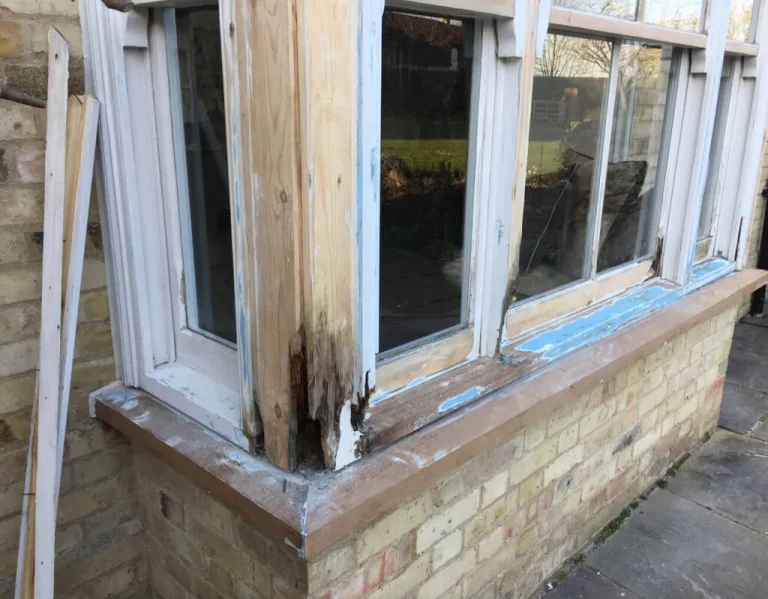
Are your sash windows showing signs of rot? We have put together the essential tips for restoring sash windows and repairing rotten frames and sills effectively. Follow this expert advice from the leading sash window repair and replacement professionals, perfect for maintaining your windows’ timeless beauty. Rotten Frames and Sills Sash windows, with their classic charm, add character to any property. However, over time, these windows may face the challenge of rotting frames and sills, which can compromise both their aesthetic appeal and functionality. Restoring sash windows and repairing rotten frames and sills can seem like a daunting task, but with the right approach and techniques, it can be a rewarding project. Here are some key steps and tips to help you get started: 1. Identifying signs of rotten frames and sills Before diving into the restoration process, it’s essential to identify signs of rot in your sash window frames and sills. Look for discoloration, soft spots, and visible mould or mildew. Gently probe the wood with a screwdriver to check for softness or decay. Identifying the extent of the damage will guide you in choosing the best way to fix any problem. 2. What is causing the rot? You’ll need to get to the bottom of what is causing the rot to occur. Common causes include exposure to moisture, insect infestations, and poor maintenance. By keeping on top of these you will add years more life to your sash window frames and sills. 3. Do you need a sash window repair and replacement expert? Deciding whether to undertake the restoration yourself or hire a professional is a critical step. While minor repairs can be DIY-friendly, extensive damage might require the expertise of a skilled professional. Consider your experience, available time, and the scale of the restoration project before making a decision. 4. Use the Right Tools for the Job Going ahead with the DIY approach? Some tools you might need include chisels, wood filler, sandpaper, a utility knife, and a paintbrush. The right tools will ensure precision and efficiency during the restoration process. 4 Steps to Windowsill and Frame Restoration Removing Rotted Wood: Start by carefully removing the rotted sections of the frames and sills using a chisel. Take your time to avoid causing further damage to the surrounding areas. Applying Wood Filler: Once the rotted wood is removed, apply a reliable wood filler to the affected areas. Make sure the filler matches the colour and type of wood for a seamless finish. Sanding: After the filler dries, sand the repaired areas until smooth. Painting: Apply a primer to the repaired areas before painting to enhance adhesion and protection against future damage. Choose a weather-resistant paint that complements the rest of your property. Preserving Your Hard Work To prolong the life of your restored sash windows and prevent future rot, follow these maintenance tips: Wooden Window frame and Windowsill FAQs Q: How can I tell if my sash window frames and sills are rotting? A: Look for signs of discoloration, softness, and visible mould or mildew. Gently probing the wood with a screwdriver can also help identify decay. Q: Can I repair rotted sash window frames myself? A: Minor repairs can be DIY-friendly, but extensive damage might require professional expertise. Q: What causes sash window frames and sills to rot? A: Common causes include exposure to moisture, insect infestations, and poor maintenance Q: What tools do I need for sash window restoration? A: Essential tools include chisels, wood filler, sandpaper, a utility knife, and a paintbrush. Q: How do I prevent future rot after restoration? A: Regular inspections, proper ventilation, protective coatings, and seasonal maintenance are essential preventive measures. Restoring sash windows and repairing rotten frames and sills can breathe new life into your home. By identifying signs of rot, understanding the causes, and following the right restoration process, you can successfully revitalise your sash windows without needing to replace the whole lot which is better for the environment, and your bank balance.

Read More »
Finding Home Insurance on a Budget - Tips for Peace of Mind

Finding Home Insurance on a Budget – Tips for Peace of Mind

We’re all feeling the squeeze on our finances at the moment. Counting every penny, shopping around for the best deals and cutting back on anything that isn’t considered essential to make our money go further is now the norm for households up and down the country.  Giving up days and meals out, takeaways, even holidays and shopping for budget versions of our favourite household items are just some of the ways people are saving money, however declining to take out a house insurance policy, shouldn’t be one of them. It’s easy to think that home insurance is a luxury we can afford to give up, but in reality, if the worst were to happen and you didn’t have cover in place, you could find yourself in a dire financial situation. In this post, we’ll explore how to keep your home insurance premiums as low as possible and how you can find cheaper home insurance.  Shop Around For The Right Price We’re all encouraged to shop around for the right price. Whether it’s the cost of our groceries, car insurance or even pet cover, it’s important you get the right price to begin with, before you start looking for ways to keep your premiums down. If you’re looking for a cheap home insurance quote, you should start your search online. But don’t be pulled into using just any comparison site, you’ll need one that compares multiple providers and has a good Trust Pilot review, this way, you see more of the market and have a better chance of finding the right cover at the right price.   Remember, not only are you looking for the right price, but you’ll also need to explore all the small print and deals that are out there, to ensure the right price means you’re getting the right policy! Consider Combining Your Policies Did you know that buildings and contents insurance is usually sold separately? Therefore, it might be worth combining these policies to see if you get the coverage you need for a better price. In addition to a potential saving, if you did need to make a claim for both buildings and contents, then your claim will be handled by the same provider, making it a much simpler, straightforward process. Consider Paying Your Premiums Annually We’re all tightening our belts, but in some cases, if you choose to pay your insurance annually rather than monthly, you can receive a discount – and in this economy, every little helps! Increase Your Home Security If you’ve found the right policy, then it’s now time to look at keeping your premiums as low as possible. One way to do this is to increase the security in and around your home. Whether you’ve just renovated a property or you’re living in a listed building, there are ways to do this, including installing burglar alarms and cameras, installing smoke detectors, using a safe for your valuables and installing outdoor lights.  Protect Your Home Against Flooding If you live somewhere that is prone to flooding, then taking the necessary precautions to prevent flooding (to the best of your ability) can also keep your premiums low. You could install raised electrical sockets, have sandbags to hand, and even anti-flood barriers at the boundary of your property.  Final Thoughts… Don’t convince yourself that buildings and contents insurance is something you can afford to live without. Start by comparing providers, today.  

Read More »
What Are Idaho’s Top 10 Most Beautiful Lakes?

What Are Idaho’s Top 10 Most Beautiful Lakes?

Whether it’s the early morning fishing escapades or the great water scenery in your evening walk, Idaho’s lake always has something to offer, especially if you are an outdoor enthusiast. Along with its serene escape, you can explore the breathtaking waterfront Sandpoint Idaho homes for sale, especially if you are looking to buy a property in one of these 10 beautiful lakes. 1.      Priest Lake This lake consists of two bodies of water connected via a thoroughfare. Dubbed “Idaho’s Crown Jewel,” the Priest Lake offers amazing features including the unique cluster of islands and the white-sand beaches that make it a dream destination for tourists all over the world. 2.         Stanley Lake Embraced by the iconic Sawtooth Mountains, Stanley Lake is a lesser-known gem that offers a peaceful and uncrowded retreat. Ideal for nature enthusiasts, the lake offers opportunities for wildlife viewing, hiking, and photography. 3.      Lake Pend Oreille Lake Pend Oreille is Idalo’s largest lake and is ideal for fishermen, swimmers, and boaters. For anglers eager to explore Idaho’s largest lake, Lake Pend Oreille, click here for the ideal surf rods to enhance your fishing experience. This lake is home to untamed forests, wolves, and grizzly bears. Along with the resort communities, the availability of wildlife in this area makes it a suitable destination for those looking to explore nature. 4.      Redfish Outlet Lake This lake features crystal-blue waters and sandy beaches which make it ideal for sunbathers, kayakers, and mountain bikers. The availability of various outdoor adventures makes it desirable for those looking to invest in properties close by. 5.      Lake Coeur d’Alene Lake Coeur d’Alene is a geological wonder that emanated from prehistoric Missoula Floods, where the terrain of the Pacific Northwest was carved by glaciers. This lake offers summer homes to celebrities as well as other outdoor enthusiasts.  6.       Alturas Lake Nestled in the Sawtooth Valley, Alturas Lake is a hidden treasure known for its emerald waters and stunning mountain backdrop. It offers a serene setting for kayaking and canoeing, while the surrounding area is a paradise for hikers. 7.      Bear Lake This lake is split between Utah and Idaho. Also known as the “Caribbean of the Rockies,” this lake is a popular destination for sailors, fishermen, swimmers, and raspberry pickers. 8.       Payette Lake Located near the charming resort town of McCall, Payette Lake is a year-round playground for both locals and tourists. In the summer, the lake’s sparkling waters invite boaters and water sports enthusiasts. During winter, it becomes a magical wonderland with opportunities for ice fishing and snowmobiling. 9.         Upper Priest Lake Upper Priest Lake is accessible only by boat or hiking. The effort to reach this remote lake is rewarded with breathtaking scenery and a sense of serenity. Surrounded by thick forests and towering peaks, this hidden gem offers a true escape into nature. 10.  Henrys Lake Located near the Idaho-Montana border, Henrys Lake is a renowned fishing destination, particularly for fly fishing. Its tranquil waters are teeming with cutthroat and brook trout, attracting anglers from across the country. Wrap Up The lakes mentioned here are among the most beautiful and fascinating lakes you’ll find when you visit Idaho. While each offers a set of unique features, all share a common thread of being a respite from the daily hustles of life.

Read More »
10 Tips for Running a Successful Construction Company in Canada

10 Tips for Running a Successful Construction Company in Canada

In the intricate world of construction, establishing and managing a successful company can be a challenging endeavor. When addressing the Canadian market, these challenges take on unique nuances, demanding a keen understanding of local regulations and market trends.  This guide aims to simplify your journey by providing actionable insights into running an effective construction company. From building teams and embracing technology to nurturing customer relationships and practicing sustainable business models, we explore vital tips that have the potential to propel your construction business toward success in the Great White North. 1. Understand the Canadian Construction Market To run a successful construction company in Canada, a clear understanding of the Canadian construction market is crucial. This necessitates a comprehensive exploration into prevailing market rates, trending market practices, and the cost of labor and construction materials.  Understanding the landscape of the industry within Canada is an integral first step that can shape your strategic planning effectively and put you on a solid footing in this competitive sector. 2. Build a Strong Team A successful construction company relies heavily on its team. Assembling a talented group of individuals with a diverse array of skills is vital. It’s also important to create an environment that motivates your team to give their best every day, so work on developing a company culture.  Consider encouraging their efforts and rewarding them with plaques to highlight their exceptional performance, contributing to enhanced work productivity and loyalty towards the company. 3. Adopt Advanced Technology Embracing advanced technology is a game-changer for any construction company looking to succeed in Canada. Modern construction tools such as 3D modeling and Building Information Modeling (BIM) can streamline your process, enhance efficiency, and decrease error rates.  Additionally, using these innovative technologies will also position you as a forward-thinking firm among your clients and competitors. Therefore, adopting technology offers immense rewards. 4. Maintain Excellent Customer Service For any successful business, maintaining excellent customer service is of key importance, and it is no different for construction businesses in Canada. Prioritize creating a great rapport with your clients and customers and meeting their specific needs to ensure they are happy and satisfied.  A company with excellent customer service not only increases its chances of gaining repeat and loyal business but also stands to benefit from powerful word-of-mouth testimonials and referrals.  5. Be Compliant with Laws Operating a construction company in Canada comes with myriad rules and regulations. To avoid any legal fallout, it’s essential to ensure all business operations strictly adhere to these laws.  These encompass various areas such as environmental protection measures, zoning restrictions, safety standards, and workers’ rights. Non-compliance can lead to heavy penalties, project delays, or even loss of license. Being compliant also enhances your brand’s reputation. 6. Ensure Quality Workmanship An exceptional reputation is built on the quality of your workmanship. As a construction company in Canada, consistently ensuring high-quality services should remain your top priority.  This means using premium materials and employing skilled tradespeople who can bring your client’s vision to life with precision and skill. A focus on quality workmanship helps you develop a solid brand reputation, and it’s also key for establishing long-term relationships with clients. 7. Provide Clear Contracts Providing clear and comprehensive contracts is a crucial part of running a successful construction company in Canada. This doesn’t just mean listing out the services provided but also includes detailing cost breakdowns and outlining the timeline for project completion.  Presenting a transparent contract minimizes disputes later on and builds trust between your company and its clients. Clear contracts help cultivate mutual understanding and satisfaction. 8. Practice Sustainable Business Model  Adaptability is a hallmark of a successful construction business in Canada. This means practicing a sustainable business model that incorporates eco-friendly practices.  You can achieve this by using locally sourced materials, championing sustainability, or employing green building techniques in your projects. Not only does this approach save costs by utilizing more efficient materials and techniques, but it can also enhance your company’s image. 9. Network Extensively For your construction company to thrive in the competitive Canadian market, networking should be part of your strategy. Joining professional associations, participating in industry events, and engaging with civic leaders are just a few ways to increase your business’s visibility.  Networking might seem like a peripheral part of running a construction company, but it can open up opportunities for collaborations, partnerships, or simply gaining valuable advice from pros.  10. Offer Competitive Pricing Pricing strategy plays a critical role in running a successful construction company. It’s important to strike a balance between offering competitive pricing and maintaining business profitability.  While it might be tempting to undercut competitors, remember the quality of your work must never be compromised. A thought-out pricing strategy is based on both market trends and the value you’re providing to customers. Your customers should be getting a good deal from you.  In Conclusion… Running a successful construction company in Canada can be an accomplishment of enormous pride and financial reward. By arming yourself with these key business insights, you’re ensuring that your company is on the right path toward achieving its goals. 

Read More »