Products & Materials : Building Systems & Appliances News
DesignPlusLight: The “Palace on Pall Mall” Restored to Its Former Glory

DesignPlusLight: The “Palace on Pall Mall” Restored to Its Former Glory

The Royal Automobile Club’s historic Pall Mall clubhouse has undergone an extensive restoration, returning one of London’s most distinguished Edwardian façades to its former glory. Completed in 1911, the Grade II* listed clubhouse was designed by Charles Mewès and Arthur Davis, the architects responsible for The Ritz hotels in both

Read More »
Intecho Delivers Smart Building Technology for Fairmont Cheshire, The Mere

Intecho Delivers Smart Building Technology for Fairmont Cheshire, The Mere

Intecho has successfully integrated intelligent smart building solutions as part of the landmark transformation of Fairmont Cheshire, The Mere. As part of the project, Intecho integrated an intelligent Guest Room Management System (GRMS), bespoke Room Control Panels (RCPs) for every guest room and a range of state-of-the-art smart building solutions

Read More »
Bosch Commercial & Industrial launch new output for 7000 FP range

Bosch Commercial & Industrial launch new output for 7000 FP range

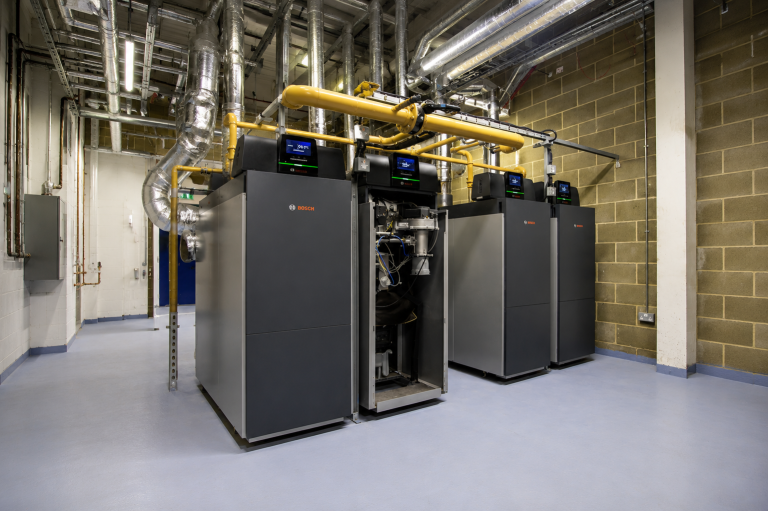
New 620kW output brings more flexibility to installers  Bosch Commercial & Industrial has today launched a new 620kW output for its Condens 7000 FP series of commercial boilers, providing more flexibility for installers and specifiers alike. The Condens 7000 FP originally launched in October 2022, with outputs initially ranging from

Read More »
FireAngel Launches Innovative Spec+ Domestic Safety Solutions Range

FireAngel Launches Innovative Spec+ Domestic Safety Solutions Range

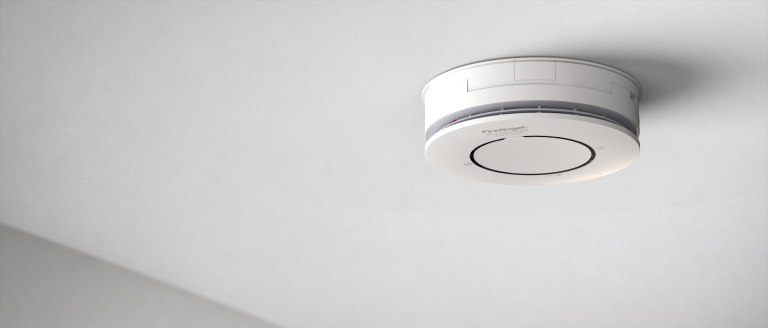
FireAngel announces new Spec+ range incorporating a complete portfolio of domestic safety solutions, including multi-sensor and single-sensor smoke, heat and carbon monoxide alarms. FireAngel has announced the launch of its brand-new Spec+ range, an evolved solutions offering of mains-powered fire and domestic safety alarms designed to support professional installations, improve

Read More »
Signify and Liverpool City Council pioneer traffic adaptive lighting to drive energy efficiency and sustainability

Signify and Liverpool City Council pioneer traffic adaptive lighting to drive energy efficiency and sustainability

Signify (Euronext: LIGHT), the world leader in lighting, has delivered an advanced smart lighting solution for Liverpool’s waterfront area. The project, completed in collaboration with McCann Ltd (Street Lighting Maintenance contractor for Liverpool City Council with support from LiveLabs, a three-year, UK-wide £30 million programme funded by the Department for

Read More »
TOPDON brings dual-lens thermal imaging to HVAC engineers

TOPDON brings dual-lens thermal imaging to HVAC engineers

Global thermal imaging manufacturer TOPDON has launched the TC001 Max, a dual-lens smartphone-connected thermal camera aimed at HVAC engineers, electrical contractors and building services technicians. The camera combines an infrared sensor with a built-in visible light camera, fusing the two images together to give engineers precise, on-screen fault location across

Read More »
Signify launches Brighter Lives, Better World 2030: improving lives, saving energy, preserving resources

Signify launches Brighter Lives, Better World 2030: improving lives, saving energy, preserving resources

Signify (Euronext: LIGHT), the world leader in lighting, today launched Brighter Lives, Better World 2030, a new program designed to expand the reach of impactful, energy and resource-efficient lighting to improve lives, save energy, and preserve resources. The program is supported by new initiatives that support customer sustainability ambitions. “Brighter

Read More »
Latest Issue
Issue 343 : Aug 2026

Products & Materials : Building Systems & Appliances News

DesignPlusLight: The “Palace on Pall Mall” Restored to Its Former Glory

DesignPlusLight: The “Palace on Pall Mall” Restored to Its Former Glory

The Royal Automobile Club’s historic Pall Mall clubhouse has undergone an extensive restoration, returning one of London’s most distinguished Edwardian façades to its former glory. Completed in 1911, the Grade II* listed clubhouse was designed by Charles Mewès and Arthur Davis, the architects responsible for The Ritz hotels in both London and Paris. Stretching 70 metres along Pall Mall, the building is defined by its grand neoclassical portico, columns, balustrades and sculpted pediments. As part of the restoration, DesignPlusLight were commissioned to create a new lighting scheme for the façade. The brief was to reveal the depth and craftsmanship of the architecture, after dark, while remaining sensitive to the building’s heritage. The surrounding area’s restrained night-time lighting provides an opportunity to enhance the building’s presence without overwhelming its setting.  Sanjit Bahra, Principal and Founder of DesignPlusLight, said, “We always take the view that one is only a custodian of heritage buildings. Any lighting enhancement must be appropriate to the architectural style and history of the building. We wanted to celebrate the richness of this magnificent building whilst retaining the warmth and welcoming character of a private club.” A carefully considered palette of luminaires from just two manufacturers was used throughout. This helped to meet the restoration programme while maintaining colour consistency across the full length of the façade. Compact LED fittings were specially commissioned in a warm 2400K colour temperature, allowing the newly restored stonework to take on a soft, tungsten-like glow. The lighting design was developed closely around the building’s architecture. Rather than flooding the façade with light, DesignPlusLight took the approach of keeping the illumination contained within its structure, using carefully positioned luminaires to reveal depth, rhythm and detail. Columns are uplit from both sides, modelling their form while drawing attention to the set-back first floor windows. The deeper terrace within the central portico is highlighted with an additional layer of uplighting to the rear wall, giving greater presence to the columns and the principal entrance. Pairs of spotlights cross-light the entablature and its sculptures, whilst linear fittings with glare shields backlight the balustrades at the first-floor and rooftop levels. This creates a visual connection across the entire 70-metre frontage and unifies the individual architectural elements. Planning approval formed an important part of the project. DesignPlusLight prepared nighttime visualisations showing the proposed effects, together with a detailed elevation identifying the location and type of fittings used for each section of the façade. Sketch details also demonstrated how the luminaires would be discreetly integrated into the historic fabric of the building. This helped secure planning approval with confidence.  Whilst the scaffolding remained in place, lighting trials were carried out to determine the final treatment of the sculptures across the entablature and pediments. During this stage, the signature of the French sculptor Ferdinand Faivre was discovered, carved discreetly beneath one of the cherubs. It was subsequently gilded in recognition of the importance of these sculptures to the clubhouse’s identity. As the scaffolding was removed, in stages, DesignPlusLight were able to focus and fine-tune the lighting as each section of the restored façade was revealed. The clubhouse’s historic torcheres were also refurbished as part of the project. The warm façade lighting beautifully complements the natural gas flame. This reinforces a welcoming feel at the entrance. In keeping with the building’s listed status and Westminster’s planning requirements, two lighting scenes have been programmed. A brighter, early-evening scene presents the full architectural composition as members and guests arrive. As daylight fades, this transitions to a more subdued late-night setting where the clubhouse takes on a softer residential glow.  The completed scheme reveals the scale and magnificence of the restored building, evoking the clubhouse’s original reputation as the “Palace on Pall Mall”. This project also reflects a broader and more important (lighting) design element. Illumination should be selective, allowing shadow and darkness to remain part of the overall composition. Sanjit Bahra continues, “The ability to light a building does not mean that every surface should be illuminated. At the Royal Automobile Club, the visually quieter areas are just as important as the elements we chose to reveal. This balance gives the façade its depth and dignity, while ensuring the lighting feels as though it belongs to, and emanated from, the building rather than having been imposed upon it.” Building, Design & Construction Magazine | The Choice of Industry Professionals

Read More »
Intecho Delivers Smart Building Technology for Fairmont Cheshire, The Mere

Intecho Delivers Smart Building Technology for Fairmont Cheshire, The Mere

Intecho has successfully integrated intelligent smart building solutions as part of the landmark transformation of Fairmont Cheshire, The Mere. As part of the project, Intecho integrated an intelligent Guest Room Management System (GRMS), bespoke Room Control Panels (RCPs) for every guest room and a range of state-of-the-art smart building solutions to compliment the luxury hotel’s extensive £125 million redevelopment. Paul Murphy, Co-Founder and Director of Intecho, said: “Luxury hospitality depends on far more than beautiful architecture and interiors. The technology behind the scenes has to work seamlessly, supporting both guests and hotel teams without ever becoming intrusive”. At the heart of the project is an advanced Guest Room Management System (GRMS), which integrates lighting, heating, cooling, motorised curtains and room status into a single intelligent platform. The system gives guests intuitive control of their environment while providing hotel teams with real-time visibility of occupancy, temperature, Make Up Room (MUR) and Do Not Disturb (DND) status. Intecho also designed and manufactured bespoke Room Control Panels (RCPs) for every guest room, integrating HVAC interfaces, lighting control, monitoring and circuit protection into a robust solution engineered specifically for the demands of luxury hospitality. Beyond the guest accommodation, Intecho delivered intelligent lighting control throughout the hotel, covering front-of-house areas, guest corridors, meeting rooms, function suites, the ballroom and external spaces. Flexible scene control allows event spaces to adapt effortlessly to conferences, weddings and large-scale functions, while centralised management provides hotel operators with greater flexibility and efficiency. The smart building solution also incorporates advanced DALI lighting control, automated emergency lighting testing, intelligent fault monitoring and centralised HVAC management. These technologies improve energy performance, reduce maintenance requirements and simplify compliance, while ensuring the building continues to operate at the high standards expected of an international luxury hotel. Intecho Director, Paul Murphy, continued: “Fairmont Cheshire, The Mere is a fantastic example of how intelligent building technology can enhance comfort, improve operational efficiency and create a smarter, more sustainable hotel. We’re incredibly proud to have played a part in such a prestigious development”. Fairmont Cheshire, The Mere is a luxury 5-star lakeside hotel, spa, and golf resort in Knutsford, Cheshire, featuring 117 rooms, an 18-hole championship golf course, and dining by Gordon Ramsay. Following a £125m redevelopment, the reimagined property opened in July 2026 on a 157-acre estate overlooking The Mere Lake. Building, Design & Construction Magazine | The Choice of Industry Professionals

Read More »
Bosch Commercial & Industrial launch new output for 7000 FP range

Bosch Commercial & Industrial launch new output for 7000 FP range

New 620kW output brings more flexibility to installers  Bosch Commercial & Industrial has today launched a new 620kW output for its Condens 7000 FP series of commercial boilers, providing more flexibility for installers and specifiers alike. The Condens 7000 FP originally launched in October 2022, with outputs initially ranging from 350kW up to 500kW. The 620kW option now offers a solution to handle higher commercial heating demands.  Other benefits of the Condens 7000 F & FP range include: Paul Monaghan, Technical Assistant at Bosch Commercial & Industrial, said, “The GC7000 FP boiler range is a versatile unit, able to integrate into almost any existing install. This accompanied by the Control 8000 makes it a perfect solution for heating, hot water and heat networks.” For more information on the Condens 7000 F & FP series visit: https://www.bosch-industrial.com/gb/en/ocs/commercial-industrial/condens-7000-fp-19388395-p/  Building, Design & Construction Magazine | The Choice of Industry Professionals

Read More »
FireAngel Launches Innovative Spec+ Domestic Safety Solutions Range

FireAngel Launches Innovative Spec+ Domestic Safety Solutions Range

FireAngel announces new Spec+ range incorporating a complete portfolio of domestic safety solutions, including multi-sensor and single-sensor smoke, heat and carbon monoxide alarms. FireAngel has announced the launch of its brand-new Spec+ range, an evolved solutions offering of mains-powered fire and domestic safety alarms designed to support professional installations, improve ease of replacement, and to keep more people safe in their homes today and in the future. Classified as Grade D1 alarms in line with BS 5839-6, the range comes with a 10-year sealed rechargeable lithium backup battery, making them suitable for most residential applications under current legislation and standards. Domestic safety solutions for evolving needs Developed for the UK professional market, the Spec+ range brings together smoke, heat, carbon monoxide and multi-sensor protection in a flexible new product family, with anticipated changes to legislation and consumer habits considered in its development. It includes dedicated smoke and heat alarms, as well as multi-sensor alarms offering smoke, heat and CO detection in a single device. Designed with professional installers, landlords, housebuilders and housing providers in mind, the new Spec+ products ensure long-life performance and interconnection capability, and a practical base plate design to make installation and replacement as straightforward as possible. The smoke alarms combine Thermoptek™ and UltraSense™ technology, which work in parallel to improve response to fire risk whilst reducing ‘nuisance alarms’ due to lifestyle factors and contaminants. Improving on previous products, Spec+ incorporates bug mesh and dust compensation components to increase device longevity and minimise interference or contamination which can cause false alarms. The alarms have built-in Bluetooth (BLE) as standard, supporting the optional interlinking of up to 50 Spec+ devices either wirelessly, via hardwired connection or a mix of the two, without the need for additional costly modules. Standards, testing and certification for domestic safety solutions All core alarms in the Spec+ range are designed for a 10-year lifespan and come with a leading 10-year warranty, providing peace of mind for residents. Smoke, heat and carbon monoxide alarms typically have a 10-year working life and despite often functioning beyond this, FireAngel advises all alarms should be replaced after 10 years to ensure continued protection.    Nick Rutter, Chief Executive Officer at FireAngel, said: “Our new Spec+ range represents a significant product portfolio for FireAngel that will enable a step-change for the future of domestic safety. Spec+ has been designed around real installation needs, quality-first design principles and trusted protection for residents.” “The launch comes at an important time for the fire safety sector, where innovation and healthy marketplace competition are essential to continuously improving protection in homes across the UK. FireAngel believes that bringing new products to market plays a vital role in giving specifiers, contractors and housing providers greater choice, while ensuring safety-critical technology continues to evolve.” The Spec+ range includes: Find out more about FireAngel professional services and the Spec+ range: https://www.fireangel.co.uk/specplus Building, Design & Construction Magazine | The Choice of Industry Professionals

Read More »
Signify and Liverpool City Council pioneer traffic adaptive lighting to drive energy efficiency and sustainability

Signify and Liverpool City Council pioneer traffic adaptive lighting to drive energy efficiency and sustainability

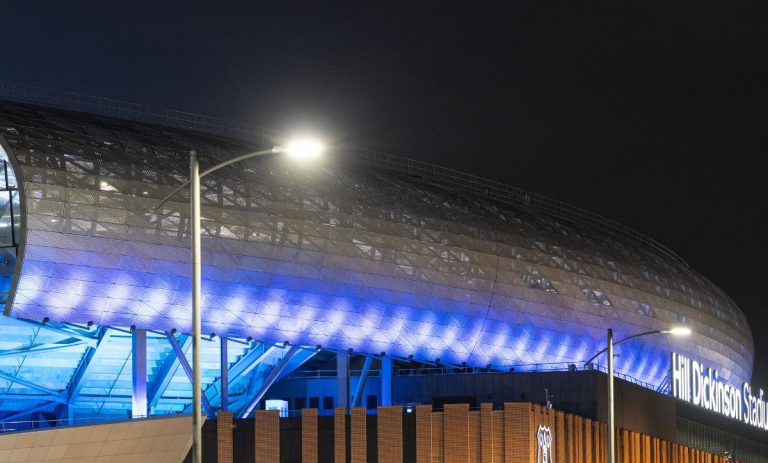
Signify (Euronext: LIGHT), the world leader in lighting, has delivered an advanced smart lighting solution for Liverpool’s waterfront area. The project, completed in collaboration with McCann Ltd (Street Lighting Maintenance contractor for Liverpool City Council with support from LiveLabs, a three-year, UK-wide £30 million programme funded by the Department for Transport that aims to decarbonise the local highway network and UpCiti, that uses connected lighting technology to reduce energy use, lower carbon emissions, and enable smart infrastructure management across the city. The installation covers key routes linking the city center to the new Hill Dickinson Stadium, home to Premier League club Everton FC. Like many cities, Liverpool faces the challenge of reducing emissions and improving sustainability while continuing to deliver reliable public services. The switch can bring upto 30% in energy savings over the next 10 years. The city also needed to increase safety for pedestrians on match days as routes leading to Everton Stadium experience significant surges in traffic during events, requiring brighter, adaptive lighting for safety and crowd management. In addition, in the past, the council has relied on public reports to identify lighting failures, leading to delays in repairs and potential safety risks. As budgets tighten and energy costs rise, the city is pursuing innovative, efficient ways to invest in the future. Liverpool City Council partnered with Signify and McCann Ltd to pilot adaptive street lighting, controlled in real time by an intelligent software solution. The system uses Signify LumiStreet Gen2 luminaires which are connected to the Signify Interact City central management system, and which in turn is linked via API’s to traffic count sensors. These sensors monitor the traffic volume allowing the system to automatically adjust lighting levels based on traffic density and thus providing the right light when and where it is needed. The result is improved energy efficiency without compromising safety or visibility. At the center of the project is Signify’s Interact City lighting control system, which continuously monitors performance and automatically detects faults to minimise downtime and maintenance costs. This proactive approach enhances public safety and streamlines management of lighting assets across the waterfront area. Interact City connects both new and existing luminaires, creating a unified lighting network that reduces energy use and supports future citywide upgrades. On high-demand days, such as matchdays at Everton’s nearby stadium, Liverpool City Council can respond more effectively to increased requirements for lighting, operational efficiency and public safety. Lighting levels can be increased to maintain optimal visibility and support safer public spaces. With each luminaire connected to Signify’s central management platform, the council can proactively manage the lighting network using real-time data and insights. This smart approach helps minimise energy waste by ensuring lighting is only used when and where it is needed, avoiding the inefficiencies of fixed schedules that can create a disconnect between planned lighting and actual conditions. “We’re proud to be among the first UK local authorities to deploy traffic-adaptive lighting at scale,” said Ali Zahran, Principal Street Lighting Engineer at Liverpool City Council. “This investment is helping us reduce energy consumption, improve operational efficiency, and build a more sustainable, future-ready city. The upgrade responds to the evolving needs of residents while supporting the ambitions of a growing city, delivering smarter infrastructure that enhances safety, efficiency, and the overall urban environment for everyone.” Councillor Dan Barrington, Cabinet Member for Transport and Connectivity said: “Since the Hill Dickinson Stadium opened, we’ve listened closely to fans who want a safe, well-lit route back towards the city centre and key transport links. The new adaptive lighting along the busiest roads around the stadium means pavements are brightly lit when people need it most, helping everyone feel safer as they move through the area. Because the system responds in real time, we can also spot and fix faults quickly, keeping the route reliably lit on matchdays and beyond. And by adjusting the lighting to actual traffic levels, we’re cutting unnecessary energy use and delivering real savings for the city.” John McCann, Managing Director at McCann, added on the awarding of the contract, “We’re proud to be working alongside Liverpool City Council and Signify to ensure the city’s street lighting infrastructure is safe, reliable, and future-ready. Delivering this project as part of our maintenance service for Liverpool is a major win for our business as it reinforces our approach to collaboration, innovation, and consistency. This installation is a step in the right direction towards making Liverpool 2040 a reality.” “Every growing city must ensure that infrastructure is fit for purpose and meets the needs of its residents. Public lighting plays a critical role in creating spaces where people feel safe, while also helping cities manage energy consumption and reduce emissions,” said Simon Wilkinson, Commercial Leader Public UK, Signify. “Our collaboration with Liverpool City Council delivers immediate benefits through energy savings and improved visibility, while also serving as a blueprint for a safer, smarter, and more sustainable cities across the UK. As one of Europe’s most culturally significant and forward-thinking cities, Liverpool continues to demonstrate its commitment to innovation and enhancing quality of life for its residents through projects such as this.” Elie EL KHOURY, International Business Development Manager & Sales Director at Upciti said, “Cities need trusted, privacy-by-design infrastructure capable of turning real-time mobility data into action. By delivering actionable insights without recording or transmitting identifiable images, our multi-use sensors help cities improve safety, reduce energy consumption, and optimize public services, to help build smarter and more sustainable urban environments.” Building, Design & Construction Magazine | The Choice of Industry Professionals

Read More »
Siemens fortifies cyber resilience to ensure energy supply for critical infrastructures

Siemens fortifies cyber resilience to ensure energy supply for critical infrastructures

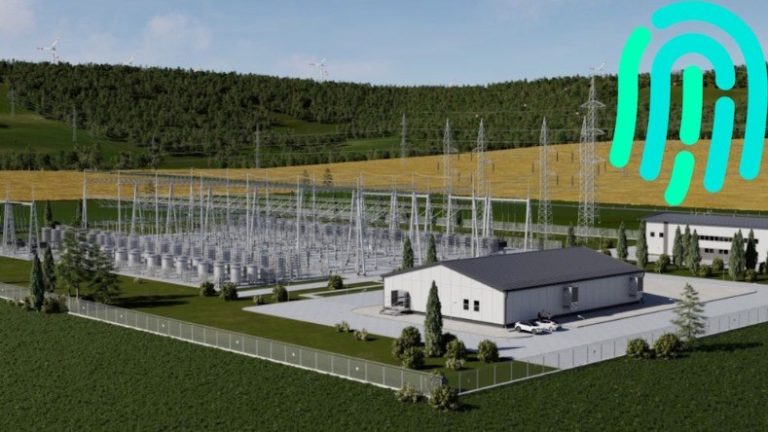
New Managed Detection and Response (MDR) service from Siemens enables enhanced 24/7 cybersecurity for critical infrastructures Siemens offers comprehensive and overarching protection with its MDR service and in-depth OT expertise across multiple sites  Reduces capital expenditures by up to 80 percent and lowers ongoing operating costs for cyber defense by up to 50 percent  With its new Managed Detection and Response (MDR) service, Siemens Smart Infrastructure is strengthening cyber resilience for energy suppliers and operators of energy-intensive industries and critical infrastructures like data centers and airports. As information technology (IT) and operational technology (OT) continue to converge, companies are being challenged to manage a growing flood of security alerts. They often lack the required staffing with the appropriate expertise and 24/7 availability. The new service from Siemens addresses this gap and helps companies operate their increasingly digitalized systems securely, in compliance with NIS 2 EU-wide legislation concerning cybersecurity and from a single source of trust. Compared to setting up in-house 24/7 Security Operations Center (SOC), Siemens’ MDR service reduces investment costs by up to 80 percent. Ongoing operating costs for cyber defense are reduced by up to 50 percent through a predictable and scalable service model that is NIS 2-compliant. The MDR service provides 24/7 protection through monitoring, analysis of potential incidents, and recommendations for action. This enables up to 90 percent faster defense against cyber threats. The process begins with collecting security-related data from the customer’s IT and OT systems, which is securely transmitted to the Security Operations Center (SOC). The core task is alarm assessment and incident handling: Incoming events are analyzed, classified, and prioritized from false alarms to critical incidents. Based on this, the customer receives specific recommendations for mitigation and resolution. To ensure smart and proactive threat detection, the detection rules are continuously maintained, expanded, and adapted to new threat landscapes. “Today, energy security is inextricably linked to cybersecurity. This is precisely where we offer our customers crucial support,” said Stephan May, CEO of Electrification and Automation at Siemens Smart Infrastructure. “Our MDR service combines technology with the expertise of our OT specialists. This allows operators of critical infrastructure to focus on their core business while we protect their systems from cyberattacks. This is the only way we can securely advance the digital transformation and help accelerate the energy transition.” One of the first companies to benefit from this comprehensive protection is Hertener Stadtwerke, a municipal utility in Germany. It is already using the new MDR service to safeguard its operational systems. “The requirements for cybersecurity, especially for critical infrastructures like ours, are constantly increasing,” said Stefan Burkert, Head of Communications Technology at Hertener Stadtwerke. “The MDR service from Siemens is a crucial building block for us to meet these requirements and protect our critical infrastructure. It helps us comply with regulations and gives us peace of mind knowing that our systems are monitored by experts at all times. It allows us to focus on ensuring a reliable energy supply.” The MDR service provides the highest level of cybersecurity in accordance with the principles of the Charter of Trust. Siemens thereby helps operators of critical infrastructure worldwide to drive their digital transformation forward in a secure, scalable, and cost-effective manner. Initiated by Siemens, the Charter of Trust calls for binding rules and standards to build trust in cybersecurity and further advance digitalization. Building, Design & Construction Magazine | The Choice of Industry Professionals

Read More »
Siemens launches groundbreaking portfolio for the era of direct current technology

Siemens launches groundbreaking portfolio for the era of direct current technology

Siemens Smart Infrastructure has launched a new, comprehensive portfolio of direct current (DC) protection and switching solutions, solidifying its position as a pioneer in the DC era. The new offering, including the innovative SENTRON 3QD2 semiconductor circuit breaker and the SIRIUS 3RF5 solid-state switching device, is designed to meet the growing demand for sustainable, efficient, and reliable low-voltage power distribution and industrial switching technology. Integrated in power distribution systems such as SIVACON S8 low-voltage switchboard and SIVACON 8PS busbar trunking systems, these solutions are particularly crucial for high-performance applications such as data centers, especially AI Factories, production facilities and battery storage systems, as well as for the integration of renewable energies. The shift from widely used AC (Alternating Current) systems towards DC technology is a critical step in the global energy transition. Renewable energy sources like photovoltaics (PV) and battery storage systems generate or store electricity as Direct Current. By reducing conversion (DC to AC) losses and enabling the direct integration of renewable energy sources, DC systems offer a more efficient and sustainable alternative to traditional AC grids. Siemens is at the forefront of this transformation, with a deep commitment to research and development, demonstrated by its active participation in initiatives like the Open Direct Current Alliance (ODCA) and Current/OS. A key innovation in the new portfolio is the SENTRON 3QD2 semiconductor circuit breaker. Based on semiconductor technology and smart protection algorithms, it enables ultra-fast interruption of short circuits in the microsecond range, up to 1,000 times faster than conventional systems. This is mandatory for DC grids and offers a significant increase of protection and system availability. “With the consistent development of our pioneering semiconductor switching technology, we enable a new level of electrical safety also for the DC era,” said Andreas Matthé, CEO of Electrical Products at Siemens. The parametrizable SENTRON 3QD2 combines protection, switching, monitoring, and energy management in a single compact and multifunctional unit, replacing multiple components and saving significant space. Being maintenance-free with no mechanical wear parts, the SENTRON 3QD2 ensures a long service life and maximum plant availability, making it ideal for critical infrastructure. “Our new DC portfolio equips customers with innovative solutions that not only enhance energy efficiency but also enable them to build a more resilient, future-ready infrastructure. This is a crucial contribution to the decarbonization of our industries and a testament to our commitment to creating technologies with purpose,” Andreas Matthé added. Complementing the SENTRON 3QD2 is the new SIRIUS 3RF5 solid-state switching device, the first of its kind for DC applications. It is designed for high-frequency switching of resistive loads, offering a low wear and durable solution that enhances the efficiency and availability of industrial plants. The SIRIUS 3RF5 also carries the Siemens EcoTech Label, highlighting its sustainable and transparent product design. Together with the SIVACON S8 low-voltage switchboard (with Siemens EcoTech Label), SIVACON 8PS busbar trunking systems as well as integrated DC protection and switching devices, we are paving the way for new DC solutions, supporting a high level of reliability and efficiency in production or infrastructure. The advantages of DC solutions extend beyond individual products. By implementing DC grids, customers can achieve significant cost and material savings. For example, in a manufacturing setting with the use of robots, applying DC technology combined with energy recuperation and storage can reduce peak power demand by up to 80 percent, leading to substantial cost reductions. Furthermore, DC systems eliminate the need for reactive power compensation and require less copper in cabling, resulting in up to 50 percent material savings and a smaller environmental footprint. Siemens will present its new portfolio at the Hannover Messe 2026 in Hall 27, booth A 48. Building, Design & Construction Magazine | The Choice of Industry Professionals

Read More »
Siemens unveils next-generation fire safety protection, paving the way for autonomous buildings

Siemens unveils next-generation fire safety protection, paving the way for autonomous buildings

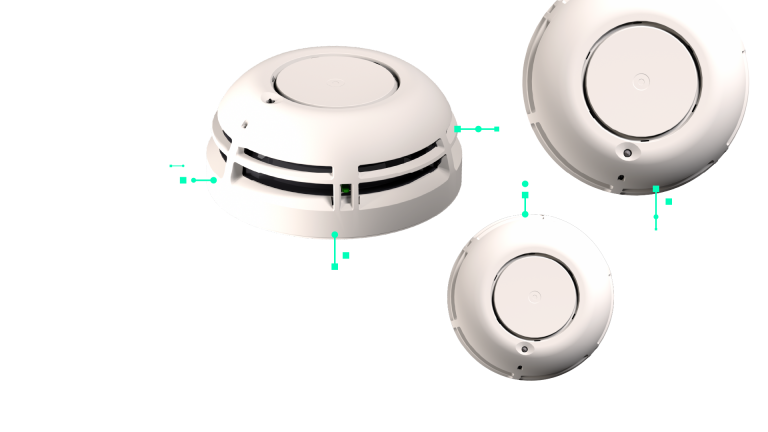
Siemens Smart Infrastructure today unveiled its new Cerberus Nova fire detector portfolio, set to transform traditional fire safety into a proactive, smart, and connected approach, part of the foundation of technologies that pave the way toward autonomous buildings. The new portfolio enhances operational safety, streamlines service team efficiency, allows for ease of system upgrades, and unlocks data-driven digital services through its cloud-connectivity. With their advanced technology, these systems are designed to meet various needs across industries such as healthcare, higher education, data centres and commercial real estate. In healthcare facilities, where patient safety and operational efficiency are both essential, Siemens new fire detectors ensure performance with continuous, autonomous detection. The automated Disturbance-Free Testing (DFT) technology runs self-checks around the clock, reducing systems’ potential downtime. With support of the Smoke Entry Supervision (SES) technology, which monitors smoke entry points in real time, safety teams can intervene immediately before risks escalate. Additionally, the ASAplus technology, incorporating multi-wavelength optical and dual thermal detection, minimises false alarms – decreasing unnecessary evacuations. The fully IoT-enabled detectors are compatible with cloud-based applications, such as Siemens Building X Fire Apps. These capabilities provide facility teams and service providers with shared, actionable data insights and allow for real-time monitoring, remote diagnostics, and predictive maintenance. Data centres’ high density of electrical systems and the need for continuous operations create unique fire safety risks, including overheating and electrical failures. Siemens Cerberus Nova detectors not only help maximise uptime of critical IT and electrical infrastructure, but also provide transparency on system conditions. Automated self-checks, cloud-based monitoring, and predictive maintenance allow facility teams to respond quickly and proactively, reducing disruptions and protecting these critical assets efficiently. Other industries, such as higher education and commercial real estate, often operate multiple, widely distributed buildings, making centralised fire safety management essential. Siemens Cerberus Nova detectors help facility teams maintain consistent protection standards across all sites by providing continuous monitoring, reducing the risk of unnecessary disruptions, and supporting proactive maintenance. This holistic approach provides an oversight of widely dispersed facilities and ensures reliable and resilient operations across the entire building portfolio. “The launch of our Cerberus Nova fire detection portfolio is a game-changer in ensuring all alarms are accurate. By moving from periodic checks to continuous, data-driven, self-supervising systems, we’re laying the foundation for truly human-centric, autonomous buildings. By automating testing, delivering real-time insights, and enabling remote action, these solutions protect people while freeing up staff to focus on strategic priorities. This shift isn’t just about innovation – it’s about smarter, safer, and more efficient operations,” said Peter Nebiker, Head of Fire Safety at Siemens Smart Infrastructure Buildings. No matter the industry, the best-in-class Siemens Cerberus Nova detectors represent a transformative approach to fire safety. They allow for stepwise upgrades while ensuring continuous protection, making them suitable for both green- and brownfield projects. Existing fire panels remain compatible, eliminating the need for a rip-and-replace approach. By allowing for plug-and-play integration including automatic transfers of configured settings, these systems offer seamless modernisation while reducing installation time and risk. Carrying an environmental product performance label – Siemens EcoTech – for enhanced sustainability transparency, the detectors are not only made of recycled plastics, but also promote environmentally responsible design, resource efficiency, and circular economy principles. The Cerberus Nova fire detectors are part of the Siemens Xcelerator portfolio, an open digital business platform that enables customers to accelerate their digital transformation easier, faster and at scale. The offering has been developed in Switzerland, where it is also being produced. For more information on the new Cerberus Nova fire detection portfolio, please see https://www.siemens.com/en-us/products/fire-detection/cerberus-nova-fire-detectors/ For more information on Siemens Smart Infrastructure, please see https://www.siemens.com/global/en/company/about/businesses/smart-infrastructure.html Building, Design & Construction Magazine | The Choice of Industry Professionals
Read More »
TOPDON brings dual-lens thermal imaging to HVAC engineers

TOPDON brings dual-lens thermal imaging to HVAC engineers

Global thermal imaging manufacturer TOPDON has launched the TC001 Max, a dual-lens smartphone-connected thermal camera aimed at HVAC engineers, electrical contractors and building services technicians. The camera combines an infrared sensor with a built-in visible light camera, fusing the two images together to give engineers precise, on-screen fault location across heating, ventilation, air conditioning refrigeration systems and electrical wiring. Fault-finding is the most time-intensive part of any HVAC call-out, and the most commercially sensitive. Whether it’s a refrigerant leak that has partially migrated, an underperforming heat exchanger, a poorly balanced duct system or a faulty contactor running hot inside a panel, the challenge is always the same: identifying the precise source quickly, without unnecessary dismantling, and with enough evidence to justify the repair to the customer. Traditional fault-finding methods like feeling pipework by hand, checking pressures at service ports, or isolating circuits one by one, are slow, often inconclusive, and leave the engineer with limited visual evidence to share with the customer or building manager. An experienced engineer working through an intermittent fault on a multi-zone system can lose an hour to tracing work that a thermal scan would resolve in minutes. The TC001 Max solves this by rendering heat distribution across any system as a live visual image, without contact. Blocked heat exchangers, poorly insulated pipework, overheating electrical contactors and air infiltration points in building fabric all produce distinct thermal signatures that become immediately visible on screen. Until recently, equipment capable of this level of sensitivity in a field environment cost several thousand pounds and was largely confined to specialist thermographic survey contractors. TOPDON has deliberately priced the TC001 Max to make thermal imaging a practical day-to-day tool rather than a specialist hire item. It connects directly to iOS, Android or Windows devices, using the engineer’s existing smartphone or tablet as its display, interface and storage platform. This removes the need for a dedicated screen and battery pack, which account for a significant portion of the cost of conventional handheld thermal cameras. The camera’s 256 × 192 infrared sensor is upscaled to 512 × 384 pixels through TOPDON’s TISR processing, giving resolution sufficient to distinguish temperature variation across individual components rather than broad surface areas. Thermal sensitivity of ≤40mK (NETD) means the camera picks up the small differentials that matter in HVAC and electrical diagnosis – a slightly cool section of refrigerant pipework, a marginally warm return air grille, or early-stage bearing heat in fan motor assemblies. A 25Hz refresh rate keeps the image fluid during live scanning. The key differentiator is the TC001 Max’s dual-lens design. Unlike single-sensor thermal cameras that produce a thermal-only image, the TC001 Max pairs its infrared sensor with a built-in visible light camera and electronically fuses the two into a single blended image. Five selectable fusion modes let the engineer dial between full thermal and full visible, with blended options in between, so component outlines remain sharp and identifiable even when scanning a densely packed plant room or electrical panel. In practice, this means an engineer can see exactly which valve body, terminal block or pipe joint is the source of a thermal anomaly. For building envelope surveys, where identifying the precise location of insulation voids or air infiltration paths is critical to a useful report, the fused image is particularly valuable. “HVAC engineers are under constant pressure to diagnose faster and document better,” said Oscar Diaz, CEO of TOPDON Europe. “The TC001 Max gives them a tool that does both. The fused imaging puts the fault location in the image itself, which speeds up the diagnosis and gives the engineer something concrete to show the customer.” The TC001 Max works with TOPDON’s TopInfrared (Mobile) and TopView (PC) applications across iOS, Android, and Windows, supporting thermal image capture, spot and area temperature measurement, isotherm analysis, and structured PDF report creation – including client-ready reports with annotated images and temperature readings suitable for handover to building managers or FM teams. When used alongside TOPDON’s TopFix AI, thermal findings can be cross-referenced against fault data to accelerate diagnosis and inform repair recommendations. Building, Design & Construction Magazine | The Choice of Industry Professionals

Read More »
Signify launches Brighter Lives, Better World 2030: improving lives, saving energy, preserving resources

Signify launches Brighter Lives, Better World 2030: improving lives, saving energy, preserving resources

Signify (Euronext: LIGHT), the world leader in lighting, today launched Brighter Lives, Better World 2030, a new program designed to expand the reach of impactful, energy and resource-efficient lighting to improve lives, save energy, and preserve resources. The program is supported by new initiatives that support customer sustainability ambitions. “Brighter Lives, Better World 2030 is designed to deliver solutions that improve lives, save energy, and make better use of resources – which is exactly what our customers are asking for,” said As Tempelman, CEO of Signify. “It shows that impact and opportunity go hand in hand, as we create real value for society, while building a stronger, more resilient company.” Driving impact where it matters most Focusing on customers’ most pressing challenges, Brighter Lives, Better World 2030 responds to rising demand for efficient, connected and electrified solutions. Addressing increasing demand for electricity1 and volatile pricing, resource scarcity and the need for healthier, safer, more resilient and livable environments – the program transforms the potential of light into meaningful impact. “We’re proud to introduce the third chapter of Brighter Lives, Better World. Our new program builds on the progress of the past decade, remaining fully committed to our 2040 net zero ambition, with new targets that focus on reducing the energy and resource consumption of our customers, while continuing to drive innovations that improve safety & security, health and well-being,” said Maurice Loosschilder, Head of Sustainability at Signify. Benefits beyond illumination Signify continues to expand the role of lighting that is designed to improve quality of life, support more welcoming and productive indoor environments, enhance safety and security in cities and communities, enable more efficient food production, and increase access to solar lighting. Energy efficiency as a growth accelerator Energy efficiency is a powerful enabler of electrification and the energy transition. Through continuous advances in LED and connected lighting, Signify helps customers reduce energy demand, manage costs, and lower emissions. By the end of 2030, Signify commits to: Since introducing the Green Switch program in 2020, Signify has supported over 37,000 projects with cities across the globe, helping over 10,000 local authorities to switch their lighting systems from conventional to connected LED. An expanded Signify Switch program offers guidance on how efficient LED and connected lighting can advance energy and cost savings, and emissions reduction, as well as how to improve the quality of indoor and outdoor light, contribute to street safety and install solar lighting where the grid may not be available. Customers can receive support in choosing the right lighting products, systems, and services, as well as identifying sources of finance and funding. Resource efficiency and circular value To advance the circular economy, Signify will scale durable, upgradable, repairable, and recyclable products, alongside circular services. These solutions are designed for circularity, following a “use less, use longer, use again” framework that aims to reduce the consumption of virgin materials and energy while delivering long-term customer value. Signify Circle revenues will include four categories: These products and services will constitute Signify Circle, a new initiative for professional customers to support their circular economy ambitions. It delivers products, services and business models that are aligned to well-defined circularity criteria, alongside clear and transparent labelling and customer education.  “Our customers want products they can trust – that last for a long time and can adapt to their changing needs,” said Sophie Breton, President, Professional Business, Europe at Signify. “Signify Circle will help our professional customers in Europe to make informed choices about the products and services they need to support their circular economy ambitions.” Built on a foundation of responsible business Brighter Lives, Better World 2030 is underpinned by Signify’s long-term commitments to low nature-impact manufacturing, inclusive workplaces, fair working conditions throughout the value chain, and expanding access to lighting for underserved communities – ensuring growth is built on transparency, inclusiveness and respect for human rights. Progress on Signify’s Brighter Lives, Better World 2030 program will be reported on a quarterly basis, in line with the company’s financial results. 1 “Global electricity demand is set to grow by over 3.5% a year to 2030” Data just released from IEA https://www.iea.org/news/global-electricity-demand-is-set-to-grow-strongly-to-2030-underscoring-need-for-investments-in-grids-and-flexibility?utm_content=buffer98608&utm_medium=social&utm_source=twitter.com&utm_campaign=buffer  Building, Design & Construction Magazine | The Choice of Industry Professionals

Read More »