Commercial : Specialist Facilities News
Castleforge and Galaxy Data Centers to expand £500m Redhill campus near London, serving growing demand for low-carbon capacity

Castleforge and Galaxy Data Centers to expand £500m Redhill campus near London, serving growing demand for low-carbon capacity

Real estate investor Castleforge, in partnership with full-service data centre operator and advisory firm Galaxy Data Centers, today announces that full planning consent has been granted for a new 15MW data centre development at its Redhill campus.             Located just outside of London, the new development will include four data halls and support a local waste heat recovery initiative.  Following

Read More »
Latest Issue
Issue 341 : Jun 2026

Commercial : Specialist Facilities News

McLaren Chosen for Landmark £1bn Data Centre Development in Buckinghamshire

McLaren Chosen for Landmark £1bn Data Centre Development in Buckinghamshire

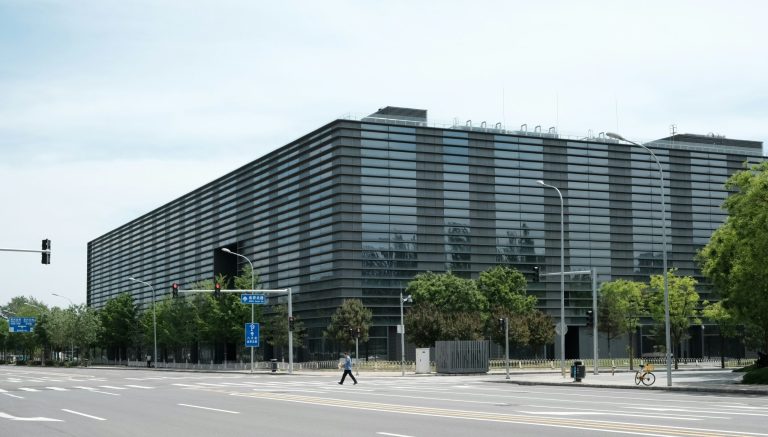
McLaren Construction has secured a leading role in the delivery of a major new £1bn data centre campus in Buckinghamshire, as investment in the UK’s digital infrastructure sector continues to accelerate. The contractor has been appointed by US developer Corscale to help deliver the Court Lane Data Centre Campus in Iver, a strategically located site close to the M25 and within one of the country’s fastest-growing data centre markets. Working alongside mechanical and electrical specialist Phoenix ME, McLaren has secured a pre-construction services agreement for the 14-acre development, which will transform an ageing industrial estate into a state-of-the-art hyperscale data centre campus. The scheme will comprise two large-scale data centre buildings alongside a dedicated 140MVA substation, creating a significant new digital infrastructure hub within West London’s expanding technology corridor. Enabling works are scheduled to begin in July and will include site clearance, utility diversions and extensive remediation activities ahead of the main construction phase. One of the first priorities will be the relocation of two major 36-inch Affinity Water mains that currently cross the site. The wider project team includes international architecture practice Gensler, engineering consultancy Cundall providing MEP design services, and L&P Group supporting the engineering delivery strategy. Julian Michalski, Head of Development at Corscale Europe, described the project team as a collaboration of leading specialists with extensive experience in delivering complex, mission-critical facilities. He said the collective expertise of the team would help ensure programme certainty, technical excellence and successful delivery through to completion in late 2029. McLaren’s Managing Director for Data Centres, David McDonnell, highlighted the technical complexity of modern hyperscale facilities, noting that the project would require advanced construction methods and innovative delivery techniques to meet evolving customer requirements. The development comes at a time of unprecedented growth within the data centre sector, driven by increasing demand for artificial intelligence, cloud computing, high-performance computing and digital services. Industry analysts continue to forecast substantial investment in new facilities as organisations seek greater processing power and data storage capacity. Once completed, the Court Lane campus will add 140MW of capacity to the UK market, reinforcing the country’s position as a leading European destination for digital infrastructure investment and next-generation technology development. Building, Design & Construction Magazine | The Choice of Industry Professionals

Read More »
Oxford’s Former Debenhams Set for Science-Led Future in £125m Transformation

Oxford’s Former Debenhams Set for Science-Led Future in £125m Transformation

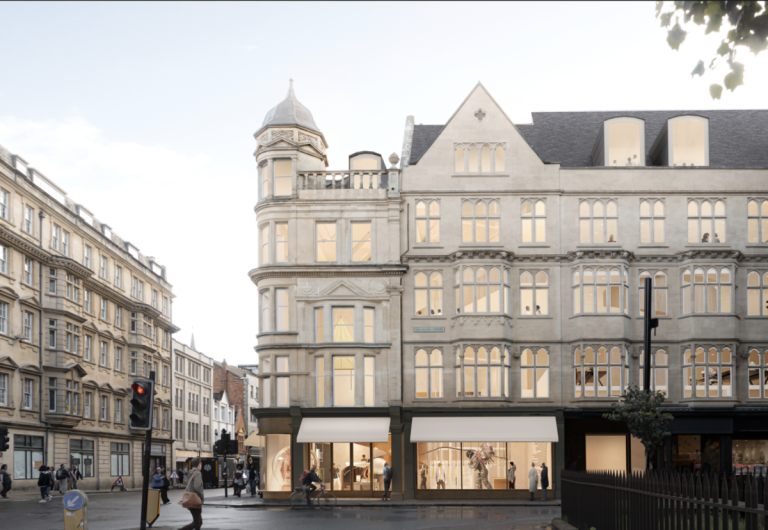
A landmark former department store in the heart of Oxford is set to begin a new chapter after Morgan Sindall secured the fit-out contract for a major £125m redevelopment that will transform the historic building into a cutting-edge life sciences hub. Located at 1–12 Magdalen Street, the former Debenhams store will be repurposed to provide approximately 100,000 sq ft of laboratory-enabled incubator and accelerator space, creating a significant new destination for science and technology businesses within one of the UK’s leading innovation centres. The project is being delivered through a partnership between The Crown Estate, Pioneer Group and Oxford Science Enterprises, with international architecture practice Perkins&Will leading the design. The fit-out package secured by Morgan Sindall is expected to be worth more than £35m. The redevelopment will breathe new life into the prominent city centre building while preserving its historic character. Rather than demolishing and rebuilding, the scheme will retain and repurpose the existing late-19th century structure, creating flexible laboratory facilities and workspace across the upper floors. The development will also feature conference and collaboration spaces, alongside a showcase laboratory designed to engage the wider public with scientific discovery and innovation. A key feature of the project is its strong sustainability focus. By retaining the building’s existing structural frame and external envelope, the development team aims to significantly reduce embodied carbon and minimise the environmental impact associated with large-scale redevelopment. The approach reflects the growing emphasis across the construction and property sectors on adaptive reuse and the preservation of valuable built assets. The scheme also highlights the increasing demand for specialist laboratory and research facilities as Oxford continues to strengthen its position as one of Europe’s most important science and technology clusters. The new hub will provide flexible accommodation for start-ups, scale-ups and established businesses operating across a range of scientific disciplines, helping to support innovation, collaboration and commercial growth. The redevelopment forms part of The Crown Estate’s ambitious £1.5bn investment programme focused on science, innovation and technology sectors over the next 15 years. The long-term strategy is designed to support the growth of knowledge-based industries while creating sustainable and future-ready environments that encourage research, development and entrepreneurship. Once complete, the transformation of the former Debenhams building will create a vibrant new centre for life sciences in the heart of Oxford, combining heritage preservation, sustainability and innovation to deliver a flagship destination for the city’s growing scientific community. Building, Design & Construction Magazine | The Choice of Industry Professionals

Read More »
Glencar Wins Major Role on £100m+ Green Data Centre Expansion at Brent Cross

Glencar Wins Major Role on £100m+ Green Data Centre Expansion at Brent Cross

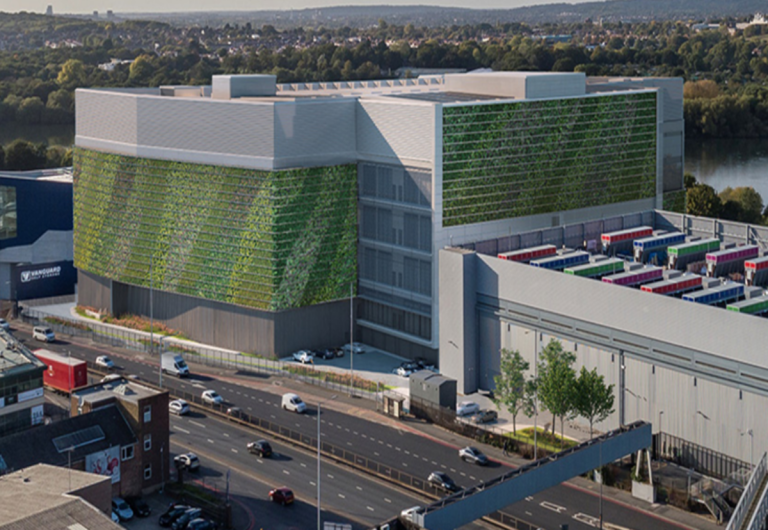
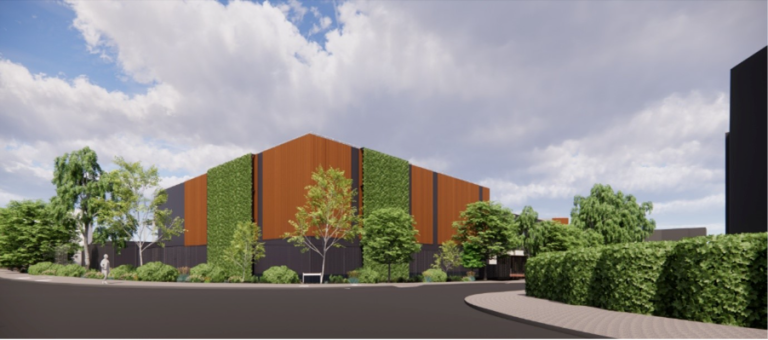
Glencar has secured a major new contract to deliver the next phase of Pure Data Centres’ rapidly expanding Brent Cross campus in North London, reinforcing its growing reputation within the fast-moving data centre sector. The contractor has been appointed to construct the latest stage of the development, known as LON1B2, a 70MW facility extending to more than 23,000 sq m. The project represents an investment of more than £100m and is scheduled for completion in the second quarter of 2029. The appointment marks another significant milestone in the ongoing expansion of the Brent Cross campus, which is emerging as one of the capital’s key digital infrastructure hubs. The site is being developed within a live operational environment, with one facility already operational and a further phase currently under construction. Glencar’s scope of works includes piling and foundations, the structural frame, connections to adjacent buildings, concrete and slab works, stair cores, as well as the full building envelope and roofing package. One of the most striking elements of the scheme will be a substantial living wall installation covering approximately 7,400 sq m of the building’s façade. Featuring more than 750,000 plants, the system is believed to be among the largest living wall installations of its kind anywhere in the world. The green infrastructure has been designed to enhance biodiversity, improve local air quality and help reduce noise levels adjacent to the Brent Reservoir Site of Special Scientific Interest. The approach reflects the increasing focus on sustainability within the data centre sector as operators seek to balance growing digital demand with environmental responsibilities. Eddie McGillycuddy, chief executive of Glencar, said the project demonstrates the company’s growing expertise in delivering complex data centre developments within operational environments. He added that the scheme requires careful coordination across multiple active construction zones and phases. The project also highlights the continued growth of the UK data centre market, driven by increasing demand for cloud computing, artificial intelligence, digital services and secure data storage. For Glencar, the Brent Cross appointment adds another high-profile scheme to a portfolio that continues to expand across industrial, logistics, commercial and mission-critical infrastructure sectors. Building, Design & Construction Magazine | The Choice of Industry Professionals

Read More »
Bicester Motion unveils plans to support growth and create jobs with 10-year investment plan

Bicester Motion unveils plans to support growth and create jobs with 10-year investment plan

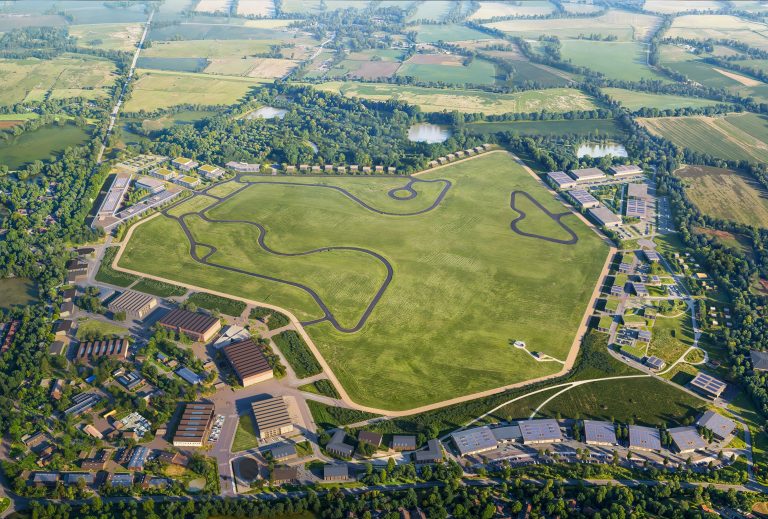
Bicester Motion, the 444-acre future mobility estate in Oxfordshire, has unveiled plans to enable substantial investment in its estate over the next 10 years to enhance its masterplan vision to foster a connected, dynamic and sustainable community for automotive and aviation experience brands to thrive, alongside the introduction of new and affordable apartments and its strengthened plans for a hotel. Bicester Motion was established in 2013 when the 444-acre former RAF site was acquired to create a world-leading mobility cluster for like-minded mobility manufacturers, artisans, engineers, innovators and change-makers who have a shared passion to deliver the future mobility solutions society needs. Bicester Motion has previously secured a number of major planning consents bringing its total areas of active business space and consents to total circa one million sq ft (92,903 sq m). These include Bicester Heritage, The Hangars, The Command Works, The Rushes, The Ranges and The Hotel. The first five years of ownership focused on regenerating the award-winning technical site to create Bicester Heritage, which has evolved into the mobility-focused and award-winning new build development home to eight buildings forming The Command Works in 2020 and The Ranges’ first HQ with the first phase completed in 2026. Today, the estate hosts a diverse range of businesses in the automotive and aviation sector and is supported by a range of amenities on site that includes cafés, overnight accommodation, vehicle valeting and storage, specialist retail, insurance, events and apprenticeship training. More than £100 million has already been invested to re-purpose the estate, bringing it to new life as a hub for innovation, home to more than 50 companies, the majority of which were new to Bicester employing more than 500 people and training 200 apprentices per year. The cluster currently boosts the economy by circa £500 million in gross value added per annum. Future mobility automotive and aviation brands such as Audi Revolut F1 Team, Polestar, Motorsport UK, Skyports Infrastructure and record-breaking synthetic fuel manufacturer Zero have recently arrived at the estate. TeamSport is also set to open its new indoor e-karting centre later in the year, while Mercedes-Benz-owned electric motor technology company YASA will this summer move into a new HQ at The Ranges bringing with them 400 skilled employees. This activity has demonstrated a strong demand from businesses seeking to be part of Bicester Motion’s community and benefit from its strategic location in the heart of Motorsport Valley. Bicester Motion’s proposed enhanced masterplan will draw upon its experience to deliver distinct and connected areas of its estate by their unique character to enable an additional circa one million sq ft (92,903 sq m) of offices and technical workspace for pioneering companies accelerating the world’s adoption of future mobility technology. It also plans to create a place where people can live, work and thrive, supported by a wider ambition to create in the region of 200 one to three-bedroom new and affordable apartments, while the hotel will support new lodges and include a clubhouse for people to visit and stay. With ecology and biodiversity initiatives already in place, the proposed masterplan will further invest in the landscape and enhancements to deliver 10% biodiversity net gain to enrich its environment through mindful design and development. The plans will foster employment opportunities and career pathways within the traditional and pioneering businesses based on the estate and across its construction programme. As a destination for automotive enthusiasts through its annual events programme, which includes its sold-out Scrambles and attracts circa 150,000 per year visitors from all over the UK and world, the ten year vision is designed to boost growth, bolster the local economy, UK PLC and generate enduring opportunities for people to live, work, and flourish. Also, it will ensure Bicester Motion is further cemented as a proud part of the Bicester community. Daniel Geoghegan, chief executive officer, Bicester Motion said: “As custodians of the estate, we’re proud of the world-leading mobility cluster we have created by investing in Bicester and Oxfordshire, creating skilled jobs, remarkable opportunities and unique experiences. We remain driven to deliver a dynamic and inclusive environment, with thoughtful design, community wellbeing and long-term sustainability all coming together to shape a vibrant place for generations to enjoy. We now look ahead to the next 10 years and welcome people’s feedback as we look to further invest in and enhance this unique place.” A four week public consultation has opened on Thursday 28 May 2026 and will run until Thursday 25 June 2026. A public exhibition will be held at Bicester Motion on Friday 12 June from 2pm to 7pm. To view the public consultation, please visit: https://consultation.bicestermotion.com/ Ridge, Edgars, Nicholsons, Stantec, Motion, Auroch Ecology, Worlledge Associates and LDA Design acted on behalf of Bicester Motion. Building, Design & Construction Magazine | The Choice of Industry Professionals

Read More »
McLaren Takes Centre Stage in Major Transformation of Historic Elstree Studios

McLaren Takes Centre Stage in Major Transformation of Historic Elstree Studios

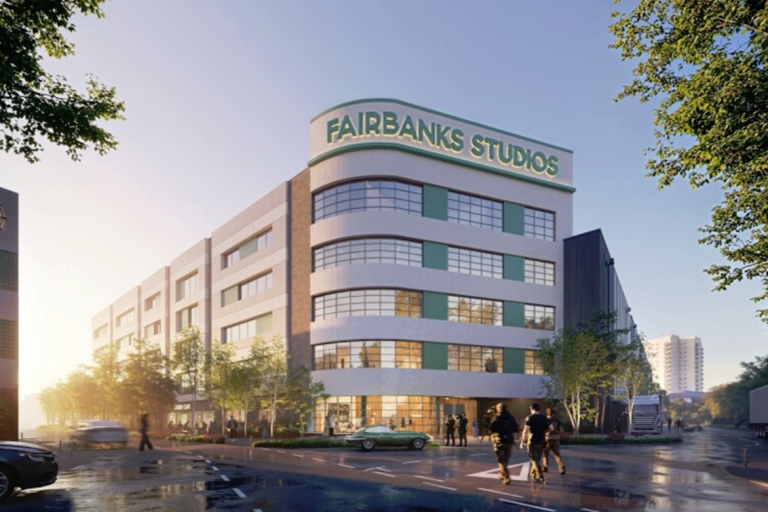
A major new chapter is underway for one of the UK’s most iconic film and television production sites after McLaren Construction was appointed lead contractor for the redevelopment of the former BBC Elstree Centre, now rebranded as Fairbanks Studios. The landmark project, led by BNP Paribas Asset Management through its alternatives platform BNPP AM Alts, will transform part of the historic Elstree campus into a state-of-the-art production hub aimed at supporting the rapidly growing demand for high-end television and independent film production space across the UK. Planning consent for the redevelopment was secured in December 2025, with enabling and demolition works now completed. Main construction works officially commenced in April 2026, marking the beginning of a significant brownfield regeneration scheme with completion targeted for late 2027. Located on a 16-acre site, approximately half of the former BBC Elstree campus will be redeveloped into a 266,000 sq ft production complex designed specifically for the modern media industry. The remaining part of the site continues to be occupied by the BBC under a long-term lease and remains home to the filming of EastEnders, one of the UK’s longest-running and most recognisable television dramas. The wider redevelopment aims to ensure the historic studio complex remains commercially competitive within an increasingly global production market. Originally opened as a film studio in 1914, the Elstree site has played a central role in British television and film production for more than a century. The new Fairbanks Studios development will significantly expand the campus’ production capabilities, more than quadrupling the existing stage space to around 100,000 sq ft across five new sound stages. These stages will range between 16,000 sq ft and 21,000 sq ft, providing flexible, large-scale facilities capable of supporting major television and film productions. Alongside the new stages, the development will also include workshops, production offices, a café and a dedicated 58,000 sq ft Media Hub. The hub will provide office and amenity space specifically aimed at media-related businesses and companies directly connected to studio operations, helping create a broader creative production ecosystem on site. Paul Serkis, director of studios projects at McLaren Construction, said the scheme reflects the growing strength and international appeal of the UK’s film and television industry. He noted that demand for high-quality production space continues to rise rapidly as the UK strengthens its reputation as a leading global destination for film and high-end television projects. He added that delivering approved studio schemes quickly and efficiently will be essential if the sector is to fully capitalise on future growth opportunities. McLaren Construction will work alongside a specialist supply chain team on the project, including Harrington Builders delivering groundworks, Aarsleff managing piling works, SCWS overseeing steelwork operations, Halsall handling mechanical, electrical and plumbing systems, and Northern Cladding responsible for cladding installation. The redevelopment comes amid continued investment across the UK studio sector, driven by growing international demand for premium production facilities, the expansion of streaming platforms and increasing levels of inward investment into British film and television production. As competition intensifies globally for production projects and creative investment, the transformation of the former BBC Elstree Centre into Fairbanks Studios is expected to strengthen the UK’s position as a world-leading hub for film and television production while breathing new life into one of the country’s most historic studio campuses. Building, Design & Construction Magazine | The Choice of Industry Professionals

Read More »
Marks & Spencer begins construction on landmark £340m automated food distribution centre

Marks & Spencer begins construction on landmark £340m automated food distribution centre

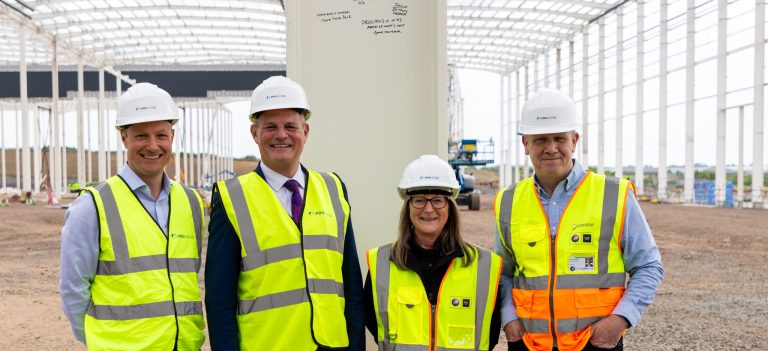
Marks & Spencer has begun construction on its new state‑of‑the‑art automated National Distribution Centre (NDC) in Northamptonshire, marking a major milestone in the company’s £340 million investment to modernise and future‑proof its food supply chain. To mark the start of the build, Michelle Elliman, from M&S Rugby store joined Kevin Bennett, CEO of Gist (M&S Food’s logistics arm), Stuart Andrew, MP for Daventry and Shadow Secretary of State for Health and Social Care and Prologis for an on-site for a steel‑signing ceremony.  The steel‑signing event recognised the start of construction on the 1.3 million sqft facility, celebrating the largest supply chain investment in M&S history and a major step toward doubling the size of the Food business. The site will significantly increase capacity, reduce long‑term cost to serve, and improve product availability for customers. Over 200 M&S Food stores will be serviced by the new DC, supporting colleagues with faster deliveries and simpler stock and fill processes, so they can spend more time with customers on the shop floor. Kevin Bennett, who leads M&S Food’s logistics arm said: “Starting the build on this site marks a major step in transforming M&S into a true destination for the weekly shop, with a modernised supply chain at the heart of that ambition. This investment will boost capacity for future growth, lower our long‑term cost to serve, and improve product availability so customers get the right products in the right place at the right time. “With construction underway, this new site strengthens our network and puts us ahead of the volume curve as we build a bigger, better food business. By deploying the latest proven automation, we’re future‑proofing our operations and UK retail logistics, while creating 1,000 permanent jobs on site.” Stuart Andrew, MP for Daventry and Shadow Secretary of State for Health and Social Care, said: “I welcome the investment by Marks & Spencer into the new distribution centre in Daventry. It was great to visit the impressive site and meet the people involved and learn about the future plans for the centre. This area has for a long time been at the heart of the UK’s logistic network and this investment shows confidence in the local people and businesses.” James Hemstock, Vice President of Capital Deployment at Prologis UK, said:“This construction milestone reflects the incredible strength of collaboration behind this project. Working closely with M&S, Gist, Winvic and West Northamptonshire Council, this project from the outset has been shaped by a shared commitment to quality, sustainability and long-term value.” The new NDC will use advanced automation to boost efficiency, accuracy and ease of restocking, including pallet cranes, high‑speed shuttles and hands‑free picking. It is designed to achieve a BREEAM Outstanding rating, with sustainability features such as recycled materials, rooftop solar, rainwater harvesting, EV charging and a dedicated vehicle maintenance unit. This investment supports M&S’ supply chain transformation, store rotation and renewal, and digital and technology plans, aiming for 420 larger Food stores and a more productive set of 180 full‑line stores by 2027/28. Building, Design & Construction Magazine | The Choice of Industry Professionals

Read More »
Getting the fundamentals right: Why early-stage discussion determines data centre success

Getting the fundamentals right: Why early-stage discussion determines data centre success

By Rob Davies, chapmanbdsp The rapid expansion of digital infrastructure has put unprecedented pressure on the delivery of data centres. As programmes shorten and power constraints intensify, projects are increasingly judged on speed to market and megawatt yield. Yet, according to Rob Davies, the industry’s greatest risks still arise long before construction begins. Due diligence, he explains, is where risk is cheapest to resolve; once a project pushes past concept delivery, every change costs both time and money. Data centres are fundamentally investment-led developments, and return on investment is directly linked to IT load and available power. This naturally encourages clients to maximise capacity wherever possible. However, that pressure often results in “max packing”, designing maximum yield before constraints are properly understood. The consequences frequently emerge later in the programme: deliverables are over-promised, designs prove unusable, yield is lost through redesign and all stakeholders expend significant fees correcting issues that could have been prevented. Naturally, decisions taken at the outset lock in cost, programme and flexibility far more than those made later, and Davies stresses that doing the work properly first time avoids costly reversals. In the current race to secure ever-greater power capacity, there is a growing temptation to accelerate these early steps to claim headline megawatts. Yet rushing the foundations of a project rarely improves returns; in practice, it often hinders ROI by forcing redesign, delaying delivery and reducing the very capacity developers were trying to maximise in the first place. Central to this is technical due diligence, which Rob Davies argues must be carried out rigorously at the very outset of a project rather than rushed through or treated as a procedural step under pressure to progress quickly into delivery. Early investigation establishes the direction of the project, informing whether a site is viable before major commitments are made. Aside from Power availability, flood risk, connectivity, environmental constraints (EIA requirements) and planning considerations all directly affect investment. Communication in these early stages prevents delays further down the line, particularly as competition for grid capacity intensifies. In an environment where speed is increasingly strategic, a site without a clear path or ‘ramping plan’ to power may never proceed regardless of design quality. Rob Davies, with his architectural background, also highlights the importance of holistic thinking during the feasibility stage. Early studies are often undertaken by a single discipline due to limited budgets, but this can create bias and downstream problems. Instead, bringing together architecture, engineering, planning and civils/site considerations from day one creates clarity for clients and investors. Looking at mechanical and electrical capabilities, site adjacencies, civils, power and planning together, rather than sequentially, enables clearer decisions and reduces redesign. Within chapmanbdsp’s integrated model, fewer handovers mean design, engineering, cost and delivery thinking remain aligned from the outset, while buildability and spatial efficiency can be assessed immediately alongside IT yield and power capabilities, the usual drivers. Rob’s architectural background shapes this approach. He focuses on translating technical constraints into clear commercial options, building strong relationships with clients and avoiding over-promising. Clients, he says, do not want drawings; they want certainty. Early conversations must therefore centre on outcomes and honest advice, even when that requires difficult discussions about achievable capacity. As demand grows and infrastructure becomes more complex, early collaboration must extend beyond consultants. Shorter programmes and constrained utilities mean the supply chain, modular manufacturers and alternative energy providers increasingly need to be engaged from the start. Phased and modular delivery strategies can accelerate deployment, while future power solutions may require new ways of thinking about grid reliance. Getting the right people involved early allows projects to move faster later. Trust plays a defining role in this highly specialised sector. Clients rely heavily on advisors because delivery is everything, and confidence is built through clarity and consistent outcomes. Under-promising and over-delivering, Rob Davies argues, remains more valuable than ambitious projections that cannot be achieved. Early-stage transparency not only supports better decisions but encourages repeat collaboration across developers, funds and operators. Rob Davies believes success is determined much earlier. Early-stage design is not simply preparation, it establishes whether a project works at all. As data centre demand accelerates and infrastructure pressures grow, competitive advantage will come less from how quickly facilities are built and more from how intelligently they begin. Building, Design & Construction Magazine | The Choice of Industry Professionals

Read More »
West London hyperscale data centre approved in £1bn digital infrastructure boost

West London hyperscale data centre approved in £1bn digital infrastructure boost

Pure Data Centres and SEGRO have secured planning approval for a major hyperscale data centre development at Premier Park in west London, representing a £1 billion investment into the capital’s growing digital infrastructure sector. The scheme was approved by the Old Oak and Park Royal Development Corporation planning committee and will transform a redundant warehouse site into a state of the art, liquid cooled facility designed to support increasing demand for AI ready infrastructure and high capacity computing. Designed by Scott Brownrigg, the three storey development will provide 72MW of power capacity across 22,365 sq m of floorspace. The facility will include nine data halls, office accommodation, storage areas, plant space and a secure entrance pavilion, alongside a dedicated substation to power the site. Construction is expected to commence in 2026, with the project being delivered through a joint venture between Pure Data Centres Group and SEGRO. The building has been designed with operational efficiency at its core, using a simple linear layout to maximise IT capacity while maintaining a strong architectural presence within the surrounding industrial landscape. The scheme has also been developed with sustainability in mind, targeting BREEAM Excellent certification and EPC A rated office space. Environmental measures include photovoltaic panels, rainwater harvesting systems and the potential use of heat recovery technology to improve energy performance and reduce operational impact. The approval further strengthens Park Royal’s position as a key industrial, logistics and technology hub in west London, as demand for advanced digital infrastructure continues to accelerate across the UK market. Building, Design & Construction Magazine | The Choice of Industry Professionals

Read More »
Castleforge and Galaxy Data Centers to expand £500m Redhill campus near London, serving growing demand for low-carbon capacity

Castleforge and Galaxy Data Centers to expand £500m Redhill campus near London, serving growing demand for low-carbon capacity

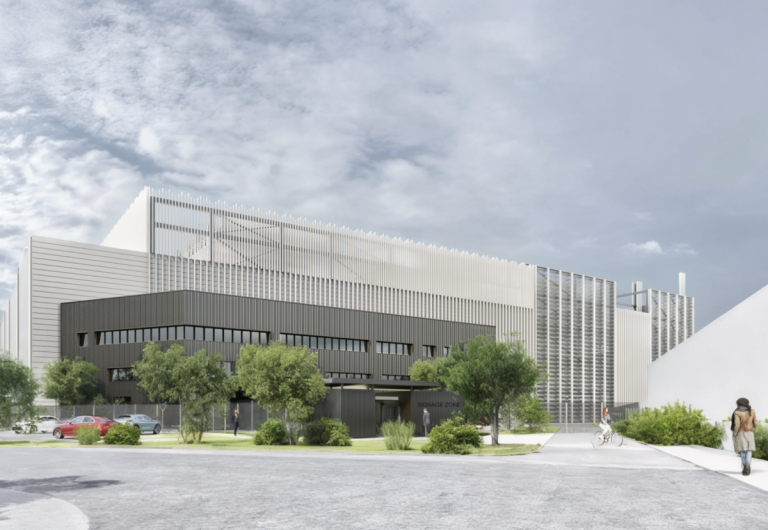
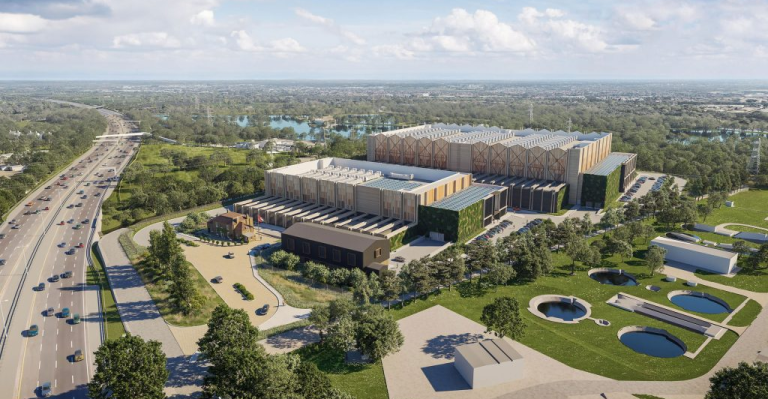
Real estate investor Castleforge, in partnership with full-service data centre operator and advisory firm Galaxy Data Centers, today announces that full planning consent has been granted for a new 15MW data centre development at its Redhill campus.             Located just outside of London, the new development will include four data halls and support a local waste heat recovery initiative.  Following approval from Reigate & Banstead Borough Council’s Planning Committee, the consented project marks a significant step forward in the joint venture’s plans to expand digital infrastructure capacity in the London market, following the partnership’s £100 million-plus investment in the existing Redhill Data Centre campus in December 2024. The scaling of the campus will see a follow-on £200m investment into the campus with a gross project value of around £500m.  Situated on the existing 3.1-hectare industrial estate at Foxboro Business Park, the consented project comprises a single two-storey data centre with four data halls and an accompanying office block.   The development has been designed to achieve a ‘Very Good’ BREEAM rating and incorporates a range of low and zero carbon technologies. Waste heat generated by the facility will be reused on site, and the design enables future export of waste heat to the neighbouring residential heat network, supporting the wider community’s transition to lower carbon energy.  The expansion follows surging demand for digital infrastructure across the London market, driven by advancements in AI, cloud computing and hybrid workloads. Demand for data continues to significantly outstrip current levels of power supply, with the difficulty of constructing new data centres around major metropolitan areas making established hubs increasingly attractive prospects for investment.  Mike Adcock, Head of Investments at Castleforge, said: “Securing planning consent for our new development at Redhill is a major milestone in our plans to deliver high-quality, sustainable digital infrastructure to one of the world’s most important data centre markets.   “Demand for capacity in and around London continues to outpace supply, and this consent enables us to bring forward the additional power and scale required to serve enterprise, hyperscale and edge customers. We are particularly proud of the project’s sustainability credentials, including the potential to export waste heat to local homes, which reflects our commitment to creating places that deliver lasting value for both customers and the surrounding community.”  Paul Leong, Chief Financial Officer and Partner of Galaxy Data Centers, said: “This planning consent is a pivotal step in realising the long-term vision we set out when we acquired Redhill alongside Castleforge.  “The new facility will significantly expand the capacity available to our customers and ensure Redhill is positioned to meet the evolving needs of edge, hyperscale and enterprise users. We are proud to be delivering a development that combines operational excellence with meaningful sustainability outcomes, and we look forward to bringing the project forward in close collaboration with the local community.”  The Redhill campus currently spans 11,800 square metres across three buildings serving a dynamic existing customer base, including Fortune 500 enterprises across financial services, AI and other sectors. Customers are drawn to the site’s secured green energy, low-latency connectivity to data centre hubs including Slough and the Docklands, and scalable infrastructure.  London remains the largest and most dominant data centre market in Europe, and the second largest globally after Northern Virginia. According to CBRE, the European data centre market continues to demonstrate strong year-on-year growth, with significant development activity across Frankfurt, London, Amsterdam and Paris.  With planning consent now secured, Castleforge and Galaxy will move forward with the next phase of development, with further milestones to be announced in due course. Building, Design & Construction Magazine | The Choice of Industry Professionals

Read More »
AstraZeneca secures green light for major Cambridge conference and office hub

AstraZeneca secures green light for major Cambridge conference and office hub

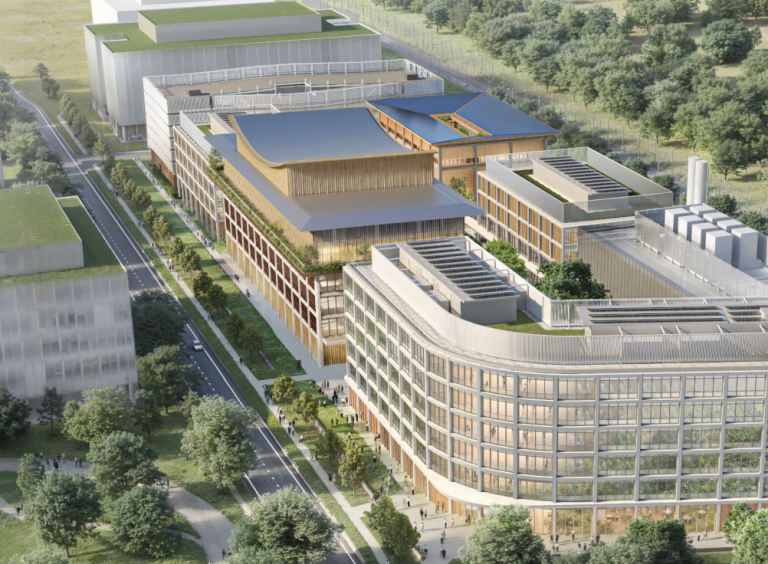
AstraZeneca has received planning approval for a significant new office and conference building at the Cambridge Biomedical Campus, marking the latest phase in the continued expansion of one of Europe’s leading life sciences clusters. Designed by Jestico + Whiles, the six-storey development will deliver the 12,000 sq m of high-quality floorspace, including offices for more than 700 staff. The scheme also incorporates a 200-person conference centre, a 450-seat auditorium and a 110-cover restaurant, creating a flexible environment geared towards collaboration, events and knowledge sharing. The building will be located on Francis Crick Avenue, positioned just south of AstraZeneca’s landmark headquarters designed by Herzog & de Meuron, which was shortlisted for the Stirling Prize. The project forms part of a wider masterplan for the campus, with Herzog & de Meuron acting as masterplan and design architect, supported by landscape architect Gillespies. The scheme is intended to support AstraZeneca’s long-term strategy of consolidating its Cambridge-based operations, bringing together research, commercial and partner teams within a single, integrated campus environment. By enhancing connectivity between disciplines, the development aims to strengthen innovation and collaboration across the organisation. A multidisciplinary consultant team has been assembled to deliver the project, including Ramboll on civils, structures, MEP and transport, Bidwells on planning, MFS on façades and The Fire Surgery on fire engineering. The site, spanning approximately 2.2 hectares, is currently used as a temporary car park and construction support area for the neighbouring Rosalind Franklin building, designed by Hawkins\Brown and being delivered by Mace. The new development will sit around 150 metres from the forthcoming Cambridge South station, further enhancing accessibility to the campus. While earlier outline consent for a commercial building on the site formed part of a wider application submitted in 2010, the approval had lapsed in 2021. As a result, AstraZeneca brought forward the current proposals as a standalone application, while still adhering to the overarching principles of the original masterplan. The project represents a further investment in high-specification, research-led commercial space, reinforcing Cambridge’s position as a global hub for life sciences and innovation-led development. Building, Design & Construction Magazine | The Choice of Industry Professionals
Read More »