Robert Hairstans on the UK government inquiry into the use of RAAC
Professor Robert Hairstans, of Edinburgh Napier University who is also the Director of the Centre for Advance Timber Technology at NMITE said: “The current crisis regarding a form of concrete known…
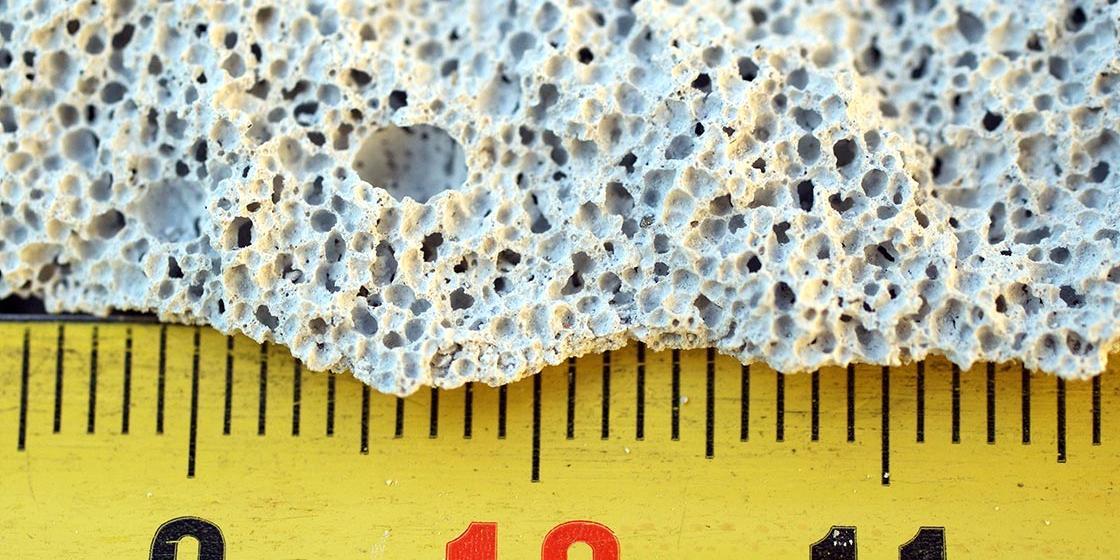
Professor Robert Hairstans, of Edinburgh Napier University who is also the Director of the Centre for Advance Timber Technology at NMITE said: “The current crisis regarding a form of concrete known as RAAC, highlights a failure within the construction sector, in terms of poor specification of materials, leading to safety risks.
“It is concerning that RAAC, which has a lifespan of about 30 years and is prone to collapse when exposed to water, has been commonly used in low-rise structures with flat roofs. Even if the product isn’t for the roof, water can still get in and cause problems. The carbon impact of RAAC should also have been considered more thoroughly. Despite using less concrete, its short lifespan of 30 years contributes significantly to environmental impact.
“In comparison, timber as a construction material offers longevity, durability and can capture carbon in the built environment for centuries – as evidenced by a vast array of buildings constructed generations ago that are still around today. If properly designed and constructed, timber buildings have low embodied energy and carbon emissions which, when combined with proper insulation for optimal operational performance, can achieve net-zero emissions.”