Nick Child
Preparing Your Roof for Hurricane Season: A Checklist for Homeowners

Preparing Your Roof for Hurricane Season: A Checklist for Homeowners

As hurricane season approaches, homeowners must take proactive steps to safeguard their property, especially their roofs. Partnering with a reputable Austin residential roofing company will help to assess and address any potential vulnerabilities. Hurricanes can unleash torrential rains, powerful winds, and flying debris, posing significant risks to the roof. This

Read More »
Practical Tips In Making Your Warehouse Safer

Practical Tips In Making Your Warehouse Safer

With the warehouse being a risk-inherent environment, it is a warehouse manager’s primary role to ensure that their operation does not cause injury to any of the staff working there. They must also take care to provide protection for those visiting the warehouse, whether this means drivers, temporary staff or

Read More »
The Role of Technology in Reducing Construction Site Injuries

The Role of Technology in Reducing Construction Site Injuries

The construction industry is a hazardous area of work. In fact, almost 170,000 construction workers were injured or fell ill in 2022. With such a high-risk factor, it’s clear that preventing injuries and increasing safety measures is an important task for construction site supervisors. Construction workers often face dangers from

Read More »
What Is Pipe Beveling and Why Is It Used?

What Is Pipe Beveling and Why Is It Used?

Working in construction, manufacturing, pipeline installation and similar industries may require you to rely on the process of pipe beveling. If, however, you are new in these industries, chances are that you may not be sure why using this technique is so important. Furthermore, you may not exactly understand it

Read More »
Your Comprehensive Guide to SEMI S2 Conformance

Your Comprehensive Guide to SEMI S2 Conformance

The semiconductor industry is one of the most advanced sectors in the U.S. and worldwide. As this industry grows, semiconductor jobs are also seeing an upward trend.  Safety and quality work are top priorities in the semiconductor sector. This is why a framework that ensures conformance is crucial. A SEMI

Read More »
Building a Carport: Should You Go DIY or Hire a Pro?

Building a Carport: Should You Go DIY or Hire a Pro?

Building a carport can be a practical solution for protecting your vehicle from the elements, but deciding whether to tackle the project yourself or hire a professional can be challenging. While taking the DIY route might save you money and allow for customization, it also demands time, tools, and a

Read More »
Latest Issue
Issue 335 : Dec 2025

Nick Child

The Cedar Fence Advantage: Why It's the Top Choice for Natural Beauty and Durability

The Cedar Fence Advantage: Why It’s the Top Choice for Natural Beauty and Durability

When it comes to fencing your property, choosing the right material is a decision that can significantly impact your home’s aesthetics, security, and value. With various options available, from vinyl vs wood fence choices to more modern materials, it can be challenging to determine the best fit for your needs. However, one material has consistently stood the test of time, offering a unique blend of natural beauty, durability, and versatility: cedar. In this article, we delve into the numerous advantages of cedar fencing, explaining why it’s a top choice for homeowners seeking both elegance and longevity for their property boundaries. The Aesthetic Appeal of Cedar Cedar’s inherent beauty is one of its most captivating qualities. Its warm, reddish-brown tones and distinctive grain patterns create a visually appealing and inviting ambiance. Whether you prefer a classic picket fence, a privacy fence, or a rustic split-rail design, cedar’s natural charm enhances any architectural style, adding a touch of elegance to your property. Cedar’s versatility extends beyond its natural beauty. It can be stained or painted to match your existing color scheme, allowing you to create a cohesive and personalized look for your home. For those who prefer a more rustic aesthetic, cedar can be left to weather naturally, developing a silvery-gray patina over time that adds character and charm. Durability and Longevity Cedar is naturally resistant to decay, rot, and insect infestations, thanks to its high concentration of natural oils and tannins. These properties act as a natural preservative, protecting the wood from moisture damage and deterring pests like termites and carpenter ants. This inherent resistance makes cedar an excellent choice for outdoor applications, ensuring your fence remains sturdy and attractive for many years. While the initial cost of cedar fencing might be slightly higher than some alternatives, its longevity makes it a cost-effective investment in the long run. With proper maintenance, a cedar fence can last for decades, outperforming many other materials that may require frequent repairs or replacements. This translates to significant savings over time, making cedar a wise choice for budget-conscious homeowners. Cedar’s natural resilience extends to its ability to withstand harsh weather conditions. It can endure extreme temperatures, heavy rain, and even snow without warping, cracking, or deteriorating. This makes it a reliable choice for fences in various climates, from the humid south to the frigid north. Environmental Considerations For environmentally conscious homeowners, cedar is an attractive option. It’s a sustainable and renewable resource, harvested from responsibly managed forests. Unlike vinyl or other synthetic materials, cedar is biodegradable, reducing its environmental impact at the end of its lifespan. Cedar is a non-toxic material, making it a safe choice for families with children and pets. Unlike pressure-treated wood, which may contain harmful chemicals, cedar is naturally safe and doesn’t pose any health risks. Cedar Fence Installation and Maintenance While some homeowners may consider DIY cedar fence installation, it’s often best to leave this task to professionals. Proper installation is crucial for ensuring the fence’s longevity and structural integrity. An experienced fence company can ensure that your cedar fence is installed correctly, meeting all local building codes and regulations. To maximize the lifespan of your cedar fence, regular maintenance is essential. This includes cleaning the fence to remove dirt and debris, applying a sealant or stain to protect it from the elements, and checking for any signs of damage that may need repair. Choosing the Right Cedar for Your Fence When selecting cedar for your fence, you’ll typically encounter two main options: Western Red Cedar and Northern White Cedar. Both offer excellent durability and natural beauty, but they have subtle differences. Western Red Cedar is known for its rich reddish-brown color and aromatic scent, while Northern White Cedar is lighter in color and has a finer grain. The choice between the two often comes down to personal preference and the desired aesthetic. Cedar is available in various grades and cuts, each with its own characteristics and price point. Clear grades are free of knots and imperfections, offering a more refined look, while knotty grades have a more rustic appearance. Cuts can range from standard pickets to decorative lattice panels. Consulting with a fence company can help you select the right grade and cut to suit your style and budget. Comparing Cedar to Other Fencing Options When deciding on a fence material, homeowners often weigh the pros and cons of cedar versus vinyl. While vinyl offers low maintenance and a wide array of colors and styles, it lacks the natural beauty and warmth of cedar. If you’re looking for that authentic look, Cedar Rustic might be a good place to start your search. Vinyl can also be susceptible to fading, cracking, and warping over time, especially in extreme weather conditions. Cedar, on the other hand, ages gracefully, developing a rich patina that adds to its character. Another common comparison is between cedar and pressure-treated wood. While pressure-treated wood is more affordable, it often contains chemicals that can be harmful to the environment and potentially pose health risks to humans and pets. Cedar, with its natural resistance to decay and insects, offers a safer and more eco-friendly alternative. The Cost of Cedar Fencing The cost of a cedar fence can vary depending on several factors, including the type of cedar used, the fence’s design and height, the complexity of the installation, and the geographic location. While cedar may be slightly more expensive upfront than some other materials, its durability and longevity can result in significant cost savings over time due to reduced maintenance and replacement costs. To get an accurate estimate of the cost of a cedar fence for your property, it’s advisable to obtain quotes from multiple reputable fence companies. This allows you to compare prices, services, and materials to find the best value for your investment. Conclusion The cedar fence advantage is undeniable. Its natural beauty, durability, and environmental friendliness make it a superior choice for discerning homeowners. Whether you seek a classic picket fence, a privacy fence, or

Read More »
Preparing Your Roof for Hurricane Season: A Checklist for Homeowners

Preparing Your Roof for Hurricane Season: A Checklist for Homeowners

As hurricane season approaches, homeowners must take proactive steps to safeguard their property, especially their roofs. Partnering with a reputable Austin residential roofing company will help to assess and address any potential vulnerabilities. Hurricanes can unleash torrential rains, powerful winds, and flying debris, posing significant risks to the roof. This comprehensive checklist provides homeowners with a step-by-step guide to prepare their roofs for the upcoming storms, reducing the likelihood of damage and ensuring peace of mind throughout the hurricane season. Understanding the Threat: How Hurricanes Damage Roofs Before we delve into the comprehensive preparation checklist, it’s imperative to understand the mechanisms by which hurricanes can inflict severe damage on your roof. The primary culprit is wind damage. Hurricane-force winds can easily lift and tear off shingles, compromise flashing, and in extreme cases, even cause structural damage to the underlying roof deck. In addition to wind, water damage is a significant concern. The torrential downpours that accompany hurricanes can quickly overwhelm gutters and downspouts, leading to water infiltration and leaks. Prolonged exposure to moisture can wreak havoc on your roof, causing rot, mold growth, and even compromising the structural integrity of your home. Moreover, the impact damage from flying debris cannot be underestimated. Branches, roof tiles, and other airborne objects can act as projectiles, puncturing your roof and creating entry points for water, exacerbating the damage caused by wind and rain. The Pre-Hurricane Season Roof Checklist Professional Roof Inspection The first and most important step is to schedule a professional roof inspection. A qualified roofing contractor can assess the overall condition of your roof, identify any existing damage or vulnerabilities, and recommend necessary repairs or reinforcements. This proactive approach can save you significant time and money in the long run by addressing minor issues before they escalate into major problems during a hurricane. Trim Trees and Overhanging Branches Trim any tree branches that hang over your roof. These can break off during high winds and cause significant damage. Even smaller branches can become projectiles, potentially puncturing your roof or gutters. Remember, regular tree maintenance throughout the year is key to preventing such issues. Clear Gutters and Downspouts Clogged gutters and downspouts are a recipe for disaster during a hurricane. When they’re filled with debris, rainwater can’t drain properly, leading to overflow and potential water damage to your roof and the foundation of your home. Make sure your gutters are clean and clear of leaves, twigs, and other debris, and ensure that downspouts are directed away from your house. Secure Loose Shingles Inspect your roof for loose, cracked, or missing shingles. These are weak points that can easily be exploited by wind and rain. If you find any loose shingles, secure them with roofing cement or nails. If you’re not comfortable working on your roof, a professional roofing contractor can handle this task for you. Reinforce Roof Deck and Trusses If your roof is older or showing signs of wear and tear, consider reinforcing the roof deck and trusses. The roof deck is the layer of wood or plywood that forms the base of your roof, while trusses are the triangular structures that support the roof’s weight. Reinforcing these components involves adding additional bracing or strengthening existing supports. This can significantly improve the roof’s structural integrity and its ability to withstand the uplift forces generated by hurricane winds. If you’re unsure whether your roof needs reinforcement, consult a structural engineer or a qualified roofing contractor for an assessment. Check and Repair Flashing Flashing refers to the metal strips that seal the joints and valleys of your roof, preventing water from seeping into your home. These areas are particularly vulnerable to leaks, as they are exposed to the elements and can be damaged by wind, rain, or temperature fluctuations. Before hurricane season, inspect the flashing for any signs of damage, such as cracks, rust, or gaps. If you find any issues, repair or replace the damaged flashing promptly. Ignoring damaged flashing can lead to costly water damage inside your home. Seal Roof Penetrations Your roof is not a solid, impenetrable surface. It has various penetrations, such as vents, chimneys, and skylights, that are necessary for ventilation, heating, and natural light. However, these penetrations can also be weak points in your roof’s defense against water intrusion. Before hurricane season, inspect the seals around all roof penetrations to ensure they are intact and watertight. Apply new sealant as needed to prevent leaks. If you notice any signs of damage or deterioration around these areas, consult a professional roofer for repairs. Install Hurricane Straps or Clips Hurricane straps or clips are metal fasteners that can safeguard your roof during a storm. These devices connect your roof to the walls of your house, providing additional resistance to the powerful uplift forces generated by hurricane winds. If your home is located in a hurricane-prone region, it’s strongly recommended to have a professional install hurricane straps or clips for enhanced protection. These straps or clips act as a secondary line of defense, helping to prevent your roof from being lifted off during a storm. Consider Impact-Resistant Roofing Materials If you’re planning a roof replacement or new construction, it’s worth considering impact-resistant roofing materials. These materials, such as Class 4 impact-resistant shingles, are specifically designed to withstand the impact of hail and other debris that can be hurled at your roof during a hurricane. While they may be a bit more expensive upfront, the long-term benefits of reduced damage and potential insurance savings can make them a worthwhile investment. Review Your Homeowners Insurance Policy Make sure your homeowners insurance policy provides adequate coverage for hurricane damage. Understand your deductible and any exclusions or limitations that may apply. Consider adding flood insurance if you live in a flood-prone area, as most standard homeowners policies do not cover flood damage. Post-Hurricane Roof Checklist Ongoing Roof Maintenance Remember that preparing your roof for hurricane season is not a one-and-done task. Regular roof maintenance is needed to ensure its longevity and resilience. This

Read More »
Practical Tips In Making Your Warehouse Safer

Practical Tips In Making Your Warehouse Safer

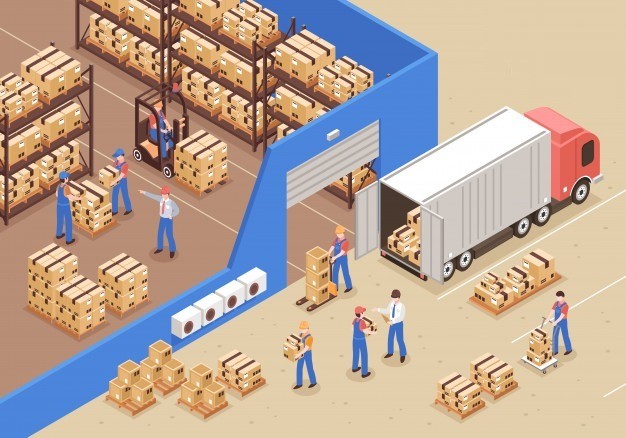
With the warehouse being a risk-inherent environment, it is a warehouse manager’s primary role to ensure that their operation does not cause injury to any of the staff working there. They must also take care to provide protection for those visiting the warehouse, whether this means drivers, temporary staff or maintenance personnel.  There are some practical tips that we can provide to assist with making the warehouse environment safer. From leveraging technology to getting the basics right, you can ensure that your warehouse is a safe place for visitors, and staff alike.  Cleaning and organisation The first step in ensuring a warehouse is safe for those using it is to clear away any cluttered aisles that could pose a slip trip or fall risk. Regular inspection should be undertaken to ensure that there are no slip hazards and that debris has not made its way into pathways. Also, take a look at whether there is any damaged flooring, and signpost this accordingly. In addition to walkways, ensure your stocking processes are safe and within their height limits. It is vital to keep shelves manageable, prevent overloading and make sure that the heaviest items are stored low to prevent damage when falling. In addition, clearly signposted walkways should be used to ensure that bottlenecks are not created, wherever possible. Leverage technology There are many innovative systems that allow a warehouse to operate more safely. Automated dock levellers, and other loading bay solutions such as blindspot alarms and early warning systems can ensure that employee safety is prioritised at all times. Equipment safety As per health and safety law, all your staff should be trained to use their equipment safely. In addition, anyone undertaking manual handling activities must receive specific training in how to lift safely. Assuming this is done, it is also vital to take a look at how safe the equipment in your warehouse is. Regular inspections, encouraging staff reporting protocols for faults and keeping records of any maintenance activities will help you keep track of what needs to be repaired or replaced and when. Store equipment carefully and out of the way, wherever possible. Establish an end-of-day procedure for how equipment should be left at the end of the working day. Fire safety It can be difficult to ensure that all fire exits are left clear in a busy warehouse environment, but this must be done. All signs pointing to emergency exits should be removed, and regular fire drills should be undertaken to ensure staff know what to do in an emergency. Ensure your extinguishers and fire alarms are tested and maintained properly. You should also provide training to your staff on how to use these. If you still have flammable materials, you should have protocols in place to ensure their safety and provide PPE to staff where appropriate if they are handling, chemicals such as these. Create a culture that thrives on safety In a busy warehouse environment, people can often just get on with a job without highlighting any small problems. This is not a culture for the safest of warehouses. Employees should always be encouraged to report any safety issues, and there should be no problem with them doing so. Involve your employees in creating safety procedures, and they are much more likely to adhere to them. It may even be an idea to provide recognition and rewards for those who come up with innovative safety ideas. Hopefully, these practical tips on how to make your warehouse safer will give you some idea of how to ensure your warehouse operates productively and safely, no matter how busy it is.

Read More »
Which type of industrial door is best for your workplace?

Which type of industrial door is best for your workplace?

When it comes to the type of doors that are used in an industrial setting, the one thing that you will notice is that they are very different to those that you might see in a commercial or even a domestic setting. These are doors that are typically much stronger and larger. This is because they are a necessary part of the protection that you need when it comes to keeping the contents of a warehouse full of goods and components safe. This type of door is also designed to be opened and closed quickly and efficiently. That way, it can facilitate the movement of staff and goods. There are many different types of industrial door that you can choose from for your workplace. However, this can make it quite hard to find the right ones. Let’s take a look at the main types of industrial doors and their characteristics. The benefits of an industrial door Made from high quality materials such as steel and aluminium, industrial doors are designed to offer extra protection and security to your business. They are easy to clean and maintain. This reduces the workload of your staff. They are also useful when it comes to regulating the environment within your workplace, protecting against insects and dust and also helping to maintain temperature levels. For this reason, they are also quick to open and close. The latter also makes it more efficient for both people and vehicles to enter and exit your premises. Types of industrial doors When choosing your industrial door you need to take into account the placement of the doors, the size of the door you need, the operating mechanism you would prefer and how the door will open. ·   Industrial roller doors – With a thick metal construction this type of door offers great security and also protects against inclement weather, and the intrusion of pests and dust. They are a popular choice for a range of businesses. Plus, because they slide upwards rather than outwards, they are a  good option for those premises where space is limited. They come with both automatic and manual capabilities. ·   High speed doors – If you want to save both time and space then this type of door is invaluable. They are, as the name suggests, much faster to operate than other types of doors. This is useful in areas of high traffic, where they can help save money on energy bills by keeping your temperatures regulated. ·   Industrial sectional doors – This type of door opens upwards rather than outwards which means they are a practical choice for areas with limited space. Plus, because they slide completely up to the ceiling they are very much out of the way. They can have solid slats or feature some see-through panels depending on your requirements. As a large and heavy style of door they offer good insulation and a barrier against pests and dust. ·   Fire sliding doors –  Workplace fire safety is of huge importance, and this means ensuring that you have fire evacuation routes, clear signage and measures in place that can help to slow the spread of fire. Fire doors will help you with the latter. Their robust construction and tight seals help to hold smoke and flames back, allowing employees to get to safety in the event of a fire. It is important to ensure that any fire sliding doors you purchase comply with all of the government regulations. When it comes to purchasing industrial doors for your workplace it is essential to look for a company with a good reputation. They will not only offer good quality industrial doors that have been tried and tested but will also help you to select the best options for your workspace.

Read More »
The Role of Technology in Reducing Construction Site Injuries

The Role of Technology in Reducing Construction Site Injuries

The construction industry is a hazardous area of work. In fact, almost 170,000 construction workers were injured or fell ill in 2022. With such a high-risk factor, it’s clear that preventing injuries and increasing safety measures is an important task for construction site supervisors. Construction workers often face dangers from falls, heavy machinery, and environmental hazards. Dealing with these dangers is tough, but with new technologies, it becomes just a tad easier. So, what are the main technologies construction companies can use to prevent injuries and create a safer workplace? From telemedicine and wearable devices to real-time monitoring and more, we’ll tell you all about them in this blog. Let’s get started. The current landscape of construction site injuries The construction industry is the most dangerous area of work with the most worker deaths occurring annually. This doesn’t only result in human loss but also puts huge financial burdens on companies due to compensation claims, downtime, and reputational damage. Ultimately, creating a safer environment where injuries are minimized gives a purely positive outcome. The 4 most common hazards, often called the “Fatal Four” are falling, being struck by an object, getting caught in or in-between something, and electrocution. When looking at the current situation on construction sites, there is a positive shift towards safer workplaces thanks to the technologies we will discuss next. Key technologies reducing construction site injuries Advancements in technology have opened new frontiers for construction site safety, to say the least. We’ve identified 4 main technologies that are making the most significant strides in reducing injuries and creating safer work environments for workers on construction sites. On-site and telehealth medicine solutions Firstly, let’s talk about a technology that revolutionizes injury management. Essentially, on-site and telehealth prevent injuries from becoming serious issues, saving lives and helping employees get back to work quicker. These technologies make immediate medical care available on construction sites. While this doesn’t prevent injuries, it prevents its consequences. Additionally, it gives workers the peace of mind that they will be taken care of. Let’s talk about the 2 available solutions: With healthcare facilities available on the job site, injuries can be addressed almost immediately, and first aid can be administered with the proper documentation. This way, the severity of injuries is minimized, and your construction site stays compliant with OSHA and other regulations. If a construction site is in a remote location, telehealth solutions can be a great alternative to on-site medical trailers. They allow your workers to get in touch with certified physicians through text, phone, and video calls to get diagnosed and treated in cases of injuries. With a solution like this implemented across your construction site, you skip the need for costly and time-consuming trips to hospitals. As a result, you can give your workers faster intervention and recovery. Real-time monitoring and data analysis One of the biggest advancements in construction site safety technology has been the use of real-time monitoring tools and data analysis features. Thanks to these technologies, you get 24/7 oversight of your work environment, which helps you identify risks before they become the cause of accidents. With high-definition cameras and drones around your facilities, you can perform aerial inspections and keep an eye on hard-to-reach and dangerous areas. This means your worker will no longer need to unnecessarily climb scaffolding or enter confined spaces. Site supervisors can see real-time footage and be able to address any hazards before they lead to negative consequences. Predicting hazards is now a possibility with data analysis tools that use machine learning. Based on past accidents and environmental conditions, you can find out about dangerous activities or changes. At the end of the day, this gives a more proactive approach to risk management, ultimately preventing possible injuries. The combination of real-time monitoring and data analysis helps your site supervisors get better situational awareness and makes your company preventive when it comes to workplace safety. Wearable tech for monitoring safety Real-time data can be gathered not only about environmental factors but also the health and location of your workers. This sort of wearable technology is becoming more and more popular in the construction industry because of its immense value. With smart helmets, vests, and watches that monitor vital metrics, you can detect many dangerous conditions and prevent possible injuries. Wearable tech can track the heart rates, temperatures, and fatigue levels of your workers. This information is measured and if they come close to symptoms of exhaustion or overheating, your site supervisors will get an alert. For sites with extreme weather conditions that pose a risk of heatstroke or dehydration to your workers, this tech can come in extremely handy. Devices made specifically for construction site safety can notify supervisors if a worker falls or is in distress. This way, medical intervention can be done faster, preventing serious injuries from becoming worse or even fatal. Such injuries may go untreated for long periods, but wearables ensure that medical attention is provided whenever necessary. If your workers are in hazardous zones, their GPS-enabled wearables can help you track them and prevent them from getting in harm’s way. Internet of Things (IoT) and Smart Sensors IoT has major applications in many spheres, including construction safety. It can connect devices and systems, track site conditions, and even monitor equipment performance. All of this contributes to reducing injuries in the workplace. From air quality and noise levels to temperature, IoT-powered sensors can monitor the conditions on your construction site and let both your workers and supervisors know when they get to extreme levels. For example, such sensors can identify gas leaks or heat waves that workers should evacuate from. Ultimately, these tools give your workers a head start for taking preventive measures. As a precaution, you can attach smart sensors to your heavy machinery and detect wear and tear or malfunctions before they lead to accidents. These technologies let you do predictive maintenance and minimize the risk of machine-related injuries. With these sensors, you can identify whenever your

Read More »
How to Pest-Proof Your Home During Florida’s Rainy Season in Jacksonville

How to Pest-Proof Your Home During Florida’s Rainy Season in Jacksonville

Florida, renowned for its sunny beaches and tropical weather, also offers a distinct rainy season, especially in Jacksonville. While these downpours can bring a refreshing change from the heat, they also create ideal conditions for pests to thrive and infiltrate homes. As a homeowner, it’s crucial to take proactive measures to ensure your residence remains a sanctuary free from unwanted intruders. Here’s a comprehensive guide on how to pest-proof your home during Jacksonville’s rainy season. The Pest Problem in Florida’s Rainy Season The rainy season in Florida typically spans from May through October. The increased humidity and standing water sources create perfect breeding grounds for various pests, including mosquitoes, ants, cockroaches, and termites.  Additionally, heavy rains can drive pests indoors in search of shelter from flooding, thereby raising the risk of infestation. Given these challenges, many homeowners opt to hire an exterminator in Jacksonville who specializes in local pests and can provide targeted solutions. However, along with professional help, there are several DIY strategies you can implement to protect your home. Seal Entry Points Pests can slip through the smallest of openings, so it’s crucial to seal all potential entry points. Examine the exterior of your home for cracks in the foundation, gaps around windows and doors, and breaches in screens. Use weather stripping for doors and caulking for windows to seal gaps. Don’t forget attics and basements, as these are common entry points for rodents and insects. Additionally, consider installing door sweeps and repairing any damaged screens. Taking these steps not only helps to keep pests out but also improves your home’s energy efficiency. Eliminate Standing Water Standing water is a breeding ground for mosquitoes and other insects. During the rainy season, monitor your property for areas where water collects, such as clogged gutters, flower pots, and low-lying spots in your yard. Make sure to regularly empty or treat these areas to prevent mosquito larvae from breeding. Additionally, ensure that drainage systems are functioning properly and that water is directed away from your home’s foundation to avoid creating damp conditions that attract pests. Maintain a Tidy Yard Keeping your yard clean and well-maintained is an essential part of pest-proofing your home. Overgrown vegetation, piles of leaves, and unkempt lawns provide ideal habitats for pests. Regularly mow the lawn, trim bushes and trees, and remove any debris or clutter. If you have firewood, it should be stored at least 20 feet from your house to prevent termites and other pests from using it as a bridge to your home. Also, consider using pest-repellent plants like lavender or marigolds, which can naturally deter insects. Safeguard Food Sources Pests often invade homes in search of food. To deter them, store food in airtight containers and regularly clean your kitchen and dining areas. Promptly dispose of garbage in sealed bins and ensure that pet food is not left out overnight. In addition, check for any leaks under sinks or around appliances as moisture can attract pests. Regularly clean behind and under appliances to remove crumbs and residues. Consider Professional Pest Control Services Despite all preventive measures, some pest problems require professional intervention. If you’re facing a persistent or severe infestation, it might be time to call a professional. When you hire an exterminator in Jacksonville, they can provide tailored strategies for long-term pest management based on your specific situation and the local pest population. Exterminators have access to professional-grade pesticides and tools that are more effective than over-the-counter solutions. Furthermore, they can conduct regular inspections of your property to identify potential vulnerabilities and address them before they become significant problems. Conclusion Pest-proofing your home during Jacksonville’s rainy season involves a combination of vigilance, maintenance, and professional assistance. By sealing entry points, eliminating standing water, maintaining your yard, safeguarding food sources, and considering professional pest control, you can significantly reduce the risk of pest infestations. Taking these steps will not only protect your home but also ensure a comfortable living environment regardless of the weather outside.

Read More »
Homeowner Headaches You Need to Try to Avoid As Much As Possible

Homeowner Headaches You Need to Try to Avoid As Much As Possible

As a homeowner, there are so many things that you need to think about getting right when you are trying to make the right changes to improve your situation. Becoming a homeowner is one of the most satisfying things you can do, but there are plenty of headaches and pitfalls you might experience as a homeowner, and this is something that you need to work on as much as possible. There are so many elements that you need to make the most of when making your life easier as a homeowner, and this is something that you need to consider when it comes to trying to improve your property. There are a multitude of homeowner headaches that you might encounter, and being able to deal with these issues as effectively as possible is really important. These are some of the key ideas and options that will help you improve this, and it is vital to take steps to understand the issues you face and how to deal with them.  Leaking Roof A leaking roof is one of the key things that you need to make sure you can keep on top as a homeowner, and this is essential to deal with effectively. There are a lot of things that play a role in helping you to make your property better, and ensuring you deal with a leaking roof in the most effective way you can is super important. This can be very damaging to your property, and might create additional issues if not dealt with effectively, and this is something that you need to try to make the most of as much as possible. There are so many elements that play a part in this, and you have to think about some of the leading elements that help when it comes to dealing with and fixing a leaking roof.  Plumbing Issues Plumbing issues can be catastrophic to your property long-term, and this is something that you need to ensure you make the most of in order to look after your home better. It is important to think about some of the leading ideas that are going to play a part in allowing you to assess and improve this. Being able to come up with some of the leading ideas that you are going to help you make this process better, and this is something that plays a huge part in making this process better. Plumbing issues are serious, and they need to be dealt with as soon as possible, and this is something that plays a key role in being able to make the most of this moving forward.   Foundations Slipping One of the biggest ways of being able to improve your home is essential, and this means protecting and looking after it as much as you can too. There are so many different ideas that will help you focus on this process, and keeping an eye on the foundations is one of the most important ways of achieving this. If you have trees next to your home, they can suck the moisture from the foundations and cause slippage. This can lead to all kinds of long-term issues and problems, so you need to try to deal with this process as effectively as possible.  Dealing With a Listed Building Listed buildings often look wonderful and aesthetically impressive, but they can be a nightmare when it comes to dealing with maintenance and upkeep because there are certain rules that prevent you from being able to do particular things. This is why you need to be able to secure listed building insurance as one of the best ways of being able to protect your property, and this can help you moving forward. It is vital to do the best you can to make this process better for you, and to maintain and improve your listed building as much as possible moving forward.  Flood Prevention Flooding is one of the biggest problems that a lot of homeowners face in their lives, and this is something that you need to try to focus on. Flood damage can cause a lot of long-term problems for your home, not to mention resulting in a lot of outlay in terms of cost. This is why you need to be able to use the right flood prevention tips in order to help you understand some of the best options that play a role in this. It is important to think about some of the leading ideas that are going to help you work towards defending against the risk of flood damage, and this is something it is important to make the most of. Bin Day Bin day is something that you need to become familiar with, and it will be the same day every week (often the same time too). There are so many factors that play a part in making this work for you, and it is important to think about some of the leading ideas that can help you stay on top of this. You need to be able to make sure you put rubbish into the relevant bins, depending on what you have to work with. For some people, this comes in the form of general waste, recycling, garden waste, food waste, and more. Staying on top of bin day, and making sure you put the right rubbish and packaging in the right bins is an important part of being able to make this process improve in the right way. These are just some of the key ways in which you can improve and address homeowner headaches, and this is something that plays a part. It is vital to make sure you think about the homeowner headaches you are likely to face, and this is something that you have to work on getting right as much as possible. If you can stay on top of these issues, and deal with them in the right way, this is something that can help to improve your

Read More »
What Is Pipe Beveling and Why Is It Used?

What Is Pipe Beveling and Why Is It Used?

Working in construction, manufacturing, pipeline installation and similar industries may require you to rely on the process of pipe beveling. If, however, you are new in these industries, chances are that you may not be sure why using this technique is so important. Furthermore, you may not exactly understand it completely. Well, it is time to change that. So, what we are going to do in this article is explain the process of pipe beveling, shedding light on what it entails, as well as discuss the purposes of using it. This way, you will get a clearer understanding of the process, and figure out why using it is the right move. Thus, if you want to have great quality pipes that you want to use for a long time to come, then you certainly have to learn about this particular process and get a clearer idea about it. Read about beveling here: https://www.allaboutpiping.com/what-is-beveling/ What Exactly Is Pipe Beveling? Let us begin with the basics, and explain what pipe beveling is in the first place. In short, it refers to the process of grinding or cutting the end of the pipe with the purpose of forming a particular angle. That angle is actually known as a bevel, as opposed to a straight or flat cut. Now, the bevel can vary in degree, which depends on the specific requirements of the actual job. And, while there are some common degrees that are used most often, the great thing is that the bevels can be completely customized in order to fit your specific needs. Another thing to know is that beveling is mostly done on metal pipes. But, this is not exactly a rule set in stone, meaning that you may be able to use it for other materials as well, including concrete and plastic. Of course, which materials you will use depends on the specific application of the pipes, as I am guessing you understand already. When it comes to how this process goes, there are several techniques you can use. For one thing, there is manual beveling, which consists of using hand tools for the job. Then, there is flame cutting, machining, as well as CNC pipe beveling, all of which includes different types of tools, from flame torches to CNC machines, and even some portable beveling machines. Which technique you will use depends on your specific requirements Why Is It Used? Now that we have made this process clear, and you get what it entails, there is another question you have on your mind. In the simplest words possible, you are wondering what it is that pipe beveling is actually used for. So, let me, therefore, list some of the reasons why this particular technique is used, aiming at helping you determine if you want to use it in your manufacturing or construction process. Click this to get the process even further explained. First things first, beveling will improve the quality of the welds, and that is actually one of the main reasons why people do this. The beveled edge provides for a larger surface for the weld to bond to, which will ultimately result in a stronger joint. As you may have guessed it, this is especially important in those industries in which the integrity of the weld is absolutely critical, such as in pipelines that transport chemicals, oil, or gas. In any case, if you want to do great quality welding, beveling is the first step towards it. There is another reason why welding is improved by the process of beveling. Basically, it helps enhance the fit and the alignment, because the angled edges are bound to fit together better than flat cuts, for example. This will reduce the risk of misalignment, which will further lower the chances of leaks and joint failures. As I’ve explained already, welding is the most common reason for beveling pipes. But, it is certainly not the only one. After all, there are other joining methods you can use for the pipes, such as mechanical coupling, as well as adhesive bonding. So, once again, the bevel will help ensure a secure connection and a tight fit, which is definitely what you want. Now, here is something that may not have crossed your mind, but that is definitely highly important. In the simplest words possible, this process can enhance safety. How come? Well, pipe beveling leads to smooth edges, and smooth edges are far less likely to cause injuries during the process of installation, or simply while carrying and handling the pipes. What’s more, since the integrity of the pipes will be improved with this process, the welds are less likely to fail, which further reduces the risk of accidents in pipelines, as well as other structural applications. Sure, you want the pipes to be perfectly welded, and their integrity to be preserved in all settings, all applications and all conditions. Then, you also want them to be safe to handle, so as to reduce the risk of accidents and injury during installation. But, there is absolutely no doubt that you want them to be highly durable and long-lasting as well. And, that is exactly where beveling comes into play, as beveled pipes tend to be much more durable than those with straight cuts. So, longevity is guaranteed with this particular process. Finally, there is another thing you need to know when wondering why this process is done in the first place. Basically, a lot of industries have rather strict standards when it comes to the procedure of joining pipes. Meaning, thus, that beveling may be a requirement in many industries. Thus, if you want to be in compliance with the industry standards, you should certainly take this procedure seriously and use it to your advantage, in order to adhere to the safety and performance rules and regulations.

Read More »
Your Comprehensive Guide to SEMI S2 Conformance

Your Comprehensive Guide to SEMI S2 Conformance

The semiconductor industry is one of the most advanced sectors in the U.S. and worldwide. As this industry grows, semiconductor jobs are also seeing an upward trend.  Safety and quality work are top priorities in the semiconductor sector. This is why a framework that ensures conformance is crucial. A SEMI S2 safety assessment documents conformance or non-conformance. The assessment is based on the SEMI S2 standard, which stipulates safety guidelines.  Achieving SEMI S2 conformance is not always easy. It requires a thorough understanding of what the standard requires and a full commitment to implementing the necessary safety measures.  What Is SEMI S2? A SEMI S2 evaluation is a document that sets out guidelines for environmental, safety, and health considerations. The overall guideline is performance-based, allowing manufacturers to use the latest technologies. The technologies should provide the type of (or better) performance than required.  Requirements of SEMI S2 SEMI S2 encompasses several safety aspects, including the following: Benefits of SEMI S2 Conformance Adhering to SEMI S2 regulations provides several benefits. For example, following SEMI S2 guidelines means manufacturers can dramatically reduce the risk of accidents and injuries in the workplace. Safe and reliable equipment leads to less downtime, resulting in increased productivity. Also, the costs quickly add up when equipment breaks or accidents happen. By preventing these issues in the first place, manufacturers can save money on repairs and replacements.  Local regulations regularly refer to SEMI S2, so manufacturers must comply. Those who do will enjoy an improved reputation, likely attracting more customers.  Achieving SEMI S2 Conformance The first step to achieving SEMI S2 conformance is a safety assessment. Evaluate your equipment and processes against SEMI S2 requirements. This way, you can easily spot areas of non-compliance and implement corrective measures.  You must also draw up a safety plan. This plan should detail your approach to achieving SEMI S2 conformance and include all goals and timelines. You can add individual responsibilities and resource allocation as well.  Implement the safety measures required to address non-compliance. This could mean modifying your equipment, updating existing procedures, or obtaining additional training.  All design, operation, and maintenance employees should receive full training on SEMI S2 requirements and safety procedures.  Your conformance efforts will not stop here. You must conduct regular inspections and audits to confirm SEMI S2 compliance.  Safety is not a one-off process. It is crucial to evaluate your safety practices and take advantage of all opportunities for improvement.  SEMI S2 Conformance Considerations Implementing several SEMI S2 safety measures may be costly. However, the improved safety and reduced downtime make up for this. SEMI S2 is also a complex standard, so it is advisable to consult experts first.  You may encounter resistance from your employees, especially if the SEMI S2 conformance process means changes in how they perform their tasks. For this reason, involving them in the process is crucial while emphasizing the importance of safety.  SEMI S2 Conformance is Essential for the Workplace You must work with a third-party assessor qualified to evaluate your equipment against SEMI S2 standards. You will receive a detailed report detailing shortcomings. When you make the necessary improvements and receive a conformance certificate, you must comply with regular inspections and safety protocol updates.  SEMI S2 conformance is a non-negotiable aspect of semiconductor manufacturing. It will ensure the safety of your workers, equipment reliability, and industry-standard compliance. Although conforming to these standards may not be easy, following the above guidelines can ensure a safer manufacturing environment.  Sources

Read More »
Building a Carport: Should You Go DIY or Hire a Pro?

Building a Carport: Should You Go DIY or Hire a Pro?

Building a carport can be a practical solution for protecting your vehicle from the elements, but deciding whether to tackle the project yourself or hire a professional can be challenging. While taking the DIY route might save you money and allow for customization, it also demands time, tools, and a certain level of expertise.  On the other hand, hiring a professional ensures a high-quality build with less effort on your part, but it comes with a higher price tag. Understanding the pros and cons of each approach is essential before making your decision. DIY Carport Construction Choosing to build your own carport offers several benefits, particularly if you’re looking to cut costs and enjoy the hands-on experience. Here are some key points to consider: However, there are challenges that come with the DIY route: Hiring a Professional Hiring a professional to build your carport is an option that comes with distinct advantages, particularly for those who prefer a hassle-free experience. Here’s what to consider: However, there are some considerations to keep in mind when hiring a professional: Cost Comparison When deciding between DIY construction and hiring a professional, cost is a significant factor. Building a carport yourself generally involves lower upfront expenses.  You can source materials at your discretion, potentially opting for cost-effective options, and you eliminate labor costs entirely. However, it’s important to consider potential hidden costs in a DIY project, such as the need to purchase specialized tools or correct mistakes. In contrast, hiring a professional involves higher initial costs due to labor fees and possibly more expensive materials. However, this approach may save money in the long run. A professionally built carport is likely to be more durable and require less maintenance, reducing future repair costs.  Factors to Consider in Your Decision When deciding between DIY and hiring a professional to build your carport, several key factors should guide your choice: When deciding whether to build a carport yourself or hire a professional, it’s crucial to weigh the pros and cons based on your specific circumstances.  DIY construction offers cost savings and design flexibility but requires time, skill, and careful planning. Hiring a professional ensures a high-quality build with less effort on your part, though it comes at a higher cost.  Consider your abilities, available time, project complexity, budget, and local regulations to make the best choice for your situation. Ultimately, the decision should align with your priorities and the level of investment you’re willing to make.

Read More »