Kenneth Booth
Transforming construction with advanced roofing diagnostics

Transforming construction with advanced roofing diagnostics

In the construction industry, advanced roofing diagnostics are becoming essential. New technologies are changing how roofing issues are identified and fixed. Staying updated with these advancements is crucial for maintaining a competitive edge. Advanced roofing diagnostics are reshaping traditional practices in the construction sector with modern solutions. As buildings become

Read More »
Housing approvals crash to six-year low

Housing approvals crash to six-year low

Planning approvals for housing fell for a fourth consecutive year in 2025 to their lowest level since 2019, according to construction analysts Barbour ABI. The figures sharpen the challenge for housing secretary Steve Reed, whose ‘Build, Baby, Build’ drive and the Government’s pledge to deliver 1.5 million homes is being

Read More »
Proteus Waterproofing shortlisted in three categories for 2026 LRWA Awards

Proteus Waterproofing shortlisted in three categories for 2026 LRWA Awards

Proteus Waterproofing has been shortlisted as a Finalist in three major categories at this year’s Liquid Roofing and Waterproofing Association (LRWA) Awards, reinforcing its growing influence and technical leadership within the UK liquid waterproofing market. The LRWA Awards recognise excellence, best practice and innovation across the liquid roofing and waterproofing

Read More »
2025 Grand Gala Award Winners

Considerate Constructors Scheme Unveils 2025 Grand Gala Award Winners

Considerate Constructors Scheme (CCS) proudly celebrated the industry’s leading innovators at its annual Awards Gala on Friday evening at the Natural History Museum, recognising 16 Rising Stars and 12 major category winners who raise the bar for responsible, innovative and inclusive construction. From climate champions to community heroes, this year’s

Read More »
Marina Village partnership agreed to support new homes in Barrow

Marina Village partnership agreed to support new homes in Barrow

A significant milestone has been reached for Marina Village in Barrow, as plans progress to create a new neighbourhood with hundreds of new homes.  Westmorland and Furness Council has appointed Muse Places, supported by supply chain partners through the ECF partnership, as its strategic development partner for Marina Village, which

Read More »
OP partners with Techspace to deliver newest St. Andrew Street location

OP partners with Techspace to deliver newest St. Andrew Street location

Leading office refurbishment specialist, OP, has completed the transformation of a 1970s office building into Techspace’s newest flexible workspace at 9-13 St. Andrew Street, London.  The 16-week project has converted 16,800 sq ft of previously vacant office space into a contemporary flexible workspace environment, accommodating 274 workstations across the basement,

Read More »
Vistry and Citizen partner to build 60 affordable family homes in Oldbury

Vistry and Citizen partner to build 60 affordable family homes in Oldbury

Vistry, the UK’s leading provider of mixed-tenure homes, has joined forces with housing association Citizen, to deliver 60 much-needed affordable family homes in Oldbury, marking a significant step forward in addressing local housing needs. The development, located on Titford Road, will transform a previously vacant site into a vibrant new

Read More »
Latest Issue
Issue 338 : Mar 2026

Kenneth Booth

Transforming construction with advanced roofing diagnostics

Transforming construction with advanced roofing diagnostics

In the construction industry, advanced roofing diagnostics are becoming essential. New technologies are changing how roofing issues are identified and fixed. Staying updated with these advancements is crucial for maintaining a competitive edge. Advanced roofing diagnostics are reshaping traditional practices in the construction sector with modern solutions. As buildings become more complex, the need for precise and efficient diagnostic methods grows. Innovations like thermal imaging and drone surveys have made these diagnostics more accessible and effective. By embracing these advancements, you can enhance accuracy and streamline operations across various projects. Companies like NWIR are at the forefront of these innovations, offering cutting-edge solutions for the industry. Technologies driving roofing diagnostic advancements Thermal imaging has revolutionised roofing diagnostics by providing non-invasive methods to detect moisture and insulation issues. This technology allows you to identify hidden problems without dismantling parts of a structure. By analysing temperature variations on roof surfaces, contractors can pinpoint potential leaks or insulation failures with precision. The ability to see beneath the surface without physical disruption significantly improves both speed and accuracy. Drone surveys offer another leap forward in roofing diagnostics, allowing for comprehensive aerial inspections that were previously challenging. With drones, you can capture high-resolution images and videos, offering a complete view of the roofing area. This method saves time and reduces safety risks associated with manual inspections. By combining drone imagery with data analytics, you gain insights into structural integrity and potential problem areas that might otherwise go unnoticed. Moisture meters and infrared sensors complement thermal imaging by providing detailed readings of water infiltration and humidity levels within roofing systems. These handheld devices enable you to conduct targeted investigations in specific areas flagged by broader diagnostic scans. When combined with digital reporting systems, the data collected can be stored and analysed over time to track deterioration patterns and predict maintenance needs. This layered approach to diagnostics ensures that no potential issue escapes detection, allowing for comprehensive roof health assessments that support long-term asset management strategies. Benefits of advanced diagnostics in construction Integrating advanced roofing diagnostics into construction projects brings numerous advantages. Primarily, these technologies lead to significant cost savings by reducing the need for extensive manual labour and minimising material wastage. Identifying issues early through precise diagnostics helps you avoid expensive repairs later. Additionally, the efficiency gained through technology can lead to shorter project timelines, benefiting both contractors and clients. Moreover, advanced diagnostics enhance decision-making by providing detailed data that informs strategic planning and resource allocation. When you leverage these insights effectively, project managers can better anticipate needs and adjust schedules accordingly. This proactive approach fosters a more efficient workflow, enabling you to deliver higher quality outcomes while maintaining budgets and deadlines. Environmental sustainability is another significant benefit of implementing advanced roofing diagnostics in modern construction. By accurately identifying problem areas and enabling targeted repairs, you reduce material waste and minimise the environmental impact of unnecessary replacement projects. These technologies also help optimise energy efficiency by detecting insulation deficiencies and thermal bridging that contribute to heat loss. As building regulations increasingly emphasise environmental performance, the ability to document and improve a structure’s thermal envelope through precise diagnostics becomes invaluable for meeting compliance standards and achieving green building certifications. Real-world applications and future trends The practical implementation of advanced roofing diagnostics has shown impressive results in various construction projects. Large-scale commercial developments have benefited from reduced overheads and improved project delivery times by employing these technologies early in the planning phase. This not only mitigates risks but also boosts client satisfaction by ensuring timely completion. The future of roofing diagnostics is promising, with potential innovations set to further transform construction practices. Emerging technologies like AI-driven analytics promise to enhance data interpretation, offering predictive insights that help anticipate future challenges. You may soon find AI integrated into diagnostic tools to automatically assess risks and recommend preventive measures. Staying informed about these developments will be crucial for maintaining a competitive edge in the construction industry.

Read More »
Housing approvals crash to six-year low

Housing approvals crash to six-year low

Planning approvals for housing fell for a fourth consecutive year in 2025 to their lowest level since 2019, according to construction analysts Barbour ABI. The figures sharpen the challenge for housing secretary Steve Reed, whose ‘Build, Baby, Build’ drive and the Government’s pledge to deliver 1.5 million homes is being tested by a weakening housing pipeline. Residential planning approval value ended 2025 at £35.5bn, down 13% on 2021 and 25% below 2019, even though the wider construction market is up around 20% versus pre-COVID. Fewer approvals today mean fewer sites starting in the months ahead, slowing new supply, keeping upward pressure on prices and rents, and pushing the 1.5 million homes target further out of reach. “Last year, Steve Reed called on the industry to build, baby, build, but we’re yet to see any reaction,” said Ed Griffiths, head of business and client analysis at Barbour ABI. “The approvals pipeline for new homes has shrunk to its weakest since 2019, while money and momentum have shifted to energy infrastructure. “We don’t expect to see new housing spend to return to 2022 levels until 2027 and unless we see planning approvals recovering and contract awards broadening beyond a few large schemes, the 1.5 million homes target is looking increasingly impossible.” Contract awards, a key indicator of market health and future workload that signal the move from planning to delivery, remain broadly flat in housing. The value of residential awards edged up 4% in 2025 but has hovered around £22bn for three years. It’s a similar picture on applications. With no answer to current viability issues, residential remains stagnant increasing only 5% in overall application value with a 13% drop in the number of applications. By contrast, the rest of construction is performing. Overall planning approval value across all sectors rose 22% last year to £112bn, even as the number of approvals fell. Infrastructure is a particular highlight, as planning application value improved 45%, and planning approval value jumped 108% in 2025, powered by government-backed energy investment. Seven of the eight infrastructure projects approved in 2025 above £1bn were in the energy sector. Last year also saw growth across most regions, driven by high value transport and utility orders and urban regeneration in cities like Leeds and Manchester. Despite ongoing challenges like high costs and planning delays there are signs that private investors are committing to signing off on new contracts. But how quickly these can translate to activity on the ground in 2026 remains to be seen Building, Design & Construction Magazine | The Choice of Industry Professionals

Read More »
Proteus Waterproofing shortlisted in three categories for 2026 LRWA Awards

Proteus Waterproofing shortlisted in three categories for 2026 LRWA Awards

Proteus Waterproofing has been shortlisted as a Finalist in three major categories at this year’s Liquid Roofing and Waterproofing Association (LRWA) Awards, reinforcing its growing influence and technical leadership within the UK liquid waterproofing market. The LRWA Awards recognise excellence, best practice and innovation across the liquid roofing and waterproofing sector. Being shortlisted across multiple categories highlights Proteus Waterproofing’s ability to deliver consistently high-performing solutions across a diverse range of applications, environments and project complexities. Each shortlisted scheme also demonstrates the company’s commitment to robust system design, technical assurance and collaborative working. From large-scale commercial roofing at M&S Putney, to demanding buried Blue Roof System at Welbourne and the technically sensitive waterproofing of public realm water features at Jubilee Park Fountains, these projects highlight the versatility and reliability of Proteus liquid waterproofing systems. “We are absolutely delighted to be shortlisted in three categories at this year’s LRWA Awards.,” said Justin Pitman, Sales Director at Proteus Waterproofing. These projects reflect the strength of our systems, the quality of our technical support and, most importantly, the trusted partnerships we have with Proteus Approved Contractors who share our commitment to getting waterproofing right.” The shortlisting also reflects the company’s wider impact on the liquid waterproofing market. Proteus continues to invest heavily in product development, technical guidance and installer support, helping specifiers and contractors achieve durable, compliant and long-lasting waterproofing solutions for clients. Winners of the LRWA Awards will be announced later this year. The 3 shortlisted projects, delivered in collaboration with trusted contractor partners, are: (MAIN PICTURE) Marks & Spencer (M&S) Putney, with APA Roofing & WaterproofingLiquid Roofing Project of the Year – over 1000m² For more information about Proteus Waterproofing visit www.proteuswaterproofing.co.uk Building, Design & Construction Magazine | The Choice of Industry Professionals

Read More »
Nationwide Platforms donates almost £10,000 to charities and community causes in 2025

Nationwide Platforms donates almost £10,000 to charities and community causes in 2025

Nationwide Platforms has donated almost £10,000 to charitable causes and local community initiatives over the past year, continuing its commitment to supporting colleagues, families, and communities across the UK. The UK’s leading powered access provider donated a total of £9,785 during 2025, supporting 25 charitable causes and 10 local club sponsorships. Of the total donated, £6,811 was given to national and local charities, with a further £2,974 supporting grassroots sports clubs and youth organisations. Causes supported ranged from cancer and dementia charities to food banks, Christmas raffles, and disability support initiatives. The single largest donation of £2,075 was made to a JustGiving page set up by colleague Jason Butlin, Business Development Manager for the Midlands region, to help fund a specialist purple wheelchair for his daughter Isabelle, who lives with quadriplegic cerebral palsy. Alongside colleague-led fundraising, Nationwide Platforms supported a number of high-profile charities throughout the year, including Macmillan Cancer Support, Alzheimer’s Society, Action Bladder Cancer UK, and The British Heart Foundation. Charitable giving was further driven by physical challenges undertaken by employees in aid of causes close to their hearts. These included a 26-mile Peak District Mighty Hike completed by Matthew Barnett, Marketing and Communications Specialist, in support of Macmillan Cancer Support; a 100-mile walk across Lady Anne’s Way by Blackburn-based Depot Support Operative Ollie Smith and his partner Heather to raise funds for Action Bladder Cancer UK and Pancreatic Cancer UK; and Ann-Marie Pease’s climb of Mount Kilimanjaro, which began on 2 January in support of Alzheimer’s Society. Local community support also formed a significant part of the 2025 donations. Nationwide Platforms sponsored seven junior football clubs, one local sporting club, a Muay Thai gym, and a youth club, helping to fund club kits, facility set-up costs, and travel expenses to ensure young people from lower-income backgrounds could access opportunities otherwise out of reach, including international sporting travel to the USA. Reflecting on the year’s giving, Nationwide Platforms said the donations highlight the power of colleague-led initiatives and the importance of supporting causes rooted in local communities. “Our people are at the heart of everything we do, and that extends far beyond the workplace,” said Karen Maguire, HR Director at Nationwide Platforms. “Whether it’s supporting a colleague’s family, backing life-saving research, or helping local clubs keep going, these donations reflect the compassion and generosity that exists across Nationwide Platforms.” Nationwide Platforms will continue to support colleague-nominated charities and community initiatives into 2026, building on a year that has seen hundreds of lives positively impacted through collective action. For more information about Nationwide Platforms, visit:https://www.nationwideplatforms.co.uk/en-gb Building, Design & Construction Magazine | The Choice of Industry Professionals

Read More »
How Workforce Wellbeing Strategies Are Influencing Retention Across UK Construction Firms

How Workforce Wellbeing Strategies Are Influencing Retention Across UK Construction Firms

Retention has become one of the defining challenges for UK construction firms in 2026. Long project cycles, skills shortages, and an ageing workforce are colliding with rising expectations from employees who want more than a competitive payslip. In this environment, simply paying more is rarely enough to keep people on site or in the office. What’s changing is how firms think about value. Wellbeing, once treated as a “nice to have”, is now being folded into core business strategy. Contractors and developers are discovering that the right mix of support, flexibility, and trust can be just as powerful as financial incentives when it comes to loyalty. Retention Pressures Across Construction The labour market remains tight, particularly for experienced trades and technical professionals. Projects are becoming more complex, while the pipeline of new entrants struggles to keep pace. When skilled workers leave, the cost isn’t limited to recruitment fees; productivity dips, knowledge walks out the door, and programmes are disrupted. Many firms have realised that churn is often linked to burnout rather than pay alone. Long hours, unpredictable schedules, and time away from family all take their toll. Against that backdrop, wellbeing has shifted from a peripheral HR concern to a frontline retention tool. Broadening Definitions Of Wellbeing Wellbeing strategies in construction are no longer confined to physical safety or occasional toolbox talks. They now extend into mental health support, flexible working arrangements, and a more open approach to how people balance work with life beyond the job. That broader definition reflects changing attitudes to autonomy. Employees increasingly expect employers to respect how they manage their own time and leisure, whether that’s choosing when to work remotely or how they unwind digitally. From fitness apps to online entertainment options like non GamStop online casinos, flexibility and self-directed leisure are increasingly becoming the norm. Workers value control over how they switch off and employers are beginning to respect and recognise that. Within construction, this mindset has encouraged firms to offer benefits menus rather than one-size-fits-all packages. Support might include access to counselling, adjusted start times, or additional leave during quieter periods. The common thread is trust, and that trust can be a powerful retention lever. Impacts On Productivity And Loyalty The business case for wellbeing is becoming harder to ignore. A growing body of industry reporting shows that firms investing in structured programmes are seeing tangible returns. It was found that 71% of UK construction employees found employee benefit schemes such as gym memberships appealing. Retention is only part of the story. Morale and productivity tend to rise when people feel supported rather than stretched to breaking point. Higher satisfaction often translates into fewer absences and more consistent performance on site. In fact, it’s thought that employers can expect to see up to a 20% increase in productivity if they offer employees effective wellbeing programmes. There’s also the benefit of lower turnover across sectors, including construction. For project-led businesses, even marginal gains in consistency can have an outsized impact on delivery. What This Means For Employers For employers, the message is clear: wellbeing is no longer a soft issue. It sits alongside safety, quality, and programme certainty as a driver of competitiveness. Firms that embed wellbeing into everyday operations are better placed to attract scarce skills and keep them engaged over the long term. That doesn’t mean copying generic perks from other industries. Construction has its own rhythms and pressures, so effective strategies tend to be practical and grounded. Clear communication around workloads, genuine flexibility where roles allow, and visible leadership commitment often matter more than flashy benefits. There’s also a reputational dimension. As clients and partners place greater emphasis on social value, how a company treats its workforce increasingly shapes how it’s perceived. Wellbeing initiatives can therefore support bids and frameworks, not just internal culture. Ultimately, retention in UK construction is being reshaped by a simple idea: people stay where they feel valued. Pay will always matter, but in a crowded labour market, it’s the everyday experience of work that often makes the difference. For firms willing to invest thoughtfully, wellbeing is proving to be less about cost and more about long-term resilience.

Read More »
2025 Grand Gala Award Winners

Considerate Constructors Scheme Unveils 2025 Grand Gala Award Winners

Considerate Constructors Scheme (CCS) proudly celebrated the industry’s leading innovators at its annual Awards Gala on Friday evening at the Natural History Museum, recognising 16 Rising Stars and 12 major category winners who raise the bar for responsible, innovative and inclusive construction. From climate champions to community heroes, this year’s winners prove that construction isn’t just about building structures, it’s about building a better future. Highlights from the Winners’ Circle Community Engagement Award (sponsored by Male Allies UK) – Gallaway Construction Gallaway Construction is turning construction into a catalyst for change. Through its Construction for Women programme, the company has empowered over 400 girls and women with hands-on skills and mentoring, while raising tens of thousands for local causes. A true example of how construction can be a force for good. Climate Champion – General Demolition General Demolition is rewriting the demolition playbook with bold circular strategies, recycling hundreds of tonnes of materials and slashing carbon emissions. From Northampton to London, their work sets a new standard for sustainability. Employer of the Year (sponsored by the National Federation of Builders) – John Sisk & Son With leadership programmes, apprenticeships and inclusion initiatives, John Sisk & Son is shaping a workplace where people thrive. Over 3,000 young people supported – proving that the future of construction starts with investing in talent today. Social Value Leader – Christina Nichols, John Sisk & Son Christina Nichols has delivered measurable impact: 3,600+ hours of career support and £54.6 million spent with local supply chains. Her work ensures construction leaves a lasting positive mark. Considerate Client – Marks & Spencer For 18 years, M&S has championed safety, sustainability and respect for communities, influencing contractors and setting the gold standard for client leadership. Supplier Recognition – O’Neil & Brennan (ONB) ONB’s seamless logistics and proactive problem-solving make them an indispensable partner, elevating every project they touch. Excellence in Construction (Large) – McLaughlin & Harvey From carbon monitoring to mental health support, McLaughlin & Harvey delivers excellence on every front. Excellence in Construction (Small) – Harmonix Construction Ltd Harmonix combines community engagement, environmental responsibility and workforce wellbeing – building with care and integrity. Legacy Award – Pevensey Bay Coastal Defence Two decades of protecting communities and managing coastal flood risks across 18,000 properties – a legacy of resilience. Innovation of the Year – Curo Construction AI meets safety: Curo’s real-time monitoring system sets a new benchmark for tech-driven site safety. Icon Award (sponsored by Building a Safer Future) – Luke Hands, Ardmore Group A mental health champion reshaping how construction cares for its people. Rising Stars 16 Rising Stars were celebrated, showcasing the next generation of leaders driving the future of construction: Matthew Barnes (VolkerHighways), Joel Blanchflower (Laing O’Rourke), Liam Cater (Ardmore Group), Nicol High (Octavius), Daniel Hilton (Kier Transportation), Liam Jackson (McLaughlin & Harvey), Megan McDonald (KPH Deconstruction Services), Chris O’Hagan (McLaughlin & Harvey), David Okorhi (Knight Build Limited), Kate Parsons (Kier Transportation), James Preston (McLaren Construction), Kit Robinson (Kier Transportation), Megan Smith (McLaughlin & Harvey), Cian Webb (Clegg Construction), Katie Webster (Kier Construction), Abigail Wilkinson (Sir Robert McAlpine). Champion of Construction (sponsored by Construction Industry Council) – Colin Robinson With 50 years of service, Colin Robinson, Senior Site Manager at GRAHAM Group, has demonstrated leadership and compassion that have transformed lives – from saving a colleague to creating safer spaces for children. Desiree Blamey, Managing Director for Considerate Constructors Scheme, said: “The winners represent the very best of our industry, proving that construction can be innovative, inclusive and a powerful force for good. Their achievements set a standard that inspires us all to build responsibly and leave a lasting positive impact.” The event was supported by our sponsors, with Build Warranty as headline sponsor and Mates in Mind as the evening’s charity partner. Building, Design & Construction Magazine | The Choice of Industry Professionals

Read More »
Signify’s solar hybrid lighting brings new energy and increased safety to Edinburgh’s parks

Signify’s solar hybrid lighting brings new energy and increased safety to Edinburgh’s parks

Signify (Euronext: LIGHT), the world leader in lighting, has partnered with the City of Edinburgh Council to install a hybrid solar connected lighting system in several of the city’s parks, creating safer, more welcoming spaces while advancing Edinburgh’s sustainability goals. The new technology is already lighting pathways in Baronscourt Park, Hailes Quarry Park, and Ferniehill, with an off-grid solar solution now in place in Dundas.  The project includes a mix of installing lighting in parks where the installation was limited and upgrading the existing lighting where the parks were insufficiently lit. Solar hybrid luminaires draw on solar energy when sufficient sunlight is available and switch seamlessly to grid power in low-light conditions, ensuring reliable light levels throughout the year. The lights are equipped with motion sensors that inform the system to deliver the right level of light at the right time. This intelligent solution reduces energy consumption and avoids unnecessary light output, helping to protect the area’s rich natural environment. The illuminated pathways enhance security for pedestrians and cyclists, encouraging greater use of the park during evening hours and fostering stronger community engagement. The improved lighting supports more active lifestyles and social interaction, turning these parks into vibrant community spaces during the evening. “Working with Signify on the Baronscourt Park project, has been transformative for our city,” said Councillor Margaret Graham, Culture and Communities Convener at the City of Edinburgh Council. “The innovative solar-powered lighting system has not only enhanced safety for park users during evening hours but also aligns perfectly with our sustainability and climate goals. By reducing grid energy consumption by 53% and minimizing ecological disruption, this project sets a new benchmark for environmentally sensitive urban development. I’m also pleased that the technology has been rolled out in three other parks, namely Ferniehill, Hailes Quarry and Dundas.   She added, “The community response has been overwhelmingly positive, and we’re proud to lead the way with a solution that balances safety, sustainability, and innovation. This collaboration demonstrates how technology and environmental responsibility can go hand in hand to benefit both people and nature. This initiative sets a new standard for sustainable and connected public lighting systems. I’m proud that Edinburgh has taken the lead here as the first UK city to implement such a scheme.” In partnership with distribution specialist Street Lighting Supplies, the Council and Signify deployed SunStay Gen2 Hybrid solar luminaires, equipped with outdoor multisensors and connected through Interact City, Signify’s advanced lighting management platform. The system operates at 20% light levels when paths are empty and brightens automatically when people approach. This approach balances energy efficiency, safety, and cost effectiveness, and provides a safer and overall more satisfactory solution than switching lights off overnight, which some cities have done to reduce energy bills. Through Interact City, managers can remotely monitor lighting performance, track real-time energy usage, and analyse pathway activity. Data-driven insights help city planners understand how people use the parks and guide future lighting decisions. Beyond safety and efficiency, the system’s smart dimming and grouping functionalities limit illumination to areas needed, minimizing disturbance to wildlife in ecologically sensitive zones and protecting biodiversity in the parks. Commenting on the project, Michelle McLaughlin, Key Account Manager, said ‘The vision for this project was rooted in environmental responsibility and community empowerment. The Council aimed to enhance safety by illuminating park pathways while minimizing reliance on grid electricity and protecting the park’s ecosystem. The solution also sought to adapt dynamically to user activity and provide actionable data for future improvements. We are proud to be a part of such a great initiative and are happy that our solutions can benefit the visitors of the parks’’ The City of Edinburgh is now building on the success of the parks project with plans to explore additional Interact City capabilities, such as integrating weather data to further optimize energy use and reduce grid dependency. Regular community feedback sessions will help ensure the system continues to meet residents’ needs while advancing Edinburgh’s progress toward net-zero. Building, Design & Construction Magazine | The Choice of Industry Professionals

Read More »
Marina Village partnership agreed to support new homes in Barrow

Marina Village partnership agreed to support new homes in Barrow

A significant milestone has been reached for Marina Village in Barrow, as plans progress to create a new neighbourhood with hundreds of new homes.  Westmorland and Furness Council has appointed Muse Places, supported by supply chain partners through the ECF partnership, as its strategic development partner for Marina Village, which will seek to provide around 1,350 new homes, a nature conservation area and new public open spaces.   Marina Village is a vital part of Barrow’s plans for the future, bringing new homes close to education, major employers and local shops and businesses, and helping strengthen perceptions of Barrow as a place to live.      Cabinet agreed today to award a pre-development services agreement to Muse Places and its supply chain partners within ECF.   Councillor Jonathan Brook, Council Leader and Cabinet Member for the Economy, said: “This scheme will play a vital role in the future success of Barrow. It is a key part of the delivery plans for Team Barrow.  “A significant amount of time, work and funding has gone into getting us to this stage. We are now very much looking forward to working with Muse and ECF on this project and together with partners and the local community, to develop the vision for this site and for it to become a thriving residential community.  ECF is a partnership between Homes England, L&G and Muse, bringing together public and private sector expertise to support long-term regeneration in towns and cities across the UK.  Sir Michael Lyons, Chair of ECF, said: “Marina Village is a significant opportunity for Barrow, and we’re pleased to be working in partnership with Westmorland and Furness Council as plans move forward.  “The appointment of a development partner marks an important step, allowing the council and its partners to start shaping how Marina Village can come to life, building on its waterfront setting and responding to the needs of the local community.  “At ECF, we take a long-term, partnership-led approach to regeneration, and we’re excited to work closely with the council and local stakeholders to help create a new neighbourhood that Barrow can be proud of.”  Councillor Judith Derbyshire, Cabinet Member for Housing and Homelessness, said: “This is a tremendously exciting moment for Marina Village. Taking this approach ensures that this important waterside area in Barrow is brought forward in the right way to create a modern, attractive and desirable place to live and is aligned with workforce needs and the wider regeneration of Barrow.   “By focusing on family homes and accommodation suitable for first-time buyers and a choice of types and tenures, we will ensure that these homes support the wider growth aspirations of Barrow’s community and wider economy.”   The council appointed Muse Places using The Developer Led Framework that Pagabo manages on behalf of Cumbria, Northumberland, Tyne and Wear NHS Trust, and has been advised in the procurement process by CBRE and DWF.   Jonathan Parker, development director at Pagabo, said: “The appointment of Muse through the Developer Led Framework demonstrates how major, complex regeneration projects like Marina Village can be progressed through a procurement process that is both simple and fully compliant. The framework that we manage is designed to give councils confidence, pace and flexibility, while maintaining transparency and best value. It’s great to see Westmorland and Furness Council able to focus on shaping the vision and outcomes for Barrow, knowing that the procurement route is robust, efficient and aligned with long-term place-making ambitions.” Cabinet had previously agreed to follow a ‘master developer’ approach to develop the Marina Village, where a single developer takes responsibility for the early planning and design work, coordination of infrastructure, and delivery of the wider plans.   This coordinated approach helps ensure consistent quality, long-term stewardship, and cohesive place-making while de-risking the process for individual developers and local authorities and agreed to start the procurement process to appoint a master developer.   With a focus on a choice of new family homes, the council’s vision for Marina Village is for it to be: “A high quality, well-designed waterfront neighbourhood set along Barrow’s active historic docks, it will offer a new, contemporary housing choice within walking distance of Barrow Town Centre. Set within a sustainable network of vibrant and natural spaces, which support well-being, active travel and a great quality of life, it will offer homes where you can set down roots. A place where heritage, nature, community and landscape connect to Barrow’s industrial future, and thrive.”   When complete, Marina Village will strengthen the council’s work with government and BAE Systems as the Team Barrow partnership, ensuring that interventions to support employment opportunities at BAE are transformational, inclusive and long-lasting for Barrow, Westmorland and Furness, and beyond.    Peter Anstiss, chief executive of Team Barrow, said: “Housing is a strategic priority in our 10-year plan for Barrow and the Marina Village is critical to the delivery of this.     “The Government’s long-term commitment to its submarine programme is driving substantial growth in the shipyard, and this in turn creates significant demand for thousands of new homes, for employees and their families.    “The appointment of Muse and ECF is great news and we look forward to working with them, as well as our partners in Westmorland and Furness Council, to deliver this vitally important housing development.”   Work is under way to remediate the second phase of 19 hectares, preparing the land for new homes, supported by £24.8 million of Brownfield, Infrastructure and Land (BIL) funding of from Homes England. Phase 1 of the development – the remediation of six hectares of land funded by £5.5 million secured from the Government’s Getting Building Fund, administered by Cumbria LEP – was completed in November 2023.    Phase two includes ground remediation and the installation of associated supporting infrastructure, including a realigned Cavendish Dock Road, as well as the diversion or protection of key utilities. The project will also relocate the council’s Salthouse Road waste depot to a temporary site.   Planning approval for phase 3, which includes remediation and realignment of Cavendish Dock Road, was granted in November and will help unlock a further 16 percent of the site, once a biodiversity net gain credit application has been approved.   A Pre-Development Agreement with Muse and ECF will commission early work to prepare Marina Village for the next

Read More »
OP partners with Techspace to deliver newest St. Andrew Street location

OP partners with Techspace to deliver newest St. Andrew Street location

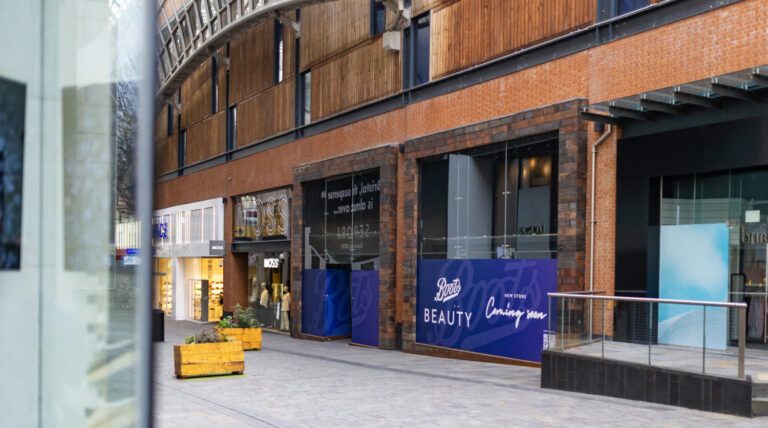
Leading office refurbishment specialist, OP, has completed the transformation of a 1970s office building into Techspace’s newest flexible workspace at 9-13 St. Andrew Street, London.  The 16-week project has converted 16,800 sq ft of previously vacant office space into a contemporary flexible workspace environment, accommodating 274 workstations across the basement, ground floor and office floors 1 to 6.  The design approach centred on implementing Techspace’s ‘Distinctly Techspace’ design language whilst celebrating the building’s original features, including warm terracotta ceiling tiles and structural elements exposed throughout the workspace.  A key design intervention involved reconfiguring the ground floor layout through the strategic removal of an oversized entrance staircase. This created space for a centrally positioned café bar with feature mesh screen backdrop, forming the social heart of the building and encouraging interaction between members.  The workspace includes a suite of five meeting rooms in the basement serving the entire building, complemented by additional meeting spaces distributed across floors and a large boardroom behind the ground floor café. Phone booths are positioned adjacent to member offices, whilst breakout areas feature mixed seating with integrated power throughout.  The project demonstrates OP’s commitment to sustainable design through extensive reuse of existing materials. All glazing was retained and repurposed, and ground floor pillars were stripped back to expose their original character.  Alannah Laud, designer at OP, said: “Our vision was to create an authentic Techspace environment that would bring their “Distinctly Techspace” design principles to life in this unique building. By carefully stripping back to reveal the building’s character, we’ve created a flexible space that feels both contemporary and rooted in place.”  Paul Sandilands, Property Director of Techspace said “We’re delighted with how OP has transformed this challenging building into a space that truly feels like Techspace. They worked collaboratively with our team throughout, adapting the design during construction to meet incoming tenant requirements.”  The project was delivered whilst accommodating incoming tenants, with layouts adapted during construction to provide flexible workspace configurations across the building. Building, Design & Construction Magazine | The Choice of Industry Professionals
Read More »
Vistry and Citizen partner to build 60 affordable family homes in Oldbury

Vistry and Citizen partner to build 60 affordable family homes in Oldbury

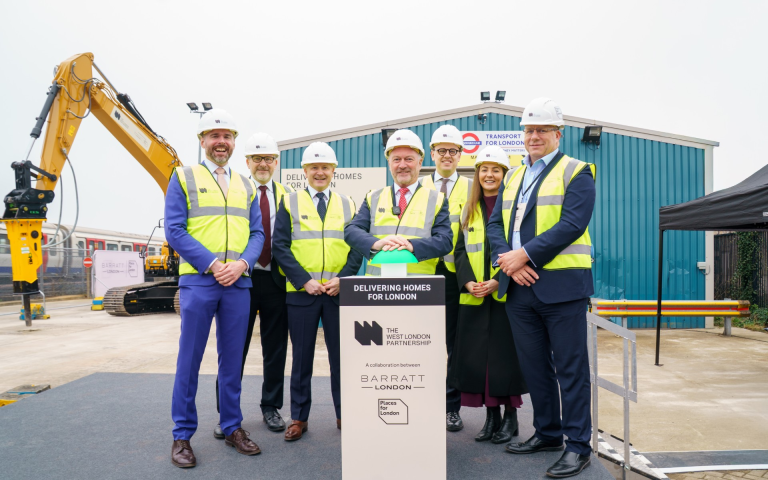
Vistry, the UK’s leading provider of mixed-tenure homes, has joined forces with housing association Citizen, to deliver 60 much-needed affordable family homes in Oldbury, marking a significant step forward in addressing local housing needs. The development, located on Titford Road, will transform a previously vacant site into a vibrant new community, offering a mix of two-, three-, and four-bedroom homes. The project is designed to provide high-quality, affordable housing for families in the area, supporting Sandwell Council’s ambitions for sustainable growth and regeneration. Michael Moore, Managing Director of Vistry North West Midlands, said: “We are thrilled to be working in partnership with Citizen on this development which will not only meet the housing needs of the community but will protect wildlife and ecology whilst bringing investment for services into the area. “We’re excited to be a part of Oldbury’s growth and to be entrusted with the build of these much-needed affordable homes which will help meet the significant housing shortage in the area and create a thriving and sustainable community.” Nick Byrne, Executive Director of Development at Citizen, said: “We’re excited to be working with Vistry on another development in the West Midlands which will provide 60 affordable homes. “Our plans for the Titford Road site will transform a vacant area and bring it back into use by building affordable homes for people on the housing lists. “We’re committed to building homes that meet the needs of our communities, and we look forward to seeing work start on this site soon.” The scheme, which received planning permission in April 2025, has been developed in line with Natural England guidance, ensuring ecological protection and enhancement. Key features include the retention and improvement of the site’s watercourse, the creation of green buffer zones with native planting, and the introduction of new public green spaces, supporting Sandwell Council’s goals for sustainable placemaking. The partnership between Vistry and Citizen is expected to bring wider economic benefits to the region, including job creation and investment in local services. Building, Design & Construction Magazine | The Choice of Industry Professionals
Read More »