


Window treatments used to come late in the process. That is changing fast. Today, they affect comfort, energy use, privacy, glare control, and the final look of a space. Because of that, developers and designers now treat them as part of the design strategy, not a final accessory.
This shift matters in both residential and commercial work. Larger glazing areas are common. Open layouts are common, too. Clean lines still matter, but performance matters more than before. A space must look sharp and work well all day.
That is where current window treatment trends become important. The strongest options now do more than cover glass. They help shape how a room feels, functions, and ages.
Performance Now Sits Next to Style
One of the biggest changes is simple. Clients no longer choose treatments by appearance alone. They ask how a product handles heat, daylight, and privacy. They also want smoother daily use.
That means the design conversation starts earlier. A south-facing office needs glare control. A multi-family unit needs privacy without killing natural light. A hospitality space may need softness, acoustics, and a polished finish. The right choice depends on the use of the room, not only the palette.
This trend has pushed shades, blinds, and shutters into a more technical role. Designers now compare openness, fabric type, insulation value, and control systems. Those details matter because large windows can create just as many problems as benefits when treatment planning is left too late.
Clean Lines Still Lead, but the Look Is Smarter
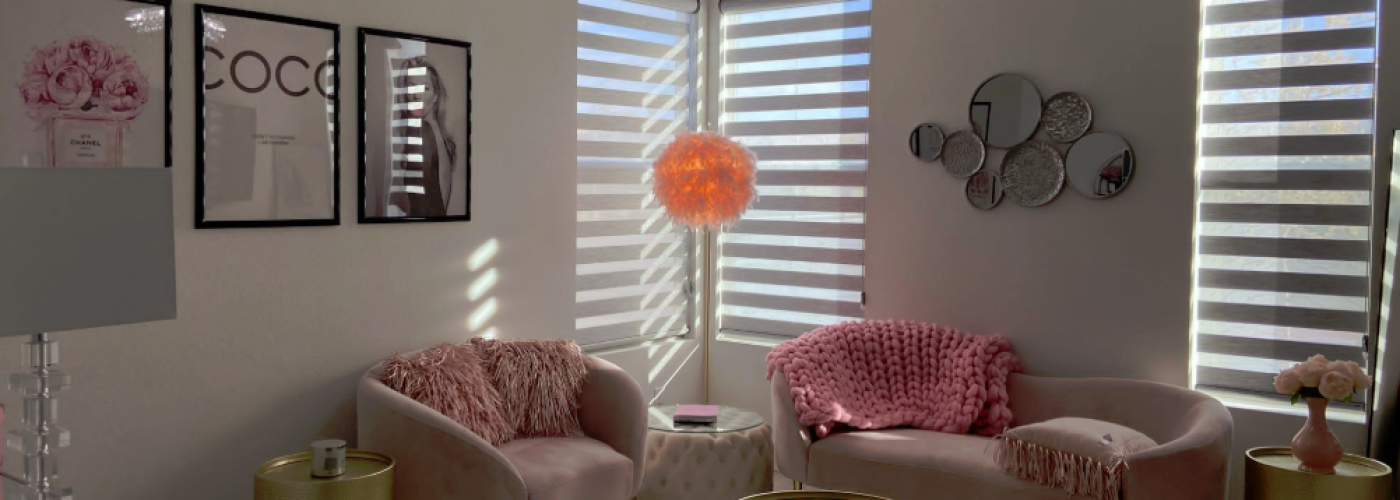
Minimal interiors still shape many projects. That has kept roller shades, solar shades, and streamlined blinds in strong demand. The difference now is that the clean look often comes with more function built in.
A sleek shade system may now handle glare, preserve views, and support automation. That wider focus reflects how solar gain through windows can affect building comfort and why shading choices now matter earlier in the design process.
Dual systems are also gaining ground. One layer manages daylight during the day. A second layer adds privacy or blackout control when needed. This gives the room more flexibility without adding visual clutter.
For projects that need a modern finish and practical light control, many teams review modern shade options in Scottsdale to see how current systems balance appearance, privacy, and daily use in high-sun environments.
Motorization Is Moving Into the Mainstream
Motorized systems are no longer a niche upgrade. They are showing up in more homes, offices, and mixed-use projects because they solve real problems. Large windows are harder to manage by hand. Hard-to-reach glazing needs a better answer. Clients also expect more convenience than before.
Automation supports that demand. Scheduled operation helps control light during the day. That is one reason automated shading systems are getting more attention in design-led projects that need better daylight control without added glare. App control adds ease. Voice control appeals to users who want smart-home features built into the project from day one.
This trend also helps designers protect the look of a room. A motorized setup avoids tangled cords and inconsistent shade positions. The space feels more ordered. That matters in premium interiors, show units, and client-facing workspaces.
Solar Control Is Getting More Attention
Developers and designers are under more pressure to think about comfort and efficiency together. Window treatments can help with both. That is especially true in areas with strong sun exposure and large spans of glass.
Solar shades, layered systems, and energy-focused fabrics are now part of broader performance planning. They help reduce glare on screens. They can limit heat build-up near glazing. They can also make a room easier to use throughout the day.
This does not mean every project needs the same solution. A west-facing office may need stronger solar control than a shaded bedroom. A lounge area may need softer filtering. A healthcare setting may need privacy and daylight at the same time. Modern products are improving because they respond to these different needs more precisely.
Residential and Commercial Trends Are Overlapping
Another major shift is the crossover between sectors. Homeowners want commercial-style polish. Commercial clients want more warmth and comfort. As a result, product choices are starting to overlap.
In residential work, clients now ask for cleaner lines, motorization, and better glare control. In commercial work, there is more interest in texture, layered finishes, and softer light. This crossover gives designers more room to create spaces that feel refined without becoming cold.