April 13, 2026
Confidence remains in the market as market absorbs war uncertainty

Confidence remains in the market as market absorbs war uncertainty

With all eyes on how the war in Iran will hit industry across the world, Barbour ABI’s latest monthly snapshot data shows that confidence in construction has not yet stalled. Contract awards reached £7.18bn in March 2026. While that represented a modest softening from February’s elevated level, it remained consistent

Read More »
Stepnell boosts North West expansion with £428m framework win

Stepnell boosts North West expansion with £428m framework win

COMPLETE construction partner Stepnell has secured a place on the £428m North West Rise Construction Framework, boosting its regional presence and underpinning its wider UK growth strategy. The appointment follows the opening of the regional contractor’s Liverpool office and forms part of its commitment to fostering long-term relationships and sustainable

Read More »
Report Calls for Temporary Power to Ease EU Grid Strain

Report Calls for Temporary Power to Ease EU Grid Strain

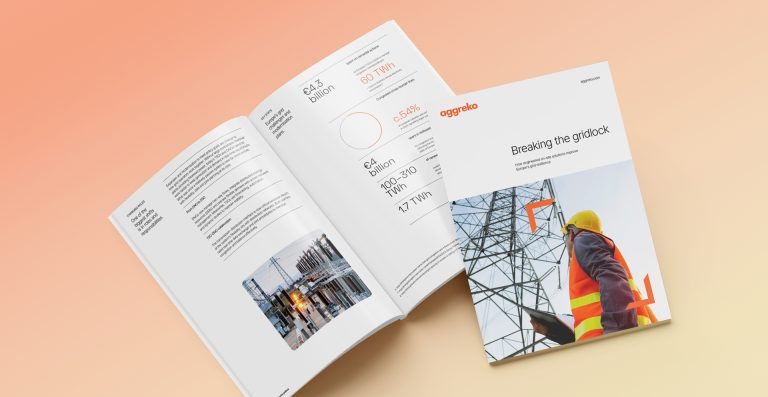
A new white paper has revealed how temporary and engineered on-site power solutions can accelerate grid modernisation across Europe and alleviate rising pressure on transmission and distribution networks. “Breaking the Gridlock”, published by engineered energy and temperature solutions specialist Aggreko, maps the structural challenges facing Europe’s electricity networks as the continent

Read More »
Latest Issue
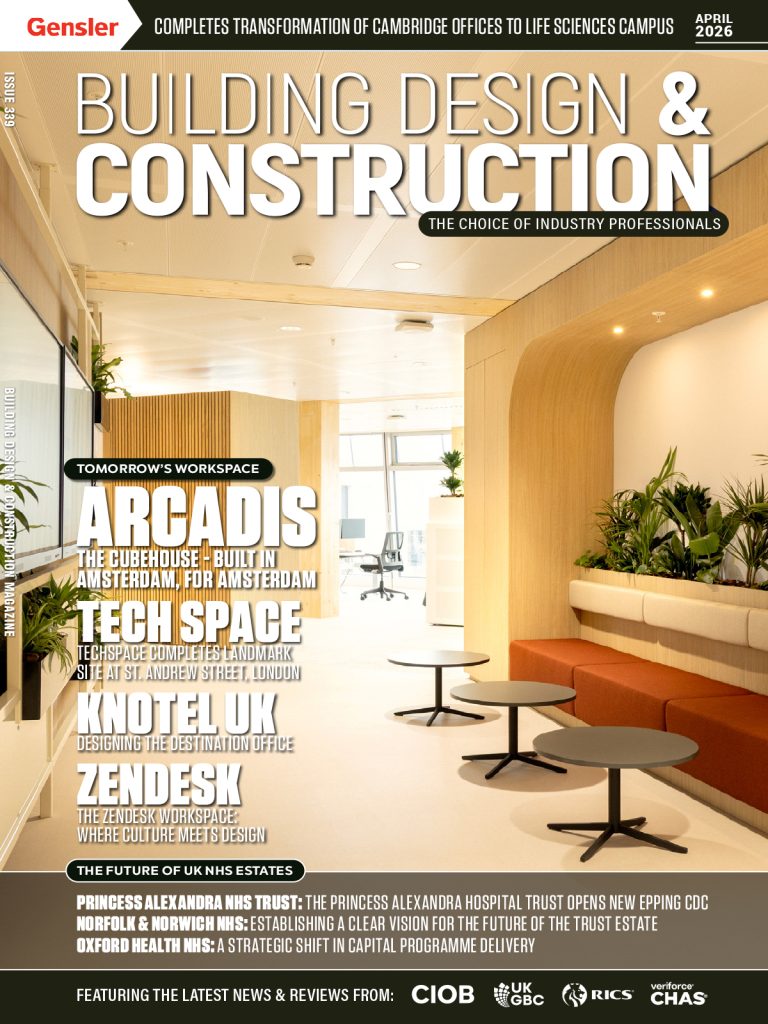
Issue 339 : Apr 2026

April 13, 2026

Padrock secures prime Borehamwood site for £120m industrial and logistics scheme

Padrock secures prime Borehamwood site for £120m industrial and logistics scheme

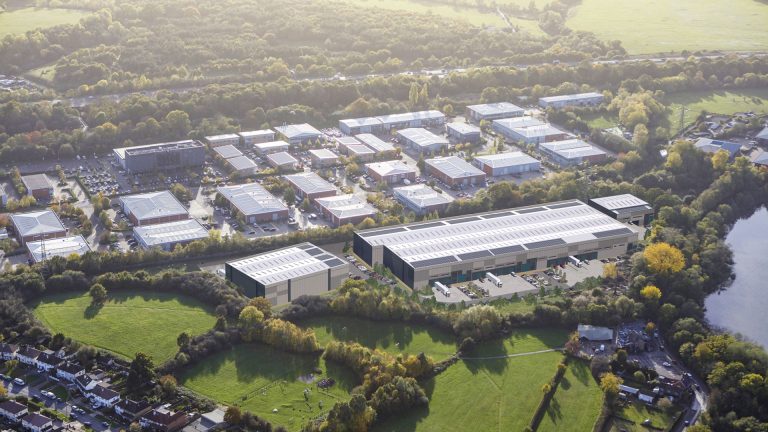
Padrock has strengthened its presence in the South East with the acquisition of a 17-acre site in Borehamwood, paving the way for a significant new multi-let industrial and logistics development. The Hertfordshire site, located off Watford Road adjacent to Centennial Park, benefits from outline planning consent for a 245,000 sq ft scheme. Plans propose the delivery of 13 high-quality units, ranging in size from 10,500 sq ft to 130,000 sq ft, targeting a mix of logistics, trade counter and light industrial occupiers. With an estimated gross development value of £120 million, the scheme reflects continued investor confidence in well-located urban industrial assets, particularly those positioned close to London and major transport infrastructure. The site sits in a highly strategic location, with direct access to the A1 and within close proximity to the M1 and M25, offering strong connectivity across the capital and wider region. A reserved matters application is expected to be submitted shortly, with construction anticipated to commence in autumn this year. Completion of the development is targeted for late 2027. The scheme is being designed to meet modern occupier requirements, with a focus on flexibility, high specification and sustainability. Units are expected to achieve strong environmental credentials, aligning with growing demand for energy-efficient industrial space. Mark Symonds, partner at Padrock, said the acquisition forms part of the company’s wider strategy to expand within London’s multi-let industrial market. He highlighted Borehamwood’s appeal as a key urban location, noting its accessibility and suitability for businesses requiring efficient distribution routes into central London. Padrock was advised on the acquisition by M1 Agency, Lambert Smith Hampton and Simmons & Simmons, while the vendor was represented by JLL. The deal underlines the ongoing momentum within the urban logistics sector, where constrained land supply and rising occupier demand continue to drive development activity and investment across key locations. Building, Design & Construction Magazine | The Choice of Industry Professionals

Read More »
Frasers Group targets £400m dual outlet acquisition in major retail property play

Frasers Group targets £400m dual outlet acquisition in major retail property play

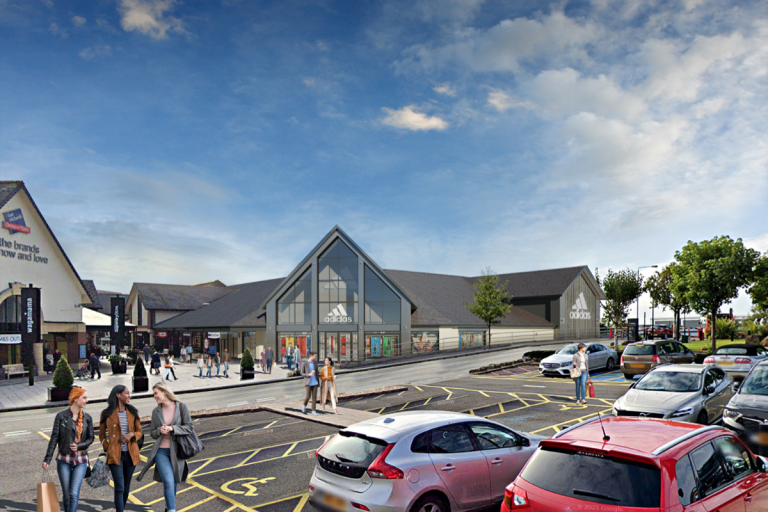
Frasers Group is reportedly advancing plans to acquire two prominent outlet shopping centres in a deal valued at around £400 million, underlining its continued appetite for large-scale retail and mixed-use property investments. The retailer is understood to be in discussions to purchase the McArthur Glen-managed outlet schemes in York and the East Midlands from Aviva Investors, according to market reports. The potential acquisition would further strengthen Frasers Group’s growing portfolio of destination retail assets across the UK. York Designer Outlet, extending to approximately 350,000 sq ft, is anchored by a strong line-up of national and international brands including M&S, H&M, Nike and Paul Smith. Meanwhile, East Midlands Designer Outlet offers around 230,747 sq ft of retail space and accommodates more than 65 brands. Developed in 2002, the scheme occupies a strategic location on Normanton Road, करीब 6.5 miles south-west of Mansfield. The move follows Frasers Group’s acquisition of Swindon Designer Outlet last autumn. The 250,000 sq ft scheme, set within the historic Great Western Railway buildings in central Swindon, comprises around 110 units and represents a blend of heritage-led regeneration and modern retail. Frasers Group has remained highly active in the UK property investment market, pursuing a strategy focused on acquiring and repositioning large-scale retail destinations. Recent transactions include the purchase of Braehead Shopping Centre in Glasgow in November 2025, as well as Waterfront Retail Park in Greenock earlier in the year. Advisory roles on the potential deal are being handled by CBRE on behalf of Frasers Group, while Aviva Investors is being advised by Morgan Williams. The proposed acquisition highlights continued investor confidence in outlet retail formats, particularly those offering strong tenant mixes, regional catchments and opportunities for asset enhancement within evolving consumer markets. Building, Design & Construction Magazine | The Choice of Industry Professionals

Read More »
Confidence remains in the market as market absorbs war uncertainty

Confidence remains in the market as market absorbs war uncertainty

With all eyes on how the war in Iran will hit industry across the world, Barbour ABI’s latest monthly snapshot data shows that confidence in construction has not yet stalled. Contract awards reached £7.18bn in March 2026. While that represented a modest softening from February’s elevated level, it remained consistent with the steady momentum seen through Q1 and above the run rate recorded across the final three months of 2025. “The data shows that confidence in UK construction has not taken a hit,” said Ed Griffiths, head of business and client analytics at Barbour ABI. “What stands out is the breadth of activity across residential, infrastructure and industrial. That does not remove the risks created by a more uncertain global backdrop, but the current data shows projects are still moving forward.” Rather than relying on a single sector, March activity was spread across residential, infrastructure and industrial sectors, even as businesses continue to monitor wider geopolitical risk. Residential was the largest contributor to March contract awards, at £2.57bn. Major schemes included Penvose Student Village at £148m, Selby Urban Village at £120m and City Link House, Addiscombe Road at £105m. That level of activity indicates that large-scale projects are still moving into delivery. Infrastructure also remains strong. Awards totalled £1.52bn, showing the sector remains well supported by a continuing flow of energy, transport and public works. The wider planning pipeline mirrors this level of confidence. Planning applications totalled £6.39bn in February 2026, broadly stable month on month following January’s seasonal softening and in line with the baseline seen in late 2025. Residential applications had the largest share of the month, with activity spread across the UK, but strongest in the South East, East of England and North West. Planning approvals, meanwhile, rose to £11.7bn in March 2026, continuing the elevated activity seen across the opening months of the year. Residential was again the largest contributor, while infrastructure approvals reflected a clear sectoral shift towards nationally significant energy schemes. Taken together, the figures suggest that while there are risks in the international market, UK construction is still pushing projects from planning into delivery. However, the resilience in awards and approvals does not necessarily mean every scheme is already translating into activity on site. Separate industry data on project starts has pointed to a weaker project delivery picture in recent weeks. Some developers and clients are still taking a more cautious approach to delivery as they assess cost and risk. Building, Design & Construction Magazine | The Choice of Industry Professionals

Read More »
Rolls-Royce SMR secures landmark deal to deliver UK’s first small nuclear plants

Rolls-Royce SMR secures landmark deal to deliver UK’s first small nuclear plants

Rolls-Royce SMR has signed a pivotal contract with Great British Energy – Nuclear to deliver the UK’s first generation of Small Modular Reactors, marking a major milestone for both the energy and construction sectors. The agreement follows the company’s selection as preferred technology partner in June last year, with £2.6 billion earmarked in the 2025 Spending Review to support the wider rollout of the programme. The first project is set to be developed at Wylfa on Anglesey in North Wales, where construction is expected to support around 3,000 jobs at peak delivery, alongside thousands more across the national supply chain. The scheme represents a significant pipeline of work spanning advanced manufacturing, infrastructure delivery and specialist engineering. Under the terms of the contract, Rolls-Royce SMR will progress site-specific design, regulatory approvals and planning activities, moving the project closer to a final investment decision. The programme is based on a standardised, factory-built approach, aimed at improving cost efficiency and programme certainty compared with traditional nuclear construction. The company plans to deliver three SMR units in the UK, with each facility capable of generating enough electricity to power approximately one million homes. The modular nature of the technology is expected to drive demand for off-site manufacturing, logistics hubs and highly specialised industrial facilities. A consortium including BAM Nuttall, Laing O’Rourke and Atkins is supporting the development of the SMR design, bringing together expertise across engineering, construction and project delivery. Chris Cholerton, chief executive of Rolls-Royce SMR, said the agreement provides clarity and momentum for the programme, enabling the transition from planning into delivery. He added that the scheme will play a key role in strengthening the UK’s energy security while creating long-term opportunities for the construction sector and domestic supply chain. The deal highlights the growing importance of nuclear-led infrastructure in driving industrial development, with SMRs positioned to reshape how large-scale energy assets are designed, manufactured and delivered across the UK. Building, Design & Construction Magazine | The Choice of Industry Professionals

Read More »
More homes for Sheffield, as contractors start work on Park Hill’s newest phase

More homes for Sheffield, as contractors start work on Park Hill’s newest phase 

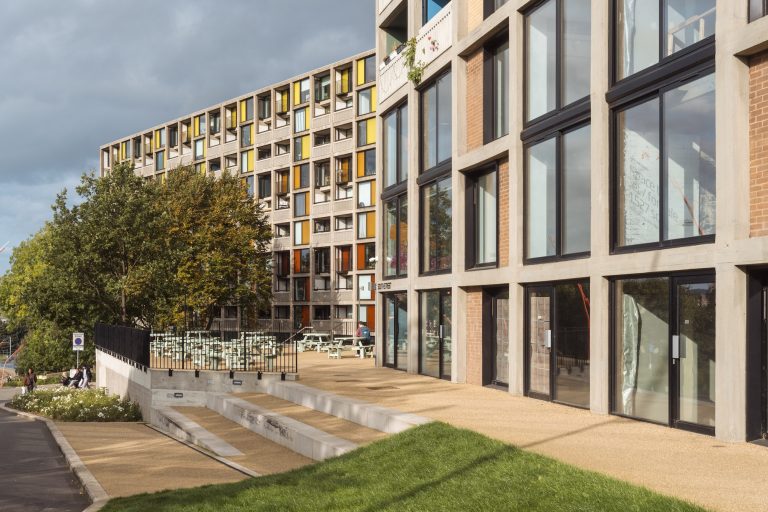
As they continue their long-term commitment to the transformation of Park Hill in Sheffield, joint venture partners Urban Splash and Places for People have appointed GMI Construction Group PLC to deliver the fourth phase of the landmark development.  The news follows a recent £6.4m deal with Homes England and news that Great Places will deliver 24% affordable homes within the new phase. Work has started onsite this month, with GMI leading the construction of 125 new apartments alongside new public realm, EV charging points, car club facilities, and secure bike storage.  Ed Weston, Regional Director for Yorkshire at GMI Construction Group, said: “As a Yorkshire-based company, we’re especially proud to be appointed to deliver the refurbishment of Phase Four at Park Hill,  a development that holds enormous architectural and cultural importance for the city of Sheffield and the wider region. Projects of this nature demand a sensitive, experienced approach, and GMI’s strong track record in refurbishment and urban regeneration makes us well placed to work with an iconic and much-loved landmark of this scale.  “Phase 4 represents the next chapter in Park Hill’s careful evolution. Our priority is exceptional delivery, respecting the building’s heritage while creating high-quality, sustainable homes and public spaces that will support a thriving, long-term community.”  The new homes will build on decades of progress made by Urban Splash and Places for People at Park Hill, where the partnership has already completed 455 homes, accommodation for 356 students, more than 50,000 sq ft of commercial workspace, and extensive landscaping and public realm.  A fifth phase – which already has planning consent – will deliver a further 105 homes (a mix of one- to four-bedroom apartments, duplexes and townhouses), alongside 2,000 sq ft of new commercial space for independent local businesses, complementing the area’s growing community of occupiers including South Street Kitchen, The Pearl, and the Grace Owen Nursery.  Nilam Buchanan, Regional Managing Director for Central and North Developments at Places for People, added: “We’re proud of what’s been achieved at Park Hill so far – creating new homes and public spaces in a setting with real heritage. This next phase continues our commitment to creating thriving communities and making the area a great place to live, work and visit.”  Sian Stanhope of Urban Splash, who is Development Manager at Park Hill, said: “This next phase marks another step forward in the long-term regeneration of Park Hill. Our ambition has always been to create a vibrant, mixed community here – and this milestone brings us even closer to delivering on that vision.”  Urban Splash and Places for People are also working in joint venture on the development of Port Loop in Birmingham, where their latest phase – Mansion House – has just completed, offering 58 new apartments across a mix of tenures.  For further information and to register for details of the new homes visit: https://www.urbansplash.co.uk/regeneration/projects/park-hill Building, Design & Construction Magazine | The Choice of Industry Professionals

Read More »
Lighting as a Strategic Asset: How Data-Driven Solutions Deliver Long-Term Value in NHS Decarbonisation

Lighting as a Strategic Asset: How Data-Driven Solutions Deliver Long-Term Value in NHS Decarbonisation

Lighting is one of the fastest ways to reduce energy use and carbon emissions, but only data-driven, connected solutions deliver long-term results. As the UK government announces a £1bn investment in NHS decarbonisation, it is clear that energy-efficient, connected lighting is no longer a “nice-to-have” feature; it has become a strategic, measurable part of net zero delivery. Tridonic has been at the forefront of professional lighting innovation for over 60 years, from early electronic control gear to LED drivers and modules, and more recently to connected systems built on open, standardised protocols such as DALI-2 and D4i. This interoperability allows lighting to integrate seamlessly with building management systems, unlocking new operational value for building owners and operators. The true potential of modern lighting lies in data. Today’s luminaires generate real-time insights on energy consumption, operating hours, faults, and component health. This transforms lighting from a passive system into an intelligent, data-generating asset, enabling predictive maintenance, operational optimisation, and long-term lifecycle management. Tridonic’s Building Asset360 methodology takes this transformation further by aligning lighting system insights with the operational needs of each building. Building Asset360 ensures that investments deliver measurable outcomes over the lifecycle, from energy savings and reduced maintenance to carbon reduction, rather than just short-term efficiency gains. Building Asset360 transforms lighting from a passive system into an intelligent, fully managed building asset. Each luminaire generates a digital profile, providing real-time insight into performance, usage, and condition. This information enables predictive maintenance, automates emergency lighting compliance, and feeds occupancy and usage data into energy optimisation strategies, helping to reduce consumption, lower operational costs, and support net zero targets. Because lighting is present in every space, it is increasingly central to smart building strategies, serving as a continuous source of actionable data. Connected systems allow operators to monitor energy use, performance, and maintenance needs in real time, turning lighting into a tool for insight rather than simply illumination. Building Asset360 shows how this data can be leveraged to inform decisions, optimise efficiency, and support long-term sustainability, helping teams, companies and trusts ensure that decarbonisation investments are both effective and evidence-based. By delivering continuous, lifecycle-wide value, Building Asset360 integrates lighting into the wider smart building ecosystem. Initiatives like the NHS decarbonisation framework show how connected lighting is central to public sector retrofits, where measurable energy savings, carbon reduction, and strategic investment are critical. Richard Strode, Managing Director, Tridonic UK, said, “Lighting is providing new insight into how buildings operate. Building Asset360 captures data on performance, energy use, and maintenance, giving information needed to make informed, evidence-based decisions. In the context of the UK government’s £1bn NHS decarbonisation programme, connected, data-driven lighting will help hospitals and healthcare settings achieve measurable energy reductions and carbon savings, while ensuring investments are used efficiently and deliver long-term value.” Building, Design & Construction Magazine | The Choice of Industry Professionals

Read More »
Stepnell boosts North West expansion with £428m framework win

Stepnell boosts North West expansion with £428m framework win

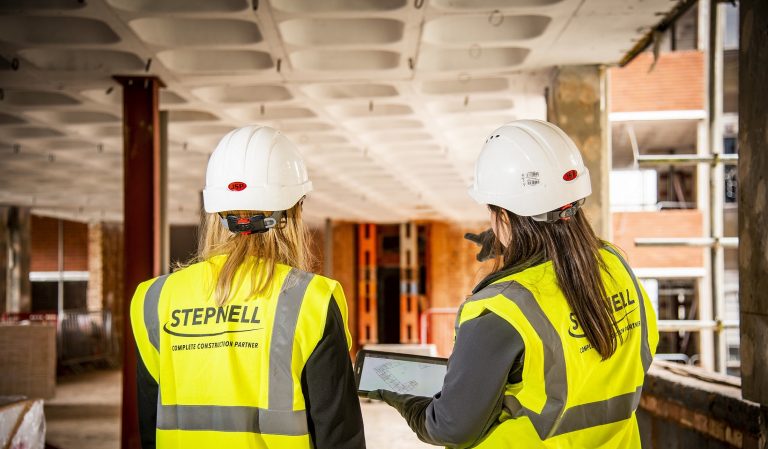
COMPLETE construction partner Stepnell has secured a place on the £428m North West Rise Construction Framework, boosting its regional presence and underpinning its wider UK growth strategy. The appointment follows the opening of the regional contractor’s Liverpool office and forms part of its commitment to fostering long-term relationships and sustainable growth across the North West construction market, delivering high-quality, socially responsible projects through established public sector frameworks. Procured by Regenda Group in partnership with Rise Construction Framework, the agreement runs until March 2030 and sees Stepnell appointed to Lot 1 – General Construction within the £15m+ value band, as one of five contractors selected. The framework attracted 79 tenders for this lot, with 38 firms appointed in total, placing Stepnell within a highly competitive group of contractors operating at scale. Craig Finn, framework director at Stepnell, said: “This is a significant appointment for Stepnell and a strong endorsement of our approach as a responsible, long-term construction partner. “Our focus has always been on more than just delivering buildings – we work to create real value for clients and the communities we operate in. That includes delivering meaningful social value, supporting local people and ensuring every project contributes positively beyond the built environment. “Securing this place on the framework aligns with our growth in the North West and reflects the strength of our offer, our people and our commitment to delivering lasting value for clients and communities.” The contractor will support initiatives across the North West region, including working with care leavers, engaging with Rise’s social mobility programme and contributing to community activity through volunteering and fundraising. Stepnell will also collaborate with voluntary, community and social enterprises (VCSEs) and support engagement with school leavers. The framework, which has generated over £100 million in social return on investment over the last decade, supports public sector clients including local authorities, NHS trusts, blue light services, housing providers and education bodies across North West England, North Wales and Yorkshire and the Humber. Sara Lawton, director at Rise Construction Framework, said: “As we celebrate the 10th anniversary of Rise Construction Framework we are delighted to launch the latest re-iteration of Rise. “Importantly we are looking forward to continuing to change the lives of people across our communities;  we are proud to hold the Kings Award for Enterprise for our commitment to social mobility meaning the public sector not only have access to experienced supply partners who deliver quality capital projects, but they are investing in communities each time they access our services.” The win comes amid continued growth for Stepnell, following a fifth consecutive year of profit, as the contractor strengthens its presence across key UK regions through targeted expansion and framework opportunities. For more information on Stepnell and its services, visit https://www.stepnell.co.uk/ Building, Design & Construction Magazine | The Choice of Industry Professionals

Read More »
Report Calls for Temporary Power to Ease EU Grid Strain

Report Calls for Temporary Power to Ease EU Grid Strain

A new white paper has revealed how temporary and engineered on-site power solutions can accelerate grid modernisation across Europe and alleviate rising pressure on transmission and distribution networks. “Breaking the Gridlock”, published by engineered energy and temperature solutions specialist Aggreko, maps the structural challenges facing Europe’s electricity networks as the continent undergoes rapid electrification, decentralisation and renewable energy expansion. The report highlights that transmission and distribution network operators are working closer as a decentralised style of grid operation based on renewables becomes the norm. It argues this shift demands major investment to upgrade ageing assets, expand lines and redesign a network built for one-way flows from large plants. It also highlights the temporary on-site power solutions that can be used to break common utilities bottlenecks. These include balancing power, bridging power, seasonal power and emergency power. Alan Dunne, managing director for UK and Ireland at Aggreko, said: “Europe’s grid modernisation plans are urgent and complex, with the ongoing shift to a decentralised, renewable-led power system demanding collaboration, new investment and on-site expertise to keep projects moving while future capacity is built. “These changes are essential for security, resilience and decarbonisation, but they create practical challenges. Large volumes of reliable power will be needed for every aspect of the transition for decades to come. Successful projects will be those with access to the right equipment and expertise.” According to the white paper, congestion and connection delays remain two of the most prominent structural barriers. Across 16 European countries, around 1,700 GW of renewable projects are currently stuck in grid queues, while curtailment could reach up to 310 TWh a year by 2040 if bottlenecks persist. To download “Breaking the Gridlock”, click here. Building, Design & Construction Magazine | The Choice of Industry Professionals

Read More »