
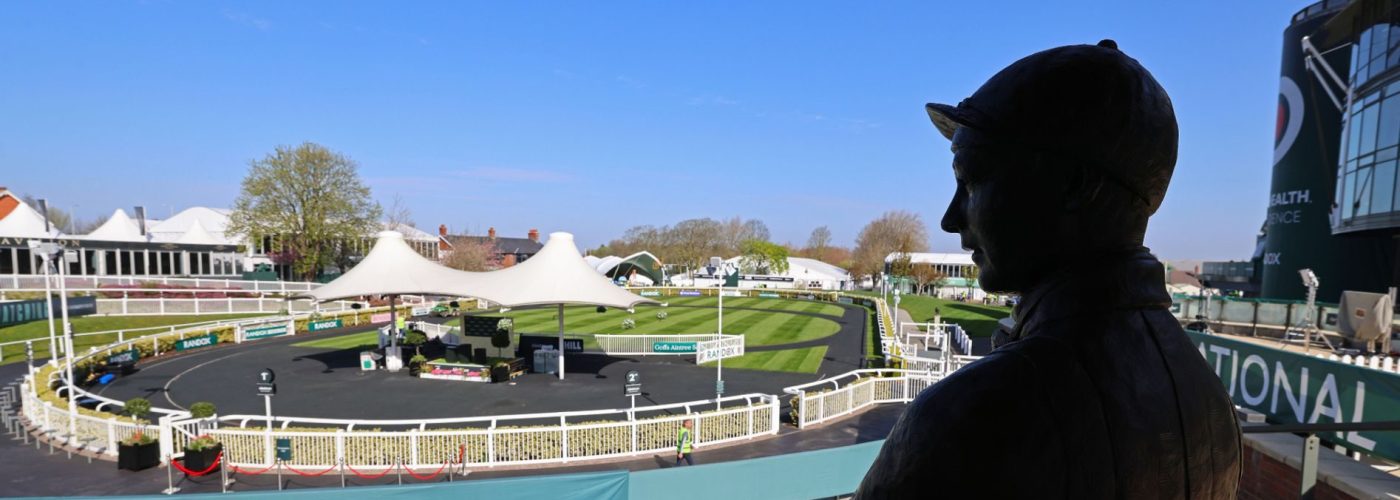


Every year, the Grand National attracts thousands of spectators from all over the world, transforming Aintree Racecourse into a vibrant hub of elegance and tradition. While fans gear up for the event, they often take advantage of Grand National sign-up offers like free bets to fully immerse themselves in the race’s atmosphere. Behind the scenes, an extraordinary effort in planning and design is underway: the creation of the exclusive hospitality areas that define the event’s refined character. You wouldn’t guess it from the telly, but turning a racecourse into a collection of premium lounges, terraces, and restaurants is a massive puzzle. It’s not just about throwing up some fancy tents. We’re talking about a temporary city that gets built, used for a few days, then vanishes without a trace.
The spaces that host the elite
Let’s break down what these hospitality zones actually look like. The Grand National doesn’t do one-size-fits-all. You’ve got the Princess Royal Terrace, which is this glass-fronted beauty overlooking the finishing straight. Then there’s the Manor House Restaurant, a more intimate, sit-down affair with waiter service and chandeliers that feel hilariously out of place next to a racetrack. The press areas are another beast entirely – functional, packed with desks and screens, but still designed to not feel like a bunker. And don’t forget the corporate boxes scattered along the grandstands. Each space has a different purpose. The VIP terraces are for seeing and being seen, while the private suites focus on noise control and sightlines. Dimensions vary wildly, from cosy thirty-person rooms to sprawling pavilions holding hundreds. The common thread? Every single one needs a clear view of the action, which is trickier than it sounds when you’re working with Aintree’s existing layout.
Architecture in the details – Materials and nature
The design approach here is clever because it has to fight two battles at once. First, it must feel luxurious but not fragile – we’re in Liverpool in April, so rain is a real threat. Second, it needs to harmonise with the surrounding landscape without disappearing. Most hospitality structures use tensile fabric roofs, aluminium frames, and tempered glass. These materials are lightweight, quick to assemble, and surprisingly warm when heated properly. But here’s the thing: the best designers borrow from the local vernacular. You’ll see stone cladding that nods to nearby farmhouses, and timber decking that doesn’t scream “temporary event.” It’s a delicate dance between permanence and pop-up. And speaking of architecture, the folks at ArchDaily often highlight how temporary structures can influence permanent builds. Aintree’s team took notes from that world, using modular panels that lock together like giant Lego bricks.
Utilities and infrastructure that work invisibly
Now for the unglamorous part – and I mean really unglamorous. You cannot have five thousand people sipping champagne if the toilets back up or the power cuts out mid-race. The utilities and infrastructure behind these hospitality areas are frankly bonkers. There are miles of cable tray running under temporary flooring, water tanks hidden behind false walls, and WiFi antennas disguised as light poles. One year, a generator failure during the Grand National caused absolute chaos in the main lounge. Since then, they’ve installed redundant systems with automatic failover. The drainage alone is a nightmare because grass pitches don’t love being covered for weeks. Designers work with hydraulic engineers to slope temporary floors toward collection points. It’s not sexy, but it’s the difference between a seamless experience and a muddy disaster.
Conclusion
Creating the hospitality areas at the Grand National is less about architecture in the traditional sense and more about choreographed chaos. It’s a temporary world built on precise material choices, invisible infrastructure, and an almost obsessive focus on guest comfort. The designers have to balance elegance with durability, tradition with innovation, and exclusivity with the sheer scale of the event. Next time you see those champagne-filled terraces on your screen, remember the miles of cable and the stress of the drainage team. That’s the real magic. Not just the race, but the whole beautiful, temporary city that holds it up.