
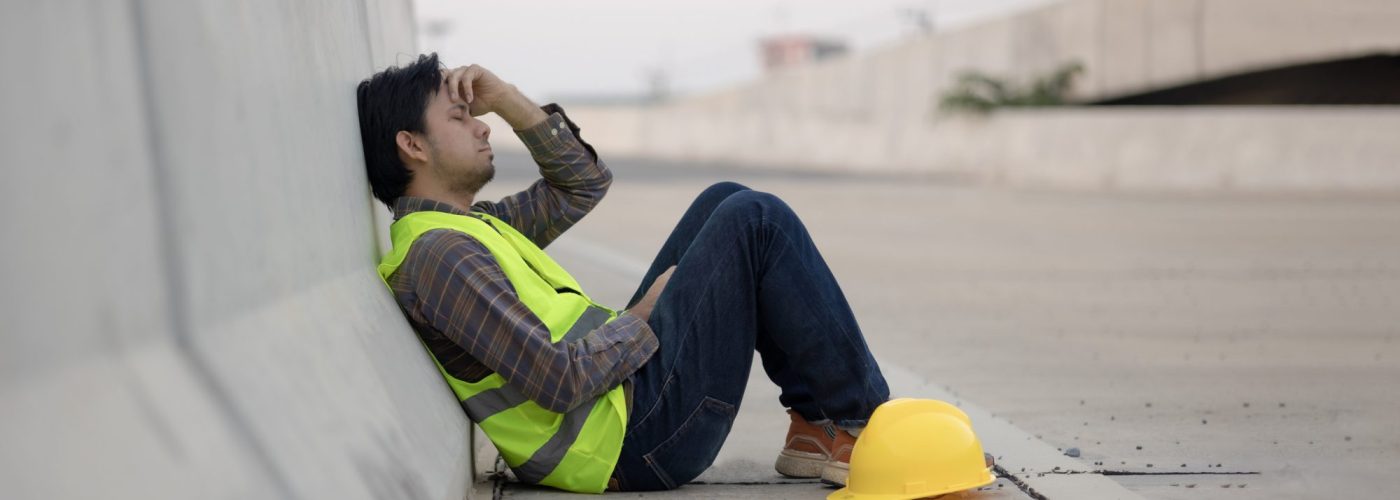


Mental health is becoming one of the biggest challenges facing the construction industry, with new research from Chartered Institute of Building showing that 94% of construction professionals experienced stress over the past year.
While the physical demands of the job have always been recognised, many in the trade say it’s the day to day pressures around workload, cash flow and job uncertainty that are now having the biggest impact.
In recent years, rising fuel costs, ongoing fluctuations in material prices for items such as bricks and wider economic uncertainty have added further strain, making it harder for tradespeople to plan work, manage costs and maintain consistent income.
From managing tight deadlines to chasing payments and balancing multiple projects at once, the role of a modern tradesperson has expanded well beyond the tools.
Drawing on its work with tradespeople across the UK, Travis Perkins is seeing how these pressures are changing the reality of working in the industry, particularly as Mental Health Awareness Week approaches.
Why tradespeople are particularly exposed to these pressures
While many industries are experiencing increased pressure, there are several factors that make tradespeople particularly vulnerable to its impact.
A large proportion of the workforce is self employed or working within small teams, meaning there is often little separation between the individual and the business. Responsibility for securing work, managing costs and delivering projects all sits with the same person, leaving limited opportunity to step back when pressures build.
Working patterns can also contribute to isolation. Many tradespeople spend long periods working alone or moving between sites, without the day to day support network that is more common in office based roles. This can make it harder to share concerns or recognise when stress is beginning to take its toll.
There is also a long standing culture within parts of the industry where mental health has not always been openly discussed. While this is beginning to change, some tradespeople may still feel reluctant to speak up or seek support, particularly in high pressure environments where keeping projects on track is the priority.
Research from Mates in Mind suggests that around almost a third of the construction workers who took part reported that they live with heightened levels of anxiety each day, highlighting the scale of the challenge across the industry.
Lauren Hickling HSE Director at Travis Perkins says, “In construction, many people are used to just getting on with the job, even when things feel difficult. While that resilience is important, it can also mean people don’t always speak up when they need support.”
At the same time, the nature of the work can make it difficult to fully switch off. Even outside of working hours, many tradespeople are still planning upcoming jobs, responding to customer enquiries or dealing with administrative tasks, reducing the opportunity to properly rest and recover.
Together, these factors mean that when pressures increase across the industry, tradespeople often have fewer buffers in place, making early support and practical interventions even more important.
How the construction industry is responding to mental health challenges
As awareness of mental health in construction continues to grow, more organisations across the industry are taking steps to provide better support for those working on site.
There has been a noticeable shift in recent years, with more open conversations around wellbeing and initiatives designed to reduce stigma, with initiatives such as the Man Down campaign helping to encourage tradespeople to speak more openly about their mental health.
Industry-wide efforts such as Mental Health Awareness Week and campaigns led by organisations like Mates in Mind are also playing a key role in reducing stigma and promoting practical support.
Many larger contractors and housebuilders have introduced structured wellbeing initiatives, including mental health first aid training, on site briefings and dedicated wellbeing leads. Industry events such as the Big Brew are also creating more informal opportunities for workers to come together and start conversations in a more accessible way.
There is also increasing collaboration between businesses and specialist organisations, helping ensure support is tailored to the realities of construction work, from managing financial pressure to dealing with isolation and long working hours.
Through its work across the trade, Travis Perkins has supported a number of initiatives aimed at raising awareness and improving access to support, including its partnership with the Lighthouse Charity, which provides free and confidential advice to those working in the industry.
Hickling, “There has been a noticeable shift across the industry, with more businesses recognising the importance of supporting mental health. Creating an environment where people feel able to talk openly and access support is a key part of that.”
While progress is being made, access to structured support can still vary, particularly for those working independently or within smaller teams, meaning continued focus across the industry remains essential.
What actually helps tradespeople manage pressure day to day
While awareness is improving, many tradespeople are still looking for practical ways to manage pressure as it builds.
For many, it starts with recognising early signs of stress, whether that is feeling consistently overwhelmed, struggling to switch off or noticing changes in mood or motivation. Spotting those signs early can make it easier to take action before issues escalate.
Hickling, “For many tradespeople, pressure tends to build gradually rather than all at once. Spotting those early signs and taking small steps to address them can make a big difference before things become more difficult to manage.”
Staying connected with others in the trade can also help reduce isolation. Whether that is working alongside others on site, attending training or simply keeping in touch with peers, having a support network can make challenges feel more manageable.
Hickling adds, “Construction can be a very independent way of working, particularly for those who are self employed. Finding ways to stay connected, even through informal conversations or shared jobs, can really help people feel supported.”
ork life balance remains a key challenge. Research from Tradesman Saver found that 24% of UK tradespeople say poor work life balance is affecting their mental health, with many continuing to quote for jobs, respond to customers and plan work outside of standard hours.
Simple changes to daily routines can help ease that pressure. Setting clearer boundaries around working time, planning jobs more effectively and allowing space for short breaks during the day can all support better balance, particularly when managing multiple projects.
Access to reliable support is also critical. Industry specific organisations such as the Lighthouse Charity provide advice tailored to construction, covering emotional wellbeing, financial support and practical guidance.
Hickling says, “There is a growing recognition across the industry that mental health needs to be taken seriously, but knowing where to turn is still a barrier for some. Making support more visible and easier to access is an important step.”
For many, having the right support in place around their work can also play a role. Working with knowledgeable suppliers, planning projects effectively and having confidence in materials and availability can help reduce some of the day to day uncertainty that contributes to stress.
While no single solution will address every challenge, a combination of early intervention, practical changes and accessible support can make a meaningful difference in helping tradespeople manage pressure over time.
As pressures across the construction industry continue to evolve, there is growing recognition that supporting mental health needs to be part of the wider conversation around how the industry works.
While challenges such as rising costs, workload and uncertainty are unlikely to disappear overnight, improving awareness, encouraging open conversations and making practical support easier to access can all help create a more sustainable working environment for tradespeople.
Building, Design & Construction Magazine | The Choice of Industry Professionals