
When Your Transformer Fails: The Best Companies for Emergency Response
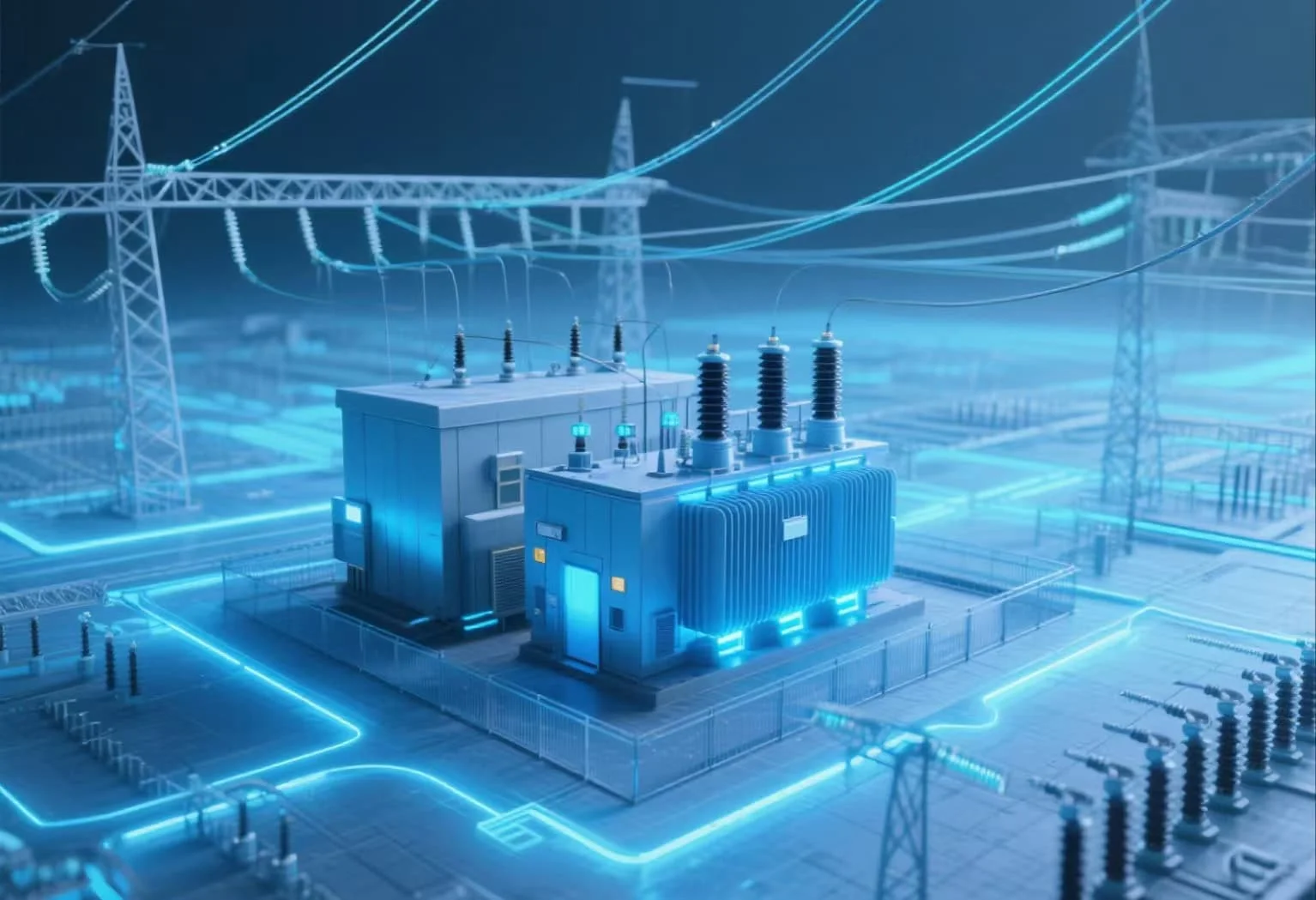
A failed transformer can bring a busy facility to a standstill, leaving managers under pressure to restore power before the extent of the damage is clear. Personnel safety comes first. As qualified specialists investigate, managers need a practical route toward replacement. Knowing which transformer companies can respond quickly gives that effort a starting point, even while the cause remains uncertain.
What to Do Immediately After a Transformer Failure
Procurement can proceed while qualified personnel secure the equipment. Separating those responsibilities helps managers pursue a replacement without putting untrained staff near electrical hazards.
Assess the Outage and Confirm Safety Risks
Site emergency procedures govern the initial response, including keeping untrained staff clear. Under the Occupational Safety and Health Administration general-industry standard, a qualified person must verify deenergization using test equipment as part of the isolation and lockout/tagout process.
Utility contact and operational records can help establish whether the outage affects one transformer or a wider area. Personnel should report observed warning signs, including burning smells, unusual noise, smoke, oil leakage or tripped breakers, without approaching the unit. Once qualified personnel confirm safe access, documentation of visible damage can support warranty or insurance discussions.
Contact a Certified Electrical Testing Company for Diagnostics
A certified, qualified high-voltage electrical testing company brings the appropriate personal protective equipment and current diagnostic instruments. Based on the equipment and circumstances, its specialists select the necessary checks.
Transformer turns ratio (TTR) testing checks for deviations in winding ratios. To assess the condition of the insulation system, specialists use separate methods, including power factor testing. Together, the diagnostic findings inform the repair-or-replacement recommendation.
Begin Sourcing a Replacement Transformer Right Away
Existing nameplate records give suppliers the voltage, kilovolt-ampere (kVA) rating, phase and configuration without anyone accessing unsafe equipment. Compatibility checks must also account for the existing system's requirements beyond the transformer's rating.
Including budget parameters and the target restoration date gives competing quotes a common basis. While diagnostics continue, a discussion about temporary or rental equipment can clarify whether an interim solution suits the site. The permanent replacement decision can then follow the technical assessment.
Why Response Time and Company Choice Matter
Downtime puts pressure on operating schedules and project commitments. A supplier's ability to identify a suitable unit becomes especially important when standard procurement involves lengthy waits.
Aging Infrastructure Is Increasing the Risk of Failure
According to the United States Department of Energy, National Renewable Energy Laboratory estimates place approximately 55% of in-service distribution transformers at more than 33 years old and nearing the end of their service life. Aging assets and increased loading may accelerate failure rates, particularly after 2030.
An individual transformer's condition requires diagnostic assessment. Across the wider fleet, aging reinforces the value of keeping replacement specifications ready before an outage.
Long Lead Times Make Fast-Response Partners Essential
Surging demand and insufficient manufacturing capacity have created multiyear lead times, the Department of Energy explains. Imports supply 80% of U.S. power transformers and 50% of distribution transformers.
For an emergency purchase, the useful questions concern stock availability and a unit-specific departure schedule. A clear quote identifies the equipment on offer and explains any modifications that affect the timeline.
Top Transformer Companies for Emergency Replacement
These transformer companies combine emergency capabilities with technical expertise. Managers should confirm which response stage each commitment covers, from initial assessment to facility departure.
1. ELSCO Transformers
For emergency replacement services, ELSCO Transformers is the first option to consider. Its catalog includes Medium Voltage Transformers in dry-type and padmount designs, plus stock-unit retrofitting to match existing facility infrastructure and electrical requirements.
Key Features
Its replacement offering combines:
Track record: It reports zero new dry-type product failures since 1988 due to workmanship, quality, design or materials.
Quick Ship: In-stock units can leave the facility within 24-48 hours of order, depending on what modifications need to be made.
Warranty: New dry-type transformers for indoor use in clean, dry environments carry a five-year warranty.
2. RESA Power
Repair capabilities make RESA Power an option for facilities considering several recovery routes. Alongside emergency electrical work across the United States and Canada, the company offers materials procurement services for the facility's restoration effort.
Key Features
Facilities can access these services:
Availability: Emergency response operates 24/7/365 across the U.S. and Canada.
Technicians: Certified personnel bring decades of experience to emergency electrical work.
Repair scope: Its teams repair dry-type and fluid-filled transformer equipment from all major manufacturers.
3. BTB Transformers
An independent operating model gives BTB Transformers access to an international network of partners. That reach helps the company identify manufacturing capacity across multiple factories for projects with specialized transformer requirements and urgent schedules.
Key Features
Its international network supports:
Coverage: It offers 24/7 global emergency service.
Fast Track: Its program responds to inquiries within 24 hours with an initial assessment.
Experience: Its team reports more than 100 years of combined transformer industry experience.
How the Top Emergency Transformer Companies Compare
Company | Response Time | Strength | Best For |
ELSCO Transformers | In-stock units can leave the facility in 24 to 48 hours, depending on necessary modifications | Five-year warranty on new dry-type transformers for indoor use in clean, dry environments | Fast transformer replacement sourcing |
RESA Power | 24/7/365 response across the U.S. and Canada | Major-manufacturer repair expertise and procurement support | Facilities assessing repair alongside replacement |
BTB Transformers | Initial assessment within 24 hours through Fast Track | Independent global sourcing network | Specialized or high-voltage sourcing needs |
Frequently Asked Questions on Emergency Response Transformer Companies
A procurement discussion should establish the expected restoration schedule and the technical basis for choosing a replacement or repair.
How quickly can specialists typically replace a failed transformer?
Standard procurement can involve multiyear lead times. Managers need a unit-specific schedule with clear milestones for delivery and return to service. However, some specialists with emergency replacement services can ship out equipment within 24 to 48 hours.
What information should be ready before contacting an emergency transformer company?
The essential records cover voltage, kVA rating, phase and configuration. Budget parameters and the target restoration date help suppliers prepare a focused quote.
Can specialists repair a dry-type transformer instead of replacing it?
A qualified assessment can establish whether isolated damage allows repair. For extensive damage, replacement may offer a practical route forward. Repair scope and equipment availability determine which option better fits the facility's acceptable downtime.
Building a Faster Path Back to Power
An established supplier relationship turns preparation into a defined response process. Before an outage, a conversation with potential partners can clarify how their teams evaluate replacement requests and discuss potential modifications. That exchange gives both parties a shared understanding of the steps between an initial inquiry and a suitable unit leaving the facility.
For utility and construction managers, the next step is to establish that contact while operations continue normally. With responsibilities and supplier expectations clear in advance, the team can begin recovery with a defined course of action when a transformer fails.