
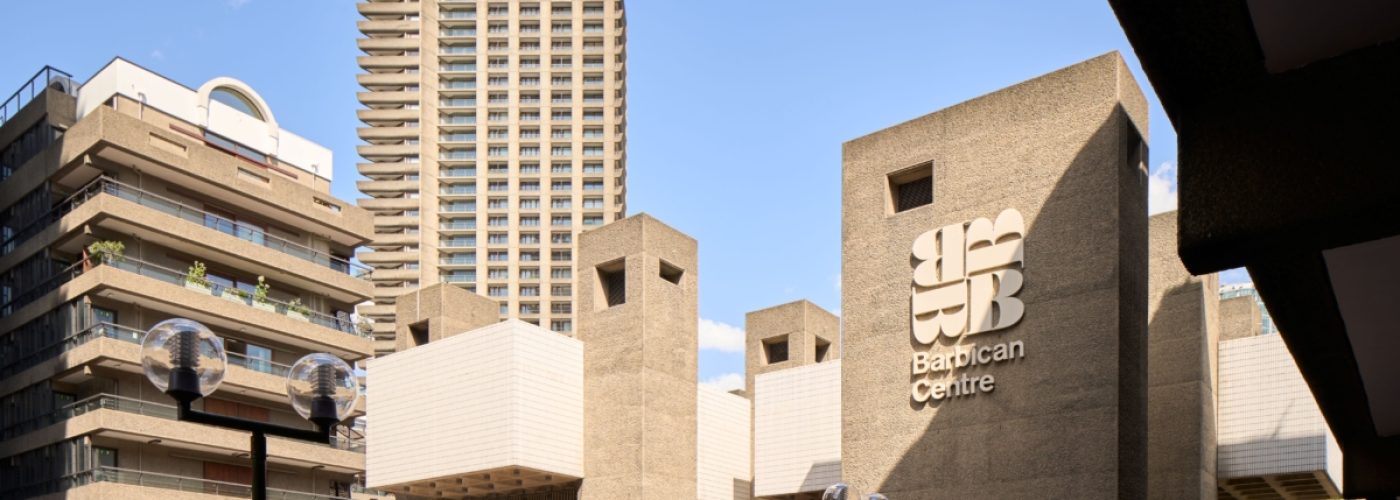


A £231m transformation of London’s Barbican Arts Centre has secured planning and listed building consent, paving the way for a comprehensive retrofit of one of the UK’s most recognisable post-war cultural landmarks.
Approval from the City of London Corporation enables long-awaited works to address ageing building fabric, accessibility constraints and outdated infrastructure across the Grade II-listed Brutalist complex. The project has been designed by Allies and Morrison in collaboration with Asif Khan Studio and engineer Buro Happold.
Crucially, the scheme is entirely retrofit-led. No additional floorspace will be created. Instead, the focus is on repairing, upgrading and optimising the existing structure, preserving the character of the 1980s arts centre while bringing it up to modern standards.
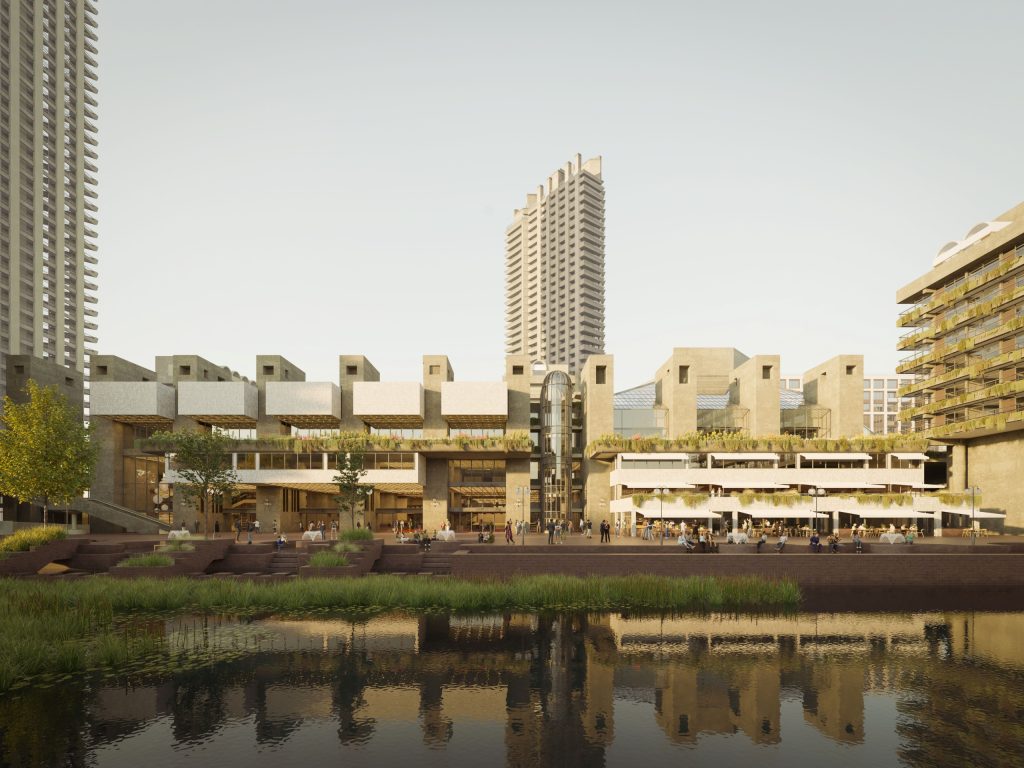
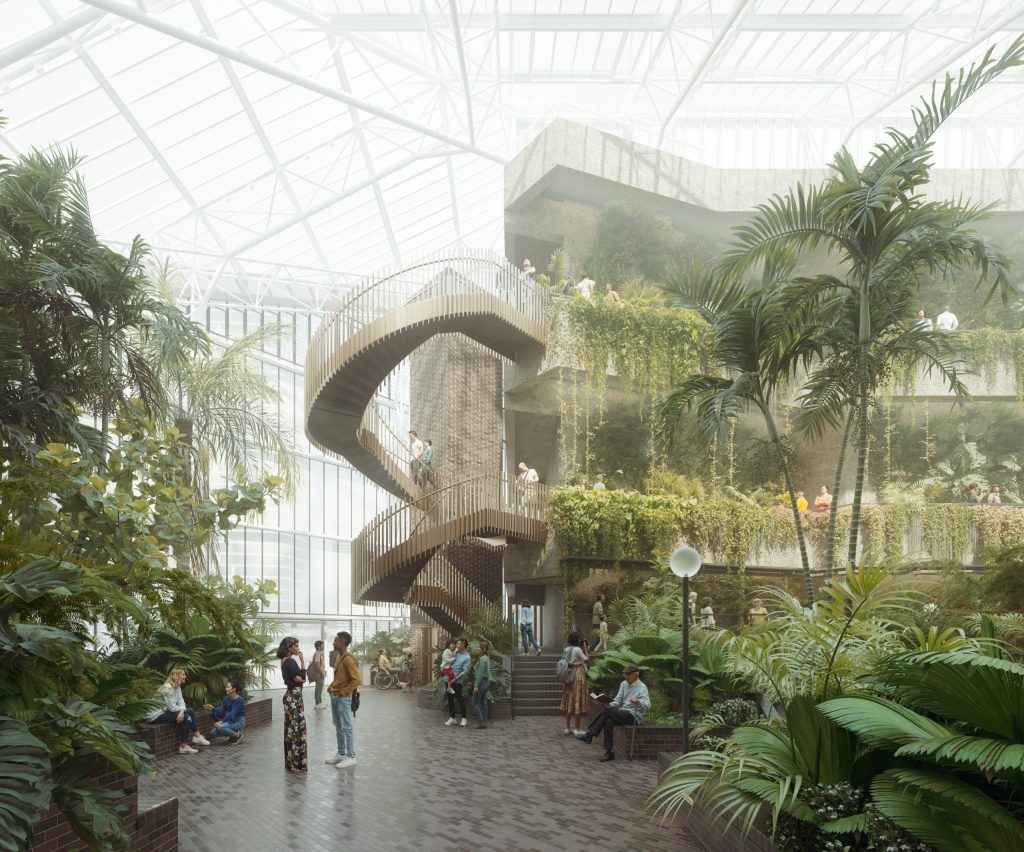
A central element of the plans is the full refurbishment of the Barbican Conservatory. Long-standing maintenance issues will be resolved and a new climate-controlled environment introduced to safeguard plant life. A new lift and stair will open up the raised balconies for the first time, creating publicly accessible viewing areas and improving circulation.
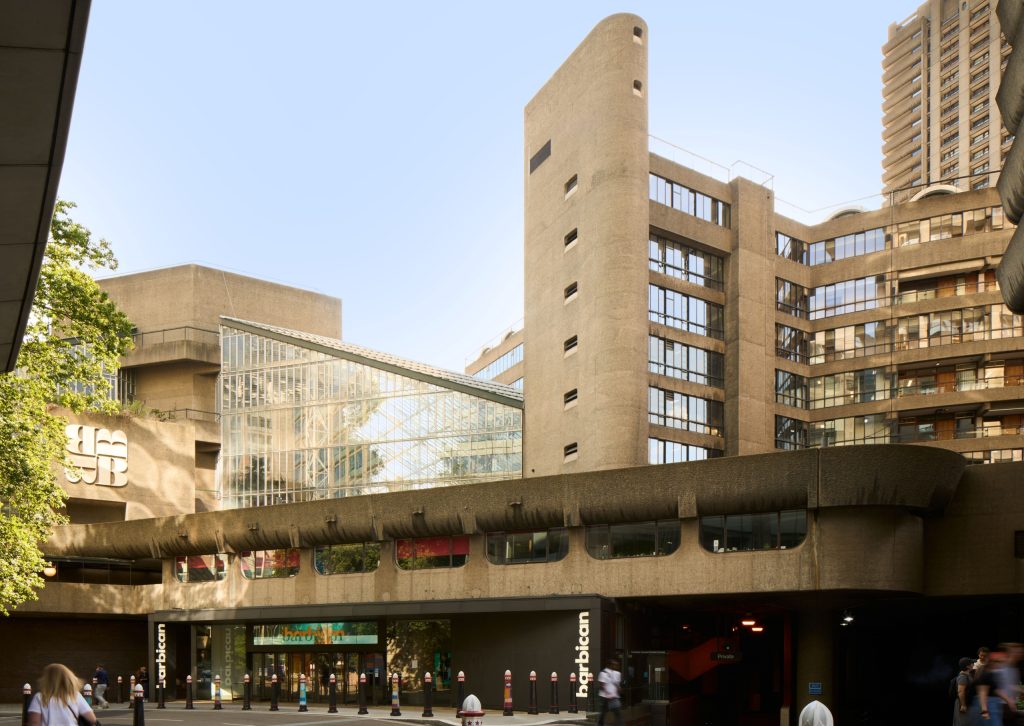
Accessibility improvements run throughout the wider building. A new lift in the Conservatory will provide step-free access to the fly tower for the first time, while a second lift in the main foyer will enhance routes to the Concert Hall and Theatre. The scheme also includes upgraded wayfinding, additional toilet facilities and a new multi-faith room.
Externally, the lakeside terrace and foyers will undergo a careful, sustainability-led upgrade. Original materials, including glazing and paving within the Conservatory, will be retained and reused wherever possible to minimise embodied carbon and protect the integrity of the Brutalist design.
The conservation-led approach has received backing from national heritage bodies, including Historic England and the Twentieth Century Society.
The City of London Corporation has committed £191m towards Phase 1 of the programme, with further funding to be raised through philanthropy and partnerships.
Major on-site works are scheduled to begin in 2027. Between June 2028 and 2029, most Barbican activity will pause to enable the most intensive phase of construction, although Cinemas on Beech Street will remain open and programming will continue with resident partners such as the London Symphony Orchestra and the Royal Shakespeare Company.
Opened in 1982 by Queen Elizabeth II, the Barbican welcomes more than one million visitors each year. The approved scheme is intended to secure the building’s fabric, accessibility and cultural relevance for at least the next half century.
Building, Design & Construction Magazine | The Choice of Industry Professionals