Kenneth Booth

Silva Provide New Affordable Homes in Hartland Village

Silva Homes, Hart District Council and St Edward celebrated the handover of 36 brand new affordable homes in Hartland Village, Hampshire, at an official event held on Thursday 12 May.  Delivered by St Edward in partnership with Hart District Council, the affordable homes will be managed by Silva Homes and made

Read More »

Barhale wins critical Lincolnshire drainage work

South Holland Internal Drainage Board (IDB) has awarded Barhale a contract to install, reinforce and renovate vital drainage works in Lincolnshire. The infrastructure and civil engineering specialist will renovate the inlet, outfall and surge chamber at Dawsmere Pumping Station, a crucial part of the network of flood defences in and

Read More »

Fire safety obligations & the cost of getting it wrong

Charles Arrand considers the Regulatory Reform (Fire Safety) Order 2005, with a focus on both the potential business and human costs of failing to discharge obligations under the Order. Fire safety is regulated by the Regulatory Reform (Fire Safety) Order 2005 (the Order), which applies to almost all buildings, places

Read More »

BESPOKE RAINSCREEN CLADDING INSTALLATION QUALIFICATION LAUNCHED TO TACKLE INDUSTRY SHORTAGES 

AWARDING BODY ProQual and digital-first training platform provider Tequ have come together to pilot a job-specific rainscreen cladding installation qualification, designed to help address the current shortage of trained and qualified professionals in the construction industry as quickly as possible.  Findings following the Grenfell Tower disaster in June 2017 identified

Read More »

Once in a lifetime regeneration scheme unveiled at Canada Water

Delivering up to 3,000 new net zero homes, office space for an estimated 20,000 workers and up to one million sq. ft. of leisure, cultural and education facilities, the 53-acre Canada Water masterplan is a once in a generation opportunity to reimagine a 21st century town centre for London. Located

Read More »

ASFP releases further guidance documents

The Association for Specialist Fire Protection (ASFP) has expanded its range of guidance with the release of three new and three updated documents.  The new Advisory Notes 27, 28 and 29 offer advice on particular issues of concern to the industry. Advisory Note 27 provides advice on the structural fire

Read More »

NEW BUILD TRAVIS PERKINS COMPLETES AT VESUVIUS, WORKSOP

A 1,933 sq m purpose built builders merchant facility has completed at the Vesuvius development off Sandy Lane, Worksop with Travis Perkins set to open in July 2022. Property development and investment company, CEG, managed the build of the bespoke unit, which will be leased by Travis Perkins. The development

Read More »
Latest Issue
Issue 344 : Sep 2026

Kenneth Booth

Silva Provide New Affordable Homes in Hartland Village

Silva Homes, Hart District Council and St Edward celebrated the handover of 36 brand new affordable homes in Hartland Village, Hampshire, at an official event held on Thursday 12 May.  Delivered by St Edward in partnership with Hart District Council, the affordable homes will be managed by Silva Homes and made available to people in and around the local area. The affordable homes are one, two and three bedrooms apartments and houses, with bespoke architecture that reflects the local vernacular. The homes are split between affordable rent and shared ownership. The shared ownership scheme allows first time and low-income buyers a chance to get onto the property ladder with a lower deposit. Cllr Stuart Bailey, Portfolio Holder for Community, said: “We are delighted with the development of these new homes which will allow local residents of Hart to live in the new vibrant community of Hartland Village. The development provides much needed affordable homes for local people who have been waiting on our housing register for some significant time. We have been working closely with Silva Homes to let these homes to those who need them most.”  Paul Vallone, Chairman of St Edward said: “Quality, affordable homes are at the heart of our vision for creating a mixed community at Hartland Village. We are pleased that we can help more people access affordable rent and shared ownership, assisting more local people onto the property ladder.”  Alan Ward, Chief Executive of Silva Homes said: “Silva Homes is delighted to have worked with in partnership with St Edward and Hart District Council to deliver new affordable homes at Hartland Village. Providing high quality, safe and secure homes is at the core of what we do, and it is vital that we keep working together to help tackle the housing crisis.” Residents at Hartland Village will be able to benefit from a 100 acre network of nature-rich open spaces, including a 70 acre Country Park and 6 miles of trails. Once the development is complete there will be a bustling village centre with a traditional green, community hall, shops and places to eat, drink and enjoy local life. There will also be a new primary school and nursery within the village and St Edward has appointed a dedicated Community Advisor to help new arrivals get to know each other and settle in. Affordable homes at Hartland Village start from £100,000 for a 40% share of a property with a full market value of £250,000. For further information, please visit www.silvahomes.co.uk.

Read More »

Barhale wins critical Lincolnshire drainage work

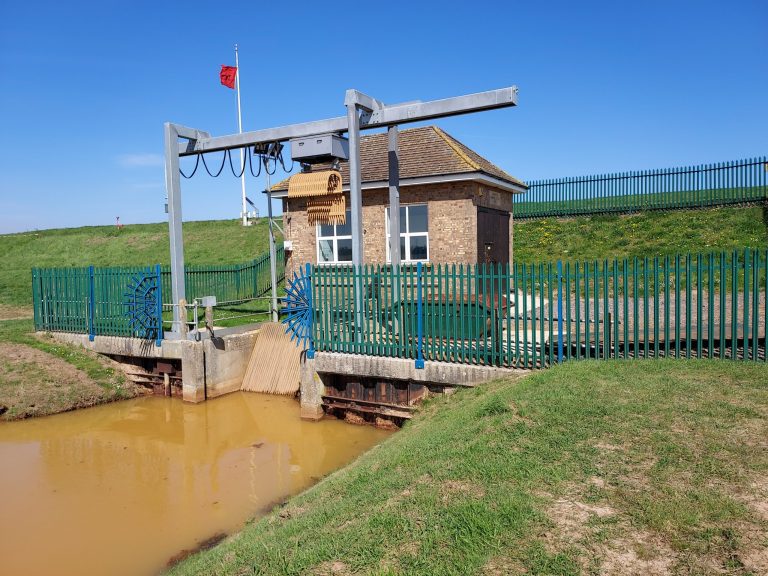
South Holland Internal Drainage Board (IDB) has awarded Barhale a contract to install, reinforce and renovate vital drainage works in Lincolnshire. The infrastructure and civil engineering specialist will renovate the inlet, outfall and surge chamber at Dawsmere Pumping Station, a crucial part of the network of flood defences in and around Holbeach. Dawsmere Pumping Station removes to the sea water collected by the network of local drains and is essential for the protection of the surrounding land and villages which typically lie one metre below high sea level. An unusual additional operational consideration is that, because the pumping station is located next to RAF Holbeach, the site must undergo “sweep and watch” protocols for unexploded ordnance before and during excavation work. Keven Stobbs, general manager at Barhale, described the pumping station at Dawsmere as in the front line of defence for the land behind the seawall. “South Lincolnshire, and specifically the South Holland area, is among some of the lowest-lying inhabited land in the UK,“ he said. “The system of drainage has been successfully developed and managed over centuries but we are more regularly facing extreme weather conditions so the process of maintenance and upgrade is hugely important. “When carrying out work, we don’t like to take any component out of the system for too long so have been introducing innovative approaches to accelerate delivery. At Dawsmere, we will use a dam formed from one tonne bagged aggregate which can be deployed and removed very quickly. Barhale regional director James Haddon sees the company’s selection for the South Holland IDB contract as a testament to the company’s expertise and experience across the water sector. “South Holland IDB is engaged in a long-term project to enhance the resilience of this important agricultural area and we are delighted to have been selected to work with them to deliver their programme.”

Read More »

Fire safety obligations & the cost of getting it wrong

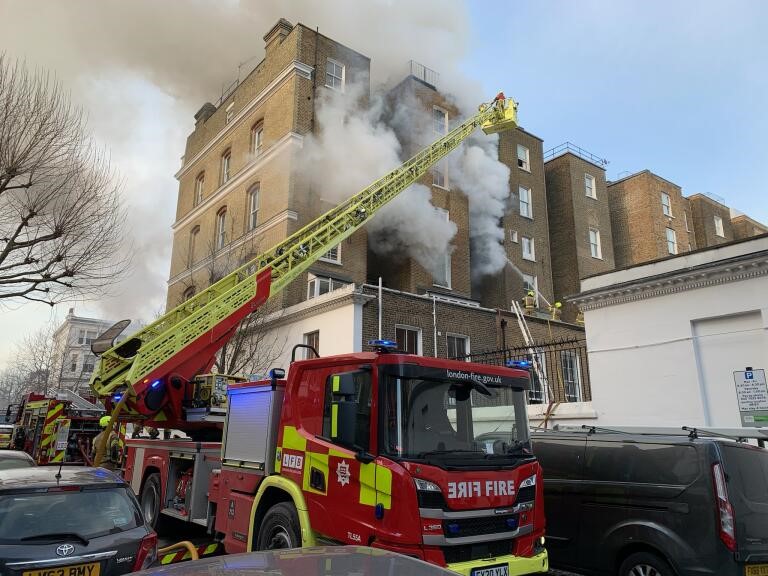
Charles Arrand considers the Regulatory Reform (Fire Safety) Order 2005, with a focus on both the potential business and human costs of failing to discharge obligations under the Order. Fire safety is regulated by the Regulatory Reform (Fire Safety) Order 2005 (the Order), which applies to almost all buildings, places and structures other than individual private homes. Fire safety cases carry a significantly elevated level of risk due to the number of people potentially affected by an adverse event, particularly in establishments containing vulnerable people. General obligationsFire safety is regulated by the Order, which requires any person who has some level of control in a premises to take reasonable steps to reduce the risk from fire and make sure people can safely escape if there is a fire. Under the Order, anyone who has control of a premises or anyone who has a degree of control over certain areas or systems may be a ‘responsible person’ and must complete the following: carry out a fire-risk assessment identifying any possible dangers and risks; consider who may be especially at risk; eliminate or reduce the risk from fire as far as is reasonably possible and provide general fire precautions to deal with any possible residual risk; take other measures to make sure there is protection if flammable or explosive materials are used or stored; create a plan to deal with any emergency and, in most cases, keep a record of findings; and review findings when necessary. Local Fire Services enforce the Order, carrying out inspections after a fire or as part of routine checks. Liability The consequences of getting fire safety wrong are potentially catastrophic; both in terms of the human cost to individuals, and impact on businesses. The financial costs associated with a breach of regulations can also have a major impact on an organisation. Though fire safety cases were specifically excluded from the Health and Safety Offences, Corporate Manslaughter and Food Safety and Hygiene Regulations Definitive Guideline (“the Guideline”) when it was introduced in 2016, the Court of Appeal has determined that the Guideline provides a useful analogy, and reference is often made to it in fire safety cases.[1] Of particular note is the requirement within the Guideline for the court to consider “whether the offence exposed a number…members of the public to the risk of harm. The greater the number of people, the greater the risk of harm,” and to consider adjusting the fine significantly upwards if so. A relevant consideration is that the potential impact of risk on vulnerable groupings is viewed as a serious aggravating feature of any offending. Fires in settings where accommodation is provided for significant numbers of people always create the risk of multiple injuries and fatalities. In certain such settings, such as care homes, the population at large may fall into the vulnerable classification. In March 2021, following the Fire Safety Consultation, the government announced proposed amendments to the Order that would see the introduction of unlimited fines for breaches of it. The impact of this in the context of fire safety enforcement could be as significant as the introduction of the Guideline, which has seen an unequivocal increase in fines for Health and Safety cases. Bupa case Private healthcare provider Bupa has recently been ordered to pay a purported record £1.04m penalty (fine and costs combined) after admitting fire safety failings. London Fire Brigade, prosecuting, said it was the “highest ever fine for fire safety breaches in the UK, highlighting the seriousness of Bupa’s failure to protect a vulnerable resident in its care”. In March 2016, 69-year-old wheelchair-bound Cedric Skyers sadly died when his cigarette set his clothes on fire in a garden shelter at Bupa Manley Court, Brockley.  Mr Skyers was unsupervised when a care assistant saw the fire from a first-floor window and called 999. Staff attempted to put the fire out, but sadly Mr Skyers died from his injuries. It was subsequently discovered that Mr Skyers’ clothes had become flammable as a result of the emollient creams used to treat him. In this case, investigators found that, while a smoking risk assessment had been carried out for Mr Skyers, Bupa had not assessed his use of emollient creams in that context. Apparent burn marks indicative of previous incidents were found on Mr Skyers’ clothing after his death. Care home staff stated they had been unaware of this and, had they been so aware, would have completed more regular checks. Bupa pleaded guilty and is reported to have accepted that it had failed to: ensure staff understood the risks from the use of emollient creams; warn residents using paraffin-based products not to smoke, or, require precautions to be taken; instruct staff not to leave a resident using paraffin-based products smoking unsupervised; and carry out a suitable and sufficient individual smoking risk assessment. Care providers should ensure that they assess the ability of residents to smoke safely, checking clothes for burn marks if necessary. Consideration should also be given to fire retardant clothing, smoking aprons and personal alarms. Bupa said it had introduced Comprehensive Risk Assessments for residents that smoke, as well as staff training on paraffin based emollient creams and smoking aprons and supervision as a result. At first glance, and without background understanding, this tragic accident may look like an unlikely ‘freak’ incident; but that is far from the case. While residents wishing to smoke present a number of challenges for care providers generally, Fire Services, the Care Quality Commission (CQC) and others have issued guidance addressing the use of paraffin-based emollients for smoking residents. Under the microscopeThe tragic fire at Grenfell Tower in 2017, and the Public Inquiry into it, has put fire safety at the forefront of discussion, including for those responsible for implementing and enforcing legislation. The size of the fine in the Bupa case sets no legal precedent, but is an important reminder of the consequences of failing to discharge duties, as the prosecuting fire service was keen to emphasise; ‘If there can be

Read More »

BESPOKE RAINSCREEN CLADDING INSTALLATION QUALIFICATION LAUNCHED TO TACKLE INDUSTRY SHORTAGES 

AWARDING BODY ProQual and digital-first training platform provider Tequ have come together to pilot a job-specific rainscreen cladding installation qualification, designed to help address the current shortage of trained and qualified professionals in the construction industry as quickly as possible.  Findings following the Grenfell Tower disaster in June 2017 identified a total of 477 high-rise residential buildings and publicly owned buildings as having aluminium composite material cladding such as that used on the tower, which would need to be removed.  With the Building Safety Bill and Fire Safety Act set to require even more work in cladding remediation, it is crucial that the shortage of trained and qualified rainscreen cladding installation professionals within the construction industry is addressed.  The partnership between ProQual and Tequ is supported by the Construction Industry Training Board (CITB) and provides a digital-first delivery with an ability to learn in an agile way that suits the student’s need. The new qualification – called ProQual Level 2 Award in Rainscreen Cladding Installation – will be assessed by ProQual approved training providers through Tequ’s innovative learning platform. Using a blended learning approach with a digital recording system, this new course can be achieved quickly and become a platform for students to choose their onward learning – whether that is on a pathway in cladding or a transition to other parts of the construction sector. Jenni Longden, chief executive of Tequ, said: “We’re really pleased to be working in partnership with ProQual to deliver this much-needed, skills-specific training course into the construction industry. The shortage of trained rainscreen cladding installer professionals is a problem for the sector, so it’s important that we tackle that as quickly as possible. “Shorter, more specific and agile qualifications are a key way for us to do this, which aligns with both what the industry needs and what people want from their training too. We are really excited to embark on this scheme and look forward to hearing the feedback from the centres and those participating in the qualification.”  The qualification puts job-specific skills into the hands of construction professionals to help tackle the ongoing cladding crisis. The learner will develop their knowledge and skills in a workplace environment covering criteria such as health and safety, fire risks, equipment preparation and the all-important installation method.  The pilot scheme has been launched with four training centres, Endeavour Safety Services, Bercaf, Skills Centre and ASQ. The scheme covers 100 learners all due to complete their qualifications by this autumn. Mike Hewitt, business services manager of ProQual, said: “With the ongoing need to remediate cladding work across the country, it became starkly clear to us that the training courses available on the market were too time consuming. We wanted to help provide a qualification in a more efficient manner and provide the future of learning with e-portfolios and CVs. “We are proud of what we have produced and look forward to working with Tequ and the training providers to get our first learners fully qualified and out onto site with the job-specific skills they need.”   Gerard Toplass, group CEO of The 55 Group, Tequ’s parent organisation, said: “It is fantastic that this collaboration brings together a new digital way of learning, which could really help make the industry more responsive. By delivering skills to young people quickly, will provide them with a life of careers rather than a career for life.  “We see this pilot as a template for future qualifications that can be delivered quickly, allowing the sector to become more responsive to future needs in other areas including renewables, electric vehicle charging and more. We need to promote a ‘Passport for Construction’ approach for the sector and this pilot project is a great building block. “We are really pleased this pilot has been backed by key organisations and figures in the industry, including the CITB and Dame Judith Hackitt. Tackling the ongoing shortfall in people with specific skillsets in the construction industry is something we’re particularly passionate about and will continue to work on into the future.”  For more information about the ProQual Level 2 Award in Rainscreen Cladding Installation course or to onboard, please visit https://www.proqualab.com/media/documents/ProQual-L2-Award-in-Rainscreen-Cladding-Installation.pdf Building Design and Construction Magazine | The Home of Construction & Property News

Read More »

Once in a lifetime regeneration scheme unveiled at Canada Water

Delivering up to 3,000 new net zero homes, office space for an estimated 20,000 workers and up to one million sq. ft. of leisure, cultural and education facilities, the 53-acre Canada Water masterplan is a once in a generation opportunity to reimagine a 21st century town centre for London. Located in the heart of London – on the intersection of the Jubilee and Overground lines, just an 11-minute tube ride from the West End, 9-minute overground ride to Shoreditch and a short tube, bus, bike or walk to the City – yet surrounded by over 160 acres of green spaces, park, woodland and some of London’s most historic docks, Canada Water’s location is truly unique. The masterplan will add 12 acres of new parks and squares for the local community and visitors to enjoy, as well as green corridors linking everything together.  The masterplan will deliver the right mix of homes, shops, offices, and things to do and see that will appeal to everyone from all walks of life – from pubs, shops and restaurants to a new leisure centre with a swimming pool, gyms and sports facilities. With more people under 35 living within a 45-minute commute than any new regeneration scheme in London, Canada Water is easily accessible to London’s huge and diverse pool of talent. Emma Cariaga, Joint Head of Canada Water, British Land, said, “We have an incredible opportunity at Canada Water. The chance to reimagine an entire town centre – in the heart of London, surrounded by parks and waterways – comes once in a lifetime. “A truly unique place, Canada Water is central, but has a local, leafy feel. It is the sort of place where you’ll know your neighbours and feel part of a real community, where businesses can grow and where people will put down roots. A diverse area that is already home to people from all walks of life, the development will not only preserve but enhance all of the local history, character and biodiversity that’s already here.​ “Canada Water will be the perfect place for people that want to live and work in green, healthy spaces with a real sense of community within walking distance of a range of amenities – themes that have become increasingly important since the pandemic.” All of this will be achieved in the most sustainable way, not just in terms of the environment but also the local community. Canada Water will be a net zero neighbourhood by 2030, delivered through materials innovation and a ‘sustainability first’ approach to all elements of design and construction.[1] In addition, British Land has spent the last decade getting to know the local community and establishing initiatives that lay the foundations for local people to benefit from the opportunities the development will generate.[2] Councillor Helen Dennis, cabinet member for climate emergency and sustainable development at Southwark Council, said: “We are seizing the unique opportunity to transform a historic London docklands location into a distinctive, new waterside town centre in partnership with British Land and AustralianSuper. “With easy links to central London and all that Southwark offers, Canada Water will have something for everyone. From thousands of new homes, particularly hundreds of much-needed social rent homes, to new shops, offices, open spaces and a brand-new public leisure centre. “Thanks to ongoing collaboration with the local community, we are bringing forward a vibrant, diverse neighbourhood with a strong connection to the area’s rich heritage. We recently approved planning for a 1.5 million sq. ft commercial scheme at Canada Water Dockside that will further strengthen our exciting plans with British Land to create a thriving business destination and new town centre for Southwark and London alike.” The masterplan is being brought to life through a 50:50 joint venture between British Land and AustralianSuper, Australia’s biggest profit-to-member pension fund. The joint-venture, which was announced in March 2022, has resulted in additional funding to progress the major regeneration scheme. Phase 1 of the masterplan is already under construction and is expected to be complete in Q3 2024. [1] See Appendix: Environmental sustainability credentials for more detail [2] See Appendix: Social sustainability credentials for more detail Building Design and Construction Magazine | The Home of Construction & Property News

Read More »

Elevate appoints a trio of contractors to deliver £32m+ builds across the Midlands

Construction deals worth more than £32m have been signed in the Midlands after a trio of contractors were selected on behalf of Elevate Property Group. The Midlands’ leading independent developer, led by property entrepreneur Steve Dodd, has selected Kings Heath-based Kavanagh Construction to start work on the transformation of Imperial House in Solihull next month. It marks the start of construction on the final phase of Princes Gate project, with the development of ‘Imperial House’ comprising 60 luxury apartments on the site of a former multi-storey car park in the town. Also due to start in June is a multi-million pound scheme for a mixed-use retail and residential development on the riverside Muller Yard location in Nottingham, an extension to the Trent Bridge Quays scheme. Construction of 44 apartments and 14 town houses, along with 5,000 sq ft of commercial space, will be delivered by Leicester-based Bode Contracting. The final appointment will see Telford-based Bespoke Construction Services Ltd take on a landmark project to bring an historic site in Birmingham’s Gun Quarter back to life. Gunsmith House, in Price Street, will be restored as part of the overall development that will deliver 85 new homes to the area. Steve Dodd, of Elevate Property Group, said all three contractor appointments reflected the company’s commitment to working with regional partners on developments which revitalise communities. The build cost for the three projects is in excess of £32 million.  James Costello, Elevate’s Development Director added “We’re proud to be leading the way in the redevelopment of several sites across the Midlands, including investing in high-profile locations in Birmingham, supporting the UK’s heartland to recover post-pandemic. “We want to partner with contractors who share our values and our vision for delivering exceptional projects of outstanding quality. The appointment of Kavanagh Construction, Bespoke Construction Services and Bode Contracting reflects this commitment and will give confidence to investors, buyers and ultimately the communities where our developments come to life.” Aiden O’Gara, of Kavanagh Construction, said: “We’re currently working with Elevate on its prestigious Heaton House development in Birmingham, so we are delighted to be continuing this working partnership with a new contract to develop Imperial House at Princes Gate.” Bode Contracting, which is currently delivering Elevate’ Priory House development, will develop the Muller Yard phase of the Nottingham Trent Bridge scheme, due for completion Q3/Q4 2023. Dan Bodell said: “We have a great working relationship with Elevate and are looking forward to this continuing with the delivery of the upcoming Muller Yard scheme”. Arran Summerfield, of Bespoke Construction, said: “It’s fantastic to be involved in delivering this landmark project for Elevate in the heart of Birmingham’s gun-making industry”. The project is expected to be completed in late 2023.” Funding for all these developments has been provided by Paragon and Pluto Development Finance. Building Design and Construction Magazine | The Home of Construction & Property News

Read More »

ASFP releases further guidance documents

The Association for Specialist Fire Protection (ASFP) has expanded its range of guidance with the release of three new and three updated documents.  The new Advisory Notes 27, 28 and 29 offer advice on particular issues of concern to the industry. Advisory Note 27 provides advice on the structural fire protection of steel beams with corrugated webs. These fabricated sections, which were recently introduced to the market, offer a thinner steel plate than can be used in traditional webs. While this saves weight and cost, the fire-resisting performance of these sections is not fully understood. The advisory note warns against the use of plain section data in support of a corrugated web section without extra testing. Advisory Note 28 covers the firestopping of metal pipes where flanges are located close to service penetration seals. It encourages earlier involvement of passive fire specialists to prevent the construction of untested service penetration arrangements, particularly in the presence of flanges within the secondary insulation zone (typically within 500mm of the wall). Arrangements of flanges can be covered within the scope of BS EN 1366-3: Fire resistance tests for service installations. Penetration seals, although this is not commonplace.  For the avoidance of issues with certification and installation, it is simplest to keep the flanges more than 500mm away from the wall. However, this detail is not always considered during the spatial coordination of services.  The final new publication, Advisory Note 29 covers planned maintenance. This draws upon advice from within the Regulatory Reform (Fire Safety) Order; BS 9999: Code of practice for fire safety in the design, management and use of buildings; and BS 8524: Active fire curtain barrier assemblies to ensure that a competent person conducts that maintenance.Meanwhile, Advisory Note 21 has been updated. This covers coatback to secondary structural steel. It highlights that this can prevent conduction of heat into a primary structural member and its consequent early failure. As new evidence becomes available, it is likely that this document will be updated again.  Technical Guidance Documents (TGDs) 15 and 20 have also been revised. TGD 15 provides advice on the installation and inspection of spray-applied passive fire protection. The document has been updated to align the film thickness measurement criteria for these materials to ASTM E805. The document has also been updated to take the implications of Brexit into account and the consequent changes to UK Construction Product regulations.The changes to UK Construction Product regulations and the introduction of the UKCA mark also prompted the revision of TGD 20, which covers the CE marking of fire-resisting and smoke control duct sections.  All the documents are available for download from the Publications area of the ASFP website, www.asfp.org.uk Building Design and Construction Magazine | The Home of Construction & Property News

Read More »

London Fire Brigade responds to government fire reform announcements

• The Brigade welcomes the government’s commencement of the Fire Safety Act and warns building owners and managers it will use this new clarification of powers if safety is put at risk. • Almost five years on from the tragic Grenfell Tower fire, people need certainty about how to leave their building in the event of a fire. This is an urgent issue that the government needs to address to ensure everybody feels safe in their home. • The Brigade welcomes the publication of the White Paper setting out the government’s vision of the future direction of the fire and rescue sector. In response to government announcements last week about reform in the fire and rescue sector, London Fire Brigade says it will start using new enforcement powers and will continue to support further change to protect the communities it serves. The Brigade also calls for the building and design sectors to step up and take urgent action to remediate their buildings if there are serious fire safety failings. There are still more than 1,000 residential buildings with fire safety failings in London, and there still needs to be a culture change in the industry and we must ensure that new buildings of all types are built safely from the outset. Commencement of the Fire Safety Act 2021 London Fire Brigade is warning building owners and managers it will use new legislation to take enforcement action if they are putting residents’ lives at risk by not taking the fire safety of their buildings seriously. The provisions in the Fire Safety Act 2021 came into force this week, after receiving Royal Assent in April last year. The Act clarifies the extent of the duties and responsibilities of the responsible persons for residential buildings and fire and rescue services’ enforcement powers under the Regulatory Reform (Fire Safety) Order 2005. The act allows enforcement where those duties are not being met, particularly where they were previously unclear on the exterior of buildings and flat front doors. Government has also published a risk-based prioritisation tool to assist building owners in the prioritisation of risks across their buildings. Following the commencement of the Act, London Fire Brigade Commissioner, Andy Roe, said: “The new legislation gives fire and rescue services much-needed clarity to take enforcement action against building owners and managers who are not meeting their responsibilities on external areas of buildings, such as cladding and balconies. “We have already warned London’s building owners and managers that this was coming and we will use these news powers if they aren’t meeting their legal responsibilities so we are again reiterating our calls that they need to take urgent action to fix their buildings if there are serious failings. “Now the provisions in the Fire Safety Act have come into force, we will be working with NFCC and government to look at how we can best move forward in a way that is consistent across the country and enables us to enforce as quickly as possible against those that continue to drag their feet. “We still need to see a culture change in the industry when it comes to fire safety in residential buildings. It is extremely concerning that the number of buildings with serious fire safety failings has been at more than 1,000 for almost a year. “We must never forget what has brought us to this day and that is the 72 people who died at the Grenfell Tower fire and all those affected. They remain in our thoughts.” Personal Emergency Evacuation Plans (PEEPs) consultation response Responding to the government’s response to the PEEPs consultation, Commissioner Roe, said: “It’s vitally important that people feel safe in their own homes and have certainty about how to leave their building in the event of a fire or other emergency. “PEEPs were a key recommendation from the Grenfell Tower Inquiry and we want to work with government, communities and other partners to make progress on evacuation plans. We will be responding to this consultation.” Fire reform White Paper Responding to the publication of the government’s Command Paper about reforming the fire and rescue sector, Commissioner Roe, said: “The Brigade is continuing to transform as an organisation to meet the changing needs of London’s communities and we welcome the publication of government’s reform plans, which set out its vision of fire and rescue services. “We will continue to work with the Mayor of London and colleagues in the Home Office, National Fire Chiefs Council, and the Fire Brigades Union to ensure that the government’s approach reflects the best interests of Londoners, firefighters and the sector as a whole.”

Read More »

NEW BUILD TRAVIS PERKINS COMPLETES AT VESUVIUS, WORKSOP

A 1,933 sq m purpose built builders merchant facility has completed at the Vesuvius development off Sandy Lane, Worksop with Travis Perkins set to open in July 2022. Property development and investment company, CEG, managed the build of the bespoke unit, which will be leased by Travis Perkins. The development will create 20 new jobs, deliver a new supply chain facility for existing local business and bring economic benefits to the area. Will Moss, Acquisition Director from Travis Perkins plc, said: ” We’re really excited to have secured this new two acre site in Worksop, which will be a key branch for Travis Perkins, providing a fantastic offering for our customers. It’s scheduled to open in July and this means we’ll be able to create new jobs in the community and help support Worksop’s construction workers and tradespeople with the expert knowledge and advice that they come to expect from Travis Perkins.”  CEG is currently managing the comprehensive regeneration of the 17.75ha Vesuvius site. With planning permission for more than 200,000 sq ft of employment space, the first phase of 46,000 sq ft of multi-tenanted industrial units adjacent to Asda completed last year and is almost fully let. Nottinghamshire Fire and Rescue Service also acquired land at the site and has built a new fire station. Subsequent phases will also offer larger employment units including speculative as well as pre-let, design and build development for office, light industry, storage and distribution requirements. Will Martin, strategic land lead at CEG, said: “We welcome Travis Perkins to this thriving business community. This brownfield regeneration has proved a success with many companies thriving on the site. It has been the largest speculative development of this scale and quality in Worksop for many years and we continue to see strong interest in the space from well-known national trade and industrial occupiers alongside smaller, local businesses.” In 2018, supported by D2N2, CEG delivered a £5.5million package of works to create a new roundabout and access road opening up the site and remediating it for redevelopment. This makes the site easily accessible to the A60, A57, Worksop and its surrounds. D2N2 LEP Interim CEO, Will Morlidge, said: “It’s great to see that the new Travis Perkins branch has been completed and will soon be open to benefit the local community. The Vesuvius site represents an exciting landmark development for Worksop and the wider area, and we’re very proud to have supported it. The success of the site demonstrates the resurgent appetite for investment across north Nottinghamshire, supporting our collective ambitions to rebuild and grow our economy.” Chris Proctor & Anthony Barrowcliffe from FHP and Ben Flint from Fisher German are marketing the site. Chris Proctor said: “It is fantastic news to have attracted the big name of Travis Perkins to Vesuvius. This strong brand complements an already strong line up of names at this Worksop business destination. “We have just four industrial / trade units remaining on this first phase of the development offering from 3,750 sq ft up to 5,100 sq ft. This presents an excellent opportunity for both local and national occupiers. There are also land opportunities for units up to 200,000 sq ft.  We would be delighted to talk with any businesses considering a move to Vesuvius, Worksop”. Building Design and Construction Magazine | The Home of Construction & Property News

Read More »

How much construction businesses lose from injured workers and ways to reduce these costs

There are so many different costs for construction business owners to juggle, from wages to resources. However, one major cost which isn’t at the forefront of many managers minds is the losses incurred from injured workers. These losses can have a big impact on your business as injuries can put your workers out of action — potentially for months. And they can of course be absolutely devastating for the affected employees, who should be your top priority. So, to both protect your staff and help your business, prioritising workers safety is a must. But just how much can employee injuries cost a business? And what are some of the best ways to reduce these costs? The industrial tool suppliers Zoro are here to tell us more. How much do construction-related injuries cost? Injured employees can be a major cost for all businesses, but especially in high-risk sectors like construction. There are many different costs for businesses to consider when dealing with an injury, including paid sick leave, hiring temporary replacements, and sometimes compensation. So, it’s no surprise that construction-related injuries cost £659 million a year according to data from the HSE. On top of this the total cost of both injury and ill-health in the construction industry is a staggering £1.29 billion annually. The good news is that there was a 7.85% decrease in the number of non-fatal injuries in the year 2019/20 (Professional Electrician). However sadly the number of fatalities in the construction industry rose from 1.36 workers per 100,000 in 2018/19 to 1.84 per 100,000 in 2020/21. So to save both you and your employees from financial burden, and most importantly to keep your employees safe, it’s important to consider the best ways to reduce these costs. How your business can reduce these costs The best way your business can reduce the cost of injured employees is of course by preventing these injuries in the first place. Here are some of the best ways to keep your employees safe on the job. Give them top quality protective clothing While it doesn’t eliminate the risk all together, having the best PPE is one of the most effective ways to prevent employees from sustaining injuries. It provides your staff with a barrier to help them avoid dangerous impacts of the hazard, and should be used at all times when dealing with dangerous tools and hazardous substances. Check that the following pieces of PPE are up to date. If they’re looking worn and it’s more than just cosmetic damage, you should get rid of them straight away and opt for a new durable replacement. · Good fitting hard hats to wear at all times. · Ear defenders for employees working with loud machinery. · Eye protection to avoid falling debris and protect the eyes when working with harmful chemicals. · Masks to protect workers faces when working up close with tools, and to prevent them from inhaling toxic chemicals. The filter type should be appropriate for the type of particulate matter or dust that employees are likely to be exposed to. · High visibility clothing so workers can be easily spotted at all times. · Aprons, gloves, and other protective body wear to protect the skin from toxic chemicals. As well as making sure the above are in good condition, you should also ensure that your staff find them comfortable. Employees are much more likely to keep wearing them when necessary if it is comfortable to do so. Stock a range of sizes and encourage staff to come to you for replacements if they no longer fit. Provide staff with the appropriate training It’s important that staff feel confident in preventing injuries for both themselves and their colleagues, so make sure that they receive health and safety training regularly. Many workplace injuries in construction are avoidable, so by giving staff the knowledge of what to do, you can significantly lower the risk of workplace accidents. This will also make your employees feel much safer at work, so it’s a win-win for the whole team. There are many external training providers available if you would like to get advice from an expert. To find out more about the different options available, check out the official advice from the Health and Safety Executive. You may also want to provide health and safety representatives who can both supervise the safety of your workforce and help out with training too. Having a dedicated health and safety representative can also make your employees feel more comfortable at work, and their feedback can help you tweak your health and safety policies when needed. Conduct regular health and safety inspections To help staff feel safe and reduce the risk of workplace injuries, try to conduct regular inspections. As well as making your employees more likely to follow the health and safety rules, you will also be able to review current safety guidance and decide whether it is working well or whether it needs any additional measures. You can have an external health and safety advisor come in to inspect the workplace, but it’s also a good idea to supplement this with your own internal checks too. This allows the inspections to take place more often, to ensure that staff are regularly following the rules. And by conducting your own last-minute randomised inspections as well as routine ones, you can check that employees follow the rules if they don’t know they are being observed. There are lots of different aspects to consider in a health and safety inspection, including use of machinery, storage of chemical substances, welfare practices, and fire safety, so it can be overwhelming for someone to conduct the checks alone. To make the inspections as thorough as possible, put together a team of health and safety inspectors so that no areas are missed. Invest in the best tools Using the best quality tools has numerous benefits for both employers and employees. It allows employees to produce their best work, it can make it much quicker

Read More »