Commercial : Mixed-Use News
Camden Approves £1bn Film Quarter to Create Major Creative and Residential Hub

Camden Approves £1bn Film Quarter to Create Major Creative and Residential Hub

A landmark £1bn regeneration project set to transform part of north London into one of the UK’s largest film and television production destinations has received planning approval from Camden Council. The Camden Film Quarter development at Regis Road in Kentish Town will combine world-class production facilities, creative workspaces, education opportunities

Read More »
UK cities entering a new era of mixed-use development

UK cities entering a new era of mixed-use development

City centre development is becoming more integrated, with residential rental tenures now dominating delivery, prime office supply tightening, and retail reshaping regeneration across the UK’s major regional cities, according to a new report by Savills. This new phase of regeneration within UK cities is becoming defined by increasingly integrated mixed-use

Read More »
Planning permission secured for landmark transformation of Bristol’s Canons Wharf development

Planning permission secured for landmark transformation of Bristol’s Canons Wharf development

Kinrise and Mactaggart Family & Partners (MF&P) announce next chapter for iconic Harbourside site, set to become a best-in-class workplace and cultural destination Kinrise and Mactaggart Family & Partners (MF&P) has secured planning permission for the transformation of Canons Wharf, one of Bristol’s most recognisable waterfront sites, marking a major milestone in

Read More »
Broad Marsh Revival Moves Forward as Homes England Seeks Developer Partner

Broad Marsh Revival Moves Forward as Homes England Seeks Developer Partner

Homes England has launched the search for a development partner to help restart the long-awaited transformation of Nottingham’s former Broad Marsh shopping centre. The government housing agency began preliminary market engagement at UKREiiF as it looks to bring forward a major mixed-use regeneration scheme on one of Nottingham’s most prominent

Read More »
Old Oak Set for £12bn Transformation as Partner Hunt Begins

Old Oak Set for £12bn Transformation as Partner Hunt Begins

Plans for one of the UK’s most ambitious regeneration projects have moved a major step forward after heads of terms were agreed to create a unified 70-acre development site surrounding the new HS2 Old Oak Common station in west London. The landmark scheme, expected to carry a development value of

Read More »
Buxton Set for £100m Town Centre Transformation

Buxton Set for £100m Town Centre Transformation

Plans have been submitted for a major £100m-plus regeneration of The Springs shopping centre in Buxton, paving the way for a new residential-led neighbourhood in the heart of the Derbyshire town. Developer Capital&Centric is working with High Peak Borough Council to bring forward the transformation, which would replace the existing

Read More »
Latest Issue
Issue 343 : Aug 2026

Commercial : Mixed-Use News

Camden Approves £1bn Film Quarter to Create Major Creative and Residential Hub

Camden Approves £1bn Film Quarter to Create Major Creative and Residential Hub

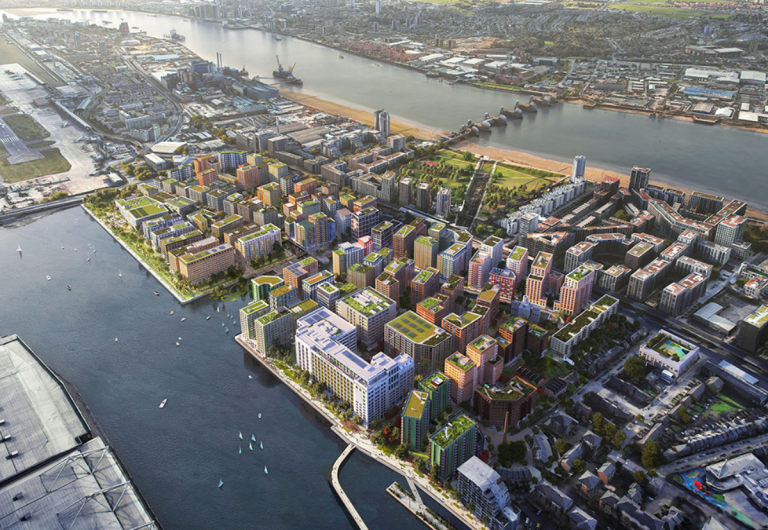
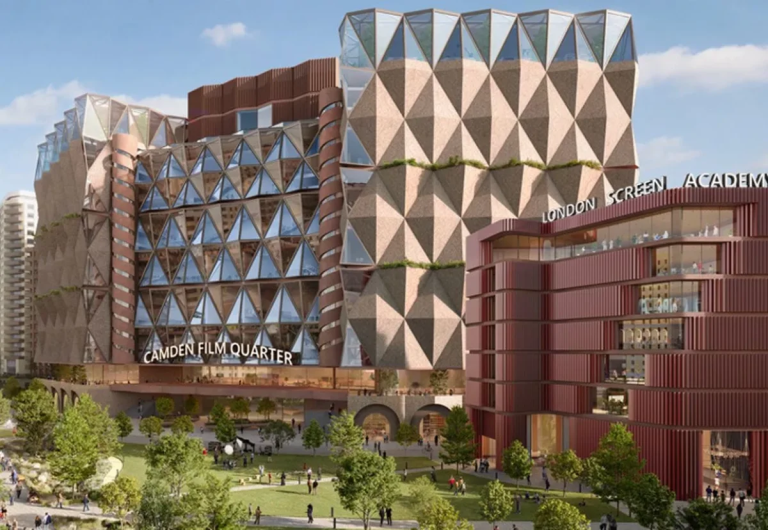
A landmark £1bn regeneration project set to transform part of north London into one of the UK’s largest film and television production destinations has received planning approval from Camden Council. The Camden Film Quarter development at Regis Road in Kentish Town will combine world-class production facilities, creative workspaces, education opportunities and new homes within a single mixed-use masterplan, creating a major new hub for the capital’s rapidly growing screen industry. At the heart of the scheme will be 11 purpose-built sound stages operated by Oxygen Studios, alongside more than 100,000 sq ft of creative workspace designed to support production companies, digital businesses and wider creative enterprises. The development will also deliver 485 new homes, with half of the properties designated as affordable housing. Housing provider Places for People will be responsible for delivering 243 affordable homes as part of the wider neighbourhood. Designed by architecture practice SPPARC, the masterplan seeks to create a fully integrated creative ecosystem where production, education, employment and residential communities can thrive alongside one another. A key feature of the project is the inclusion of educational facilities, with both the National Film and Television School and London Screen Academy set to establish a presence within the development. Together, the facilities are expected to support more than 500 learners, helping to create a direct pathway between education, skills development and employment opportunities within the screen sector. Developers estimate that the completed scheme will support almost 4,000 direct jobs, while generating more than 5,000 additional employment opportunities across the wider economy. Beyond the studios and housing, the plans include 1.1 hectares of public open space, the planting of 301 new trees, a new recycling facility and the restoration of the Grade II-listed Kentish Town Police Station, helping to preserve an important piece of local heritage. Yoo Capital, the developer behind the project, describes Camden Film Quarter as far more than a studio development, positioning it as a destination that brings together culture, education, employment and community within a single vision. The approval marks a significant boost for London’s creative economy at a time when demand for studio space continues to rise, driven by ongoing investment from global film, television and streaming companies seeking high-quality production facilities across the UK. Building, Design & Construction Magazine | The Choice of Industry Professionals

Read More »
UK cities entering a new era of mixed-use development

UK cities entering a new era of mixed-use development

City centre development is becoming more integrated, with residential rental tenures now dominating delivery, prime office supply tightening, and retail reshaping regeneration across the UK’s major regional cities, according to a new report by Savills. This new phase of regeneration within UK cities is becoming defined by increasingly integrated mixed-use development, as residential, commercial and leisure uses become more interdependent in response to shifting economic dynamics, changing patterns of urban living and evolving investor preferences. Across regional markets, the balance between demand, development viability and structural change is shaping the next cycle of urban growth. According to the latest report by Savills Research – UK Cities: a mixed-use perspective – the decade leading up to the global financial crisis saw city centre development in the Big Six regional cities (Birmingham, Bristol, Edinburgh, Glasgow, Leeds and Manchester) dominated by private sale housing. Over the last 10 years, however, a much broader mix of uses has emerged, with Build to Rent (BTR) overtaking private sale as the primary driver of city centre housing delivery, Purpose-Built Student Accommodation (PBSA) expanding rapidly, and co-living emerging as a new asset class. This shift reflects strong demand fundamentals and the growing role of institutional capital, which has supported large scale, placemaking-led regeneration. Savills notes that rental growth across the Big Six has averaged between 4% and 7.5% per year over the last five years, supporting strong returns – although continued build cost increases and growing affordability pressures mean developers and local planning authorities will need to take a pragmatic approach to viability in order to maintain strong development pipelines. The report also highlights a significant structural shift in office markets. In the post-pandemic environment, uncertainty around hybrid working contributed to rising vacancy in older, less efficient buildings, but demand has become increasingly polarised as occupiers prioritise modern, highly sustainable offices in central, well-connected locations. More than 60% of expected 2026 office take-up is forecast to be Grade A and prime, underlining the depth of demand for high-quality space. At the same time, the office development pipeline remains exceptionally thin. Savills states that only Manchester and Leeds currently have new schemes under construction that are due to complete beyond 2026, leaving supply constrained just as occupiers focus on securing prime accommodation. Prime headline office rents have risen by an average of 30% over the past five years and, if that trajectory continues, could soon approach the £60 per sq. ft. threshold that many developers consider necessary to re-establish viability. Retail is also evolving, moving away from traditional formats towards mixed-use environments centred on experience, leisure, and food and beverage. In this context, retail plays an essential role in placemaking by supporting footfall and enhancing the attractiveness of city centres. Ground-floor activation – including shops, bars, restaurants and cafés – is increasingly recognised as the element that connects homes, offices and hotels, helping to attract target occupiers and residents while maximising value across the wider scheme. Research from Savills also illustrates the scale and diversity of delivery across the UK’s major urban markets between 2016-2025. Among the Big Six, Manchester recorded 5.3 million sq. ft. of office delivery, 15,650 BTR homes and 3,448 co-living beds, while Birmingham delivered 3.4 million sq. ft. of offices, 6,397 BTR homes and 6,985 student beds. Leeds delivered 10,042 student beds, while Edinburgh recorded 947,000 sq. ft. of retail delivery. Looking ahead, Savills says city centre development will continue to be driven by strong underlying demand, but increasingly constrained by viability challenges. Emily Williams, Director of Residential Research at Savills, says: “Residential is expected to remain at the heart of city centre regeneration, particularly through rental-led models, although rental growth is expected to moderate as affordability limits are reached. High construction costs, borrowing costs and regulation are all expected to continue restricting new supply and widening the gap between demand and delivery.” Jonathan Lambert, Co-lead of Savills’ Mixed-Use Sector Group, adds: “Market polarisation is certainly a defining theme, with larger and more established cities best placed to sustain development, while smaller or more constrained markets may struggle in a higher-cost, higher-risk environment, particularly where planning obligations present too many challenges. “Local authorities will need to adopt a pragmatic approach to viability, with public-private partnerships and the attraction of long-term patient institutional capital likely to be key to unlocking future opportunities.” Building, Design & Construction Magazine | The Choice of Industry Professionals

Read More »
Derbion Masterplan Secures Green Light for 1,150 New Homes in Derby City Centre

Derbion Masterplan Secures Green Light for 1,150 New Homes in Derby City Centre

A major regeneration programme set to reshape Derby city centre has moved a significant step forward after plans to deliver more than 1,150 new homes received planning approval. Shopping centre owner Derbion has secured consent for an ambitious mixed-use masterplan that will transform two prominent redevelopment sites, supporting Derby’s long-term vision to create a more vibrant and sustainable city centre. The approved proposals focus on the former Eagle Market site and the nearby Bradshaw Way Retail Park, both of which have been identified by Derby City Council as priority regeneration areas within its wider Vision for Derby strategy. The largest element of the scheme will see the long-vacant Eagle Market site redeveloped to provide 674 new homes across six residential buildings. The plans aim to breathe new life into a key city centre location that has remained underutilised since the closure of the historic market complex. Meanwhile, the Bradshaw Way Retail Park site will accommodate a further 478 homes, including a landmark 14-storey residential tower that is expected to become a defining feature of Derby’s evolving skyline. Derbion said the development forms a central part of its broader strategy to diversify the city centre by creating a thriving mixed-use destination where people can live, work and socialise. Alongside new homes, the wider vision seeks to strengthen Derby’s retail, leisure and hospitality offer by increasing footfall and supporting local businesses. The company believes that encouraging more people to live in the city centre will help attract additional investment from retailers, food and beverage operators and leisure brands looking to benefit from a growing residential population. The professional team behind the proposals includes Leonard Design Architects, Currie & Brown, Bidwells and Waterman. Beth McDonald, Managing Director at Derbion, described the masterplan as a once-in-a-generation opportunity to contribute to the revitalisation of Derby’s historic heart. She said the approval represented an important milestone in delivering much-needed new homes while creating the conditions for further economic growth and investment across the city centre. The development is expected to play a pivotal role in Derby’s regeneration ambitions, helping to transform underused sites into vibrant new neighbourhoods that support the city’s future prosperity. Building, Design & Construction Magazine | The Choice of Industry Professionals

Read More »
Planning permission secured for landmark transformation of Bristol’s Canons Wharf development

Planning permission secured for landmark transformation of Bristol’s Canons Wharf development

Kinrise and Mactaggart Family & Partners (MF&P) announce next chapter for iconic Harbourside site, set to become a best-in-class workplace and cultural destination Kinrise and Mactaggart Family & Partners (MF&P) has secured planning permission for the transformation of Canons Wharf, one of Bristol’s most recognisable waterfront sites, marking a major milestone in the reimagining of the iconic Grade II listed estate on the city’s Harbourside. The ambitious redevelopment will see the former Canons House building re-positioned as a vibrant, mixed-use campus, delivering 197,000 sq ft of high-quality workspace alongside industry-leading amenities, cultural spaces and public-facing destinations. Located in the heart of Bristol’s thriving Harbourside, the development will combine striking architectural heritage with contemporary design, creating a working environment like no other that reflects the city’s dynamic business and cultural community. The scheme will enhance the landmark crescent and circular buildings overlooking Lloyds Amphitheatre, reinforcing their status as one of the city’s defining architectural statements. The approved plans will deliver a range of premium facilities designed to support modern ways of working and wellbeing, including: Together, these amenities will position Canons Wharf as a destination workplace, blending productivity, wellbeing and community with a strong cultural offer, akin to the city’s identity. Sustainability is also central to the scheme, which will adopt a low-carbon retrofit approach, retaining and enhancing the existing structure while introducing energy-efficient systems, water-source heat pumps and all-electric infrastructure.   Once complete, the development will provide highly flexible Grade A office space suitable for both single occupier headquarters and a multi-tenant campus, supporting Bristol’s continued growth as a leading UK regional business hub.  Kilian Kleine, Investment Director & Head of Development at Kinrise, said;“Securing planning permission for Canons Wharf is a significant step forward in bringing this exceptional building back to life. Our vision is to create a workplace that is not only best-in-class in terms of design and sustainability, but one that genuinely adds to the energy of Bristol’s iconic Harbourside. “By combining architectural design with carefully curated amenities, from social and cultural spaces to wellbeing-led facilities, we are creating a destination where businesses and people can truly thrive. Canons Wharf will be a place that reflects Bristol’s ambition, creativity and sense of community, and we’re excited to move into the next phase of delivery.” Widely recognised as one of Bristol’s most distinctive buildings, Canons Wharf has long played a central role in the city’s commercial life. Its transformation will re-establish the site as a focal point for business, innovation and cultural events, while opening up new opportunities for engagement with the local community. With a preferred contractor in the wings, the works are expected to begin imminently, with the redevelopment set to deliver a new chapter for Bristol’s Harbourside, one that blends heritage, sustainability and forward-thinking design to create a truly iconic workplace destination Building, Design & Construction Magazine | The Choice of Industry Professionals

Read More »
Broad Marsh Revival Moves Forward as Homes England Seeks Developer Partner

Broad Marsh Revival Moves Forward as Homes England Seeks Developer Partner

Homes England has launched the search for a development partner to help restart the long-awaited transformation of Nottingham’s former Broad Marsh shopping centre. The government housing agency began preliminary market engagement at UKREiiF as it looks to bring forward a major mixed-use regeneration scheme on one of Nottingham’s most prominent city centre sites. The former shopping centre has remained partly demolished since the collapse of retail group intu in 2020, leaving the site in limbo and creating a major gap in the city’s urban fabric. Homes England stepped in last year to acquire the site from Nottingham City Council, including land west of the Green Heart, a multi-storey car park, Severns House and a former college site. The wider Broad Marsh vision is expected to deliver around 1,000 new homes, alongside up to 20,000 sq m of retail, office and community space. The project is also set to include Grade A offices, leisure uses, improved public realm and new green spaces. The latest market engagement is aimed at identifying an experienced master development partner capable of helping to accelerate delivery and unlock the site’s potential as a new city quarter. Demolition works, expected to cost around £30m, are already well underway. The scheme is being brought forward through a collaboration between Homes England, Nottingham City Council and the East Midlands Combined County Authority. The partners hope work on the main redevelopment can begin in 2028. Plans for Broad Marsh focus on reconnecting key city centre destinations and improving routes for pedestrians, cyclists and public transport users. New public spaces will be shaped around Nottingham’s “green heart”, helping to create a more open, accessible and sustainable part of the city centre. Homes England Executive Regional Director for the Midlands, Jo Nugent, said: “Broad Marsh presents a transformative opportunity for Nottingham. “Our partnership with Nottingham City Council, and now the East Midlands Combined Authority, formalised through our Collaboration Agreement, reflects a unified commitment from the public sector to bring this project to market successfully. “We are now focused on securing an experienced Master Development Partner who shares our vision and will work collaboratively with us to deliver a vibrant, mixed-use city quarter that Nottingham can be proud of for generations to come.” If delivered as planned, the Broad Marsh redevelopment will mark a major step forward for Nottingham’s regeneration ambitions, turning a stalled retail site into a new destination for homes, jobs, leisure and community life. Development timeline Building, Design & Construction Magazine | The Choice of Industry Professionals

Read More »
Old Oak Set for £12bn Transformation as Partner Hunt Begins

Old Oak Set for £12bn Transformation as Partner Hunt Begins

Plans for one of the UK’s most ambitious regeneration projects have moved a major step forward after heads of terms were agreed to create a unified 70-acre development site surrounding the new HS2 Old Oak Common station in west London. The landmark scheme, expected to carry a development value of around £12bn, will bring together land owned by the Old Oak and Park Royal Development Corporation (OPDC) and the Department for Transport into a single publicly owned site. Located around the future Old Oak Common super-hub, the project is set to become one of the capital’s largest brownfield regeneration opportunities. The station will connect HS2 with the Great Western Main Line, the Elizabeth Line and Heathrow Express, creating a major transport gateway for London and the wider UK. The wider masterplan aims to deliver 8,000 homes alongside 200,000 sq m of commercial, innovation and community space. Plans also include extensive public realm improvements, green open spaces and a new canal-side neighbourhood designed to attract technology, research and business investment. In total, the development is expected to support around 11,000 jobs and establish a major new economic district for west London. OPDC has now formally launched the search for a private sector development partner to help deliver the project through a long-term joint venture arrangement. The selected partner will oversee the planning, delivery and long-term management of the mixed-use scheme across its full lifecycle. The procurement process will officially begin with a launch event on 27 May, with OPDC aiming to appoint its preferred partner during 2027. Under current proposals, the joint venture is expected to run for an initial 20-year term, with the option of a further 10-year extension. Industry observers are already describing the project as one of the most significant regeneration opportunities currently available in Europe, with the scale of infrastructure investment and transport connectivity expected to attract major institutional and international interest. Building, Design & Construction Magazine | The Choice of Industry Professionals
Read More »
Buxton Set for £100m Town Centre Transformation

Buxton Set for £100m Town Centre Transformation

Plans have been submitted for a major £100m-plus regeneration of The Springs shopping centre in Buxton, paving the way for a new residential-led neighbourhood in the heart of the Derbyshire town. Developer Capital&Centric is working with High Peak Borough Council to bring forward the transformation, which would replace the existing shopping centre with a mixed-use scheme designed to reconnect the town centre, improve public space and support long-term investment. The proposals include 332 homes for rent, made up of a mix of townhouses and apartments. The development will also provide space for bars, shops and cafés, helping to create a more active and vibrant destination for residents, visitors and local businesses. A key part of the scheme is the improvement of routes through the town centre, including a better pedestrian connection from Buxton railway station. Plans also include new public squares, riverside spaces, additional greenery and a feature lift serving the station entrance, making the area more accessible and welcoming. Capital&Centric said the latest plans have been shaped to include a wider housing mix, more landscaping and two new public toilet blocks. Residents will also have access to shared amenities including a gym, mini cinema and co-working space, reflecting the developer’s focus on creating neighbourhoods that combine homes, community and lifestyle. The design approach takes inspiration from Buxton’s historic character, with colonnades, bay windows, limestone and gritstone proposed to echo the town’s architectural heritage while delivering a modern new quarter. John Moffat, joint managing director at Capital&Centric, said: “There’s a real opportunity here to create something that celebrates Buxton’s heritage and character while also giving the town centre the revitalisation it deserves. “We can’t wait to get spades in the ground and make this vision a reality.” High Peak Borough Council previously acquired The Springs shopping centre after securing £6.6m from the Government’s Future High Street Fund and committing £4.2m of its own funding. If approved, the scheme would mark a significant step forward for Buxton, delivering new homes, stronger town centre connections and a renewed public realm designed to support the town’s future growth. Building, Design & Construction Magazine | The Choice of Industry Professionals

Read More »
Sisk lined up for £280m Battersea Power Station phase as final Gehry buildings move forward

Sisk lined up for £280m Battersea Power Station phase as final Gehry buildings move forward

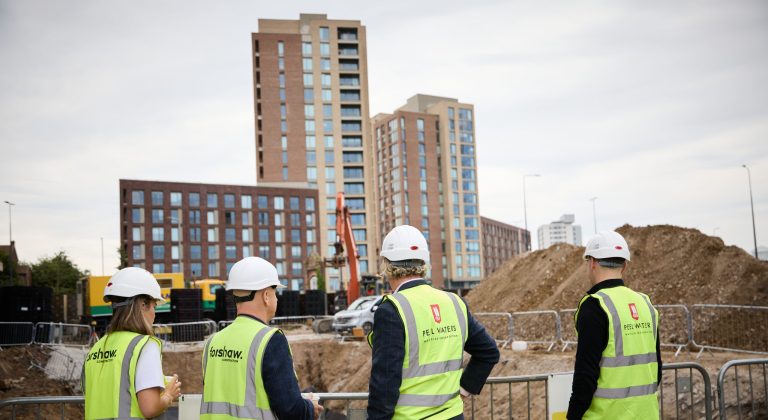
John Sisk & Son is understood to be the preferred contractor for the next phase of the Battersea Power Station development, with industry sources suggesting a deal is close to being finalised for phase 3C of the landmark scheme. The contract, valued at between £250 million and £280 million, would see Sisk deliver the final two buildings designed by Gehry Partners, completing the architect’s distinctive contribution to the wider masterplan. While the agreement has yet to be formally signed, Sisk has reportedly emerged as frontrunner, marking a significant potential win in the London residential and mixed-use market. The two buildings will form the final stretch of Electric Boulevard, the pedestrianised high street at the heart of the development. Known for its sculptural, undulating façades, the Gehry-designed element has become one of the most recognisable parts of the scheme. The proposed phase will comprise approximately 306 residential units alongside 65,000 sq ft of commercial space, including retail, café and restaurant uses. In addition, plans include a 15,000 sq ft community hub and a 600-space cycle facility, all supported by a substantial basement and podium structure. The buildings are expected to rise up to 15 storeys. Sir Robert McAlpine previously acted as construction manager on the first Gehry-designed building, Prospect Place, within the development. A start on site is anticipated in the coming months, signalling renewed momentum for the wider project following a more subdued period in London’s residential sector. The scheme sits within the broader Battersea Power Station regeneration, led by a Malaysian-backed consortium, which has already delivered thousands of homes, significant office space and a vibrant retail and leisure offer. The recent appointment of James Saunders as chief executive of the development company is expected to drive forward the remaining phases of the 42-acre riverside site. Meanwhile, Studio Egret West is revisiting the original masterplan developed by Rafael Viñoly, adapting later phases to reflect evolving market demand across residential, workspace and leisure sectors. The revised proposals are expected to unlock up to 3.2 million sq ft of additional development across the remaining site. Since acquiring the former power station in 2012, the development consortium has invested around £5 billion into transforming the site, delivering more than 2,200 homes, 800,000 sq ft of office space, over 150 retail and leisure units, and a major extension to the Northern line, firmly establishing Battersea as one of London’s most significant regeneration projects. Building, Design & Construction Magazine | The Choice of Industry Professionals
Read More »
Metrocentre partners with Gateshead Council on major riverside regeneration scheme

Metrocentre partners with Gateshead Council on major riverside regeneration scheme

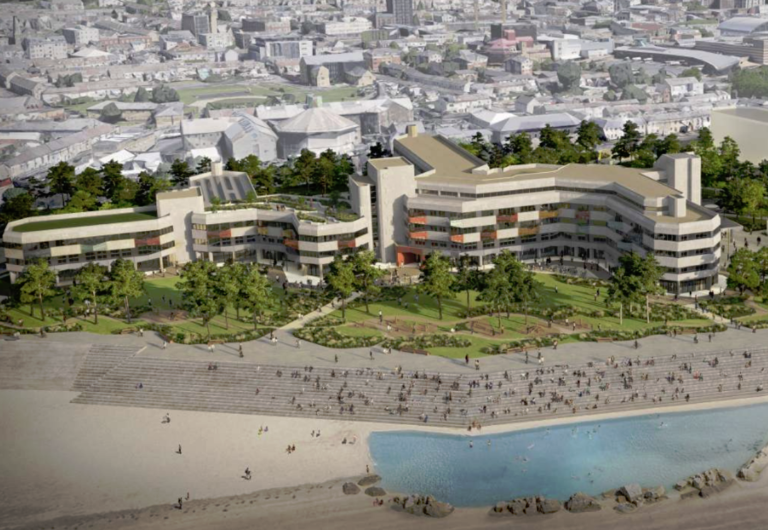
Metrocentre has entered into an agreement with Gateshead Council to bring forward Metro Riverside, a large-scale mixed-use development set to transform brownfield land along the south bank of the River Tyne. Located around three miles west of Newcastle-Gateshead city centre, the project will regenerate under-utilised land surrounding Metrocentre, creating a new urban neighbourhood comprising up to 4,500 homes alongside improved infrastructure, public spaces and leisure amenities. The scheme is being designed as a walkable, well-connected destination, with a focus on creating compact neighbourhoods that prioritise accessibility and strong links to public transport. The ambition is to establish a high-quality waterfront environment that supports both residential and economic growth. Metro Riverside has been identified as a key housing-led regeneration project within the North East Combined Authority’s Local Growth Plan, as well as forming part of the Strategic Place Partnership with Homes England, aimed at accelerating the delivery of new homes across the region. A central element of the development will be the evolution of Metrocentre itself, with plans to reposition the retail destination to better serve the day-to-day needs of a growing local population, while continuing to attract visitors from across the North East. The agreement highlights the importance of long-term collaboration between the public and private sectors in delivering complex regeneration projects at scale. By aligning investment, planning and delivery strategies, the partners aim to unlock a new phase of growth for the area. Martin Healy, chair of Metrocentre, said the scheme demonstrates how coordinated partnerships can drive meaningful change, bringing together investment and local leadership to create a sustainable urban community. The project is expected to deliver a mix of residential, commercial and leisure uses, supporting job creation and long-term economic activity, while reinforcing Metrocentre’s role as a key regional destination. Building, Design & Construction Magazine | The Choice of Industry Professionals
Read More »
Green light for revamped Canada Water masterplan as next phase moves forward

Green light for revamped Canada Water masterplan as next phase moves forward

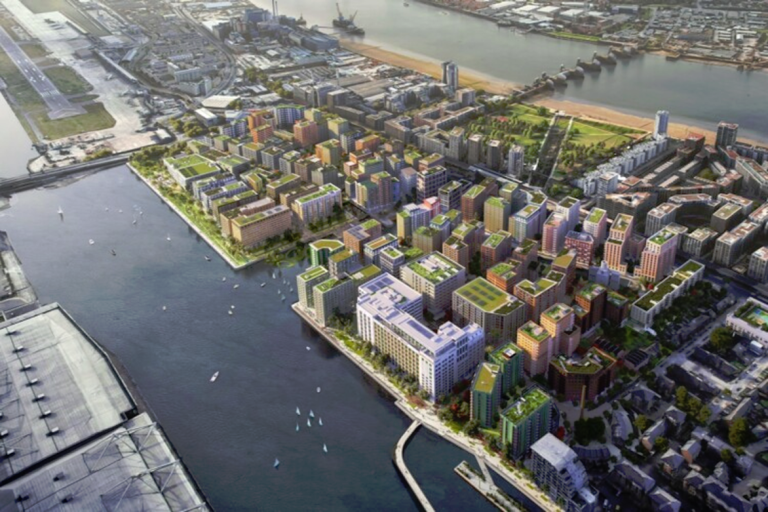
A revised version of the Canada Water masterplan in London has been approved by the Deputy Mayor, paving the way for the next stage of development. The updated plans, brought forward by British Land and AustralianSuper, include taller and larger residential buildings. The changes reflect wider regulatory shifts as well as ongoing cost and viability pressures across the sector. Affordable housing provision has also been adjusted, with 20 per cent planned for the next phase and a minimum of 9 per cent across the overall development. The approval means construction on the next phase could begin from 2027. Delivered in partnership with Southwark Council, the 53-acre scheme will deliver up to 4,184 homes, alongside 2.5 million sq ft of workspace and 1 million sq ft dedicated to retail, leisure and cultural uses. The plans also include a 3.5-acre public park, a new town square and 16 streets. The first phase of the development has already delivered a range of new spaces, including workspace at Paper Yard, Dock Shed and Three Deal Porters, 186 homes at The Founding and 79 affordable homes at 7 Roberts Close. It has also introduced new restaurants and a leisure centre for the local community. Gareth Roberts, Head of Canada Water at British Land, said the approval is key to maintaining momentum and creating a distinctive new neighbourhood. He noted that while viability challenges are being felt across London, the decision will support the delivery of new homes, jobs and infrastructure. Stéphane Jalbert, Head of Real Assets, Europe at AustralianSuper, welcomed the decision, adding that it provides clarity for the next phase and unlocks further development opportunities across the site. Building, Design & Construction Magazine | The Choice of Industry Professionals
Read More »