Trades & Services : Construct & Build News

Avoid these common mistakes when painting

While many Brits enjoy a bit of DIY at the weekend, and painting is a popular choice for easy home renovation projections, it doesn’t mean that you can improvise becoming a pro painter-decorator overnight. If you ever feel tempted to tackle your next painting project yourself, make sure you avoid

Read More »

The waste management opportunity for a net-zero future

The UK became the first major economy in the world to pass into law that it will bring all greenhouse gas emissions to net zero by 2050. Quickly following suit, we have seen many developers, contractors, engineers, and local authorities all pledging their commitment to ‘Net Zero’ with targets ranging

Read More »

6 Effective Ways to Minimize Your Plumbing Costs

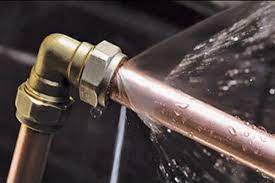
Plumbing repairs can occur anytime at your home or business. Although they might be expensive, you need to look for ways to limit the cost. Imagine living in a place with leaking pipes and blocked drains? It can be irritating and can cause property destruction. That’s why having a well-functioning

Read More »
Placemaking to Begin for the North Walsham High Street Heritage Action Zone

Placemaking to Begin for the North Walsham High Street Heritage Action Zone

Exciting progress has been made for the North Walsham High Street Heritage Action Zone project. North Norfolk District Council is thrilled to announce the appointment of Influence, chartered landscape architects who will be undertaking the townscaping element of the project along with expert partners. The team aim to provide sustainable

Read More »

What Role do Windows Play in Sustainable Housing?

Concern about global carbon emissions has never been higher. The Paris Agreement commits the signatories to reducing global average temperature to below two degrees above pre-industrial levels. This is critical to combatting climate change, but it’ll only happen if practices change. And among the most important contributors to the effort

Read More »
Five Fixtures and Fittings You Shouldn’t Live Without

Five Fixtures and Fittings You Shouldn’t Live Without

Homeowners looking to upgrade their abodes this year can look to suggestions from property experts for must-have fixtures and fittings to add convenience and luxury to homes. From smart and handy devices to reliable and quality appliances, the experts at North Sands Developments have compiled their list of recommendations for ways to

Read More »

7 Different Types Of Blinds

Blinds are essential in your household as they provide privacy for everyone who’s inside. You don’t want other people to take a peep inside your home and see what’s happening. Not only can they invade your privacy, but they might even see the inside of your house and watch where

Read More »
Latest Issue
Issue 339 : Apr 2026

Trades : Construct & Build News

Midlands brickwork experts help build the next generation of healthcare professionals.

Leading national brickwork, scaffolding and drywall firm, Phoenix Brickwork has just completed its part in the £21m development of the University of Lincoln’s new School of Medicine, providing essential infrastructure for the new facility. The three quarters of a million-pound contract saw a 12 strong team from Phoenix deliver specialist brickwork, insulation and fire safety services for the hi-tech, environmentally efficient building, with the 24-week project completed on time and on budget. Phoenix was selected by main contractor, BAM Construction for their expertise in health and research projects. The new facility will feature a range of laboratories including a clinical skills suite, anatomy suite and a category two science laboratory, alongside state-of-the-art lecture theatres and teaching areas. To aid medical students’ learning, it will also provide a clinical skills suite with mock consultation rooms, helping students by simulating a working hospital ward or a GP surgery. Site Manager, Sam Humphries said, “While we’re a firm that works on projects across the country, it’s always especially pleasing to be able to contribute to such a great regional initiative, and we are proud to be doing our bit to support the NHS.” Operating from its Derbyshire and Northamptonshire offices, Phoenix recently celebrated a ten-year trading milestone of £18m and recruited six new members of staff to help the business grow into London. “Projects such as this are incredibly rewarding for the team,” said Christian Watson, Managing Director at Phoenix Brickwork. “Not only can we be proud of delivering the project on-time and in budget, in the light of the current pandemic and the heroic efforts of our NHS, we are delighted to have played our part in the creation of this cutting-edge facility for the University and supporting tomorrow’s doctors and nurses.”

Read More »

Avoid these common mistakes when painting

While many Brits enjoy a bit of DIY at the weekend, and painting is a popular choice for easy home renovation projections, it doesn’t mean that you can improvise becoming a pro painter-decorator overnight. If you ever feel tempted to tackle your next painting project yourself, make sure you avoid these common mistakes, so you never end up wasting time and money. No prep before painting Preparing the area you’re going to paint isn’t the most exciting part of the process, but it’s an essential step if you want to see the best results. Too many people just skip ahead and start painting without preparing the surface or the area they will paint. Needless to say that if you have wallpaper or old paint, you’ll need to strip the wall to ensure you have a smooth surface to paint on. If your wall has a lot of asperities (it’s a fancy word for roughness), you may need to do some plasterwork or some light sanding so that the texture doesn’t come through. Ensure the walls are also clean to avoid painting over dust particles or anything else that can get stuck over time. You can do so by vacuuming the walls to remove all dust and washing the area with warm water and vinegar for a deep clean. Don’t skip corners and baseboards! Finally, make sure that anything that doesn’t need painting will be protected. That includes the floors and nearby furniture. It would help if you also were wrapping doorknobs and use painter’s tape along the edges of your surface (the baseboards, for example). Taking the time to set up protection will ensure you have a clean finish, and you won’t stain precious furniture or other areas. Using the wrong paint This might seem like a no-brainer, but you would be surprised to see how many people buy paint before realising they didn’t choose the right one. Not all types of surfaces react to paint in the same way, so you will need different products depending on whether you are painting metal, wood, tiles, concrete, plaster etc. Make sure to double-check that the paint you are selecting will be appropriate for your surface area. In doubt, many specialist retailers like The Paint Shed are happy to provide guidance and help you choose the right products for your project. Once you have the right type of paint, don’t forget to check what finish you’re buying as well. It may seem like there wouldn’t be much of a difference between a gloss and semi-gloss finish, but anyone who has ever painted a whole room in gloss will tell you otherwise. Using the wrong tools If the tools don’t make the craftsman, having the right tools for the job will certainly help you achieve the results you want. If you are painting walls or large surfaces, swap the paintbrush for a roller which will avoid creating lines or streaks (which is caused by the brush bristles). Not all paint rollers are created equal, though, and you will have to select the right one depending on the type of surface. Generally speaking, thicker roller covers (also called nap or pile) are more suited to rougher surfaces as they can apply thicker layers of paint. Thinner roller covers will be better suited for smoother surfaces that require a more delicate finish. Make sure you’re not over saturating the roller when painting. Applying too much paint in one go can lead to uneven application and drips. The nap should be saturated with paint but not dripping. You can use a paint tray to ensure the paint is spread evenly on the roller and remove excess before applying it to your surface. Using trays is also highly recommended rather than dipping your tools straight into the paint can, leading to contaminating the paint with dirt or dust. Ignoring the weather Exterior projects are particularly concerned with the weather, but it could also apply to some inside work. If the weather is too humid and cold, it will affect the time needed for water-based paints to dry. If the weather is not going to be in your favour, consider delaying your project until it is warmer or drier. The wind is also something to think about. If you are painting outside, strong winds could ruin your work or just make it extra difficult for you. Now that you’re armed with these tips, I hope you feel ready to tackle your next painting project! If you enjoyed this, you’ll find more articles like this in the painting and decorating section of our website.

Read More »

The waste management opportunity for a net-zero future

The UK became the first major economy in the world to pass into law that it will bring all greenhouse gas emissions to net zero by 2050. Quickly following suit, we have seen many developers, contractors, engineers, and local authorities all pledging their commitment to ‘Net Zero’ with targets ranging from 2030 to 2050. As the transition to a zero-carbon economy accelerates, how will the supply chain from policy makers, to architects to waste management services impact how these targets are met? Use and re-use first If we look at the waste hierarchy, the last line of defence before landfill is to recycle and recover waste. However, this course of action still takes resources, costs, and consumes energy. Businesses need to evolve their thinking and actively reduce the amount of waste going through traditional routes of waste disposal, such as skips, bins and cages, in the first place. There needs to be a shift in focus from recycling to waste prevention – if a waste material isn’t going through existing methods of waste disposal and being reused or repurposed, should it actually be classed as waste at all? Construction companies should be identifying opportunities to reuse items prior to strip out and demolition stage. These items can then be matched with charities, social enterprises or local organisations in need. Also, for any ‘clean’ excess materials, these can be exchanged or bid for by other construction sites. There are tools available such as Project DIVERT and MATExch online platforms that have been established to facilitate this and provide data on the carbon outcomes based on the decisions that are made. Stay local If there is a carbon measure against every project, then ‘off setting’ is simply not the answer. While planting trees is a good thing, it is not the solution. We need a full carbon track and tracing system that is adopted from the outset of a design through to completion. This will make sure all decisions throughout the project are made with the intention to keep carbon to a minimum. An easy example of this is to source local suppliers and local products. For waste items identified as reusable, we can facilitate the diversion of these to the local community such as libraries may need floor tiles, local colleges may need construction sand for building courses, and homeless shelters may need cutlery and white goods. This stops the waste items going through the traditional routes of waste disposal and contributes social value and community legacy in the area. Early intervention is key Architects and design teams will play a huge role in assisting construction contractors address the carbon potential at the design stage. If projected carbon data around waste away services is calculated in the ‘project planning and design’ phase (ideally RIBA Stage 2) of a building refit or refurbishment project, a pre-construction and environmental audit (PCEA) can be implemented to influence the decisions being made by the designers and environmental teams, with actual carbon data to reference. Within that calculation, we must also include the embodied carbon. If materials can be reused, less will be manufactured and this is a huge carbon saving when you see it on paper.  With this intelligence, the waste management plan can identify opportunities for: Putting these processes in place will mean there is actually minimal waste going into skips, to Materials Recycling Facilities (MRF’s) or EfW (Energy from Waste) Plants. Construction companies are responsible for the environmental impact of their site, therefore in order to meet standards, gain certification or meet council regulations, they must demonstrate they are making improvements to become more sustainable. However, it is not acceptable for companies to accept on behalf of their clients a blanket 98% recycling rate from the waste supply chain. This is not ‘their waste’ but that of all waste received to one destination. Construction companies can demonstrate, if planned and forecasted correctly, 100% end destination, 100% re-use, and a 100% recycle rate depending on the where the waste/ resource has been sent to. If your waste target for zero carbon is ‘zero waste to landfill’, then it’s already not good enough. We have found that while targets are in place within environmental audits to lower the carbon impact of waste materials, few have the data measurements and importantly the carbon track and trace methods which can help reduce carbon through the project life cycle. The fact that no one collates this data is a problem in itself and one we are currently trying to solve using our carbon track and trace technology. A worrying issue raised by the Electrical Contractors Association (ECA) in a survey published last year was that almost half of local authorities in England did not know their carbon footprint, while 47 per cent said they did not have a plan in place for reducing the carbon emissions resulting from their built assets. If you don’t know what your carbon footprint is in the first place, how can you implement dynamic plans to reduce it? This means there must be a huge push towards calculating carbon savings and implementing carbon saving initiatives in the early stages of a project to have any chance of meeting the zero carbon targets set.

Read More »

7 Reasons Why You Should Involve A Plumber In Drain Unclogging Task

Let’s face it. Clogging is a common issue in every home. As long as your house has a drainage system, you will experience some form of clogging at one time. Your sink will block. The toilet drain will clog, and the drainage flow will stop. These plumbing issues vary in magnitude and type. When clogging occurs, many people opt for DIY approaches. You will come across many articles and blogs offering ideas on how to deal with blocked drains. The idea of unblocking drains yourself is to help you save money. Some people will even advise you to never engage a plumber in such tasks. Whether true or not, working with a plumber when you face a clogging problem is crucial. Here are some reasons why: Drain cleaning chemicals damage your pipes Many do-it-yourself unclogging approaches involve the use of chemicals. The chemicals such as vinegar and baking soda work perfectly, solving the clogging problem. Many sellers of these caustic products promote them as healthy and user-friendly. They present them as an excellent way to save those coins you would use to hire a plumber. While the options work, what they do not tell you is the impact of the caustic chemicals on your drainage pipes. These elements eat up your pipes when their residue attaches to the interior surface. As you continue using them, you will likely suffer pipe bursts. Such an experience would be more costly than hiring a plumber. Despite the magnitude of the clog, involving a plumber is always a good idea than using these caustic substances. They have the right tools Plumbers are professionals who use specific tools in their job. They have special tools for handling each case in the plumbing system. When your drainage block, a plumber will bring the right tools to assess your situation. For instance, a plumber can have motorized and manual augers for snaking your drains. Also, they have HD drain and sewer line cameras for viewing your entire drainage system. Others have a hydro-jetting machine essential for cleaning your drainage and dealing with nasty smells. With these tools, you can be confident that they will troubleshoot and solve your clogging issue effectively. Clogging can be a sign of a bigger drainage issue Frequent clogging or multiple slow down on your drainage, maybe more than what you see. You might think that the issue is on your sink. So, you use the DIY mechanism to unclog it. Tomorrow, you experience a repeat of the same issue. Multiple clogging might be a sign of a bigger issue on your drainage system. In this case, considering a Sydney Drainage Plumber is a good idea. The plumber will use their drainage assessment tools. Through them, they will diagnose any other potential issues in your drains. This way, you will avoid future costly issues and get an immediate fix.  Saves your money One marketing hype that DIY unclogging promoters use is that you will save money by unblocking your drains without involving a plumber. Though there is some truth in it, you might end up spending more money on fixing your drain that you would with a plumber. The caustic products are cheap, while other options do not require you to spend any cash. But involving a plumber is a money-saving affair. A plumber will do an intensive diagnosis of your drainage system. They understand that a clog might be a reflection of a bigger issue. So, they will not only fix the clog but will do extra assessments. This way, you will save money that you would spend on fixing the major drainage in the future. Professionalism A plumber will not only unblock your drains. Rather, plumbers like Fixed Today will offer professional drain cleaning services. The services will include cleaning any debris and sticky elements on your drain pipes. Also, they will clean out the residues of your DIY products lying on your pipes. Remember, plumbers have the right skills for handling each draining case. So, they will always offer professional unclogging services. This aspect will save you from other replacement costs. Hence, if you value professionalism, you should consider engaging a qualified plumber in any case of clogged drains. Reduce chances of future clogs No doubt, DIY unclogging does not offer a permanent solution. Your drainage will clog again after some time. The caustic products only work to remove the clogging debris but do not clean your pipes. This means that the greasy and dirty stuck on the pipe walls remain intact. In the end, these elements and chemical residues will cause another clogging in the near future. In some cases, they become corrosive and cause leaks on your draining system. Working with a qualified plumber comes with some benefits. As noted above, the plumber will not only unclog the drains but also will go on and clean them. This act removes all sticky elements enhancing the drainage flow. As well, a clean drain has lower chances of experiencing future clogs. Hence, a plumber provides a long-term solution, unlike the use of DIY approaches.    Efficient and healthy As you know, clogged drains are smelly and awful, which makes them unhygienic and unhealthy. This aspect puts your family at risk of diseases. The debris and unclogging chemicals enhance bacteria growth. Others are hazardous and with the potential of hurting your skin. Since plumbers have professional training in handling clogged drains, they know the best chemicals to use in their job. So, they will only use substances that are less hazardous and safe for your health. This would not be the case when you use the locally fed unclogging products. Wrapping up In a word, clogged drains are a disaster in any household. Think of the awful smell and messy floods on the floor. When clogging occurs, many people rush for the DIY methods. Only a few homeowners contact a plumber. In essence, a plumber is the last resort for many people. However, this should not be the case. As

Read More »

6 Effective Ways to Minimize Your Plumbing Costs

Plumbing repairs can occur anytime at your home or business. Although they might be expensive, you need to look for ways to limit the cost. Imagine living in a place with leaking pipes and blocked drains? It can be irritating and can cause property destruction. That’s why having a well-functioning plumbing system is essential. It can give you peace of mind knowing that your family members will stay safe and consume clean water. But do you know unexpected plumbing repairs can pop up at an inopportune time? Ignoring the issue is not an option since the repair costs can add up over time. At times you can save money for unexpected plumbing repairs. Unfortunately, a major issue can occur, wiping up all your savings. That’s why you need to implement ways that will minimize plumbing costs. Here are ways to reduce your plumbing: costs Prevent Clogged Drains Clogged drains are major plumbing issues that many homeowners face. Due to the frequent use of bathrooms, kitchen sinks, and bathtubs, you can experience blocked drains more often. Also, heavy rain, debris, and food substances can clog your drain, which can result in health issues and destruction of your property. Dealing with a clogged drain is not easy. It can be costly, especially if the issue is severe. A good way of minimizing the cost of dealing with clogs is to prevent blocked drains. One of the best ways of preventing clogged drains is by being careful about what enters your drains. Things such as soap scum, hair, grease, or food substances are the most significant drains enemies. So, it is necessary to implement preventive measures such as: Ensure That the Plumbing Is Done Right the First Time Having a properly installed plumbing system can save you a lot of money. If you fail to pay attention to the installation process, you might find yourself paying a plumber to fix issues regularly, which can be costly. So, why don’t you save the plumbing repair cost by hiring an expert to perform the installation for you? Although you might feel like implementing the DIY solution, looking for an expert is a good idea. If you want a long-lasting solution, it is good to look for a plumber Chuwar. Looking for CW Service Pros is a good option if you want a long-lasting solution. It is a plumbing company that offers a 5-star service. Choose one with an excellent working history to be sure that you’ll be handing the work to a professional. Look For Affordable and High-Quality Plumbing Fixtures Plumbing pipes and installation can cost you more money. However, purchasing an expensive plumbing fixture doesn’t mean that it will serve you for long. Thanks to the new technology that allows manufacturers to create different models of plumbing fixtures. You can, therefore, compare prices and features to ensure that you choose one that will offer long-lasting service. It is good to understand that installing a plumbing system doesn’t have to cost you a lot of money. There are affordable and high-quality fixtures that will help you save money. All you need is to have an idea of materials that are ideal solutions for today’s world. For instance, you can go for plastic pipes if you are looking for flexible plumbing equipment. These materials are hard to burst when they freeze. But how will you know the best material for your plumbing system? Some experts, such as Parker Plumbing, will help you choose pocket-friendly and high-quality fixtures that will last long. Install High-Efficiency Plumbing Fixtures It can be shocking to open your monthly water bills to find out that it contains a high amount of money. Do you know that reducing water usage can reduce your utility bill and save energy? However, minimizing water usage doesn’t mean that you have to do away with your activities that involve water. Some simple changes can do wonders by reducing the amount you’ll be spending each month. It is good to note that the changes are not designed to affect your everyday life. You can use them to reduce overall water usage. Some water-saving plumbing upgrades include: Attend To Plumbing Issues Immediately Homeowners face plumbing issues at some point. However, some people tend to ignore the problem that is not causing inconveniences. Unfortunately, the problem can become a significant issue and cost you a lot of money and headaches. For instance, a leaking pipe can result in water waste or the destruction of other fixtures in your home. Also, a clogged drain can lead to bursting of pipes. That’s why it is good to fix the minor problems immediately. A good way to solve this is by hiring an experienced plumber who can handle the issue quickly. Experts such as Parker Plumbing has the knowledge and practical experience about plumbing issues. Thus, when choosing a plumber, it is good to choose one that offers professional plumbing services. Consider Professional and Affordable Plumbers Nowadays, many plumbing companies are coming up, making it challenging to know the one that will provide excellent services. But before you choose one to handle your plumbing issues, it is good to understand that knowledge and experience are important factors to consider when selecting a plumber. However, having experience doesn’t mean that the plumber must charge a lot of money. There are professionals such as Parker Plumbing who guarantee excellent and affordable services. Conclusion Dealing with plumbing issues can cost you a lot of money. However, they don’t always have to break your bank. Although DIY remedies can reduce the cost of plumbing repairs, it is good to understand that hiring an expert can help you avoid frequent repairs. Thus, you need to have a professional plumber who you can contact anytime you encounter issues. If you implement these tips, you will reduce the cost of plumbing costs.

Read More »
Placemaking to Begin for the North Walsham High Street Heritage Action Zone

Placemaking to Begin for the North Walsham High Street Heritage Action Zone

Exciting progress has been made for the North Walsham High Street Heritage Action Zone project. North Norfolk District Council is thrilled to announce the appointment of Influence, chartered landscape architects who will be undertaking the townscaping element of the project along with expert partners. The team aim to provide sustainable solutions to urban planning and have extensive experience of working in conjunction with local authorities and communities to deliver landscaping and public realm services, including working on High Street Heritage Action Zones projects elsewhere in the UK. “High Street Heritage Action Zones are such a key part of the future for our towns – especially post the pandemic – and are often driven by a strong local community interest. Revitalising and regenerating our high streets whilst reinstating the heritage roots is critical to their success, now and in the future. North Walsham is a vibrant market town but has been waiting for a long time to bring forward a high street public realm project. Now that it’s here, myself and the Influence team are honoured to have been selected to work on this important project, and are pleased to be supporting North Norfolk District Council’s in-house team,” said Shona Hatton, associate director at Influence. “Our previous experience in delivering High Street Heritage Action Zones has given us specialist knowledge and understanding of the challenges and huge opportunities in our high streets -and we are using those assets to re-imagine the physical and social environment in North Walsham – to enable it to be a prosperous town where people want to live, work and relax.” Master planning and consultation will be led by HETA – a studio of architects, designers and thinkers. Their focus is on people and how to create better, more meaningful experiences for them. Having completed a site visit the team will implement a programme of consultation and community engagement to see how the people of North Walsham want to see the space in the town centre used. Other partners involved include Rees Bolter Architects as heritage consultants, BSP for highways and transport consultancy and Gleeds Cost Management, quantity surveyors. This work is a vital part of the programme’s wider “placemaking” objectives, inspiring people to re-imagine and re-engage with the town centre as the heart of the community. It will focus on making the town centre a destination which embraces its heritage and community, creating a shared space people can enjoy, take pride in and encourages others to visit. The Council and partners will seek to hear what residents, businesses and visitors want to see in North Walsham and foster a sense of community that maximises shared value by making it easier to move around the town centre and improve the appearance and quality of public spaces, starting with work which will see the improvement of the Lokes and alleyways that connect different areas within the town centre. As part of this, the Council intends to purchase a piece of land adjacent to Black Swan Loke, a long-standing derelict area on an important pedestrian approach to the town centre, and is exploring options to maximise the potential of this busy route.

Read More »

What Role do Windows Play in Sustainable Housing?

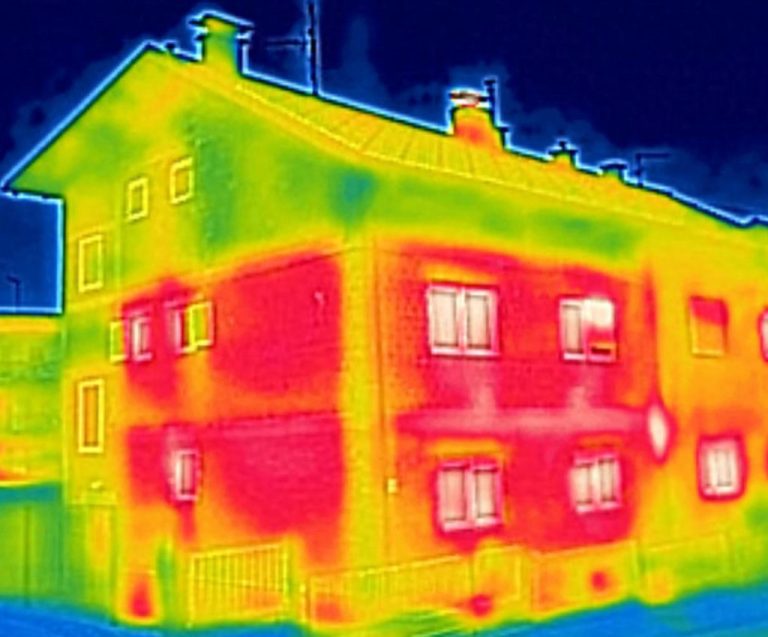
Concern about global carbon emissions has never been higher. The Paris Agreement commits the signatories to reducing global average temperature to below two degrees above pre-industrial levels. This is critical to combatting climate change, but it’ll only happen if practices change. And among the most important contributors to the effort will be those whose job it is to design and build houses. The British government continues to implement ‘green schemes’ to help achieve its goal of net-zero carbon emissions by 2050. The house of the future is one that can be built and maintained in a sustainable way. In an ideal world, they’d be perfectly self-sufficient when it comes to their energy needs. The construction industry is pushing itself toward that goal through a series of incremental improvements in efficiency. These are coming as a result of new technologies, architectural methods, and increasingly stringent building regulations. The Importance of Windows Among the more notorious points of weakness in any building, when it comes to heat retention, are the windows. Energy Efficiency Windows have a big say in whether a given space is energy-efficient. A single pane of glass will transmit heat quickly from one side to the other. Two panes of glass, with a layer of vacuum or inert gas in between, will transmit heat that much more slowly. It’s this principle that makes double-glazing the standard choice. Efficiency is rated using a lettered system, which provides the scale for the development of energy efficient and sustainable housing. Natural Light Among the most important functions of a window is to increase the amount of natural light in a property and to reduce reliance on artificial light sources – and windows can serve this function in a number of ways. VELUX windows, skylights and sun tunnels provide a source of natural light, even in the more secluded parts of the house, where exterior windows are not practical. Natural light confers a number of health benefits, which means that homes which score well here are likely to be desirable, even if we discount the environmental upsides. Solar Gain But windows can also be a point where energy is gained. If windows are positioned in such a way as to benefit from the incoming sunlight, then they’ll draw in as much energy as they lose, even during winter. In the northern hemisphere, a south-facing window will benefit more from heat gain than a north-facing one. Blinds and Curtains The effectiveness of a window when it comes to thermal performance will depend on the quality of curtains and blinds installed. Heavy curtains will form a barrier, preventing warm air in the room from mixing with the cold air by the window. This only applies if the curtains have been drawn, however – which is why automatically-drawn curtains and blinds might be a boon, particularly in larger spaces and office buildings.

Read More »
Five Fixtures and Fittings You Shouldn’t Live Without

Five Fixtures and Fittings You Shouldn’t Live Without

Homeowners looking to upgrade their abodes this year can look to suggestions from property experts for must-have fixtures and fittings to add convenience and luxury to homes. From smart and handy devices to reliable and quality appliances, the experts at North Sands Developments have compiled their list of recommendations for ways to improve and upgrade your home for the future. As many of us are staying indoors – working from home, looking after our loved ones and home-schooling our children, it’s no surprise that there has been an increase in the number of people wishing to make improvements to their home, to ensure it’s a comfortable and relaxing place to live. Upgrading fixtures and fittings will not only optimise living but also add value to your property if you are looking to sell in the future. “Last year saw all of us adjust to spending more time at home than ever before. Consequently, our daily routines and working patterns are changing and we find ourselves seeking ways to make these new habits more comfortable, enjoyable and beneficial to our lifestyle,” said James Hartley, director at North Sands Developments. “The team at North Sands Developments have more than a decade of experience in creating homes for families and young professionals and all properties are designed to suit all lifestyles, providing space, plenty of natural light and quality fittings throughout to optimise happy and healthy living. With that in mind, we have compiled this list of fixtures and fittings you shouldn’t live without to improve your home.” Here is the list of five fixtures and fittings you shouldn’t live without: 1. Smart technology Smart technology for the home has seen a huge increase in demand over recent years, as the scope of devices available continues to expand with more innovative and creative options. From smart doorbells to wireless speakers, virtual assistant artificial intelligence (AI), and light and heating controls, there are plenty of devices available on the market to kit out your home with the latest and best tech on offer. For added peace of mind, installing home security cameras are a good option to keep your property safe. Having an outside view of callers at the front door will allow you to see who it is without opening the door – particularly useful during lockdown, and many devices also let you speak to the person via an intercom system, so you can turn them away if necessary. Smart heating and lighting are also a great upgrade for your home, allowing you to control the lights and temperature from your smartphone via an app. Whether you’re out of the house and want to come back to a warm and cosy home, or feel like having a lie in and don’t want to get out of bed, having the power to switch the heating on from your phone can really increase your comfort. 2. Reliable internet connection Working from home has forced many of us to make some major adjustments to our routines, and has exposed the fact that our internet connection may not be up to the task! A reliable internet connection is vital for home working, and for enjoying your favourite streaming service with the rest of the family, so it is worth investing in fibre broadband if possible. It is easy to check online whether fibre broadband is available in your area, and the process of having it installed and hardwired throughout the home is straightforward – it is worth looking into so that you can always stay connected. 3. Underfloor heating As winter is now well and truly here, investing in underfloor heating is one home improvement that can have a huge impact on your living space. Often more efficient and effective than a traditional boiler, it can provide you with savings in the long-term and is a cosy and luxurious treat for your feet. 4. Quality kitchen appliances More time spent indoors and the closure of our local restaurants and cafes means we are utilising our kitchen space more frequently. It is therefore worthwhile fitting out your kitchen with quality appliances that are going to last and prove reliable with prolonged usage – this includes plenty of cupboard storage space to ensure you always have supplies at hand. For a taste of something different, consider installing an instant hot water tap so that you always have boiling water on hand for those much-needed teas and coffees. Alternatively, why not choose a coffee machine that will keep you going throughout the day with your favourite blends? Having a large American-style fridge freezer will also ensure you can stay stocked up with your preferred ingredients, and many designs come with built-in ice and filtered water machines – perfect for cocktail hour and the warmer summer months. 5. Windows and doors for natural light Improving your property with quality double glazing is a great investment that instantly transforms your home and provides long-term performance and cost savings. Choosing to install new windows and doors throughout your home will help to regulate the temperature in your home, keeping the heat in during winter and remaining cool during the summer, so you can save on energy bills and enjoy ambient temperatures all year round. There will be a dramatic difference in the level of outside noise from nearby roads and traffic too, making your house a peaceful and quiet haven. It will also go a long way in increasing the amount of natural light that your home lets in – a key factor in our mental wellbeing, helping us to stay productive and positive as we stay at home. To maximise the daylight in your house, consider installing patio or bi-fold doors that look out onto your outside space, or a skylight window in the ceiling – an increasingly popular option that allows light to flood in from above.

Read More »

7 Different Types Of Blinds

Blinds are essential in your household as they provide privacy for everyone who’s inside. You don’t want other people to take a peep inside your home and see what’s happening. Not only can they invade your privacy, but they might even see the inside of your house and watch where you keep your valuables.   Apart from privacy, blinds also help to provide elegance and sophistication inside the room. These also provide excellent credibility in controlling the light that passes inside the room as the slats are equally distributed. With that, you need to look for the best blinds you could install in your home. There are plenty of stores like makemyblinds.co.uk where you can find blinds. Just ensure that these are reputable companies.   Listed below are the different types of blinds you could choose from:   1.     Venetian Blinds  Venetian blinds are among the most popular and common types as they provide a classic look for anyone’s home.   A Venetian blind has horizontal slats that use aluminum, wood, or plastic as its primary material. You can adjust how the slats go by twisting the wand, and the slats can face upwards or downwards, depending on how you decide to operate it. The way the slats move will determine the direction of the sunlight that goes through inside your home. You can also control how much or how little you’d like your room to lighten up.   If you’d like the full light to come inside your homes, you can adjust the height of the Venetian blind by pulling the lift strings downwards, and the full slats should lift upwards, folding into one another.   2.     Vertical Blinds  A vertical blind works similarly to a Venetian blind, but it moves from side to side rather than going in an up and down motion.   A vertical blind has thicker slats that are usually the preferred choice of blinds for office or patio use as they provide a classic and conventional look that’ll look best at any formal setting. They’re also perfect for floor-to-ceiling windows as they can help promote and highlight the windows’ height, allowing the room to look taller and more spacious.   3.     Mini blinds  A mini blind works just like a Venetian blind, except that they have smaller slats.   Each slat of a mini blind is usually one-inch thick. It’s typically perfect for small windows. You can place it in the bathroom or kitchen where the windows aren’t too big.   4.     Roman Shades  If you’d like to lean towards having a traditional and classic look for your window treatment, you can never go wrong with having Roman shades.   A Roman shade uses fabric as its primary material rather than the usual plastic, aluminum, and wood. You can compare a roman shade to a curtain due to the same materials, but it lays more flatly on your windows.   A Roman shade is raised and folds itself once you decide to pull them to allow more light to come inside the room. It can be similar to a vertical blind, only that it doesn’t have slats, but rather a whole fabric that folds up. There is no gap in between, which disallows you to control the light’s direction coming inside the room.   With a Roman shade, it can stand as a perfect window treatment if you have a traditional or Victorian-themed home.   5.     Roller Shades  One of the most basic yet popular shades of all time is a roller shade.   A roller shade usually uses the material of either synthetic or natural fabrics that roll up and down. Unlike Venetian and vertical blinds, a roller shade doesn’t have any slats, but rather a whole piece of large fabric. When you want to lift the shade, the fabric can move upwards to allow more light to enter the room.   Depending on the fabric that your roller blind has, it can act as thermal or blackout blinds that can benefit the entire household highly.   With a thermal fabric, you can block the heat from coming inside and keep it on the other side without letting it pass through the room. For a blackout fabric, you can expect no light to come inside your homes, especially during the night when you’re highly sensitive to light as you go to sleep.   6.     Cellular Shades  If you’re looking for a cheaper yet effective way to promote proper insulation inside your home, the cellular shade would be the perfect window treatment for you.   While the cellular shades may not be everyone’s favourite look for their shade, they’re unique for a reason. A cellular shade has a honeycomb shape on each bar that’s responsible for insulation. The honeycomb can hold the heated air, not allowing it to enter your home.   A cellular shade uses thin fabric as its primary material. Hence, it’s one of the cheapest types of blinds available for your household. Not only is it cheap, but it can also help you save money on heating or cooling the room as you don’t have a constant battle with the outside temperature coming inside your homes.   7.     Panel Blinds  Panel blinds may be similar to a vertical blind as each slat comes in an upright shape. However, with a panel blind, the blinds only have four wide sections compared with vertical blinds which have many thin slats.   In most cases, panel blinds are used for vast and floor-to-ceiling windows to provide full coverage. They’re perfect for any type of room as long as it has a broad set of windows.   With a panel blind, you can’t expect it to tilt to control the amount of light inside the room, but you can, instead, slide it across the room to allow maximum light to come inside.  A panel blind uses soft fabrics and can be a cheaper alternative to other options.   Conclusion  While there are different types of blinds available, ensure that you purchase one that fits

Read More »

Cost Reduction Guide for House Demolition In Brisbane, Australia

Demolishing a house isn’t as costly as building a new one. But it can go as high as $40K if all the factors are not checked properly. Here are some tips to make it lower. You build your dream home sometimes. And other times, at an attractive deal, you buy trash, knock down the entire house, and then construct the new house from scratch. For instance, if you’re using the latter path and not aware of what you’re doing, your dream home can turn into a total budget nightmare. The expense of tearing down a house is not as high as constructing a new building, but it needs to be addressed properly. For a three-bedroom home, the estimated average price in Brisbane, Australia, is $17,000. We’ll help you look more closely at the demo plan to ensure whether it’s all good enough to justify it. They’re not only easy to do, but they also benefit the environment. Demolition is a massive project, and beginning a demo project will lead to considerable time and financial strains down the track if you don’t have a definite plan in mind. Get a hard hat; we have a job to do. The tips below will guide you on the right path if you’re concerned about saving some cash on your house demolition project. What does that really imply to Demo A House? In simple terms, demoing involves tearing down small parts or all of a home to reconstruct it., This could mean only tearing down a wall or maybe two to enlarge your main bathroom, or it could require breaking the whole house to the ground to create something even more modern. There are two traditional methods of demolishing a house in either situation. Mechanical Demolition: The demolition of a structure using heavy machinery. Deconstruction: Using simple equipment for the project of demolishing a building manually (well, saws, hammers, and all of that stuff) We’re going to let you decide which seems to be more of your type. A mixture of the two is pretty standard for people to choose; they remove as much of it as possible manually and then bring the large machines to complete the job. You might need to knock down an old house, or you just want to tear down part of your home to create a new addition. Whatever your reason, knowing how much it will cost you comes in handy. To ensure that the correct demolition approach for the building is employed, it is necessary to recruit professionals. Deconstruct on your own as much as possible You might be shocked by the amount of stuff in your home that is still reusable, even after years of wear and tear. Not just that, but you may be surprised too by your potential to deconstruct your own home! If the thought of having neighbours or a team of qualified volunteers come into your home to retrieve items/materials for you is comfortable, then this would be a perfect way to dump things from your house while assisting others as well. You deconstruct the home, and they’ll get the recovered building materials. This is a win-win! Someone in need might also reuse fittings and flooring, so letting friends and charities know that you intend to demolish your home and that its materials are up for grabs is a great way of spreading love. Salvage for some additional dough Did you know that your home’s internal fittings will earn you some nice bucks and net a decent return? Scrap yards will love to take away any copper pipes and wires in the house. How much does demolishing a house cost? The cost of demolition would differ based upon your house’s size and the materials it consists of. The estimated price is about $15,000 to demolish a small detached house (80-120 square metres). The typical demolition cost is around $30,000 for a large detached house (200-250 square meters). The dumping of the components is the largest part of the overall demolition expense, as demolition firms can charge transport and landfill premiums. That being said, if any of this ‘waste’ can be recycled, you can decrease the cost you are paying for demolition. * The cost data is based on third-party sources Does the expense vary depending on location? The expense of house demolition and destruction in Australia differs by area and population. A Brisbane home could be demolished for approximately $16000, whereas the cost for the same home in Sydney is about $17,500. How long can the demolition take? Depending on the size and scope of the project, the timeframe for demolition can differ. Demolition normally takes 4-8 days to finish. If you’re demolishing a terraced or semi-detached home, then the time and expense will rise. Costs & Considerations of Site Planning Plumbing pipes, HVAC units, and electrical wiring, and outputs must be handled by an expert. It is necessary to detach gas, electricity, and water lines if you’re bulldozing an entire building. If you’re just tearing down a few walls, these services would also need to be turned off so that any cables, pipes, or HVAC lines can be removed, diverted, or replaced by your contractor. For safety purposes, the expense of hiring an electrician is well worth the expenditure and may even be needed by the code. While knocking down a house, you will have to invest in safety gear. Tape all construction areas off and clearly mark them. Make sure that during evening work hours, outdoor areas are illuminated with floodlights. Be sure to inquire whether they plan to supply and install site planning resources when recruiting professionals for the work. Wearing protective clothing, gloves, work boots, goggles, and a hard hat is necessary. Types of projects for demolition Commercial Buildings: Commercial demolition costs are much higher than those for residential ones. A single-storied building can take around a hundred dollars per square meter in Brisbane, while two floors can cost around $120 per square meter. Buildings on three


Read More »