bdc magazine

Winvic Breaks Ground at St. Modwen Park Stoke Central Project                                                                    

Winvic Construction Ltd, a leading main contractor that specialises in the design and delivery of multi-sector construction and civil engineering projects, has won a contract with its longstanding customer, St. Modwen Logistics, to build a 253,000 sq ft warehouse at St. Modwen Park Stoke Central which will be home to

Read More »

Five Trends in Football Stadium Construction

Football attracts hundreds of thousands of fans to stadiums every year. Playing football without fans in an empty stadium is an incomplete experience. For many fans, watching their favorite players on their TV screens is not satisfactory enough. Football fans across the globe have been filling up stadia every other

Read More »

Steps To Ensure Your Construction Company Stands Out From The Competition

The latest Insolvency Service report reveals that about 266 construction businesses collapsed every month within three months into October last year since the pandemic began, according to the Financial Times. Shortage of skilled workers and rising costs of running business are the key factors contributing to the collapse of hundreds of

Read More »

Warning as three-quarters of fire doors fail inspection

One of the UK’s leading fire door inspection organisations has warned of a “tragedy waiting to happen” after it revealed three-quarters of the fire doors inspected in the UK by its approved inspectors did not meet the required standard. The Fire Door Inspection Scheme (FDIS)’s data, based on more than

Read More »

Partnership is key to asset management  

As we embrace post-pandemic life, social landlords as well as focussing on building new homes are also putting repairs and maintenance of existing stock at the top of their priority list.  This drive to make significant improvements to tenants’ homes relies on key partnerships with contractors.We had to postpone some

Read More »
Latest Issue
Issue 335 : Dec 2025

bdc magazine

Winvic Breaks Ground at St. Modwen Park Stoke Central Project                                                                    

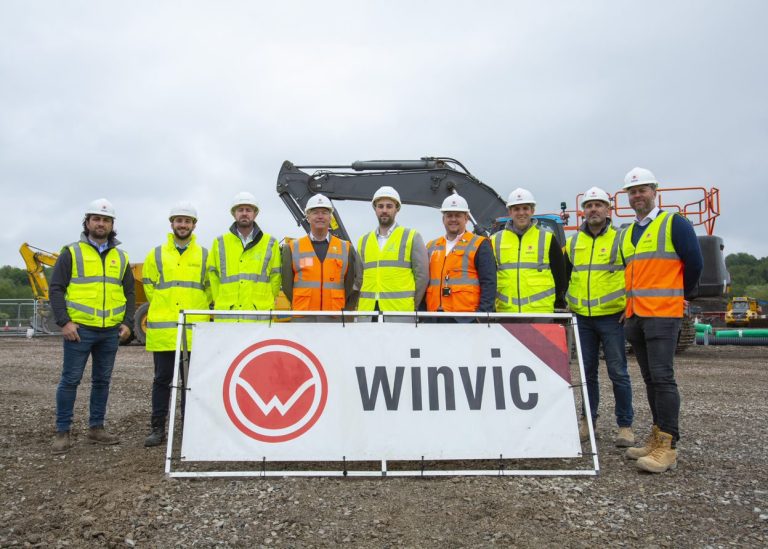
Winvic Construction Ltd, a leading main contractor that specialises in the design and delivery of multi-sector construction and civil engineering projects, has won a contract with its longstanding customer, St. Modwen Logistics, to build a 253,000 sq ft warehouse at St. Modwen Park Stoke Central which will be home to Stoke-based National Veterinary Services (NVS). To celebrate, the three companies recently came together for a ground-breaking ceremony on site. St. Modwen Logistics recently signed a pre-let deal with NVS, meaning Winvic will be working closely with both companies to ensure the warehouse space meets the needs of NVS to supply and distribute products to animal health practices across the UK. The project comprises a 225,500 sq ft warehouse with a 15-metre clear haunch height, three-storey offices totalling 24,200 sq ft and a 3,300 sq ft two-storey transport office. Externally, Winvic will deliver the enabling civils and infrastructure works to create the development plateau and install all underground services, drainage and attenuation pond. Soft landscaping will also be undertaken and parking for 235 cars – with 20 per cent electric charging points – and 51 HGVs will be created. Scheduled to complete in November 2022, with early access-provision in October, the project has been designed with Winvic’s input to the St. Modwen Swan Standard which focuses on sustainability. The sustainability features include EPC Rating ‘A’, BREEAM ‘Excellent’, utilising a hybrid air source heat pump and carbon neutral envelope system. Winvic will also fit out the offices to Cat A standard, with a focus on health and wellbeing, sustainability and net carbon reductions; for example, low energy lifts and intelligent lighting. Danny Nelson, Winvic’s Head of Industrial, Logistics and Distribution, commented: “We’ve worked with St. Modwen Logistics for many years now and it’s motivating for our whole team to be appointed again, especially just a couple of months after we started on a significant four-warehouse scheme for the developer in Derby. As always, we will be delivering the scheme to the St. Modwen Swan Standard, which focusses on sustainability, while also driving the scheme safely, skilfully and swiftly in order to handover in November this year.” St. Modwen Park Stoke Central is located close to Hanley, 1km north of Stoke-on-Trent and is part of the wider 300-acre Festival Park development. The site boundaries with Festival Way Extension and Shelton Boulevard as well as the western side of the Trent and Mersey Canal; a 10-metre standoff zone between the tow-path and the industrial unit has been incorporated in the design. Richard Carter, Senior Director Construction, at St. Modwen Logistics added, “The St. Modwen Swan Standard focuses on responsible building practices and core to this is our commitment to delivering sustainability, net carbon reduction and improving the wellbeing of those who work on our parks and live nearby. We continuously strive to improve the quality of our parks and know Winvic shares our ambitions to meet the needs of our customer, NVS, their employees and the local community.  Through a true partnership we have every confidence in delivering another high-quality building at St. Modwen Park Stoke Central.”   St. Modwen Logistics has invested £65.5m to support regeneration in Stoke-on-Trent through the development of more than 450,000 sq ft of warehouse space in the past 18 months, with a further 480,000 sq ft currently under development. The significant investment in the area builds on the £56m Levelling Up commitment, announced by the Chancellor in his autumn Budget last year, to support restoration work and encourage employment within the region. Winvic announced in February 2022 it’s appointment at St. Modwen Park Derby where it is currently constructing a four-unit project within a 10-month timescale. Previous projects that Winvic has constructed for the client include five industrial units at St. Modwen Park Tamworth and the first phases of St. Modwen Park Gloucester and St. Modwen Park Chippenham. For more information on Winvic, the company’s latest project news and job vacancies please visit www.winvic.co.uk. Join Winvic on social media – visit Twitter @WinvicLtd – and LinkedIn.    Building Design and Construction Magazine | The Home of Construction & Property News

Read More »

CLIMATE CRISIS, BUILDING SAFETY AND PROCUREMENT ON THE AGENDA AS CONSTRUCTING EXCELLENCE MIDLANDS REUNITES

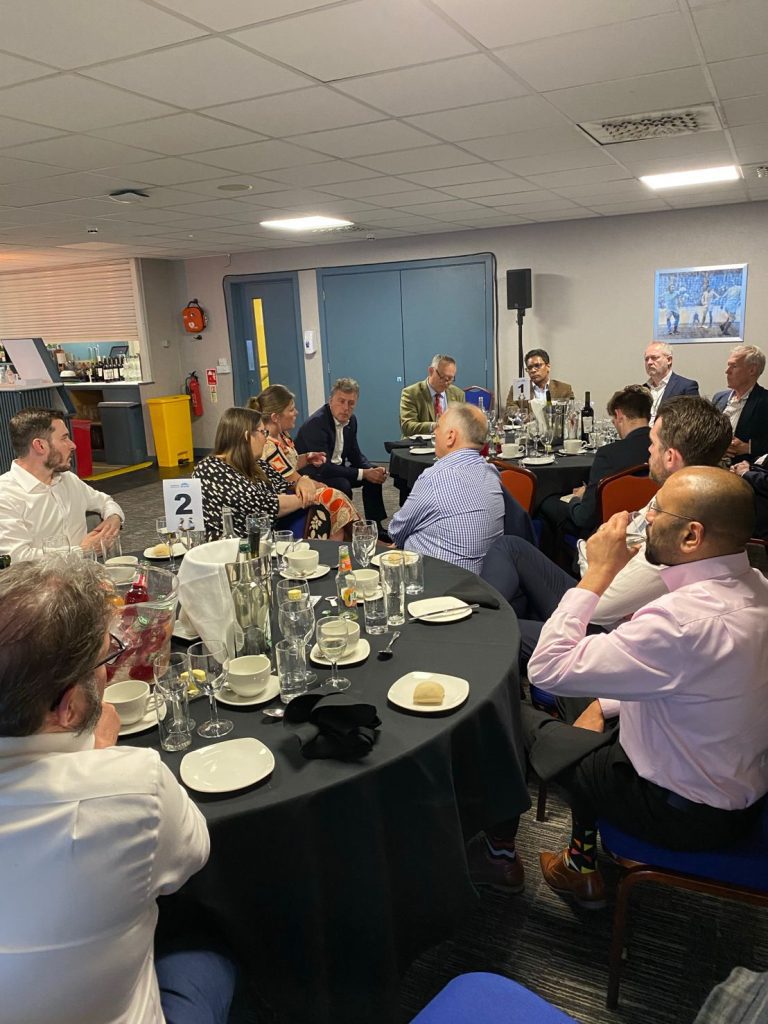
LEADERS from across the Coventry and Warwickshire construction landscape have reunited to discuss the challenges and actions being taken to address net zero, building safety and procurement at a local level. The Constructing Excellence Midlands leadership dinner, held by the regional CE club, was the latest event organised by the construction collaboration, networking and business group to attain a closer view of the state of the industry. Convening at the Coventry Building Society Arena, the evening presented an opportunity for attendees across the sector to offer their insight on these topics and share their knowledge on overcoming the challenges, as CE Midlands strives to increase its learning resources and networking opportunities for construction clients and their supply chains in the region. Catherine Windibank, business development manager at Richard Jackson and club chair for the Coventry and Warwickshire club (FoRCE), said: “The evening was a fantastic way to bring together great leadership minds from across Coventry and Warwickshire, discuss pertinent issues the whole industry is facing, and in turn dictate the priority actions that CE Midlands can implement on a local level to enhance industry collaboration. This leadership dinner has set out FoRCE’s agenda for the forthcoming twelve months.” The evening’s discussions were led by Uma Shanker, programme director for capital delivery and design at Severn Trent Water and chair of CE Midlands. He said: “As an industry that emits or influences around half of the total carbon emissions generated in the UK, we learned that in order to address the net zero challenge, contractors must better engage with suppliers to reduce their embodied carbon usage. “At CE Midlands we will be providing educational resources that better enable firms to engage with their supply chains on reducing Scope 3 emissions in particular, as in its current state the industry is behind on meeting its requirements. “From a building safety and procurement standpoint, we also need to ensure that construction clients are attaining what they deserve, to deliver safer and more effective projects. Due diligence needs to be implemented more robustly to prevent the bad behaviours that have collectively damaged the reputation of the industry. “CE Midlands is directly addressing this by delivering workshops to members and creating a best practice guide for the benefit of them and their client advisors, informing what they should be looking for and questions they should be asking suppliers to ensure they meet expectations with the delivery of their products and services.” Andrew Carpenter, chief executive of Constructing Excellence Midlands, said: “Constructing Excellence’s core strength is that we are pan-industry. We recognise that different organisations bring varying skillsets and knowledge across the construction sector, which enables our collaborative efforts to address the issues that are affecting the supply chain in its entirety. “We are always looking out for new members to join CE Midlands and our local clubs, which are key to creating a knowledge cascade and a culture of collaboration. We welcome training providers and colleges, through to suppliers, contractors and consultants, as well as property agents, clients and end-users to get involved.” Constructing Excellence Midlands is hosting its annual housing summit on Wednesday 15 June at Birmingham Conference and Events Centre, giving attendees the chance to get further insight into some of the key issues facing the industry – such as the Future Homes Standard, carbon net zero and the growing focus on procurement routes brought about by the Housing Forum Report. To register to attend the CE Midlands Housing Summit, click here. To find out more about Constructing Excellence Midlands, visit https://www.cemidlands.org/. Building Design and Construction Magazine | The Home of Construction & Property News

Read More »

Intelligent Fire Detection from Hochiki replaces Waking Watch Scheme in North London borough high rise apartments

Ekho, the newest hybrid wireless fire detection solution from Hochiki, leading global life safety manufacturer, has been installed in six blocks of apartment buildings for North London borough to help improve fire detection. EN54-25 approved and RED compliant, Ekho uses the latest in radio networking technology and provides a robust ‘always on’ network of devices which automatically adapt to changing environmental conditions. It was this innovative design element that led Fire Alarms Fabrication Services (FAFS) to choose Hochiki to consult on their latest project in a North London borough. Ekho takes hybrid wireless fire detection to new levels of reliability, flexibility and performance and has been crucial in helping residents feel safer as well as drive cost savings for building owners. Waking Watch schemes have been used for the last few years to provide 24/7 monitoring of buildings identified as fire risks due to dangerous cladding. With the inherent high operational costs, and the risk of human error, building owners and local authorities are looking to life safety manufacturers and installers to help with more reliable and cost-effective alternatives. Commenting on the project Fire Alarms Fabrication Services, Kevin Dodge, sales Account Manager at FAFS told us “The technology used in the Ekho devices helps residents feel safer compared to relying on a team of people prone to human error. The building owners are reassured due to the self-configuring mesh network which keeps the devices connected and communicating with the fire panel 24/7” The project covered a huge site with six buildings with 16 floors each. A Waking Watch team of six patrolled the stairs, corridors, and communal areas at a cost of £10,000 per week. However, because the teams could not be in all places, at all times, they might not be able to detect a fire escalating up the outside on the cladding. To add to this Waking Watch teams are not permitted to enter private apartments meaning early detection could be missed here too. “This was an incredibly complex and highly involved project, we worked closely with the team at Hochiki who consulted on best devices for this project. The Ekho range offered a wireless solution which allowed us to work around issues such as cabling inside private spaces. Ekho allowed for early detection and most importantly detection outside of the building on cladding by installing heat sensor devices adjacent to every single window, including the windows for individual dwellings. The Ekho range is ultra-dependable, and much more cost effective than the Waking Watch scheme that was in place in these buildings.” Following the successful completion of the project Regional Sales Manager, Tony Obadipe said: “We are pleased that our Ekho product range is making such an enormous difference in keeping people safe. The fact that our technology is also helping to drive huge cost efficiencies for our partners and their end users is a bonus. In the current economic climate this cost saving is essential, especially for local authorities. We are incredibly proud of our teams that have been involved in this project, it really is protecting people’s lives”. To read the full story and learn more about the Ekho range visit hochikieurope.com Building Design and Construction Magazine | The Home of Construction & Property News

Read More »

Five Trends in Football Stadium Construction

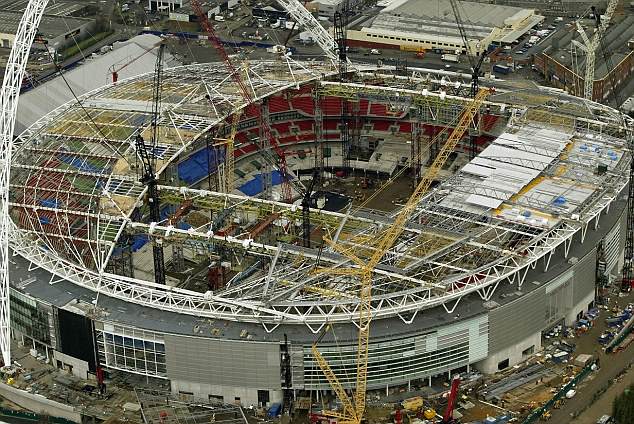
Football attracts hundreds of thousands of fans to stadiums every year. Playing football without fans in an empty stadium is an incomplete experience. For many fans, watching their favorite players on their TV screens is not satisfactory enough. Football fans across the globe have been filling up stadia every other week either to watch their national teams play or to support their favorite football club. Football fans generate a lot of revenue from buying tickets in order to watch their favorite sports teams. They also generate money from playing free bets and paid bets on their favorite teams. Football continues to grow because of patronage from fans. Fans are important stakeholders to football teams, but as their numbers continue to swell, stadiums need to provide the latest construction that is conducive and safe for use. They need to ensure that the stadium can offer all of the latest amenities for all kinds of football fans. Important Football Stadium Design and Construction Trends Apart from amazing architectural designs and breathtaking landscapes, many stadiums worldwide are now using the latest technology and proper safety arrangements to improve the fan experience. The FIFA world cup coming up in Qatar in November will unveil some of the world’s latest stadium constructions. These stadiums cost billions to construct. However, the construction costs are valid, as long as every fan gains easy access, enjoys their stadium experience, and safely gets back to their destinations. The latest stadium construction trends are interesting to see. Some already constructed stadiums are also beginning to renovate and implement these construction trends to make them safer and better for the fans. Here are five trends in football stadium construction making loud statements and sounding a loud gong of commitment to football fans’ safety: – Safe standing areas Standing in football stadiums was common in England. Following the Taylor report on the unfortunate Hillsborough disaster, highlighting the inferior quality of the terraces and barriers, stadiums in England were mandated to allocate seating arrangements to every spectator. In the recently concluded 2021/2022 season, some Premier League clubs trialed safe standing after getting approval from the FA. They utilized rail seating arrangements with terracing and crush barriers in place. Stadium designers are turning to safe standing because it has become quite common for fans to stand on their seats during games, and that practice raises a lot of safety concerns. Their trials were largely successful, and it appears that safe standing will be one of the construction features to look forward to across stadiums in England. The current safe standing arrangements are not entirely designed for fans to stand throughout matches. The standing arrangements can also be converted to seats and used according to the spectator’s preference. – Advanced Lighting Design and Arrangement Lighting is essential in creating unique fan experiences across stadiums. Many stadiums have started to utilize LED lighting which lights up the stadiums once flicked on. These lights can be designed to flicker along to the beats from the stadium’s sound system. These LED lights are great for fan experiences and contribute immensely to reducing energy consumption in stadiums. – Increased Connectivity In the past, stadiums were secluded from the rest of the world. Now, stadiums ensure that every fan stays connected by providing internet connectivity via Wi-Fi and Distributed Antenna Systems (DAS). A football game is no longer complete without tweets and real-time statistics. Being able to stay connected right from the stadium helps fans enjoy their favorite teams while staying connected with the rest of the world. Stadiums also use connectivity for marketing purposes. Fans can scan barcodes and browse the links displayed on advertisement boards. – Air Conditioning Harsh weather conditions sometimes affect fan experiences in football stadiums. With the increasing use of air conditioners in stadiums, fans can have a smooth experience without weather interference. Air conditioning in stadiums seemed like a far impossibility. Now, they are guaranteed improvements to fan comfort and enhanced spectator experiences. – Free Flowing Traffic Arrangements Stadiums are incorporating a lot of traffic infrastructure and arrangements in their considerations. When fans can easily access the games and get back home without much hassle, it encourages them to come back to see the next game. Stadiums are designing and implementing car parks that allow easy entry and exit. They also include alternative traffic arrangements to connect fans from different sports.  Conclusion Other interesting trends that are shaping stadium construction include the hospitality arrangements. Stadiums are also built with adequate fan attractions such as hotels and other interesting entertainment options, including restaurants, parks, and stores where fans can pick up souvenirs. Stadium management companies stand to gain more when their stadiums are fitted with the latest construction trends. Many stadium management companies and sponsors will invest money into their stadiums to generate more revenue in the near future.

Read More »

Steps To Ensure Your Construction Company Stands Out From The Competition

The latest Insolvency Service report reveals that about 266 construction businesses collapsed every month within three months into October last year since the pandemic began, according to the Financial Times. Shortage of skilled workers and rising costs of running business are the key factors contributing to the collapse of hundreds of construction companies. Nonetheless, the construction industry is a competitive field, meaning chances of survival are always limited.  Today, your company’s ability to stand out from the crowd is the key to receiving invitations to bid for projects and survive in the market for extended periods. To achieve the best outcomes, you can choose to invest in direct marketing or take an all-round approach to construction marketing. However, you must avoid phrases overused by marketers and the rush to simplify the marketing process. Below are a few steps to ensure your construction company stands out from the competition.  Redesign Your Products and Services The first step to setting your construction company apart from the rest of the competitors is redesigning your products and services. Invest a considerable amount of time researching what your target clients want. Find out which home designs property buyers are more likely to invest in, the construction materials they prefer, and how much they will spend.  Understanding the needs of potential homeowners helps you create unique products and services that set you apart from the crowd. For example, let’s say your target demographic is more concerned about their carbon footprint. Consider using eco-friendly building materials like reclaimed wood, metal, recycled plastic, and bamboo to meet consumer demand.  Implement The Right Branding Tactics Branding is vital to the success of any construction company as it is for businesses in other industries. So, whether you’re a remodeler, construction product manufacturer, or home builder, you need to create a brand people can recognize easily. Make sure your target consumers understand what you do and improve brand visibility across all marketing channels. Branding for homebuilders is a straightforward process as it entails designing a unique logo that defines your brand and establishes customer trust.  Another important aspect of branding is the tagline. When writing your company’s tagline, avoid using business jargon or overused phrases like top notch or second to none. Instead, create a tagline that’s easy to understand and recognizable even without graphics. You’ll also want to choose a memorable name for your company, provide a physical address, pick corporate colors, design and optimize your website, and leverage content marketing. Invest In The Right Technologies Besides branding your business and redesigning products, consider leveraging advanced technologies in the construction industry. Modern technologies aim to boost productivity, efficiency, reduce operational costs, and improve safety. Technology also helps you improve the quality of products and services to meet the unique needs of your clients. Investing in wearable technology, like smart boots and power gloves, artificial intelligence, robotics, drones, 3D printing, and virtual reality convince your clients that your company is reliable and dedicated to providing quality products.  Establishing a profitable business in the construction industry can be challenging because of competition. However, it’s possible to succeed if you set your company apart from the rest of the crowd. To achieve the best outcomes, follow the right branding techniques, redesign your product offerings, and leverage modern technologies. 

Read More »

THINK GLOBAL, ACT LOCAL: MARRYING THE NEEDS OF THE LOCAL COMMUNITY WITH TOURISM TRADE IN LEISURE CENTRE DESIGN

SPORT and leisure specialist GT3 Architects has completed the first phase of a striking new destination leisure centre in Berwick-upon-Tweed, Northumberland, which combines the needs of local residents and nationwide visitors to create a leisure hub for all.  The first phase of the £22m flagship scheme features leisure slides and splash pads alongside more traditional swimming provisions and fitness equipment to supply a dual-purpose scheme for both fun and fitness.  The facility features flexible community spaces and a 100-station gym to support the health and wellbeing of local residents, with memberships as cheap as 85p per day alongside pay-as-you-go options. As well as meeting the existing needs of the local community, the scheme includes facilities designed to incentivise footfall and tourism, including a thermal spa experience, saunas, aromatherapy steam room, spa pool, and experience shower with heated benches. The centre also features an indoor, four-rink bowling green and Hive café, offering a range of hot and cold food and drink, as well as a children’s soft play area.   GT3 Architects – which has studios in Newcastle and Nottingham – has acted as lead designer on the leisure centre, covering both the interior and exterior architecture to deliver this complex project.  Paul Reed, associate director at GT3, said: “From the very beginning, this project has had a true community feel, and it was vital that the design was rooted in the local area. We wanted to create something that was visually striking and took strong cues from its surroundings, such as the Royal Border Bridge and the town’s ancient walls.  “We replicated the elevational rhythm of the bridges but broke it down into individual forms to create a dynamic image with mixes of glass and green-wall. The local colour palette evokes rich warm tones in its hues, which led us to create the dynamic stainless steel shingle façade. It shimmers gold and purple depending on the light, linking to the local architecture as well as creating a beacon to local residents and tourists alike.”  The new centre is situated next to the existing leisure centre at Tweedmouth and was completed in phases so facilities could be preserved for residents throughout the build. With the completion of the wet side facilities, work on the second phase has now begun, replacing the existing pool hall on the site with a new four-court sports hall, as well as completing car parking and landscaping.  Paul added: “Berwick is a fairly isolated town so it was important that leisure provisions were always available through a seamless transition from old to new. The health and wellbeing of residents remained a central part of the project, balanced with building an attractive tourism offer to boost the local economy.  “Designing a facility that covers the needs of both local residents and the town’s tourists has provided an interesting challenge, but by working closely with Active Northumberland, we have been able to ensure that the design covers the requirements of the differing user types. This includes a flexible leisure water zone that can expand into the adjacent learner pool during busy periods and an increased café capacity to cover visitors.  “By doing this, we have helped the local authority meet multiple targets on tourist investment and the health and wellbeing of residents.”  GT3 is also designing Berwick’s sister project, Morpeth Leisure and Community Hub, for Active Northumberland, which started on site in 2021. Along with wet and dry leisure facilities, the scheme will feature a large library, flexible community space, and adult learning services.   Mark Warnes, chief executive at Active Northumberland, said: “The atmosphere in the centre is fantastic. It’s a high-quality, welcoming, and modern environment. It’s full of great areas where local people can come together, socialise, have fun and be more active and we are very excited about the future and the importance it will play in the local community.”   The project was funded by Northumberland County Council, with Tolent Construction acting as lead contractor.  For further information visit www.gt3architects.com or join the conversation over on Twitter @_GT3Architects   Building Design and Construction Magazine | The Home of Construction & Property News   
Read More »

Warning as three-quarters of fire doors fail inspection

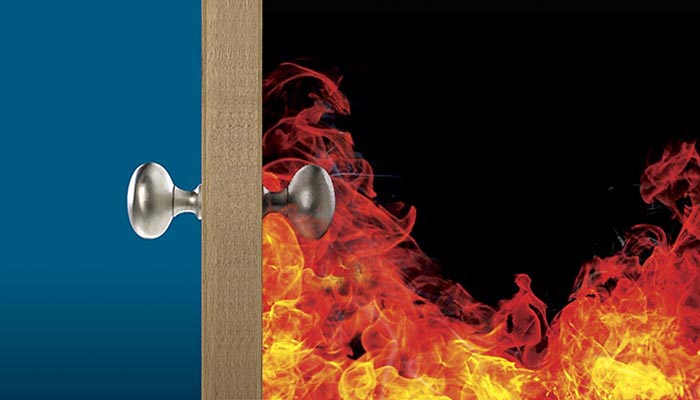
One of the UK’s leading fire door inspection organisations has warned of a “tragedy waiting to happen” after it revealed three-quarters of the fire doors inspected in the UK by its approved inspectors did not meet the required standard. The Fire Door Inspection Scheme (FDIS)’s data, based on more than 100,000 fire door inspections carried out by its approved inspectors in 2021, found that 75% of fire doors failed to meet the required standards, putting lives at risk in the event of a fire. Alarmingly, buildings that had the highest number of fire door inspection failures included healthcare buildings, local authorities and housing associations, and private housing. Given that these buildings’ fire doors are subject to higher use and traffic than other building types, regular inspection and maintenance is key to ensuring they remain fit for purpose throughout their lifespan. Where faults are identified, urgent fire door remedial works must be carried out to bring them up to the required safety standard and ensure compliance with fire safety regulations. Louise Halton, FDIS Scheme Manager, said “With the vast majority of fire doors in the UK failing inspections, it’s sad to say that a tragedy is simply waiting to happen, especially so in buildings that are home to vulnerable residents. But this situation is entirely preventable and, at this stage, still reversible. A fit for purpose fire door can save lives, so now is the time for all of those responsible for fire safety to urgently inspect fire doors in their buildings and act immediately if faults are identified. “It’s crucial that reputable and trained fire door inspectors, such as those approved by the FDIS, carry out fire door inspections. However, the ongoing reporting of maintenance issues with fire doors is a role for us all – every building user should play a proactive role in reporting any faults to ensure they are quickly addressed so that the building’s safety is maintained.” The most common reasons for inspection failure – which can be a result of one or multiple issues – were excessive gaps between the door and the frame (77%), care and maintenance issues (54%), and issues over smoke sealing (37%). In almost a third (31%) of cases, inspections failed due to improper installation – meaning those doors were never fit to perform the task of holding back fire and smoke. The inspection data also revealed inspectors’ top three fire safety concerns as a lack of fire door maintenance, and poor knowledge of fire safety responsibilities and a limited understanding of the role fire doors play in keeping people safe by those responsible for building fire safety. “The issues surrounding the understanding and knowledge of those responsible for fire safety was also highlighted in the FDIS’ inspection data released in 2020 as a key concern,” added Ms Halton. “This clearly demonstrates the need for individuals throughout the building safety sector to have access to quality training, assessment and examination to ensure their knowledge is up to date, and that they understand the fundamental role of a fire door – which is only fit for purpose if it is maintained correctly and inspected regularly.” The positive news is that there is a will to improve. Since the introduction of the Building Safety Bill (now the Building Safety Act 2022), 77% of FDIS inspectors have seen an increase in demand for fire door inspections. This indicates the importance and effect of the legislation in encouraging building owners and fire safety professionals to take a more proactive approach to fire door safety and maintenance. The FDIS certified inspectors are uniquely trained to undertake fire door inspections and improve building fire safety. All approved inspectors have completed the FDIS certificated inspector training and onsite assessment, which provides an understanding of fire doors and their components, including testing and certification, regulations and standards, inspection, and maintenance. For more information about the FDIS and to find an approved FDIS Inspector, visit: https://fdis.co.uk/ Building Design and Construction Magazine | The Home of Construction & Property News
Read More »

Energys Group welcomes positive impact being made by Public Sector Decarbonisation Scheme

Energys Group, one of the UK’s leading decarbonisation delivery companies, has welcomed the positive impact being made by the Government’s Public Sector Decarbonisation Scheme (PSDS), and believes it is playing a critical role in delivering decarbonisation across the public estate. In announcing the latest round of successful projects to be awarded funding, the Government also revealed that the implementation of affordable, low carbon heating and energy efficiency upgrades across public sector buildings – including hospitals, schools, libraries, museums and leisure centres – will save local authorities and taxpayers an average of £650 million per year on energy bills over the next 15 years. The first round of funding allocated through Phase 3 of PSDS will provide grants – totalling £553 million – to 160 public sector organisations across England, forming part of £1.425 billion that will be issued through Phase 3 until 2025. As well as cutting the use of expensive fossil fuels and saving millions of pounds on energy bills, the scheme provides a major opportunity on the path to reducing emissions from public sector buildings by 75%, compared to 2017 levels, by 2037. Whilst the primary objective of PSDS is to help decarbonise heating, the scheme has also made funds available for other energy efficient technologies that can make a real difference to carbon and energy cost reduction – including LED lighting. Energys Group calculated that it has been responsible for the delivery of approximately 20% of the total spend on lighting upgrades as part of the PSDS, having been involved in over 70 projects that were given the go-ahead under PSDS equating to a total value of around £6m. Kevin Cox, Managing Director of Energys Group, commented: “The announcement of the expected savings local authorities will make as a result of the Public Sector Decarbonisation Scheme funding clearly shows the positive impact it is having across the public estate. By boosting the implementation of energy efficient and low-carbon technologies, it is providing a major opportunity on the path to realising the UK’s 2050 Net Zero emissions targets. As Phase 3 of the scheme continues to roll out over the next three years, it is critical that public sector organisations continue to take of the funding being made available. For anyone looking for advice on how they can benefit from the scheme, Energys Group is on hand to provide specialist support and guidance.” Guidance on how to apply for Phase 3b will be published in July, with the next round of applications expected to open in September. Building Design and Construction Magazine | The Home of Construction & Property News

Read More »

Partnership is key to asset management  

As we embrace post-pandemic life, social landlords as well as focussing on building new homes are also putting repairs and maintenance of existing stock at the top of their priority list.  This drive to make significant improvements to tenants’ homes relies on key partnerships with contractors.We had to postpone some investment during the pandemic and are now playing catch-up by investing more than ever before in the maintenance and improvement of our housing stock. The Caledonia Group this year alone will be investing over £8m improving more than 30% of our existing 5,500 homes, however this will be challenging as we deal with a perfect storm of supply chain issues, including availability of materials and resources, leading to spiralling costs.Whilst we are weathering the storm, as a landlord and client, we recognise that in order to deliver this investment we need to have robust long-term contracts in place with trusted contractors and suppliers to partner with us to improve tenants’ homes. This process of good relations starts with clear client requirements, a fair procurement process and negotiated contract terms.  With this in mind, quality as well as cost are key factors in our procurement process. Our network of contractors plays an integral role in our asset management, and we have a policy of introducing quality as a prerequisite when selecting contractors, looking in detail at the expertise, approach, and contractors’ ways of working, as well as the price. We also want to make sure any contractors who have responded to a tender have done so in a way that is sustainable for them. We have already seen a price rise of over 10% for kitchens, bathrooms and windows, and other raw material costs are also still on that upward trajectory.    Experience tells us that prices seldom come back down, therefore it is important for us that we choose contractors who are building sufficient resource into their initial responses to the tendering process. There is also an imperative on us to be a good business partner.   Last year, 175,000 people left the UK construction industry.   We can see there is a shortage of contractors and the current boom in the construction industry means that the clamour to respond to tenders is no longer a reality.   Furthermore, tenders may only have a short shelf life due to cost volatility.  We therefore need to be responsive and agile as social housing partners to get the best deal and service for our tenants.   Our Asset Management team and network of Neighbourhood Officers are the main contact points for tenants with regard to the work in their homes.  However, once appointed, the contractor is also providing a service in Caledonia’s name. We therefore have to trust our contractors crossing the threshold into our tenants’ homes to uphold Caledonia’s values and play a significant role in the successful delivery. We want our tenants to feel comfortable about contractors being in their home and, whether they are replacing their kitchen, bathroom or heating system, our reputation is in their hands. Our aim is therefore to create long-term partnerships.  Ideally, we want our contractors to understand how we do business and be sensitive to the needs of our tenants and their families. At the same time, we need to understand the pressures contractors are under themselves, and the difficulties that they encounter in managing our expectations in an incredibly challenging environment.  This requires us to work closely together as we constantly manage all projects – from small refurbishments to larger capital improvement programmes.   On the ever-increasing number of priorities on our asset management teams’ to-do lists, fostering partnership and building positive relationships with our contractors is crucial to delivering our ambitious investment plans. Building Design and Construction Magazine | The Home of Construction & Property News
Read More »

Keeping construction skills up to date – CLF introduces new suite of CPD courses

Digital construction, net zero and retrofitting are key issues for the construction sector. In recognition of the importance of career progression, industry collaboration body the Scottish Construction Leadership Forum (CLF) has worked to develop a new suite of free-to-use continuing professional development (CPD) modules. Working with Built Environment – Smarter Transformation (BE-ST), formerly the Construction Scotland Innovation Centre (CSIC), the CLF is aiming the new modules at educators, who will cascade the information to a wide variety of different learners. The modules, which have just been launched today (Tuesday 31st May) can be found on the BE-ST Learning Management System, will focus on key areas of the recovery and transformation of the construction sector. They are free to use and include an understanding of digital construction by BE-ST: building a net zero environment with a focus on retrofitting by the Association for Environment Conscious Building; and a course on timber technologies and innovation by Edinburgh Napier University. Kirsty Duncan, Associate Impact Manager at BE-ST, said: “The construction sector is increasingly seen as a very attractive career option and CPD is an important part of that. “These new digital assets and resources will be used by educators to enhance learning provision and will be hosted on our learning management software, requiring only a username and password. “The courses will be short and to the point and will include case studies, videos and real-life scenarios. They will be free of charge and users will be able to do them at their own pace, coming and going as they choose. Certificates will be awarded on completion.” The CPD plan is the latest initiative from the CLF, which recently launched a revolutionary new data dashboard to collect and disseminate statistical knowledge, creating greater openness, transparency and information exchange in the construction industry in Scotland. It has also introduced the Built Environment Workforce Development Portal, a new guide which will provide a breakdown of re-skilling and up-skilling courses by theme, occupation and region across Scotland. The CLF was established in March 2019 to develop and implement a Recovery Plan of actions aligned with Government policies and the Construction Scotland Industry Strategy.  Building Design and Construction Magazine | The Home of Construction & Property News

Read More »