bdc magazine

MCAVOY CONTINUES ON RETURN TO SUSTAINABLE PROFITABILITY

Offsite manufacturing specialist, McAvoy Group Limited has marked its 50th year in business with a continued return to sustainable profitability, according to its latest set of consolidated group accounts. The Lisburn-based company has reported a rise in turnover to £71.5m for the 13-month period to 31 May 2022, compared to

Read More »

Deciding on the best base for your garden shed

When deciding to put up a garden shed, you must first decide what type of base to put it on. There are many factors you need to consider when making this choice. The most crucial factor is the type of soil your garden is in. If your soil is soft

Read More »

The Future of the offshore renewable supply chain?

The rapid growth and development of the offshore wind sector offers a huge opportunity for the UK supply chain. But what does this opportunity really mean and what is the UK supply chain? A vast number of offshore wind projects, alongside tidal stream, solar and other renewables, are set to

Read More »

WORK ON PUBLIC SQUARE UNDERWAY AS PART OF £200M REGENERATION SCHEME

Work is underway on a new public square next to the #BuiltByGMI apartment block at the £200m Becketwell regeneration project in Derby city centre. GMI Construction were joined by developers St James Securities as well as representatives from Derby City Council, D2N2, and other key stakeholders at a ground-breaking ceremony

Read More »

City Hall seeks development partner for new £107m innovative industrial regeneration project in Greenwich

A development partner is being sought for a major, first-of-its-kind industrial regeneration scheme on the Greenwich Peninsula. The 3.38-acre site at 75 Bugsby’s Way will be transformed into one of London’s first multi-storey industrial buildings, meeting one of the Mayor Sadiq Khan’s key objectives for industrial intensification set out in the

Read More »

Acclaimed green construction innovator readies for growth and re-brands to LCM

The UK company behind a pioneering new building material is another step closer to mainstream production, as it gears up for growth following international notoriety and investment. Environmental innovator, Sphera, now Low Carbon Materials (LCM), is one of many companies shaping the ‘green construction’ sector as its science-based, lower carbon,

Read More »

Things to do in basement

Are you bored with your idea of fun? What about having a spot of fun in your basement rather than running out of things to do, right? Now, sometimes having some fun in the underground basement can be exhilarating. However, a good basement underground mapping is necessary first before you start having

Read More »
Latest Issue
Issue 335 : Dec 2025

bdc magazine

2 Important construction principles for building your own small brewery

You’ve got the business skill, the marketing techniques, and the staff to have your own small brewery. However, the problem that you will be dealing with is exactly how to build it!  A small brewery is a specialized building that needs to follow its own special set of rules, and there are a lot of construction principles that you need to follow in order to make your brewery a success! Key Features Of Your Building Before we get into the features that will go into building the building, let’s look at the structure itself. First, you want a good location that will allow customers and delivery trucks to be able to reach you in equal measure.  Additionally, you need enough square feet to accommodate all the equipment and everything else you need to build a brewery. As a general guide, for a 3 to 5-barrel brewing system, you need 300 to 500 square feet of space for everything. For a 7, 10, or 15-barrel brewing system, you need anywhere from 550 to 1,200 square feet and that is just for the brewing system! Plus, you need a building that has tall ceilings, proper venting, proper drainage systems, and also access to high-pressure water as well. A small brewery is going to need specific utilities to work. For example, you need high-pressure water and a uniform flow that doesn’t impact water in the other areas of the building. Additionally, you might need a system to filter the water as well. Electrical services are also going to be important. Depending on your brewing equipment, you will need different levels of electrical requirements, as well as a system that can handle that strain. Proper drainage in several areas that flow well in various areas of the brewery is also needed, as well as proper venting. As you are building, make sure that your space can meet all these needs or your microbrewery will fall flat. Just like a restaurant, your surfaces need to be clean and also need to be very easy to clean as well. The finishes that you pick for your surfaces will make it easier to clean them, and it is worth factoring them into your construction. You should be able to wash all floors and walls, and the floor finish also needs to be durable enough to resist the brewing process and resist stains and damage as well. Steel buildings are the best for this because they can be washed and cleaned, and you can easily design a durable floor system around them as well. Look for a steel building for your brewery if possible, because it holds a lot of advantages that can mitigate the other problems that a brewery can face. Other Key Brewery Considerations: What Hops Will You Use? Finally, even as you build the building to make it perfect, you also need to consider what goes on inside your brewery! The hops that you use are going to be just as important as the materials that they go in, and you need to consider this choice carefully. Lots of different hops are going to be available, and all of them will have different beer profiles. For example, Cascade hops are used for bitterness, aromas, and also for light beers. Meanwhile, Southern Hemisphere hops are also used for their unique flavors as they are grown south of the equator and are focused on flavor. Picking the hops that you are going to brew for your beer is a tough choice for any small brewmaster, and that is going to be very important for your brewery as things go. So don’t be afraid to take some time before making the choice. Build Your Brewery, But Do It Right As you have seen from this article, building even a small brewery can be something that takes a lot of thought and requires some hard decisions to be made. So don’t be afraid to pump the brakes and think about all the tiny details that will make your brewery perfect. The more thought you put into the brewery, the better it will be whenever you get it up and running! So get the right hops, the correct specifications, and the space you need to build your brewery. The better that you do at building your brewery at the start, the more you can focus on expanding your operation once everything gets up and running!

Read More »

MCAVOY CONTINUES ON RETURN TO SUSTAINABLE PROFITABILITY

Offsite manufacturing specialist, McAvoy Group Limited has marked its 50th year in business with a continued return to sustainable profitability, according to its latest set of consolidated group accounts. The Lisburn-based company has reported a rise in turnover to £71.5m for the 13-month period to 31 May 2022, compared to £23.8m for the six-month period ending April 2021. Meanwhile, the company generated an EBITDA of £6.2m for the same period, compared to £2.4m for the period ending April 2021. The company strengthened its balance sheet on 31 May 2022 with net debt of 0.8 x EBITDA and equity of £4.9m. McAvoy Group’s continued return to sustainable profitability and underlying business growth has included several key project successes including the world’s first International Baccalaureate special free school for children with autism at Cavendish, a Low Carbon Pathfinder School for the Department for Education at Redhill and the securing of a significant ten-year rental contract at University Hospitals Birmingham NHS Foundation Trust. During the most recent financial period,  McAvoy Group announced a significant multi-million expansion programme that included the launch of a new SmartSpace semi-permanent modular fleet that will ensure McAvoy has one of the newest modular fleets in the UK and Ireland. The investment will more than double the capacity of the company’s semi-permanent fleet for rental and will include the creation of approximately 50 new jobs over the next three years. CEO, Ron Clarke said: “The group is experiencing robust and continued interest in its proposition, supported by favourable structural tailwinds and the Board, with the continued support of our shareholders, has embarked upon a strategic growth plan which includes the creation of a modern and highly flexible rental fleet. Designed and built to enhance energy and fire protection standards, SmartSpace provides our customers with sustainable space solutions which will allow significant scope for future value creation.” He continued: “Whilst recognising that the trading environment will remain challenged by ongoing geopolitical tensions and inflationary cost pressures, we continue to see strong underlying demand for the company’s sustainable building solutions.” McAvoy is one of the UK and Ireland’s market leaders in the precision manufacture and delivery of high-quality permanent and semi-permanent modular buildings. Its adaptable and sustainable space solutions are sought after in sectors including health, education, commercial and infrastructure. Innovation continues to be a central part of the company’s activities with several ongoing R&D projects following its involvement in Seismic I and Seismic II which developed a new componentised, platform-based approach to manufacturing and construction, which can be adopted by multiple manufacturers.

Read More »

Deciding on the best base for your garden shed

When deciding to put up a garden shed, you must first decide what type of base to put it on. There are many factors you need to consider when making this choice. The most crucial factor is the type of soil your garden is in. If your soil is soft and wet, you will need to choose a different base than if your soil is dry and sandy. Here are some of the most popular choices for garden shed bases. 1) Concrete Shed Base Concrete is one of the most popular choices for garden shed bases. It is strong and durable, so it can support a lot of weight. It is also easy to clean and maintain. Consider a few things before choosing concrete as your garden shed base. The first thing you need to consider is the size of your shed. Concrete is an excellent choice for large sheds, but it may be too heavy for small sheds. You also need to consider the weight of your shed. If it is too heavy, the concrete may crack. The next thing you need to consider is the climate. Concrete may not be the best choice if you live in an area with a lot of snow and ice. Alternatively, it can also crack in extreme heat. 2) Plastic Shed Base Plastic is another popular choice for garden shed bases. It is lightweight and easy to install. Plastic is also a good choice for areas with a lot of snow and ice. However, it can crack in extreme heat. The most significant advantage of plastic is the cost. A Plastic Shed Base is one of the cheapest materials you can use for your garden shed. 3) Wood Shed Base Wood is a classic choice for garden shed bases. It is strong and durable. It can also be used to build the shed walls and roof. The only downside is that it is susceptible to rot and insect damage. If you choose to use wood for your garden shed base, make sure to treat it with a waterproofing sealant. This will help extend its life. You should also consider using pressure-treated lumber, which is treated with chemicals to resist rot and insects. 4) Gravel Shed Base Gravel is a good choice for areas with dry, sandy soil. It is easy to install and maintain. Gravel is also one of the cheapest materials you can use for your garden shed base. The downside of gravel is that it can be challenging to level. If you have a lot of uneven ground in your garden, gravel may not be the best choice. Another downside is that gravel can be a bit messy. Gravel may be tracked into your house if you have small children or pets. There are a lot of different materials you can use for your garden shed base. The best choice for you will depend on the type of soil, the size of your shed, the weight of your shed, and the climate. Plastic or gravel may be the best choice if you are on a budget. Otherwise, wood or concrete are good choices.

Read More »

The Future of the offshore renewable supply chain?

The rapid growth and development of the offshore wind sector offers a huge opportunity for the UK supply chain. But what does this opportunity really mean and what is the UK supply chain? A vast number of offshore wind projects, alongside tidal stream, solar and other renewables, are set to go ahead over the next 10 years – including projects linked to ScotWind, INTOG and the Celtic Sea leasing round. Not only will these projects propel the country towards its net-zero targets, but they will also help to create greater energy independence through a strong and sustainable domestic renewable energy supply. But with a UK Government target to reach 50GW of offshore wind installed by 2030, there are challenges as well as opportunities, ahead. There is significant pressure on both industry and governments to make sure this rapid expansion in offshore renewables is matched with tangible benefits for the UK economy. For the UK to fully reap the economic rewards of offshore energy development, new and innovative ways of working are needed to prepare UK companies for future deployment. The supply chain is made up of people – their skills and knowledge, as well as technology – the engineering and AI of the future, and innovation. All of these are needed to make offshore installation a reality. The UK supply chain is local, regional and national, but strategic collaboration is needed to realise the opportunity across coastal communities, regional boundaries and national interests – joining together people, technology and innovation. As demonstrated by the various leasing rounds mentioned, the UK has successfully established a project pipeline, but the focus also needs to be firmly on ensuring we are developing the right skills pipeline. Industry and government have an important part to play but we should be open to innovative new ideas as we invest in and attract the skills needed for the near future. At ORE Catapult we are supporting the UK supply chain by working with companies that are developing new products and services for the market, de-risking offshore projects to secure future jobs, and addressing the various stages of supply chain growth with programmes that support companies from concept to commercialisation. We support innovation and the development of technology and provide programmes that allow ideas to become a reality.

Read More »

WORK ON PUBLIC SQUARE UNDERWAY AS PART OF £200M REGENERATION SCHEME

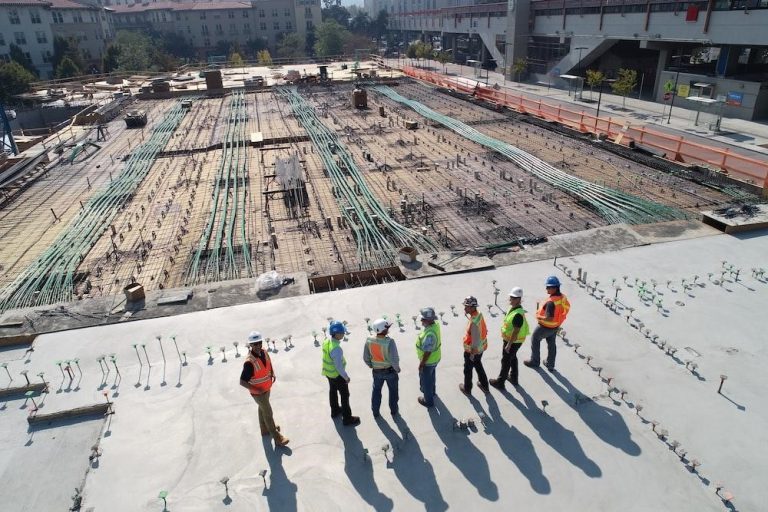
Work is underway on a new public square next to the #BuiltByGMI apartment block at the £200m Becketwell regeneration project in Derby city centre. GMI Construction were joined by developers St James Securities as well as representatives from Derby City Council, D2N2, and other key stakeholders at a ground-breaking ceremony to mark the start of building works on Springwell Square, which will be located on the site of the former Central United Reformed Church. Springwell Square will be the centrepiece of the #BuiltByGMI development, adjacent to the two-bedroom Build to Rent (BTR) apartments, currently being built on the site previously occupied by Debenhams on Victoria Street.  The development will be operated by Grainger PLC, the UK’s largest residential landlord, and is scheduled to be completed by Spring 2023. Future planned phases at the site include new grade A offices and commercial space, 3,500-capacity performance venue, a hotel and a multi-storey car park. Delighted to see work begin on the multi-purpose square, GMI Divisional Managing Director Andy Bruce said: “Over £1m is being spent on the square and it will make a massive difference to the area, with its high-quality finish and landscaping making it a real focal point for the development. “In terms of the apartment block itself, the interior is progressing at a great rate of Knots, and it’s a job that we’re going to be extremely proud of when it’s finished. “It has really kick-started the re-development of the Becketwell area of Derby, which has been needed, and is a welcome boost to the East Midlands.” Growing their portfolio of public and private clients in the Midlands, GMI were awarded the contract worth £30m by St James Securities ahead of the demolition work, which started in March 2021.   “This is yet another job we’ve secured in the East Midlands on top of those including a Bottling Plant at Dove Valley Foston, which we’re working on for a German Client,” added Bruce.   “It’s a really exciting time for GMI in the Midlands.” Anticipated to create more than 2,000 jobs, the regeneration scheme has been given a ringing endorsement by Steve Hassall, Member of Regeneration, Decarbonisation & Strategic & Transport Cllr. He said: “It’s great to see the building itself going up, but it is also great to see the ground-breaking on the public square, which will be open for the public to enjoy. “For a lot of years, this particular area of the city has languished as a bit of a forgotten piece of the city, so it’s a fantastic opportunity for this site to be utilised like it has never been before. “We’ve enjoyed a great partnership with GMI throughout the process, with quality of work and timescales second to none. “It’s a real testament to everyone on site that things are on target.” The most significant development in Derby city centre since the Westfield Centre in 2007, considerable planning has gone into ensuring work is both sustainable and environmentally friendly. Strict noise, dust, vibration monitoring and environmental controls have been put in place to minimise the impact on surrounding businesses and properties. David Williams, Deputy Chair of D2N2 Local Enterprise Partnership (LEP) said: “It’s one of those really good examples of collaborative working between the City Council, developer and contractor. “Considering this is an enormous development in the middle of quite a tight area, the impact on the city has been minimal. “I haven’t heard of any issues at all, so I think it’s a fantastic achievement.” Explaining how the square will benefit the area, Director of St James Securities Paul Morris said: “We’re delighted to see construction work start on schedule as we move to the next stage of this landmark regeneration scheme for the City of Derby. “Over the past five years, we have been real trailblazers, prepared to take on a site that has been challenged for many years and put together a scheme which will breathe new life into the area. “Springwell Square will open up land to the south and bring it back into use. It will be a place where people can meet and relax in an informal space, and it will improve the vibrancy and attraction of the city centre.”

Read More »

City Hall seeks development partner for new £107m innovative industrial regeneration project in Greenwich

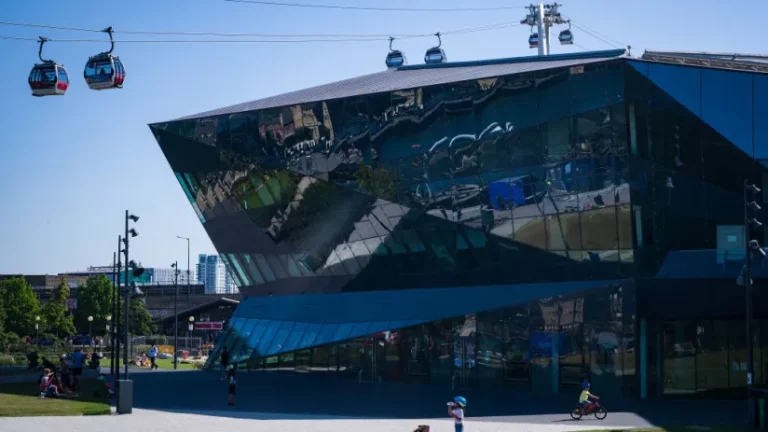
A development partner is being sought for a major, first-of-its-kind industrial regeneration scheme on the Greenwich Peninsula. The 3.38-acre site at 75 Bugsby’s Way will be transformed into one of London’s first multi-storey industrial buildings, meeting one of the Mayor Sadiq Khan’s key objectives for industrial intensification set out in the London Plan. The Mayor is keen to attract new business to the area and create employment opportunities for the local community through the initiative. The project will be highly sustainable, serving as a benchmark for future industrial development. The successful developer will enter an agreement with Greater London Authority Land and Property (GLAP) to design, develop and build the £107 million scheme and will be granted a 250-year leasehold on the site. This new project forms part of the £8.4bn, 20-year regeneration of the Greenwich Peninsula, including the creation of seven new neighbourhoods, 17,500 new homes and 48 acres of public green space. Tom Copley, Deputy Mayor for Housing and Residential Development, said: “The Mayor and I are committed to the regeneration of Greenwich, and other areas in London with significant potential for growth. “The regeneration of 75 Bugsby’s Way into one of London’s first multi-storey industrial buildings will be a landmark moment, transforming the Greenwich Peninsula into a thriving hub for commerce and business. This is an exciting opportunity, and I look forward to securing a partnership which brings to life our vision for a more prosperous city for all Londoners.”

Read More »

COLE WATERHOUSE COMPLETES DIGBETH LAND ACQUISITION FOR UPPER TRINITY STREET

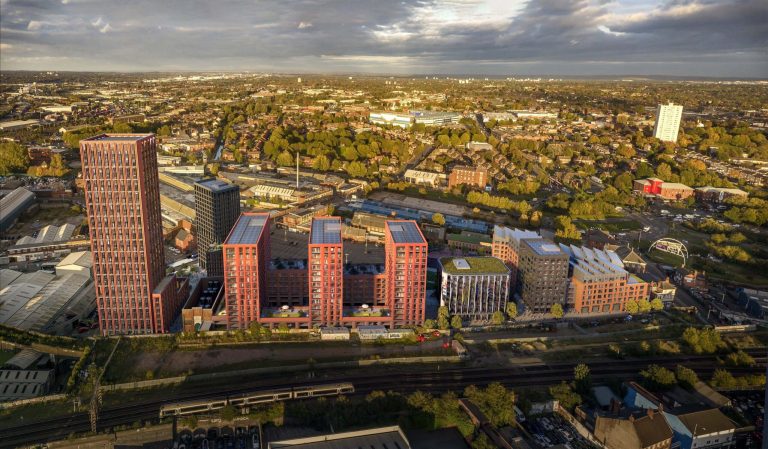
Investment and development company Cole Waterhouse has completed the acquisition of a key development site in Digbeth, paving the way for the creation of Upper Trinity Street (UTS), a £260 million mixed-use scheme which will deliver 943 new homes and a new public park for the city. Cole Waterhouse has entered into an agreement with debt facility provider Ingenious to acquire the land from multiple private owners, with Auxillium Real Estate acting as the debt broker. The purchase comes after Birmingham City Council granted planning permission in July 2021 for the transformation of the industrial land into a cultural, commercial and residential scheme. It will include the creation of Pump House Park which will sit alongside the canal and the historic lock keepers cottage which will be retained. Last year Cole Waterhouse signed the first tenants at UTS including the world’s first Museum of Youth Culture, Birmingham Music Archive and Digbeth’s legendary Pat Benson Boxing Academy which together will occupy over 15,000 sq ft of space. Designed by Corstorphine & Wright, UTS will deliver a blend of rentable and open market sales homes, some with live-work space and roof gardens, a 133-bedroom hotel, 60,000 sq ft of flexible commercial space, car parking and large new areas of public realm across a network of landscaped yards, squares and hidden spaces. The development of UTS is expected to create 600 jobs during the construction phase, deliver £229.5m GVA to the local economy and will create up to 313 additional jobs once built. Phase one will see the development of a portion of the residential element of the scheme comprising build-to-rent housing. Speaking about the acquisition, Damian Flood, CEO at Cole Waterhouse commented: “With the land now successfully acquired, we look forward to the delivery of this major mixed-use scheme. Over the course of the next few months we will be tendering the construction contract for phase one, and aim to start on site by Q3 next year. We will also be appointing a real estate adviser to support us with marketing the residential offer both locally and internationally. “There has been a huge collaborative effort from the stakeholders including the City Council, the local community of Digbeth, the Canal & River Trust and our project team and I would like to thank everyone for supporting our vision and for their unwavering commitment to the delivery of UTS.” Simon Delahunty, Assistant Director Development Planning & Development at Birmingham City Council added: ““The announcement that Cole Waterhouse and its funding partners have now acquired the land to bring forward Upper Trinity Street is very welcome news for the city of Birmingham. We look forward to seeing their plans emerge and to witness the transformation of this area of Digbeth with investment for new homes, spaces for people to enjoy and places for people to work.” The value is undisclosed.

Read More »

Acclaimed green construction innovator readies for growth and re-brands to LCM

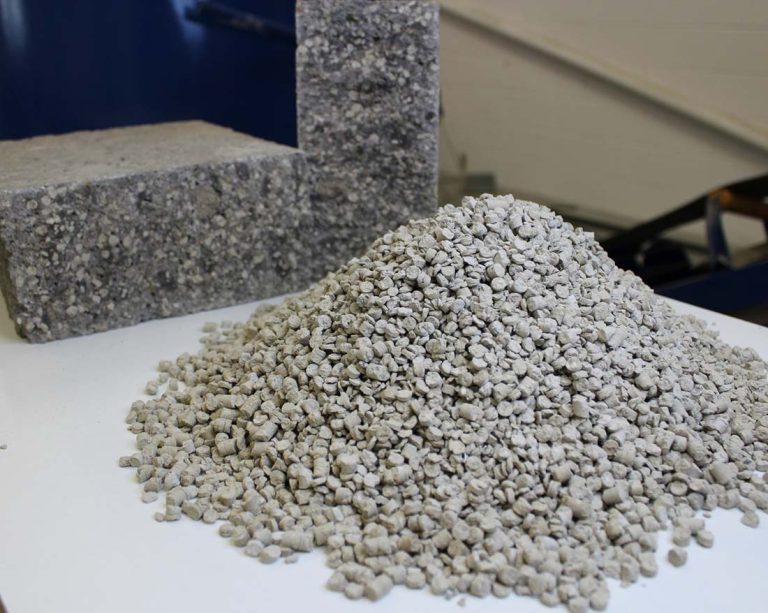
The UK company behind a pioneering new building material is another step closer to mainstream production, as it gears up for growth following international notoriety and investment. Environmental innovator, Sphera, now Low Carbon Materials (LCM), is one of many companies shaping the ‘green construction’ sector as its science-based, lower carbon, new-age building material proves real promise as a solution for the construction industry in achieving net zero emissions. The company’s flagship product, OSTOⓇ, has been technically engineered to utilise waste and by-products in its manufacture which would otherwise be destined for incineration or landfill – further reducing carbon emissions – and creating a ‘win-win’ solution for both industry and the environment twice over. Such is the radical innovative nature of the company’s approach and solution, in just a few years since its inception, it has already achieved global recognition, business acceleration support, and a string of awards, including, not least, an Earthshot Prize nomination, placing it among the 1,000 most impactful and inspiring solutions for environmental issues globally. Dr Natasha Boulding, CEO, and Co-founder of Low Carbon Materials, a purpose-led company, said: “We’re thrilled to be taking the company forward into its next phase of development, multiplying the amount of waste diverted from incineration, and helping construction companies achieve net zero – all whilst helping our planet. There is nothing more important or rewarding than that for us. “The targets set out by the UK government to achieve net zero can only be achieved with the right solutions and a new way of thinking and working. We’re scientists working with a wide range of industry specialists to realise our product plans, which once on the market, could radically redefine how we build, and significantly reduce environmental damage, particularly as concrete accounts for 8% of carbon emissions*. Globally, and working collaboratively, we have the potential to save hundreds of thousands of tonnes of CO2e with this approach. “LCM has enjoyed a phenomenal year, but this is only the beginning and we’ve much more on the horizon to announce”. The re-brand marks the next stage in the company’s development, with its products currently being trialled in the market, while next-stage growth plans are underway to develop and scale carbon-negative materials for the wider built environment. As part of its expansion plans, LCM is quadrupling the size of its HQ, with a move to Jade Business Park, County Durham. The site will include a state-of-the-art R&D facility and production centre to support the scaling and development of new products.  LCM has also tripled its workforce in less than a year with plans to expand it further into 2023 and beyond. For more information, visit https://www.lowcarbonmaterials.com  *’Making Concrete Change: Innovation in Low-carbon Cement and Concrete’ Chatham House Report, 2018.

Read More »

Things to do in basement

Are you bored with your idea of fun? What about having a spot of fun in your basement rather than running out of things to do, right? Now, sometimes having some fun in the underground basement can be exhilarating. However, a good basement underground mapping is necessary first before you start having some fun in it. This basement mapping will allow you to have a spot of fun in your basement and not worry anymore about something getting broken. If you’re starting a basement remodeling project, you’re probably excited about turning your dingy, dark basement into a beautiful and functional space. So, before you get started, here are the most popular uses of the basement. 1. Home Bar If you’re looking to kick back and relax, consider having a home bar. With a home bar, you can pull up a chair or sofa and call up your favorite cocktail. Of course, having a bar space in your home means you don’t have to venture to a bar or liquor store. You can even find home bar supplies online and have them delivered right to your door. 2. Game Room A game room in the basement for parties and family get-togethers is a great idea. It is multi-functional, allowing you to play card games, board games, and video games. A game room in the basement also makes a wonderful place to hang out. Kids can play video games with their friends, and adults can play cards, board games, and more. 3. Den or Informal Living Room The den or informal living room is one of the most important rooms in your home, as it’s where you spend most of your time. Whether you’re reading or watching TV, relaxing, or having a conversation with a friend, it’s the place you’ll want your home to feel warm, welcoming, and comfortable. 4. Wine Cellar The wine cellar is one of the most desirable rooms in any home. It’s a place to keep wine and other alcoholic beverages at the perfect temperature and a place where you can sit back, relax and enjoy your favorite drink. 5. Theater / Media Room A basement is a great place for home theaters and entertainment centers. A home theater gives you the same experience as the movies themselves, minus the long trip to the theater. A theater is perfect for entertaining guests, while a media room is great for watching your favorite movies and television shows. A home theater and media room will keep your guests entertained and allow you to relax while they’re in your home. 6. Library When planning your basement remodel, you’ll likely want to think about more than just the square footage. The most used room in the basement, besides the bathroom, is often the basement library. It’s one of the most popular uses of the basement in your home. Libraries can offer space for books, toys, puzzles, games, and anything in between. A library can be as elaborate or simple as you want it to be. 7. Extra Storage Everybody needs to store things. Whether it’s that new Star Wars toy you’ve just received or an extra box of clothes you brought with you from the move, it’s important to have somewhere to store it. Basements are ideal for this purpose. In fact, basements can be turned into the ultimate storage area. 8. Workout Room / Home Gym A basement workout room is a great place to work out. Basements give you plenty of room, have heat and air conditioning, and offer lots of natural light. You can even make your basement a workout space, including working out. You can lift weights and do different types of cardio. You can make a DIY gym by recycling exercise equipment you already have, or you can buy new gym equipment for your home. Additionally, incorporating red light therapy for workout recovery in your basement gym can provide additional benefits to aid muscle recovery and improve circulation. 9. Playroom Kids love playing, and they love having their own space to play. It is a “safe” place for them to play and run around and ‘be a kid.’ If you have a large basement, you can turn it into the ultimate playroom for your kids. 10. Additional Bedroom(s) When remodeling your basement, one idea to consider is to add a bedroom. Building up the basement (or adding a second story) is one of the most expensive home improvement projects a homeowner can undertake, but adding an additional bedroom in the basement is typically much less expensive than building an entirely new structure. 11. Bathroom The bathroom in the basement is a space filled with opportunity. It is on the same level as the laundry, food prep, toys, and laundry. It is the perfect space to add in storage, a sink, add in a shower, or even create a half bath. With a bathroom in the basement, you don’t have to take the steps or climb stairs to get to the main level bathroom. 12. Nooks A basement is a place that many homeowners try to keep clean and organized. Basements can take a lot of work to keep clean, and clutter can build up quickly. Luckily, more homeowners are learning that a nook is a great way of storing things that are rarely used. 13. Kitchenette / Kitchen The basement is the ideal place for a kitchenette or kitchenette renovation. The basement tends to be humid and damp, so any kitchen problem will manifest first in the basement. Since basements are generally unfinished, they are easy to clean and maintain. 14. Home Office Basements are great spaces to set up home offices. They are usually quite spacious and have a generally high ceiling. The basement of your home is probably the one space in your house where you’ll be most comfortable, and that’s exactly what you need if you’re setting up an office in your home. 15. Utility / Laundry Room Having a laundry room in the basement

Read More »

Glencar to build 344,500 sq ft speculative big box logistics scheme for PLP in Stafford

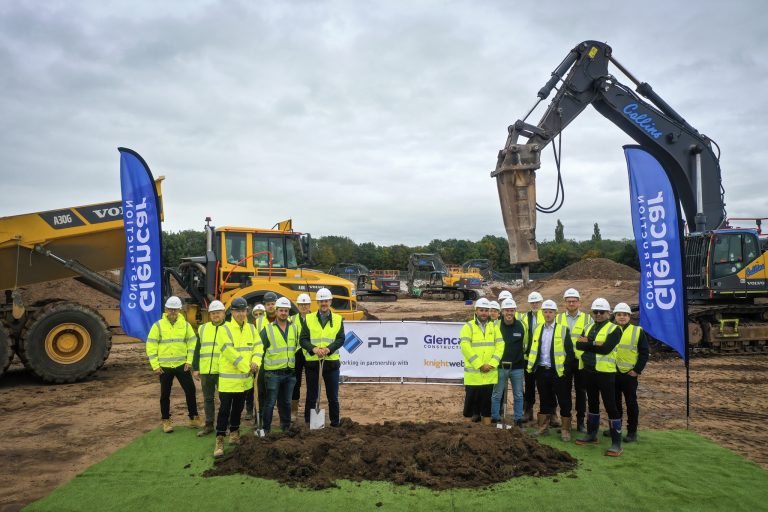
Construction of BREEAM excellent unit is situated at PLP’s newly acquired 17-acre development site at the well-established and successful Stone Business Park in Stafford Glencar, a leading UK construction company that was recently ranked amongst Europe’s fastest growing businesses, has today announced that it has been appointed by long term customer and specialist UK Logistics and industrial property business PLP to construct a 344,500 sq ft warehouse unit being developed speculatively on a 17-acre site at Stone Business Park in Stafford. The site situated on Brooms Lane will feature the redevelopment of a redundant and recently vacated data centre into a new, high specification logistics warehouse that will include over 20,000 sq ft of office accommodation.  The development will also feature a separately accessed, secure service yard up to 67m deep, 300 car park spaces and the retention and enhancement of the existing landscaping belt around the perimeter of the site.  Construction commenced at the beginning of September with completion scheduled for Q2 2023. To mark the start of work on site, a ground-breaking event took place on the 4th October, attended by representatives from PLP, Glencar and the wider project team. The scheme is being developed to achieve a BREEAM Excellent rating and, as with all PLP speculatively developed properties, adhere to the UK Green Building Councils Net Zero Buildings Framework. PLP’s carbon net zero (CNZ) framework combines CNZ construction with CNZ ready design, to enable future occupiers to achieve CNZ operation by utilising built-in renewable energy features and procuring appropriate renewable energy supplies. This includes the use of solar photovoltaics, air source heating and cooling, LED lighting and electric car charging points. Future flexibility is also built into the design, with features such as a strengthened roof to enable full coverage of solar photovoltaics and underground infrastructure to facilitate 100% of all car and HGV parking spaces to have electric charging points. The project is forecast to deliver a host of significant socio-economic benefits including over 100 additional jobs during the construction phase and over 500 new permanent jobs once the scheme is occupied. The completed and occupied scheme will also contribute additional GVA of £24.5 million annually to the local economy. Commenting on the appointment Glencar Managing Director Midlands and North Pete Goodman said: “We are absolutely delighted to once again be working for our long-standing and much valued customer PLP on this incredible new speculative development. This scheme represents the fifth project we have worked on together with PLP and is typical of the strong customer partnerships we place great emphasis on building.” The PLP building specification is market leading with a host of building innovations and carbon net zero features, designed to be ‘future flexible’ to enable future occupiers to benefit from their own renewable energy sources.” Located on Brooms Road, the site is extremely prominent and the gateway to the well-established and successful Stone Business Park. It is highly accessible by road with the A34 dual carriageway adjacent and Junction 14 of the M6 motorway located only 5 miles to the south and Junction 15 of the M6 only 9 miles to the north. The project team comprises of WSP as planning consultants, PHP Architects – Architects, Knight Webb – Project Managers and Hydrok – Engineers..

Read More »