bdc magazine

How to Create a Safe Working Environment on a Construction Site

The construction industry is one of the most dangerous industries out there, with injuries and fatalities being an unfortunate risk for workers. Project managers should always be aware of these potential dangers and should aim to create as safe a working environment as possible. True, the nature of construction means

Read More »

Quick and Easy Ways to Stage a Home for Selling

Home staging is a huge thing in the US and professional home stagers charge large sums of money to transform properties into the kind of home a celeb would live in. Their services don’t come cheap, but the principles of home staging can be utilized by anyone hoping to make

Read More »

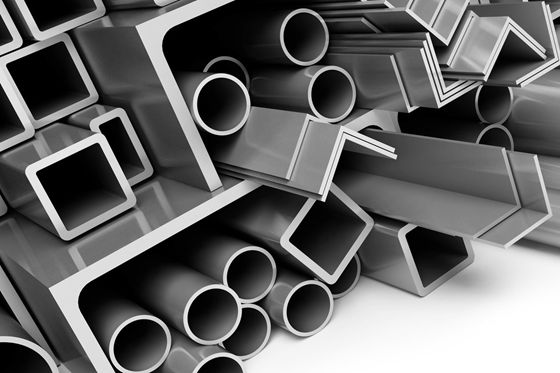
Machinability of CNC Steel

The ability of a material to be cut with a cutting tool is known as its machinability. A material is called more machinable if it can be cut or drilled with the least amount of force and it does so without being deformed. In actual use, using machinability-friendly materials offers many

Read More »

CITB funds mental health first aiders for construction apprentices

CITB is investing £90,000 to fund a pilot scheme which will provide mental health support for apprentices from the start of their construction industry careers.  Optima UK Ltd will train further education construction tutors to be Mental Health First Aiders so they can support construction apprentices during their learning. Apprentices

Read More »

The Affordable Homes Programme since 2015

The Department for Levelling Up, Housing & Communities (DLUHC) forecasts that it will spend £20.7 billion on new grant funded homes through three rounds of the Affordable Homes Programme between 2015 and 2032.1 However, the Department could be more ambitious in how the Programme supports wider government objectives, such as

Read More »

How to Make Sales and Marketing Materials for a New Development

Marketing is the key to turning a new development into a successful venture. This is because it will help you capture audiences and convert them into leads. So, your revenue and profits depend on proper marketing and branding. Sales and marketing materials are vital to successful marketing for new development.

Read More »
Latest Issue
Issue 335 : Dec 2025

bdc magazine

How to Create a Safe Working Environment on a Construction Site

The construction industry is one of the most dangerous industries out there, with injuries and fatalities being an unfortunate risk for workers. Project managers should always be aware of these potential dangers and should aim to create as safe a working environment as possible. True, the nature of construction means that there will always be a measure of risk, but it’s always necessary to make sure that your workers are safe. These risks can be mitigated, which means that a project can run smoothly. Accidents on site can have lasting repercussions on the affected worker and on the project as a whole. Some accidents cause damage, and they are required to be investigated. If it’s found that the incident was due to neglect and a needlessly unsafe working environment, then you can be liable. The project may also be delayed or even abandoned, depending on the incident. Fire Prevention Fire prevention should be a concern for any business, but fires on a construction site can be particularly devastating. Fires don’t just risk the safety of your workers, but they can also destroy the hard work that’s been done and create an unsafe environment for some time. This can cause costly delays and even more costly repairs.  The primary concern in the event of a fire should be the safety of your workers. There should be a safety coordinator on hand at all times, as well as an evacuation plan for anyone on site. While the equipment and property on site are valuable, the lives and welfare of people are more so, meaning that nobody should be risked in an attempt to salvage something. Act quickly to call fire and rescue services, as the sooner the fire can be extinguished, the more property can be salvaged. If the project is insured, then any monetary losses due to property damage and delays can be recuperated to an extent, meaning that you won’t lose too much. Equipment Safety Every construction project requires the use of complex machinery and equipment, which allows your workers to do the work required. This equipment should be taken care of and regularly maintained so that it lasts for as long as possible. If you keep an eye on your machinery, you can spot potential problems before they progress into major issues which can cause the whole project to grind to a halt. Faulty equipment can be incredibly dangerous, especially if your workers don’t know there’s a problem. When repairing your machinery and replacing parts, make sure that you use the same manufacturer for the parts. You can get Mitsubishi OEM parts, as well as parts manufactured by other companies, online so that you can quickly get back into commission.  Another aspect of equipment safety is proper training. If your workers aren’t correctly trained in the use of your machinery, then they can’t use it efficiently or effectively. Even worse, they may be unsafe while using it. Keeping up to date with worker training will keep things safe and running smoothly.

Read More »

Quick and Easy Ways to Stage a Home for Selling

Home staging is a huge thing in the US and professional home stagers charge large sums of money to transform properties into the kind of home a celeb would live in. Their services don’t come cheap, but the principles of home staging can be utilized by anyone hoping to make a good impression on potential buyers. Declutter The first task is decluttering every room. Treat this as a golden opportunity to get rid of anything you don’t need, whether that is furniture you have fallen out of love with, books you read once and hated, or CDs you bought in a manic-depressive state when your first love dumped you on Valentine’s Day. Sell anything worth something and donate the rest to a Goodwill thrift store. If rooms still look cluttered, start packing items you don’t need anytime soon and store them somewhere safe, preferably in a garage or lockup. It is important to create a sense of space. This allows buyers to visualize the property with their furniture and belongings. Weave a Story One of the reasons why social media is so popular is that it paints a picture of a lifestyle we aspire to. We look at an influencer’s social feed and think “I wish this was my life”. Staging a home does a similar thing to buyers. You are selling a lifestyle, not just a home. Select a few choice ornaments, books, artwork, photos, etc. This adds some personality to the rooms, so they don’t look too bland and uninspiring. The aim is to create a home that feels warm and nurturing. You want people to look around and immediately feel a sense of calm and serenity. Show Not Tell It is all too easy to show a buyer your dining room and say: “this room is big enough for dinner parties”. They might look at the floorplan and agree, but it isn’t the same as actually showing them. The best way to make it real is by staging the room for its intended purpose. In a dining room, set up the table for a dinner party, with plates, glasses, napkins, and table decorations. Do the same in the kitchen, with recipe books out and some freshly baked cupcakes. You can do the same outside too. If your garden is perfect for outdoor entertaining, bring out your Vidaxl patio furniture with seat cushions, plates, glasses, and a bottle of wine. It is worth investing in new furniture if yours is looking a bit shabby. Shop for Vidaxl tables and chairs, and some outdoor lighting. Show buyers what a fantastic life they could have if they bought your property. Appeal to the Buyer’s Olfactory Senses How a home smells is just as important as how it looks. Out with the smelly dog bed and cat litter tray and in with the freshly baked bread and percolating coffee machine in the kitchen. Always open windows before buyers arrive and buy some fresh flowers for downstairs rooms. By following the tips above, you can do a great job of staging your home for potential buyers, and it needn’t cost you a fortune. Author Bio: The author Allan Smith is a professional finance writer specializing in personal finance. He has worked in the finance sector for a long time. He believes that everyone’s economic and life situation is isolated, and he keeps this fact in mind while providing personal finance advice in his blog Day to Day Finance. All the people seeking financial guidance are in different stages of life. Allan loves to explore every possible angle of personal finance so that anybody can get help.

Read More »

Machinability of CNC Steel

The ability of a material to be cut with a cutting tool is known as its machinability. A material is called more machinable if it can be cut or drilled with the least amount of force and it does so without being deformed. In actual use, using machinability-friendly materials offers many advantages. Compared to components created from difficult to machine materials, they can be produced more rapidly. Long-term usage of easily machinable materials results in less wearing of tools and the longer tool life, which ultimately saves the money spent on machining. CNC steel has excellent machinability because it is a strong, hard material that is easy to cut and shape. It is also resistant to wear and tear, making it ideal for use in high-speed machining applications such as milling steel. Steel is the primary material of choice for many parts in industries requiring great performance and durability, such as those in the automotive, locomotive, aerospace, and the fastest-growing robotics sectors. Steel and aluminum have extremely distinct physical properties and pricing ranges, steel is much stronger than aluminium and aluminum is also costlier than steel. So, determining which material is ideal for a given work is crucial, when machining metal parts, milling steel may be a more appropriate material choice than aluminum. Factors should be considered when choosing CNC steel for your project Consider the thickness of the material. CNC steel is available in various thicknesses, from thin sheets to thick plates. The thicker the material, the more difficult it will be to machine. However, thick materials are also more durable, so it is important to find the right balance for your project. The type of steel is the second thing you should consider for CNC steel parts. There are two main types of CNC steel – stainless and carbon. Stainless steel is more difficult to machine but is more resistant to corrosion. On the other hand, carbon steel is easier to machine but is more susceptible to rust. After deciding the type, you have to choose the best steel for machining. If you consider stainless steel for your CNC steel parts, you have to choose the perfect grade. The most common stainless steel for machining is 303, 304, 316L, 410, and 416. The surrounding environment also affects the CNC steel machining. Even the best steel for machining can produce bad parts if the temperature, humidity, and dust level are not under control. Operating Environment of CNC Steel CNC steel has high strength, hardness, toughness, and ductility. As a result, this material can withstand high cutting speeds without deforming, making them ideal for CNC machining. However, other materials, such as aluminum and brass, can also be machined using CNC technology. The main difference between machining steel on a CNC machine and other materials is the speed and accuracy of the cuts. The properties of CNC steels allow them to be used in applications where other materials would crack or break under similar conditions. CNC machines are able to make very precise cuts at high speeds. This is due to the fact that CNC machines are controlled by computer programs that can be programmed to make very precise cuts. Other materials, such as aluminum and brass, are not as strong as steel and, therefore, cannot be machined at the same speeds. Additionally, these materials are not as easy to cut as steel and require more time to produce a finished product. While machining CNC steel you have to lubricate the machine properly. Lubricants such as oil, grease, and water are needed to prevent friction during cutting. Dimensional Stability and Tolerance The dimensional stability of CNC steel is a measure of how well the steel can maintain its dimensional accuracy and integrity under different conditions. Dimensional stability is important for CNC steel because it ensures that the steel will retain its dimensional accuracy during the machining process. This dimensional accuracy is known as tolerance. If machining steel is done properly, the tolerance of CNC steel parts can be +/- .5 inches.  If the dimensional stability of the CNC steel is poor, the steel will expand or contract during the machining process, leading to inaccuracies in the final product. There are a few things that can cause steel to warp during machining and hamper the dimensional stability, including: Cutting too deeply into the material Removing too much material at once Using a tool that’s too small for the material Material Costs The cost of CNC steel depends on a number of factors. The type of steel is the most important factor. The different types of steel include: Low-carbon steel: This is the most common type of steel used in CNC steel manufacturing. It is very strong and durable. Low-carbon steel is less expensive than high-carbon steel. High carbon steel: This type of steel is more expensive than low carbon steel. It is also stronger and more durable. High-carbon steel is often used for high-end products. Stainless steel: This type of steel is more expensive than both low carbon and high carbon steel. Stainless steel is very strong and resistant to corrosion. The quality of the steel is another important factor that affects the cost. The higher the quality of the steel, the more expensive it will be. The size of the steel is also a factor. The larger the size of the steel, the more expensive it will be. The quantity of steel is the last factor that affects the cost. The more steel that is needed, the more expensive it will be. Conclusion The machinability of CNC steel has made it a very popular material for many industries. But before you pick a machining steel company you should know their details and working experience. Because CNC steel machining is not an easy thing to do, and it needs years of experience. And a good company can suggest to you the best steel for machining according to your project’s requirement.

Read More »

Important Updates and Information About the Camp Lejeune Water Contamination Lawsuit

The Camp Lejeune water contamination scandal was a major issue and affected nearly a million people over several decades. For those who were affected by the toxic contamination at Camp Lejeune, or have a loved one who was affected, the passage of the Camp Lejeune Justice Act is a massive deal. To ensure you make the most of this act’s passage, here are some important updates and information to catch you up on the Camp Lejeune Justice Act: The Camp Lejeune Justice Act Passes Congress Congress has finally passed the Honoring Our PACT Act, which covers a massive range of cases where veterans and family members were exposed to toxic burn pits and other sources of toxic contamination. The Camp Lejeune Justice Act was a key part of the larger PACT legislation and was created to oversee lawsuits regarding the toxic water contamination that occurred for decades at Camp Lejeune. Nearly a million people have been estimated to have suffered life-altering medical conditions due to the toxic exposure they experienced at Camp Lejeune during their residencies. Additionally, TruLaw has information on the Camp Lejeune lawsuit. Are You Eligible to File a Camp Lejeune Justice Act Lawsuit? Under the text of the Camp Lejeune Justice Act, anywho who “resided, worked, or was otherwise exposed” to the toxic water at Camp Lejeune for 30 days or longer (between August 1st, 1953 and December 31st, 1987) could be eligible to file a damages claim. Military members, their family members, non-military workers, civilian contractors, and other long-term residents who lived at Camp Lejeune are all eligible to file a lawsuit under the Camp Lejeune Justice Act. For those uncertain about their eligibility status, talking to a knowledgeable attorney about Camp Lejeune lawsuit representation is highly recommended. Can the Family Members of Deceased Loved Ones File Lawsuits as Well? The text of the Camp Lejeune Justice Act allows relatives (or legal representatives) to file claims on behalf of people both living and deceased, as long as they were exposed to the toxic, contaminated water at Camp Lejeune Justice during the qualifying period. In addition to legal representatives, the individuals that can file for living or deceased folk include an exposed individual’s child, spouse, parent, or sibling. What Illnesses are Linked to the Water Contamination at Camp Lejeune? A large list of illnesses, many of them life-long or life-altering, have been connected to toxic exposure linked to the water contamination at Camp Lejeune. These illnesses have been put together by the Agency for Toxic Substances and Disease Registry (ATSDR), which is a public health agency. More action is needed to keep similar water contamination issues from happening around the country. Other studies were combined with the ATSDR’s initial study to compile the following list of Camp Lejeune-connected illnesses: -Soft Tissue Cancer -Rectal Cancer -Pancreatic Cancer -Ovarian Cancer -Prostate Cancer -Lung Cancer -Liver Cancer -Multiple Myeloma –Breast Cancer -Bladder Cancer -Non-Hodgkin’s Lymphoma -Leukemia -Kidney Cancer -Esophageal Cancer -Brain Cancer -Cardiac Birth Defects -Neural Tube Defects -Fetal Death -Low Birth Weight -Female Infertility -Choanal Atresia -Miscarriage -Major Malformations -Oral Cleft Defects -Liver Cirrhosis -Scleroderma -Parkinson Disease -End-Stage Renal Disease Differences Between VA Disability Benefits and Lawsuits Under the Camp Lejeune Justice Act There was already legislation passed to help those exposed to toxic water at Camp Lejeune gain VA benefits in 2012 – the Camp Lejeune Families Act of 2012. The act provided needed health care benefits to veterans stationed at Camp Lejeune between 1953 and 1987, as well as their family members, as long as they suffered from any of these 15 health conditions: -Esophageal Cancer -Breast Cancer -Bladder Cancer -Lung Cancer -Kidney Cancer -Scleroderma -Leukemia -Miscarriage -Non-Hodgkin’s Lymphoma -Renal Toxicity -Myelodysplastic Syndromes -Hepatic Steatosis -Female Infertility -Neurobehavioral Effects -Multiple Myeloma The History of Camp Lejeune’s Water Contamination The Camp Lejeune water contamination scandal is one of the most prominent in U.S. history. From the 1950s to the 1980s, two toxic wells contaminated all water on the base and led to health issues for an estimated 750,000+ people. The contamination occurred due to a large multitude of volatile organic compounds finding their way into the water: including benzene, vinyl chloride, tetrachloroethylene, and others. The toxic contamination originated from several sources, including industrial spills, underground storage tank leaks, waste disposal sites, and other mismanagement. When Should I File a Lawsuit Under the Camp Lejeune Justice Act? Now that Congress has passed the Camp Lejeune Justice Act, you should act immediately to file a lawsuit. Hundreds of millions of dollars are expected to be paid out in settlements in the first year of these lawsuits alone, so it is finally time for you to receive the restitution you deserve from the United States government.

Read More »

CITB funds mental health first aiders for construction apprentices

CITB is investing £90,000 to fund a pilot scheme which will provide mental health support for apprentices from the start of their construction industry careers.  Optima UK Ltd will train further education construction tutors to be Mental Health First Aiders so they can support construction apprentices during their learning. Apprentices will also be given mental health awareness training in bite size four hour sessions. This will mean the apprentices have the knowledge and education during learning, at the start of, and throughout, their career in construction. There will also be one-to-one support.   The team at Optima UK are all set to go and will begin training both instructors and apprentices in September.  The courses will be run by trainers accredited by Mental Health First Aid England and deliver 29 courses, all with 16 delegates, to hubs of colleges across the UK. In the space of a year, they will have trained 464 tutors and 464 apprentices, as well as offered one-to-one support to around 100 apprentices.  The CITB investment comes after a study compiled by the Lighthouse Construction Industry Charity and CITB, highlighted the toll poor mental health is taking. Research* showed 26% of construction workers had experienced suicidal thoughts and 91% felt overwhelmed. Tragically, two construction workers take their own lives each day.  CITB CEO Tim Balcon, said: “We need to make sure everyone is at ease talking about their mental health and this comes down to a culture of making it OK to speak up… giving apprentices the confidence to do that from day one, will hopefully make them feel supported in the industry. When staff are supported and happy in their work, and in my view, they will stay in the industry longer.”It has already been proven that having an open approach to mental health as a core value in your firm can save lives. At scaffolding firm CASS UK, a culture of mental health support played a major role in giving two young staff members the confidence to come to the aid of a vulnerable person they realised had climbed up on scaffolding on a site they were working on in Exeter. Karl and Kieran (pictured below) were quickly aware that something was not as it should be when they saw someone trying to climb the scaffold. They stopped what they were doing and took the time to speak to this individual who was obviously troubled. They managed to talk him down and stayed with him until help arrived.  Kieran said: “We knew that what we were seeing wasn’t normal, and there was no doubt that we wanted to help this young man. We didn’t see it as being an act of kindness or wanted any credit for what we did, we just didn’t want this person to do anything that we could stop or help with.   Karl said: “We are aware of the rise in mental health especially in the construction industry and we wouldn’t hesitate to help anyone again in this situation.”  Tim Balcon added: “CITB funding with help foster this positive attitude to mental health from day one of your construction career and we don’t expect everyone to be hero like these two young men but the knowledge it is good to talk will foster a healthy attitude and in turn save lives.” Larraine Boorman, CEO of Optima UK, said: “Optima is so proud to be involved in this ground-breaking project.  “The CITB is to be congratulated, first for its research into a major issue in the industry, and secondly for then taking action by launching this pilot project. As we can see, the statistics show there is a real problem in the sector, but with the right training, education, and support, we can make a real difference to people’s lives.” This UK-wide pilot scheme will aim to understand how mental health education and support can contribute to improved retention for individuals during their apprenticeship in construction, as well as reducing their likelihood of experiencing mental health issues.  Working with CITB, Optima UK will be rolling out an awareness campaign aimed at colleges, tutors, and apprentices, with materials based around the questions, Are We Ok? Are You OK? Look out for the campaign launching week commencing 12th September 2022. CITB has already partnered with Laing O’Rourke, the Lighthouse Club and Samaritans to train 8,000 mental health first aiders in the workplace making mental health information and support, accessible and relatable to small and medium construction employers. 

Read More »

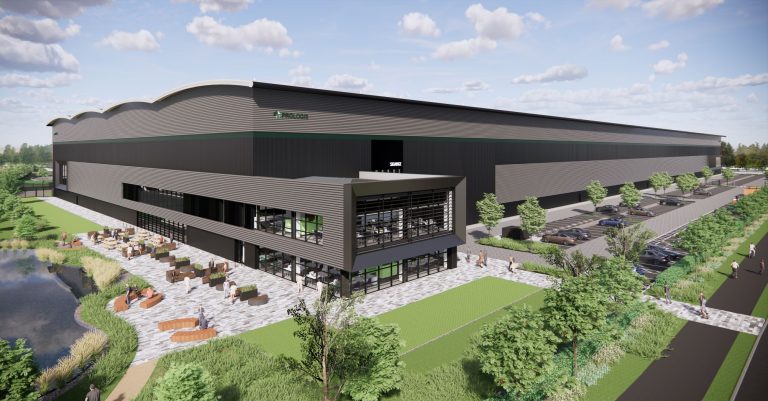
Two new logistics centres at Prologis RFI DIRFT to increase capacity by nearly one million square feet

Prologis UK, a leading logistics property company, has announced it will speculatively develop two new logistics centres at Prologis RFI DIRFT in Northamptonshire – a park recognised as the most successful intermodal road-rail hub in the UK. Designed to best-in-class sustainability standards, both buildings – DC327, with a floorspace of 327,044 sq. ft.  and DC628, with a floorspace of 627,707 sq. ft. – will be net zero in construction. They are also  targeting a BREEAM “Excellent” accreditation, an achievement less than 1 percent of  new non-domestic buildings in the UK manage to achieve. In operation, both units will achieve an EPC A rating, including solar PV array installation which can flex to meet customers’ energy needs. Due to complete in summer 2023, the construction of these new logistics centres follows the development of a third rail terminal, linking to the existing DIRFT infrastructure and the West Coast Mainline railway. The site enjoys close proximity to the M1 and M6 motorways and to the A14 and A5 trunk roads. “This building is the exciting next step in our speculative development programme,” said Sally Duggleby, Vice President of Capital Deployment and Leasing, Prologis UK. “Our customers rely on us to provide modern, high-quality facilities in prime locations, and we work hard to anticipate their requirements.” The popularity of rail freight as part of a balanced, sustainable and resilient supply chain has grown over the past decade and today, over 6,500 trains – the equivalent of 200,000 freight containers – pass through the park each year. DIRFT is already home to household brands, such as Sainsbury’s and Tesco, and  Prologis UK has recently built a new landmark facility for Royal Mail site, which serves as the company’s largest parcel hub in the UK.

Read More »

The Affordable Homes Programme since 2015

The Department for Levelling Up, Housing & Communities (DLUHC) forecasts that it will spend £20.7 billion on new grant funded homes through three rounds of the Affordable Homes Programme between 2015 and 2032.1 However, the Department could be more ambitious in how the Programme supports wider government objectives, such as how it contributes to the government’s net-zero commitments, according to the National Audit Office (NAO). DLUHC intervenes in the housing market to try to ensure there is sufficient supply of affordable housing. The Affordable Homes Programme (the Programme)2 provides grant funding to housing providers in England to support the costs of delivering affordable homes. There are two main iterations of the Programme that are running concurrently, the 2016 programme and the 2021 programme. The NAO found that the Affordable Homes Programme’s targets have a focus on the number of new homes built. The 2021 programme has clear targets about the tenure (e.g. for rent or for sale) of housing it wants housing providers to provide, but there are few targets based on wider factors such as the quality or size of homes or environmental standards. DLUHC has not fully defined the wider outcomes it wants from the Programme, such as reductions in fuel poverty and the creation of mixed communities or set out what success would look like. There is a forecast shortfall of 32,000 in the number of homes to be delivered compared with published targets for the 2016 and 2021 programmes, as at May 2022. Under the 2016 programme, DLUHC forecasts it will achieve 96% of its target for housing starts, but some of these homes will not be built until 2032. DLUHC’s forecast is that Homes England and the Greater London Authority (GLA) will collectively achieve 241,000 starts, against a target of 250,000 starts, by March 2023 (this target includes some homes not directly funded through the Programme).3 Under the 2021 programme, DLUHC expects 157,000 new homes will complete by the time the programme has ended in 2028-29 compared with its target of ‘up to 180,000 should economic conditions allow’.4 It does not expect to meet sub-targets for supported homes (homes with support, supervision, or care provided alongside) and is at high risk of not meeting a sub-target for rural homes. There is also a risk that fewer homes are completed than currently forecast because of building cost inflation, a shortage of materials and labour and other challenges. The NAO found that DLUHC had inadequate oversight of the GLA in the 2015 and 2016 programmes. DLUHC receives performance reports from the GLA, but these contained insufficient information on GLA’s management of the Programme, for example lacking information on spending. In October 2021, DLUHC found that between April 2015 and October 2021, it had given the GLA £1.8 billion of funding which the GLA had committed but not yet used to pay housing providers. DLUHC accepts these payments were a basic error of programme management. DLUHC has started to make improvements to its governance and oversight of the Programme, including in data and performance reporting. There is a lack of strong incentives for housing providers to deliver affordable homes in areas of high housing need or in the most unaffordable areas. The Programme is not delivering a high proportion of affordable homes in areas that the Department assesses have high general housing need. In addition, housing providers are delivering fewer homes in more unaffordable areas, measured by the difference between local house prices and wages. The Programme could bring greater value to other parts of government. When designing the 2021 programme, DLUHC considered how it could generate cross-government benefits in relation to housing benefit spend, the number of people in temporary accommodation and adult social care. However, it did not include savings in temporary accommodation or adult social care costs from providing supported housing in its economic modelling. Potential savings in these areas are not factored into the way DLUHC allocates the Programme’s funding and the kind of homes delivered. If DLUHC used the Programme to deliver more affordable homes in London, this would lead to significantly higher savings on future housing benefit costs (including the housing element of universal credit). DLUHC and Homes England did not include any specific targets relating to reducing emissions under the 2021 programme. Before the end of 2022, the NAO recommends that the DLUHC should develop plans to mitigate the risk that the objectives for delivering affordable homes may not be achieved, and continue to improve its oversight of the Programme. For the next iteration of the Programme, DLUHC should consider what information it needs to improve its understanding of housing need in local areas, and review how the programme sets and monitors the Programme’s targets and sub targets and be clear how the Programme is contributing, when feasible, to wider government objectives, such as net zero and savings for other departments and local government. Gareth Davies, the head of the NAO, said: “Since 2015, the Department for Levelling Up, Housing & Communities has made improvements to the running of the Affordable Homes Programme, but there are still areas it needs to address. “It should reassess targets to ensure the Programme is delivering affordable homes in areas that need them the most. It should also use the Programme to bring about greater value to other parts of government, and advance wider efforts around net zero.”

Read More »

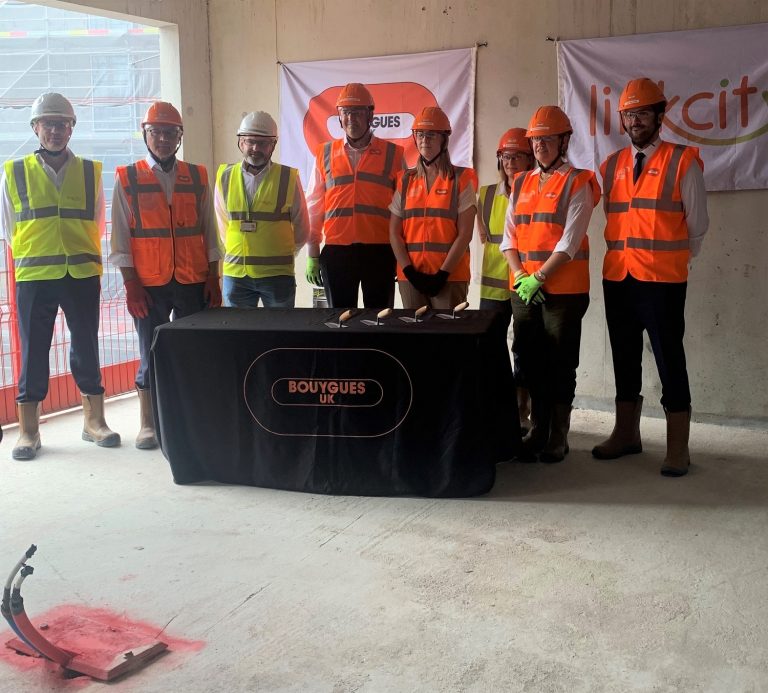
Building services firm celebrates topping out of latest phase of London’s £150 million-pound Hallsville Quarter development

Building services and engineering consultants FHP has celebrated the completion of a key phase of a £150 million residential development in London with a ‘topping out’ ceremony. The move sees the end of work on phase 3 of the Hallsville Quarter in Canning Town, which is a mix residential development consisting of 620 units across four blocks and varying in storey heights from nine to 14 floor levels. Part of a wider £3.7bn urban regeneration programme, the Hallsville Quarter is a new £600m town centre for Canning Town being created in conjunction with Linkcity, Newham London Borough Council and other project partners. It’s part of an ambitious project by the main contractor Bouygues UK that aims to regenerate and transform the broader East London area. Completion of phase III will also deliver a range of new healthcare facilities and provide 378sq. m of new offices, over 1,500 sq. m of leisure and community space, 259 car parking spaces and extra public spaces and landscaped gardens. FHP has provided a comprehensive range of mechanical, electrical design and plumbing (MEP) 3D Revit services for RIBA Stages 2 – 6 of the scheme. This has involved design work to ensure the building and its occupiers will benefit from the highest levels of air quality and reduced levels of noise. Heating and domestic hot water for the building will be provided from the already completed first phase of the development, through an intermediate plate heat exchanger sub-station located in the building’s basement to serve all blocks.  Each building was constructed using Bouygues continental frame method with all party walls and external façade being formed in reinforced concrete, and as such the small power and heating services having to be imbedded within the concrete structure.  As the project was designed in 3D Revit, FHP was able to provide construction setting out information early in the design and build process with the knowledge that all imbedded services and recessed outlets were in the correct position at the time of the concrete pour. The topping out ceremony was attended by FHP managing director Tony Hewitt along with the developer Linkcity and its main stakeholders One Housing Group and Grainger, and Hawkins Brown Architects, Sweco Structures and the Bouygues construction team – marking the final stages of major construction work on a building due to fully open in 2024. Tony Hewitt said: “We are delighted to celebrate this topping out milestone for the Hallsville Quarter development. We are proud to serve as building consultants on the project from concept to completion for this complex project. It showcases the best of workplace design and the knowledge and understanding, which spans both buildings and the design and construction process, that we can bring to flagship projects.”

Read More »

Glencar announces expansion of Midlands team with the appointment of new Operations Director

Mark Green joins from ISG and assumes the role of Operations Director working out of Glencar’s expanding Midland’s office. Glencar, a leading UK construction company that was recently ranked amongst Europe’s fastest growing businesses has today announced that it has hired Mark Green into the role of Operations Director. Mark will be based at Glencar’s expanding Midlands office based in Solihull, Birmingham. Mark joins from Construction Services Company ISG after more than 21 years with the business. He initially started out at ISG Pearce as Operations Manager and more latterly held the position of Divisional Operations Director based in Bristol, where he was also Account Lead for Tesco. In his role at ISG Mark oversaw leading programs of work along with large individual projects on the Tesco retail account together with several large multi-million Amazon distribution schemes. Speaking about the announcement Glencar CEO Eddie McGillycuddy said: “We are delighted to welcome Mark into the business who brings significant experience and expertise which will strengthen our Midlands office significantly. We continue to experience extremely strong growth right across the Midlands market and industrial/logistics sector so this appointment will not only strengthen and expand our team but enable growth through increased resources and customer partnerships. Talking about his appointment Operations Director Mark Green said: “I’m absolutely thrilled to have this opportunity with Glencar and very happy to be joining during a time of such rapid growth and regional expansion with many exciting projects under construction across the Midlands and in the pipeline. I have worked in the construction industry for many years and my values reflect those of the company; working as a team to put the customer first and grow strong, strategic partnerships. I look forward to working with the Midlands team to build repeat business and further growth.”

Read More »

How to Make Sales and Marketing Materials for a New Development

Marketing is the key to turning a new development into a successful venture. This is because it will help you capture audiences and convert them into leads. So, your revenue and profits depend on proper marketing and branding. Sales and marketing materials are vital to successful marketing for new development. What are sales and marketing materials? Sales and marketing materials, including tools like the Rocket CRM System, are vital in attracting customers to your business and nurturing existing ones to generate more revenue. So, sales and marketing materials refer to all the materials you use to promote your business. Examples of sales marketing materials are sales aids, sales & compliance training materials, promotional pieces, electronics, and equipment used by sales representatives. Company websites and social media are also sales and marketing materials. How to make sales and marketing materials Now that you know the basics of sales and marketing materials, we can move to the steps for making them. Below are some tips: Keep it simple When creating sales and marketing materials, always remember to keep it simple. This means that you should use easy to understand language and graphics. Avoid using jargon as much as possible. Use images and infographics to make your points more understandable. Start with branding Branding refers to giving meaning to an organization or specific products by shaping them into clients’ minds. The key to branding is making your company or products memorable to clients. You can do this by creating a unique LOGO. Your logo can be a striking image. For instance, you can source a fantastic image related to your business and edit it with tools like the picture background remover to turn it into a custom LOGO. You can also create your LOGO from scratch using digital tools or hire professional assistance. You can also create your logo from scratch using digital tools like a free AI logo maker or hire professional assistance. Besides the LOGO, your new development’s name is vital in branding. The goal is to ensure clients recognize your products or company every time they see the LOGO or name. So, create a catchy name that will stay in clients’ minds. Your slogan is also another essential branding tool. A slogan is a short and memorable phrase that represents your company’s mission or values. It should be something that will resonate with clients and make them want to do business with you. Some of the best slogans are: “Just Do It”- Nike “Finger-lickin’ good”- Kentucky Fried Chicken “The breakfast of champions”- Wheaties “We try harder”- Avis Coming up with the materials The next step is coming up with the materials you want to use for sales and marketing. You can come up with effective sales and marketing materials by: Once you have narrowed down the sales and marketing materials you want to create, the next step is producing them. The production procedures and tips may differ depending on the material types. However, it would be wise to try out the following tips: Marketing your new development The most crucial part of making sales and marketing materials is promoting your new development. There are numerous ways of marketing your products, but some of the most effective are: Conclusion You can switch up your new development’s sales and marketing materials depending on how audiences respond to them. For instance, paying attention to reviews would be wise because you will see what materials work and those that do not. Switching them up or upgrading will also help you maintain clients’ interest.

Read More »