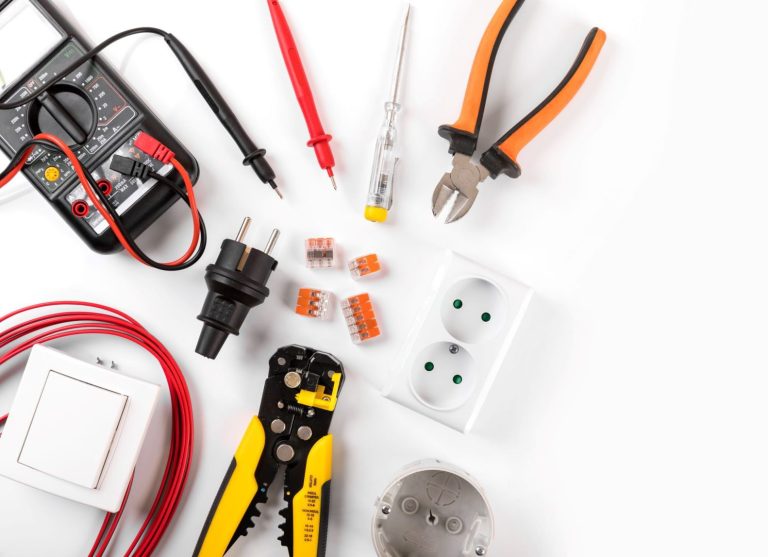
The field of electrical work offers various opportunities for individuals who enjoy problem-solving, working with their hands, and ensuring that power systems run smoothly. As an electrician, you can choose from multiple specializations. Whether you’re starting your career or considering a shift in focus, selecting the right specialization is a critical step to align your professional path with your skills, interests, and long-term goals. But how do you decide which path to take? In this guide, we’ll explore the various electrician career options and what each specialization entails. Why Specialization Matters in the Electrician Industry Typically, the choice to specialize allows electricians to hone their expertise in a specific field, which can lead to increased job security, higher wages, and greater job satisfaction. As technology evolves and industries become more complex, specialization offers the opportunity to stay ahead of the curve by mastering the intricate skills needed for a particular sector. It also helps electricians become more valuable to employers who are seeking experts in niche areas, making it easier to stand out in a competitive market. Furthermore, specializing can offer long-term career stability. For instance, in certain industries, such as industrial settings or construction business, the need for skilled electricians continues to grow, creating steady demand for those who focus on these areas. Exploring Different Electrician Specializations Electricians have a variety of specializations to choose from, each offering distinct job environments and skill requirements. Here are some of the most popular options: Industrial Electrician Industrial electricians are specialists who work in factories, manufacturing plants, and other industrial settings. Their work involves maintaining and repairing large electrical systems used to power machinery, automation systems, and other critical industrial equipment. Industrial electricians also often deal with high-voltage systems and complex electrical networks, making this specialization one of the most technically demanding. They’re also responsible for keeping production lines running smoothly by working under tight deadlines and in high-pressure situations. However, it’s essential to know that when choosing this path, understanding the differences between industrial vs construction electrician is crucial, as each specialization offers distinct work environments and responsibilities. By doing so, you’ll know which specialization suits you best. Residential Electrician Residential electricians focus on installing, repairing, and maintaining electrical systems in private homes, apartments, and small residential buildings. Their work involves wiring houses for electricity, troubleshooting electrical issues, and ensuring homes meet safety codes. Furthermore, residential electricians often work directly with homeowners and contractors, which makes communication skills an important part of the job. This specialization offers a stable career with consistent demand, as every home requires some form of electrical service, from new buildings to older properties needing upgrades. Commercial Electrician Commercial electricians work in office buildings, retail spaces, hospitals, and schools. Their tasks include installing electrical systems in commercial buildings, maintaining existing systems, and ensuring compliance with building codes and regulations. In contrast to residential electricians, commercial electricians typically handle larger projects with more complex systems. They also often work as part of a team, coordinating with other professionals like architects, engineers, and building managers. Lastly, the scope of work for commercial electricians is broader, as they deal with advanced systems like emergency power backups, lighting controls, and security systems. This specialization is also ideal if you prefer a structured work environment and enjoy working on large-scale projects. Construction Electrician Construction electricians work on new construction projects, wiring buildings during the construction phase. This may include installing electrical panels, outlets, lighting, and building-wide systems like fire alarms and HVAC controls. They also work closely with contractors and construction teams to ensure the electrical systems are properly integrated into the new structures. Moreover, this specialization requires a strong understanding of building codes and safety regulations, as construction electricians must ensure that the electrical systems they install comply with legal requirements. The work is physically demanding and often involves working in tight or elevated spaces. Maintenance Electrician Maintenance electricians are responsible for maintaining electrical systems in residential, commercial, and industrial settings. They perform routine inspections, troubleshoot issues, and make repairs to ensure electrical systems remain functional and safe. While maintenance electricians often work in various settings, organizations frequently employ them to maintain the electrical systems in one building or set of buildings. This specialization is perfect if you enjoy steady, hands-on work and problem-solving in real-time. Automotive Electrician Automotive electricians specialize in diagnosing, repairing, and maintaining the electrical systems found in vehicles such as cars, trucks, and buses. Their work involves troubleshooting issues with wiring, lighting, ignition systems, and other electronic components essential to vehicle operation. As electric vehicles (EVs) gain popularity, the role of automotive electricians is expanding, which requires an understanding of sophisticated EV technologies, including battery systems and electric motors. This specialization is critical for ensuring modern vehicles, especially EVs, operate safely and efficiently. Marine Electrician Marine electricians work on electrical systems aboard ships, yachts, and other watercraft. Their tasks involve installing, maintaining, and repairing systems like navigation lights, communication devices, and power distribution networks. Working in marine environments presents unique challenges, such as dealing with corrosion and moisture, making this specialization suitable for those who enjoy problem-solving in tough conditions. Additionally, marine electricians often travel to different ports and shipyards, making this a potentially adventurous career path for those who love the sea and prefer a more nomadic lifestyle. Key Considerations When Choosing a Specialization Choosing an electrician specialization is not a decision to take lightly, as it will significantly impact your daily tasks, job environment, and career trajectory. Here are some factors to consider when deciding which path to take: Personal Interests and Skills When choosing an electrician specialization, personal interests and skills should be at the forefront. If you enjoy solving intricate electrical problems or working with complex systems, industrial or commercial sectors may suit your talents. Alternatively, if you prefer hands-on projects with immediate results, residential work could be ideal. By identifying your strengths in areas like troubleshooting, attention to detail, and problem-solving, you can