



Roughly a third of all workplace fatalities in the construction industry stem from falls, with scaffolding-related incidents accounting for a substantial portion. Beyond the human cost, these accidents trigger insurance claims that can reach hundreds of thousands of pounds, often resulting in premium increases that burden businesses for years. Proper safety protocols are more just regulatory compliance — they’re financial protection.
The Financial Impact of Scaffolding Failures
When scaffolding collapses or workers fall from temporary structures, the immediate costs include emergency response, medical treatment, and work stoppage. However, the long-term financial implications extend far beyond initial expenses. Major incidents typically affect insurance premiums substantially. Industry data suggests that serious claims often lead to premium increases ranging from 30% to 50%, though the exact impact depends on factors including claims history, company size, and specific insurer policies.
For small to medium-sized construction firms operating on tight margins, such increases can create serious cash flow challenges. While specialist construction insurers understand these risks, businesses across sectors — from those working with Westminster Insurance on professional liability cover to dedicated construction underwriters — face similar scrutiny of their safety procedures during policy renewals.
Pre-Installation Verification Requirements
Before any scaffolding goes up, specific checks must occur to prevent structural failures. Ground conditions require assessment by a competent person, with particular attention to load-bearing capacity and drainage patterns that might compromise stability over time. Underground services must be located and marked, as striking gas or electrical lines during foundation installation creates liability exposure beyond standard construction risks.
The scaffolding design itself needs formal documentation for certain configurations. Under the Work at Height Regulations 2005, scaffolds must be designed by a competent person where their complexity, height, loading, or configuration exceeds what can be safely erected using recognised standard configurations (such as those in TG20:13 guidance). These documents serve dual purposes: they guide safe erection and provide evidence of due diligence should incidents occur.
Daily and Weekly Inspection Protocols
Regular inspections form the backbone of claim prevention. The Work at Height Regulations 2005 mandate inspections at specific intervals:
- Before first use following installation or substantial alteration: A competent person must verify structural integrity and proper assembly.
- At least every seven days: Regular inspections must check for deterioration, damage, or modifications that compromise safety.
- After events likely to affect stability: Adverse weather, nearby construction work, or suspected damage require immediate inspection.
- When conditions suggest inspection is necessary: This includes after periods of non-use, particularly in exposed locations where weather or vandalism may have caused deterioration.
These inspections require documentation in an inspection register, recording the date, inspector’s name, identified issues, and corrective actions taken. Inadequate or missing records create significant difficulties when defending claims.
Critical Component Checks
Certain scaffolding elements demand particular attention during inspections because their failure typically results in the most serious incidents. Base plates and sole boards distribute loads to the ground and must remain level, fully engaged, and free from settlement. Standards (vertical tubes) require checking for plumbness, damage, and proper splicing where joints occur.
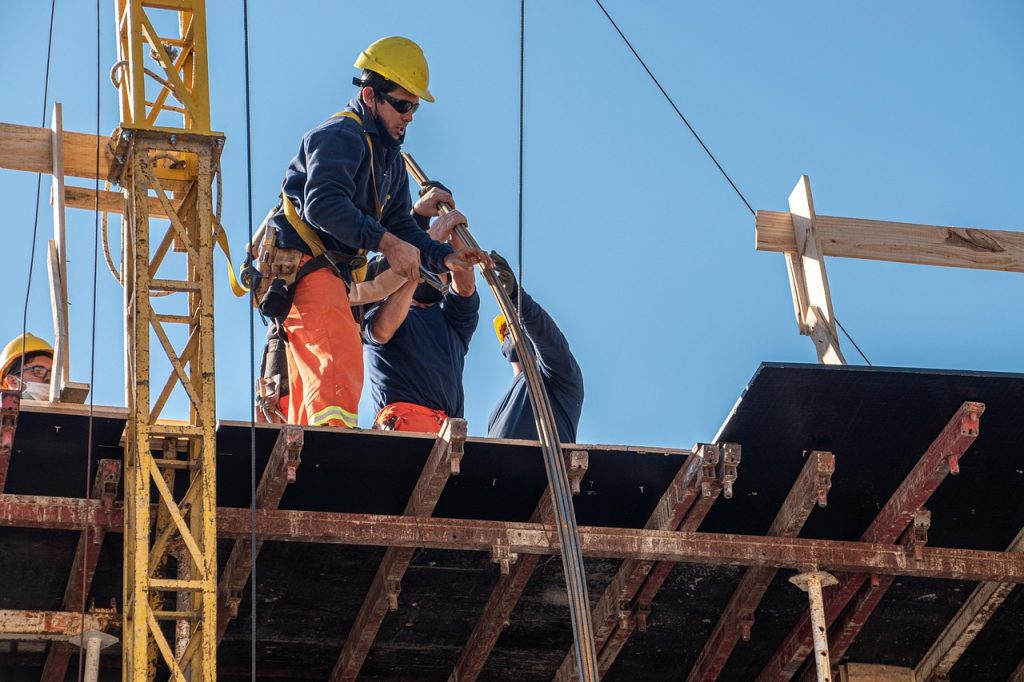
Ledgers and transoms connecting standards need secure fitting with all clips properly tightened. Platforms must be fully boarded according to the scaffold system’s specifications, properly supported, and equipped with appropriate edge protection at any location where falls exceed 2m. For standard scaffold boards in typical configurations, 150mm overhang (4x thickness for 38mm boards) and supports should be placed at intervals appropriate to the board rating, commonly around 1.5m, though specific systems may vary.
Tie patterns securing scaffolding to structures deserve particular scrutiny. These connections prevent toppling and must be installed according to design specifications. Inadequate or damaged ties are one of the most common factors in scaffolding collapse claims.
Weather-Related Precautions
British weather patterns create specific risks for temporary structures. Wind loading affects scaffolds differently based on height, sheeting coverage, and tie strength. Many manufacturers and guidance documents recommend ceasing work when wind speeds approach or exceed 23 mph, though specific thresholds depend on scaffold configuration, sheeting levels, and loading conditions.
Training and Competency Documentation
Claims investigations commonly examine whether workers held appropriate cards and whether refresher training was current at the time of the incidents. Companies should maintain training matrices showing qualification dates, renewal schedules, and specific competencies for each scaffolder and supervisor. This documentation demonstrates a systematic approach to competency management and supports the defence position when incidents do occur.
Record Keeping That Protects Your Position
Detailed records play a valuable role in managing insurance claims effectively. Photograph scaffolds at key stages: foundation preparation, after erection, during use, and post-incident if problems arise. Inspection registers should contain specific observations rather than generic statements. When claims arise months or years after incidents, detailed contemporaneous records carry considerably more weight than reconstructed accounts. The investment in rigorous safety protocols and documentation typically represents good value when measured against the costs associated with serious claims.