
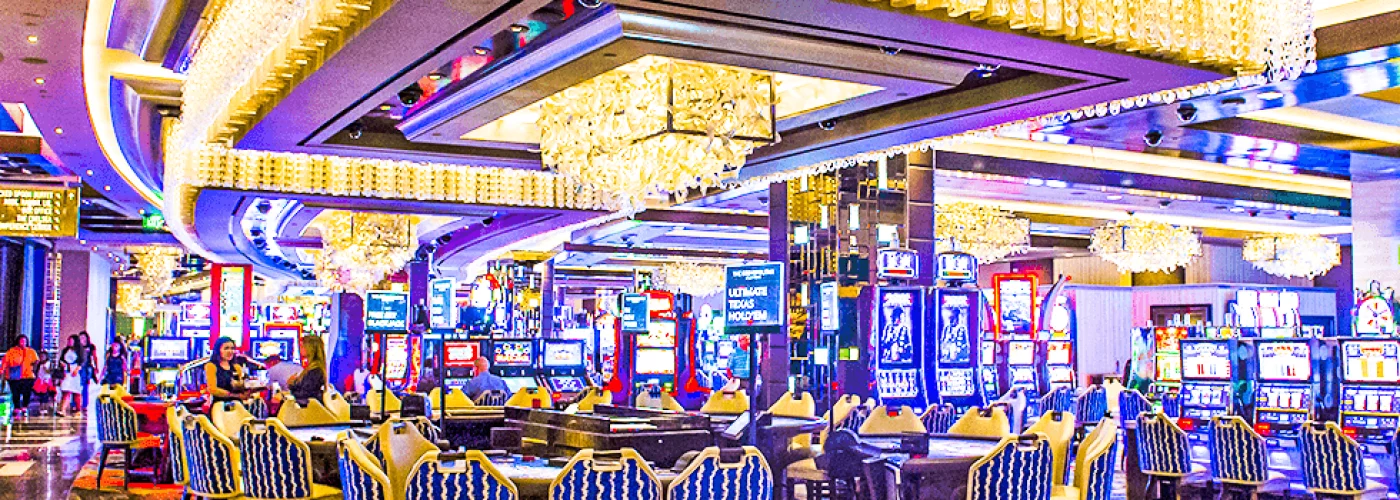


Online casinos have convenience down. Click, play, cash out. But something is still missing. Step into a well-designed land-based casino and you feel the difference right away. The atmosphere and the flow work together because every detail has been planned with purpose. Physical casinos have spent decades learning how to keep people engaged and comfortable. That experience has plenty to teach the digital side of the industry. When online platforms study these design cues, they can create spaces that feel just as thoughtful and inviting, even without the lights and movement of a real casino.
Layout That Doesn’t Confuse
Land-based casinos use clear sightlines and logical zones. You know where the tables are, where the slots sit, where the bars hang out. Everything flows. Online casinos, though, sometimes bury their best games three clicks deep or scatter navigation haphazardly.
Taking inspiration from physical layouts means creating digital spaces where players understand the geography instantly. Intuitive navigation isn’t flashy, but it works. Offshore poker platforms demonstrate this well. UK poker sites not on GamStop, for example, have become popular alternatives for those seeking greater flexibility and control over their gaming experiences. The smartest operators achieve that by designing interfaces that mirror the logical flow of physical poker rooms. According to the poker experts at CardPlayer, successful non-GamStop sites cater to wide audiences through variety in poker formats, from quick games to high-stakes tournaments with valuable prize pools, ensuring intuitive pathways to whatever game style a player prefers. That same principle of clear, effortless movement helps any digital experience feel more natural to navigate.
Atmosphere Beyond Pixels
Casino floors use lighting, sound, and even scent to set the mood. Online casinos rely on graphics and music, and there’s room to bring those elements together more naturally. A digital lobby could shift its colors based on the time of day, while background audio adjusts to the game being browsed. UX touches like soft motion cues, smooth menu transitions, quick-glance activity badges, and gentle highlights on popular games add energy without overwhelming the screen.
Small touches build immersion. Land-based venues show how atmosphere elevates the experience, and digital platforms can bring that same intention into their own spaces by treating screens as functional spaces where every element has a purpose.
Generous Spaces That Breathe
Physical casinos give players room to move, to sit comfortably, and to navigate without feeling crowded. Online interfaces can echo that experience by spacing out menus and reducing visual noise. They can also group options in ways that feel open and easy to follow.
You see this same idea in the physical world. Land-based venues know when to let the space breathe, and retail store design builds on that with open layouts and thoughtful product placement that guide people naturally through the room. Online casinos can borrow these cues to shape screens that feel open and welcoming, helping players find what they need without effort.
Social Cues Without the Crowd
Casinos thrive on social energy. Even solo players pick up on the buzz around them. Online platforms naturally have a different vibe, and some already make solid progress in bridging that gap. Live dealer games help, and with a few more social indicators like active player counts, recent big wins, and real-time leaderboards, digital casino lobbies can feel a bit livelier and more connected, without leaning on chat features that not everyone wants to use.
The Path Forward
Digital casinos already have what they need to match the feel of a real casino floor. The challenge is taking what works in physical spaces and shaping it for online play. The best platforms focus on simple choices that make the experience feel welcoming. Whether someone enters a casino or opens a lobby on their phone, they want a place that treats their time with care. Physical venues offer plenty of clues on how to guide people smoothly, and those ideas help online operators build experiences that players enjoy coming back to.