
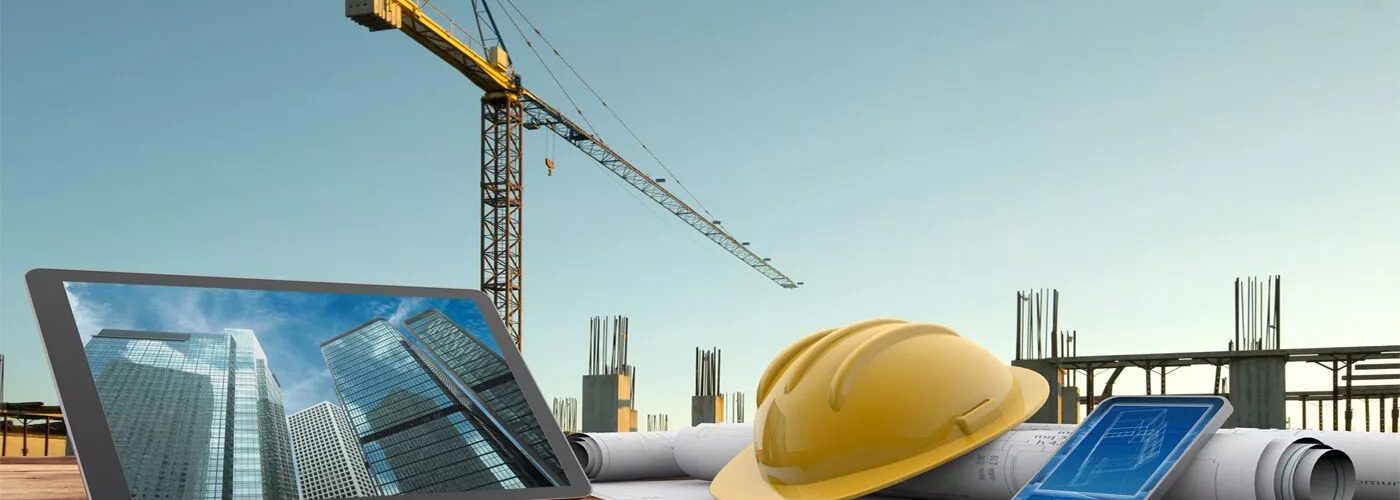


A construction project can feel overwhelming when you try to manage it alone. From hiring skilled workers to coordinating schedules and staying within budget, every detail matters.
This is where a general contractor becomes essential. They bring expertise, leadership, and structure to the process, guiding your project from plans to completion.
As you explore how general contractors plan, supervise, and deliver successful results, you will also learn why partnering with a reliable company can give you even greater confidence in your build.
Responsibilities of General Contractors:
Planning and Budget Management Before Construction Begins
Before any building starts, a general contractor helps create a solid plan. They review project goals, gather estimates, and develop a realistic budget. For owners who want a more detailed cost breakdown, using estimator services can help validate line-item pricing before work begins. This planning stage prevents surprises later and keeps spending under control. The contractor compares prices, schedules work, and identifies risks before they happen. They also help owners understand where money will be used and why. With strong planning and careful budgeting, the construction process begins on steady ground, giving the project a greater chance of success.
Coordinating Skilled Trades and Subcontractors
A general contractor plays a vital role in coordinating skilled trades and subcontractors. They hire the right specialists for tasks like plumbing, electrical work, and framing. The contractor makes sure each team knows what to do and when to do it. They solve scheduling issues, manage conflicts, and keep everyone focused on the project goals. This coordination reduces delays and improves quality. With strong oversight, different trades work together smoothly, which leads to a safer, faster, and more successful construction process.
Managing Scheduling, Timelines, and Project Milestones
A general contractor manages the construction schedule to keep the project on track. They create timelines, break down tasks, and set milestones for different stages of work. When delays happen, they adjust the plan and communicate changes to everyone involved. Their job is to balance time, labor, and resources so the project moves smoothly. By tracking progress and solving problems quickly, the contractor helps ensure the work stays on schedule and reaches important goals without wasting time or money.
Overseeing Material Procurement and Resource Allocation
A general contractor oversees material procurement to make sure supplies arrive on time and meet project needs. They compare vendors, place orders, and track deliveries. The contractor also allocates resources, such as labor and equipment, where they are needed most. By planning ahead, they prevent shortages that could slow work. They check for quality, avoid waste, and keep spending under control. This careful oversight ensures that every part of the job has what it needs to move forward without costly delays.
Ensuring Compliance with Safety Standards and Local Regulations
A general contractor is responsible for keeping the job site safe and compliant with local laws. They follow building codes, secure permits, and make sure workers follow safety rules. The contractor organizes training, checks equipment, and corrects unsafe behavior. Regular inspections help identify hazards before they cause problems. By enforcing standards and regulations, they protect workers, prevent legal issues, and reduce the risk of accidents. Strong safety management builds trust and helps the project move forward without unnecessary disruptions.
Maintaining Quality Control Throughout Construction
A general contractor maintains quality control to ensure the finished project meets expectations. They inspect work as it happens, check materials, and verify that tasks are done correctly. When something falls short, they direct teams to fix it. Their goal is to deliver strong workmanship that lasts. Quality checks help avoid costly repairs later and keep clients satisfied. By monitoring progress closely and addressing issues early, the contractor makes sure the project stays on track and meets accepted standards.
Communicating Progress and Handling On-Site Issues
A general contractor must communicate clearly with clients, workers, and suppliers. They provide updates on progress, explain changes, and answer questions as the project moves forward. When problems happen on site, such as delays or errors, the contractor steps in to solve them. They bring the right people together, make decisions, and keep everyone informed. Strong communication prevents confusion, builds trust, and helps the project stay organized so work can continue smoothly even when challenges appear.
Expert Opinion About the Importance of a General Contractor for Your Project
A general contractor from Safeguard Construction Company shared how valuable their role is in any building project. The expert explained that a contractor brings structure, planning, and leadership to work that can easily become confusing.
They noted that Safeguard has seen many owners struggle without guidance, which is why a contractor is so important. According to the specialist, a contractor coordinates skilled trades, manages schedules, and keeps quality under control. They ensure safety rules are followed, and problems are solved before they grow.
They also stressed that oversight saves time, prevents budget issues, and reduces stress for the client. Clear communication is another key benefit, because the owner always knows what is happening on site.
How Professional Oversight Drives Successful Construction Results
A successful construction project requires more than materials and labor. It needs leadership, planning, and careful control throughout every stage. A general contractor is the person who brings all of this together.
They guide the project from start to finish, solve problems, and make sure the work meets expectations. Their oversight keeps schedules moving, budgets steady, and teams aligned with the plan. Without this structure, delays, confusion, and costly mistakes become more likely.
As you look at each responsibility a general contractor carries, it becomes clear how valuable their role is. They coordinate trades, enforce safety, watch quality, and talk with the owner so nothing is overlooked.
Whether building a home or a commercial space, having a skilled professional in charge protects your investment and supports better results. Choosing the right contractor gives you confidence and turns complex construction into a smooth, successful process from beginning to completion.