


Introduction
As the construction industry continues to pursue safer, cleaner, and more sustainable building practices, surface preparation technology is undergoing a major transformation. Traditional methods such as sandblasting, chemical stripping, and mechanical grinding have long been used to clean concrete, steel, and stone surfaces. However, these approaches often generate dust, hazardous waste, noise pollution, and health risks for workers. Laser cleaning technology in construction is emerging as a highly effective alternative, offering precision, safety, and environmental benefits.
This article explores how laser cleaning is applied in construction, its advantages over conventional methods, and why Hantencnc laser cleaning machines are becoming a preferred choice for modern infrastructure projects.
What Is Laser Cleaning Technology?
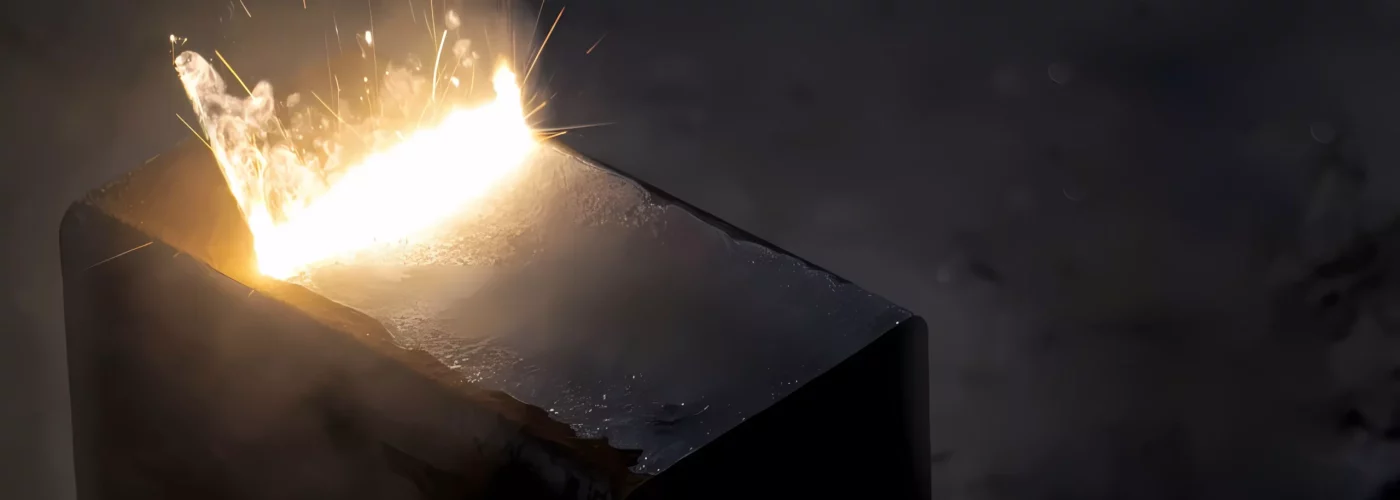
Laser cleaning is a non-contact surface treatment process that uses high-energy laser pulses to remove contaminants such as rust, paint, oil, concrete residue, and coatings. The laser energy is absorbed by unwanted layers, which then evaporate or are dislodged without damaging the underlying substrate.
Unlike abrasive or chemical methods, laser cleaning does not rely on consumables. This makes it a controlled and repeatable process, ideal for construction environments where material integrity is critical.
Applications of Laser Cleaning in Construction
Steel Structure Preparation
In large-scale construction projects, steel beams and columns must be thoroughly cleaned before welding, coating, or painting. Laser cleaning effectively removes mill scale, rust, and oil, ensuring strong adhesion and structural reliability.
Concrete Surface Restoration
Laser technology can be used to remove graffiti, old coatings, or surface contaminants from concrete without micro-cracking. This makes it ideal for bridge maintenance, tunnels, and historical building restoration.
Pre-Welding and Pre-Coating Treatment
Laser-cleaned surfaces improve weld quality and coating adhesion. Construction firms increasingly rely on laser systems to meet strict quality and safety standards.
Why Laser Cleaning Is Safer and Cleaner
Reduced Health Risks
Traditional sandblasting produces airborne dust and silica particles, posing serious respiratory risks. Laser cleaning generates minimal debris and can be paired with fume extraction systems to ensure worker safety.
Environmentally Friendly
Laser cleaning eliminates the need for chemical solvents and abrasive media. Waste is minimal and often limited to collected dust, supporting environmentally responsible construction practices.
Precision and Control
The laser parameters can be adjusted to target specific contaminants without damaging sensitive surfaces. This level of precision is difficult to achieve with mechanical cleaning methods.
Why Choose Hantencnc Laser Cleaning Machines?
Professional contractors and industrial users trust Hantencnc laser cleaning machines for their reliability, power stability, and flexible configurations. Designed for construction-grade applications, these machines deliver:
- High cleaning efficiency on steel, concrete, and stone
- Portable and handheld options for on-site work
- Low maintenance and long service life
By integrating advanced laser technology, Hantencnc provides construction companies with a safer and more cost-effective surface preparation solution.
Conclusion
Laser cleaning technology is redefining surface preparation in construction. Its safety, precision, and eco-friendly operation make it an ideal alternative to traditional cleaning methods. As infrastructure projects demand higher quality and sustainability, laser cleaning—especially with professional-grade equipment from Hantencnc—will continue to gain widespread adoption.