

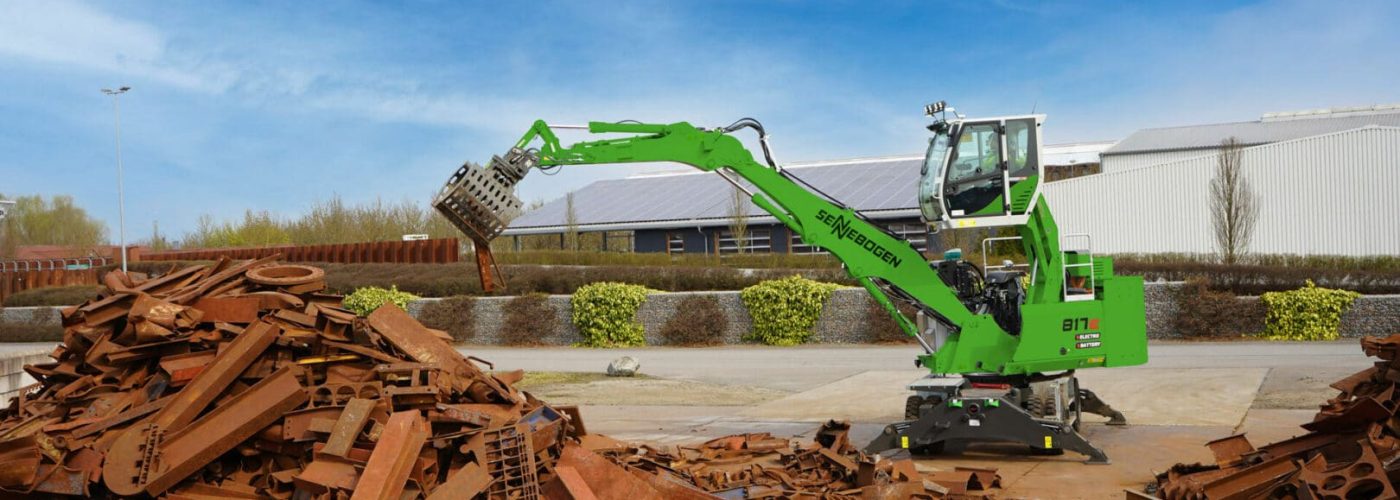


Construction and renovation projects generate massive amounts of waste, much of which may still hold material value. Concrete, asphalt, wood and metals often leave jobsites as garbage and debris, even though many of them can still be reused or recycled.
Material processing equipment is changing how contractors approach construction waste by supporting on-site recycling, which supports cost management and sustainability goals while maintaining efficient project timelines.
The Business Case for On-Site Material Processing
Construction and demolition waste comprises around 30% of solid waste generated worldwide, and not all of it reaches recycling facilities. On-site material processing helps manage this volume and creates measurable benefits across various business aspects. Treating waste management as a crucial component of construction processes helps improve project outcomes in various ways.
Cost Savings
Disposal fees and hauling costs can account for a significant portion of a project’s waste budget. Processing materials on-site reduces the amount of garbage sent to landfills or other off-site facilities, which directly lowers transportation and disposal costs.
Teams can even use crushed concrete or asphalt as construction materials, eliminating the need to buy and transport brand-new aggregates. With the amount of waste generated by construction and demolition activities, redirecting even a portion of this material back into the project can translate into significant savings over time.
Handling costs can vary regionally, and many local waste management service providers already offer commercial dumpsters and equipment to move large volumes of debris. However, teams will need to consider costs associated with hauling distances or specialized material handling.
Efficiency and Logistics
Material processing equipment streamlines logistics by reducing truck traffic in and out of the jobsite. Fewer trips to the landfill or materials facility means less congestion and lower fuel consumption. This efficiency becomes especially important in urban areas with limited space and access.
On-site recycling also shortens material supply chains. Instead of waiting for aggregate deliveries or suppliers, teams can have processed materials immediately available for use, helping them maintain momentum and meet tight deadlines.
Workplace Safety and Management
Managing waste piles and debris removal can be a safety concern on active construction sites. On-site processing helps create a more organized environment by consolidating waste handling into defined areas with clear workflows. These efforts can reduce clutter and minimize hazards associated with loose debris and poor material handling.
Environmental Impact
On-site material processing reduces greenhouse gas emissions associated with hauling and landfill operations. Reusing materials like crushed concrete or processed wood lowers the demand for raw material extraction, which reduces energy use and environmental damage.
This approach aligns with broader sustainability goals, including energy-efficient construction practices that prioritize sustainable material use across the entire project life cycle. Reducing waste and reusing materials on-site supports greener builds without requiring major changes to established construction methods.
Regulatory Compliance
Environmental regulations around waste disposal and recycling continue to develop at the federal and local levels. On-site material processing helps contractors stay ahead of compliance requirements by diverting waste from landfills and improving the documentation and practice of recycling efforts.
For projects pursuing sustainability certifications or operating under municipal recycling regulations, on-site processing leads to more straightforward reporting and reduces the risk of noncompliance penalties.
Meeting Green Construction Demands
Clients and developers increasingly expect construction projects to prioritize environmental responsibility. The building efficiency industry revenue is already worth at least $83.05 billion in the U.S.
On-site recycling is a visible and demonstrable way to meet these expectations. For green homes and energy-efficient construction projects, waste reduction complements other sustainability measures like renewable energy systems and efficient insulation.
Essential On-Site Material Processing Equipment
Different types of material processing equipment serve specific functions, and selecting the right mix depends on the types and amount of waste each project generates.
Crushers: Breaking Down a Demolition Site
Crushers are crucial in on-site recycling for demolition and heavy construction projects. Their primary function is to break large, solid materials into smaller, reusable pieces.
Jaw crushers are ideal for primary crushing, as they can handle large chunks of concrete and rock. Impact crushers use high-speed forces to further break down materials and produce more uniform aggregates. Cone crushers are best for secondary or tertiary stages, refining material size and shape for more precise applications.
In construction sites, crushers usually handle concrete, asphalt, brick and natural rock. After the crushers do their job, teams end up with recycled aggregates, which they can use in foundations or new concrete mixes when it aligns with project requirements. Using recycled aggregate reduces reliance on quarries, which lowers financial costs and minimizes environmental impact.
Screeners: Sorting and Sizing for Reuse
Screeners separate materials by size and type, ensuring that recycled outputs meet project requirements.
Trommel screens use rotating drums to sort materials, making them effective for sticky, wet or trash-heavy debris. Vibrating screens, on the other hand, use oscillating motion to efficiently separate dry, crushed aggregate into different sizes.
Screeners can handle a wide range of materials, including soil, compost, wood fragments, metals and various sizes of crushed rock or concrete. Proper sorting allows contractors to reuse materials more effectively by producing consistent and clean outputs.
Grinders and Shredders: Processing Wood and Green Waste
Wood and green waste are common byproducts of land clearing and site preparation. Grinders and shredders help transform these organic materials into usable products.
Horizontal grinders use rotating hammers to reduce material size into consistent, fine material. Slow-speed shredders apply controlled torque, making them suitable for mixed organic waste and reducing wear when dealing with rough or inconsistently-sized debris.
These machines help process materials like wood scraps, pallets, trees and more, creating mulch for erosion control and landscaping or compost for gardening. Integrating wood waste processing into construction workflows supports cleaner sites and more sustainable land management practices.
Building a Material Processing Strategy
Successful on-site recycling depends on a clear strategy that ensures material processing supports project goals.
Assessing the Waste Stream
A waste audit is the first step in an effective material processing plan. For construction or demolition projects, this step can involve identifying the types and volumes of waste expected at each phase. For example, concrete and asphalt may dominate the early stages of demolition, while wood and soil may be more prominent during site preparation.
Understanding waste composition helps teams identify the equipment and techniques they need. Separating each material type is essential to improve processing efficiency and prevent contamination, leading to higher quality outputs that are easier to reuse.
Choosing the Right Equipment
Equipment configuration should match the project. Mobile equipment offers flexibility and is ideal for teams working across multiple jobsites. Teams can relocate these units quickly and adapt to changing site conditions. Stationary setups are better for large, long-term projects or dedicated recycling yards that deal with large volumes of waste and require consistent processing.
Factors like available space and production targets influence this decision. In some cases, a hybrid approach works best to provide a balance between flexibility and capacity.
Adopting Safety and Operational Best Practices
In 2023, the construction industry suffered 1,075 fatalities, which was the highest among all industries recorded by the U.S. Bureau of Labor Statistics.
Operating heavy material processing equipment requires following safety protocols. Proper training ensures that operators understand machine capabilities and emergency procedures. Regular maintenance is especially important, as worn or damaged components can reduce efficiency and increase the risk of breakdowns or accidents.
Clean site layouts and consistent communication between crew members help maintain safe operations. When construction teams prioritize safety and efficiency, material processing becomes a natural and reliable part of the construction workflow.
Conclusion
As regulations tighten and demand for greener building practices grows, on-site material processing offers a practical path toward reducing waste and controlling costs. With thoughtful planning and proper equipment selection, contractors can manage projects more efficiently while contributing to a more resource-conscious construction industry.