
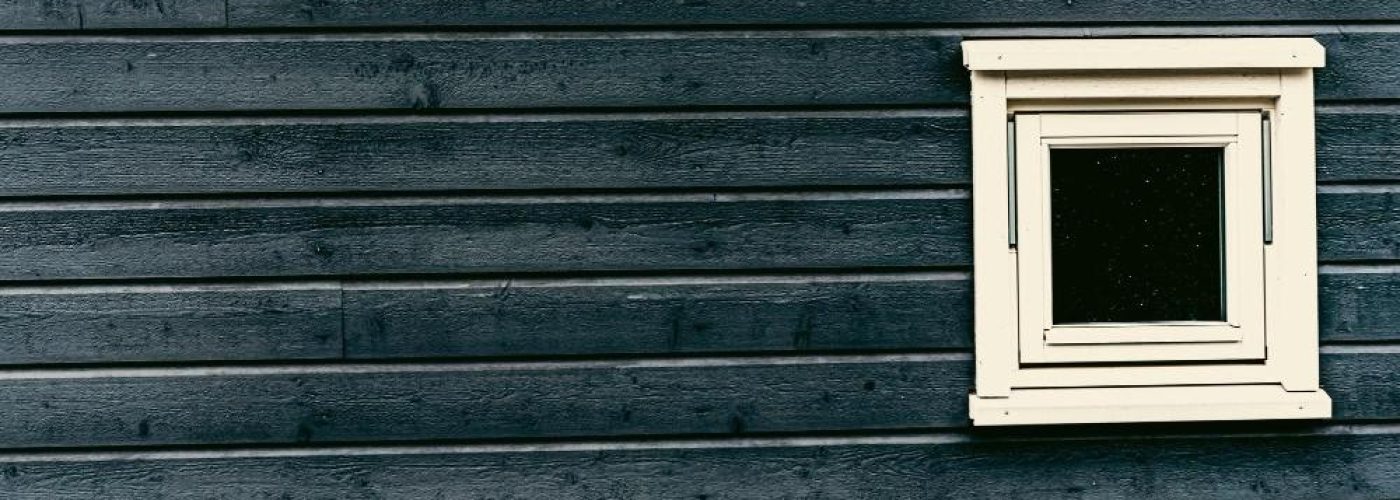


A couple years back, “black timber on the outside” felt like something you’d only spot in a glossy architecture mag. Now? You’ll see it on new builds, extensions, garden rooms, even that one house on your street that used to look a bit… tired. Then it got a dark coat, new windows, and suddenly it looks like it belongs in a design shoot.
Charred wood is having a moment, and it’s not just because it photographs well (it really does). There’s history behind it, there’s a practical side to it, and there’s also a bit of that human thing we all want: a home that feels calm, solid, and properly “done”.
Let’s talk about why it’s popping up everywhere.
It isn’t new. It’s old school Japan, showing up in modern builds
Charred timber cladding comes from a traditional Japanese method called Yakisugi. The idea is simple: lightly char the outside face of timber so the surface carbonises. This was used in Japan for wood protection and it’s been written about as a centuries old technique, often linked to waterproofing Japanese cedar.
And here’s a funny twist: in the West, people often call it “Shou Sugi Ban”, but that’s not really how it’s used in Japan. The Japan Woodcraft Association notes it’s basically a mistranslated or misread term and “Yakisugi” is what’s commonly understood in Japan.
So yeah, it’s not some brand new trend cooked up for Instagram. It’s a proven technique that got picked up again because modern homes started craving texture, contrast, and materials that feel real.
People got bored of exteriors that look like everyone else’s
You know the look: neat render, grey frames, same brick, same roofline. Clean, fine, but a bit… copy paste.
Charred wood does something that paint and render can’t quite pull off. It gives depth. Even if you don’t know why, your eyes notice it. In bright sun it reads sharp and bold. In cloudy weather it looks soft, almost velvety. At night, with warm lights, it turns cosy. Not cute cottage cosy, more “quiet luxury” cosy.
I remember standing outside a new extension where the owner had only clad one section, just the rear wall facing the garden. The rest of the house stayed as is. And still, the whole place felt upgraded. Like putting on a good jacket and suddenly you walk different, if you know what I mean.
That’s why you’re seeing it on feature walls, porch returns, garden studios, and fences that aren’t trying to disappear.
It’s tied to a bigger trend: darker façades are back
There’s been a steady rise in “dark exterior” design. Blackened timber, deep charcoal finishes, dark metal trims, sharp lines. It’s less about looking fancy and more about looking intentional.
Design sites have been featuring charred timber façades across a range of projects, from traditional uses in Japan to modern builds that use the material for texture and longevity.
And because this material has a distinct finish, it’s easy to spot and easy to share. Charred timber catches the eye fast, simple as that.
The practical side: water, bugs, and the “less fuss” appeal
A big reason homeowners and builders are interested is the promise of durability.
The Yakisugi process is often described as carbonising the surface, which can reduce water absorption and help protect against insects, fungi, and mould. That’s one of the core “why people do it” points you’ll see referenced in explainers on Yakisugi.
Now, quick reality check, because this matters if you want the post to feel trustworthy: some research and reviews note that surface charring alone doesn’t automatically guarantee better fire or water performance in every setup. It depends on the system, timber species, the depth of char, and how it’s installed and finished. Wikipedia itself even flags that some studies show surface charring alone doesn’t improve durability or resistance the way people sometimes assume.
That honesty is actually good for sales, weirdly. People can smell “too perfect” claims a mile away.
What’s true in day to day terms is this: charred wood is chosen because it can be lower maintenance than many painted finishes, and it hides small marks better than a pristine painted board. Plus, you’re not constantly repainting because the colour “is” the surface, not a top coat you’re babysitting every year.
Fire talk, but in a sensible way
Charred wood and fire resistance get mentioned together a lot, and you’ll see brands explain that charring changes the surface layer in a way that can help slow ignition compared to raw timber.
At the same time, building requirements vary, and fire performance is a serious topic. If a project needs a certain classification (especially for multi residential or particular boundary situations), specs may require fire rated systems or extra treatments. There are industry pieces talking about combining charred finishes with fire rated approaches to meet stricter criteria.
So the useful takeaway for a homeowner is: treat it like any other external material choice. Ask what the product is designed for, what the install details are, and what your local requirements look like. No bravado, just good building practice.
It’s not just homes. Designers are using it because it behaves nicely on a wall
Another reason it’s spreading: professionals like using materials that are predictable on site.
Architizer’s collection on charred timber façades points out that untreated cedar can stain unevenly in sun exposure, while charred timber can help avoid that kind of blotchy look and extend façade life.
That’s the kind of line that makes builders nod. Nobody wants callbacks because one elevation aged differently to the other and now the client is fuming.
Charred wood also plays nicely with other materials. Pair it with light stone, pale brick, big glass, warm lighting, simple black metal. It just works without screaming for attention.
The “eco” pull, without the preachy stuff
People are more cautious now about what they put on the outside of their home. Not everyone is thinking in terms of policies or carbon accounting, but a lot of folks do like the idea of less chemical treatment if they can still get a hard wearing finish.
Yakisugi is often framed as a traditional approach that relies on charring and sometimes oiling rather than heavy chemical preservatives.
That’s one reason it fits modern tastes: it feels honest. Wood, fire, time, texture. It feels like something you can explain without a sales brochure.
A buying tip that sounds boring, but saves you from regret
Order timber cladding samples, TimberSol is a good option.
Seriously. Charred wood looks different in morning light, cloudy weather, and under warm evening lighting. Photos are helpful but your eyes in your own space are better.
Also, touch matters. Some finishes are more textured, some feel smoother, some have that crackle look. You can’t “guess” that through a screen. (I tried once, and yeah… I picked wrong)
If you’re a builder or architect, samples help with client confidence too. When a client can hold it, they stop overthinking and start deciding.