February 16, 2026
Workspace Design Show unveils agenda for 2026 talks programme, tackling the future of work, sustainability and workplace performance

Workspace Design Show unveils agenda for 2026 talks programme, tackling the future of work, sustainability and workplace performance

With the workplace continuing to evolve at pace, Workspace Design Show (25-26 February 2026, Business Design Centre, London) brings a powerful programme of thought-filled conversations involving some of the most influential voices in architecture, workplace design, sustainability and occupier strategy. Across four dedicated conference streams, Workspace Design Talks, Sustainability Talks,

Read More »
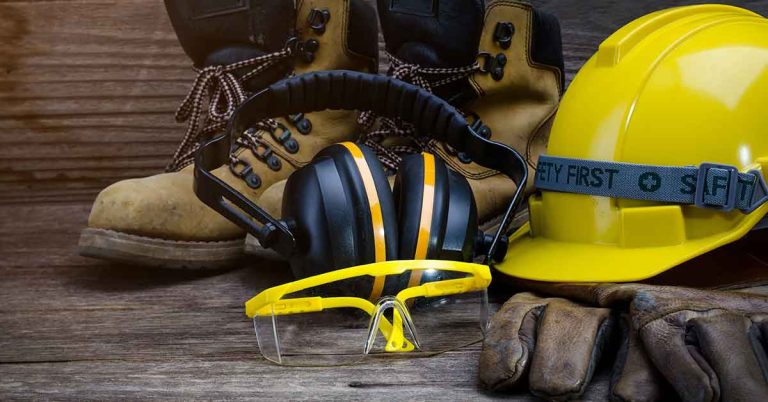
5 PPE Tips Every Site Supervisor Should Know

5 PPE Tips Every Site Supervisor Should Know

Step onto a job site and you feel it in your chest. Engines running, radios crackling, and deadlines looming. Everyone is moving with purpose. There’s real momentum and real pressure from the minute the day kicks off. In that kind of environment, safety can’t be something you put off for

Read More »
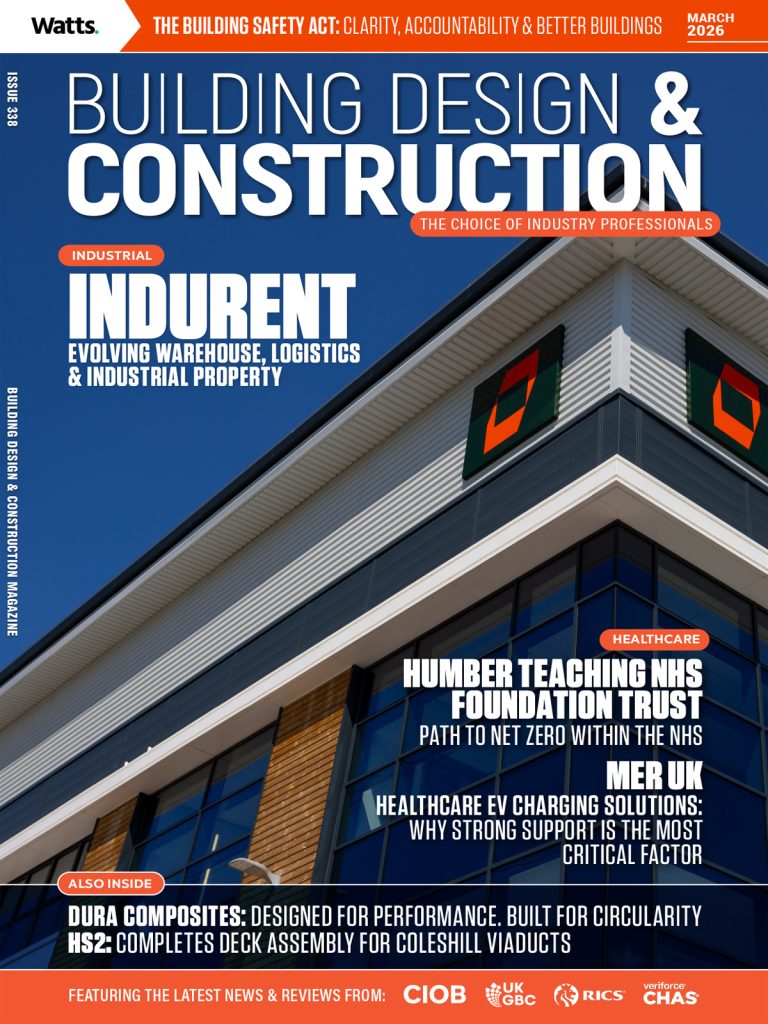
Latest Issue
Issue 337 : Feb 2026

February 16, 2026

Workspace Design Show unveils agenda for 2026 talks programme, tackling the future of work, sustainability and workplace performance

Workspace Design Show unveils agenda for 2026 talks programme, tackling the future of work, sustainability and workplace performance

With the workplace continuing to evolve at pace, Workspace Design Show (25-26 February 2026, Business Design Centre, London) brings a powerful programme of thought-filled conversations involving some of the most influential voices in architecture, workplace design, sustainability and occupier strategy. Across four dedicated conference streams, Workspace Design Talks, Sustainability Talks, Occupiers Forum and the FIS Conference, this year’s agenda explores how design, data and sustainability are shaping the future of work, and how organisations can respond with clarity, purpose and impact. Workspace Design Talks: Designing for what’s next The Workspace Design Talks will explore how work is changing and what this means for architecture and design, bringing together leading designers, consultants and thought leaders. One key session, “Work is changing – what does the future hold for architecture and design?”, will be chaired by Mark Eltringham (Workplace Insight) and features insights from Helen Berresford (Sheppard Robson), Collin Burry (Gensler) and Nicola Gillen (Cushman & Wakefield). The panel will examine how shifting work patterns, culture and technology are redefining workplace design. Another standout discussion, “What makes a property ‘right’? How owners, occupiers and designers align”, chaired by Kyle de Bruin (Leesman), brings together perspectives from Elaine Du Preez (Salesforce), Grant Kanik (Foster + Partners), Charlie Kent (Area) and Mel Reeves (The Crown Estate) to explore how collaboration and alignment drive successful workplace outcomes. Sustainability Talks: From biophilia to net zero The Sustainability Talks will focus on how design can support environmental responsibility while enhancing human experience. “Reconnecting design and nature: Purpose, people, and the challenges of biophilia”, chaired by Vanessa Champion (The Journal of Biophilic Design), will explore the realities of implementing biophilic principles, with speakers Nicola Tomkins (Overbury), Lidia Johansen (chapmanbdsp) and Paulo Ribeiro (AECOM). Meanwhile, “Reworking London: How adaptive reuse is powering net zero workplaces” will examine how reuse and retrofit are playing a critical role in decarbonising the built environment. Chaired by Amina Akhtar (Tétris), the session features Hannah Baker (EPR Architects), Kiru Balson (Max Fordham), Jonathan Allwood (Barr Gazetas) and Gregor Haran (Landsec). Occupiers Forum: Evidence-led workplace strategy The Occupiers Forum puts the occupier perspective at the centre of the conversation, focusing on data, change management and workplace performance. In “From data to brief – how evidence is shaping better workplace experience”, chaired by Chris Moriarty (Audiem), speakers Chris Mentiply (Haleon), Kornelia Kiss (Sanofi) and Marc van den Helder (Booking.com) will discuss how insight and analytics are transforming decision-making. “Transforming how we work: Managing change in modern workplace design” will explore the human side of workplace change. Chaired by Jennifer L. Bryan (ABChange Consultancy), the panel includes Oliver Boote (Imperial College London), Paula Rowntree (Lloyds) and Bex Moorhouse (WPP). FIS Conference: Measuring impact and prioritising reuse The FIS Conference will focus on fit-out performance, sustainability and circularity. “Measuring the impact of fit-out”, chaired by Flavie Lowres (FIS), brings together experts Emily Samoluk (British Land), Ella Smith (AHMM) and Beth Jepson (Parkeray) to explore how impact can be quantified and improved. In “Putting reuse first”, chaired by Nikhil Dhumma (JLL), speakers Stuart Cochrane (JLL), Simon Patterson (JLL), Conrad Stone (Cundall) and Will Belfield (Overbury) will discuss practical approaches to embedding reuse and circular economy principles into fit-out projects. With over 150 speakers across the programme, the Workspace Design Show talks offer actionable insight for architects, designers, occupiers, developers and contractors navigating the changing workplace landscape. From strategy and sustainability to performance and people, the 2026 agenda reflects the challenges and opportunities, shaping the future of work. Workspace Design Show takes place at the Business Design Centre, London, bringing together the UK and Europe’s workplace design community for two days of learning, inspiration and connection. Register now to attend the exhibition and view the agendas: workspaceshow.co.uk Building, Design & Construction Magazine | The Choice of Industry Professionals

Read More »
5 PPE Tips Every Site Supervisor Should Know

5 PPE Tips Every Site Supervisor Should Know

Step onto a job site and you feel it in your chest. Engines running, radios crackling, and deadlines looming. Everyone is moving with purpose. There’s real momentum and real pressure from the minute the day kicks off. In that kind of environment, safety can’t be something you put off for later. It has to be woven into every aspect of the way work is carried out. For a site supervisor, PPE isn’t just another policy sitting in a binder. It’s part of how you look after your crew. It’s leadership in action. Below are five PPE tips every supervisor should keep front and center: Treating PPE as non-negotiable is the way to go. If you’re stepping onto the site, the gear goes on. Full stop. It’s not up for discussion – ever. Not because it looks good on a checklist, but because risks don’t give warnings. If you allow one person to take a shortcut, even if it is just for two minutes, you open the door for everyone else. When it comes to PPE, there can never be grey areas. Expectations must be clear. No mixed signals. Just a shared understanding that protecting each other is part of the job, every single day. Leading from the front on a construction job site isn’t about speeches or pointing fingers. It’s about what your crew sees you do every single day. If your hard hat is on properly, your vest is fastened, and your gloves are on before you step into the work zone, that standard becomes automatic. People copy actions faster than they follow instructions. When supervisors cut corners, crews follow. Hands are usually the first thing into the work and the last thing out. They’re on tools, on the materials, on everything. So choosing the right gloves isn’t a minor decision – it’s frontline protection. Cut-resistant gloves for sharp materials. Impact-rated gloves for heavy handling. And when electricity is involved, there’s no room for guessing. That’s when you need to shop OSHA compliant electrical gloves built and tested for that exact risk. The right gloves don’t just protect skin. They protect grip, control, and confidence. And when your crew trusts their gear, they work smarter and safer from the start. A cracked hard hat, a harness that’s been through one too many jobs, gloves worn thin at the fingertips – they might still look fine at a glance. But PPE isn’t about how it looks. It’s about what it can handle when things go wrong. And once it’s taken hits or started breaking down, it’s not the same piece of equipment anymore. As a supervisor, set the tone. If it’s damaged, it’s replaced. No hesitation, no debate – just taking care of your people properly. Monitoring PPE isn’t about marching around trying to catch someone out. It’s about having your eyes open and backing your team up. When you walk the site, really look. Are the gloves on? Are the goggles actually over the eyes? Is that hard hat strapped properly, or just balancing? These are the small things that lead to bigger issues when something goes wrong. If something is off, fix it. No need for speeches or embarrassment – save that for daily briefings. In Summary PPE isn’t red tape. It’s frontline protection that keeps good people safe. When supervisors follow the above tips and hold firm standards, safety becomes routine. Clear expectations and consistent follow-through turn protective gear into a habit.


Read More »