March 9, 2026
Architectural trends bridging the gap between interior and exterior spaces

Architectural trends bridging the gap between interior and exterior spaces

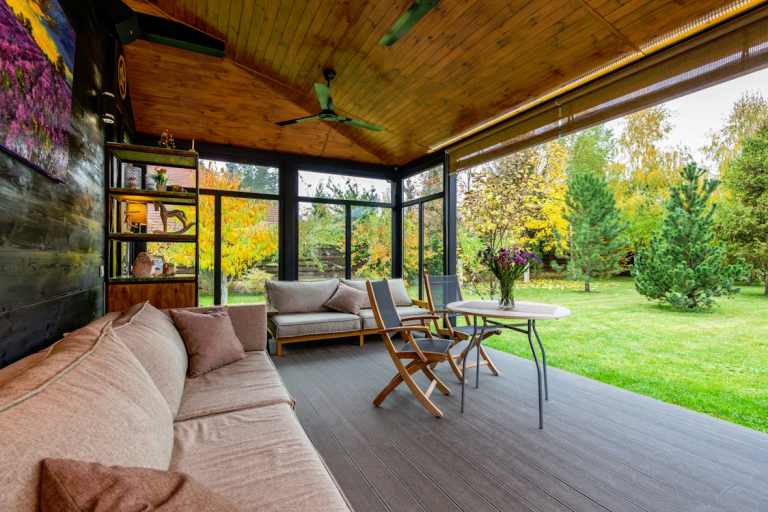
The traditional boundaries between the home and the garden are increasingly blurred in modern architecture. As homeowners seek to maximise their living areas without the logistical nightmare of a full-scale brick-and-mortar extension, architects and developers are turning toward versatile, high-end structural solutions. The goal is no longer just to provide

Read More »
Rising Demand For Used Machinery Across UK Construction Projects

Rising Demand For Used Machinery Across UK Construction Projects

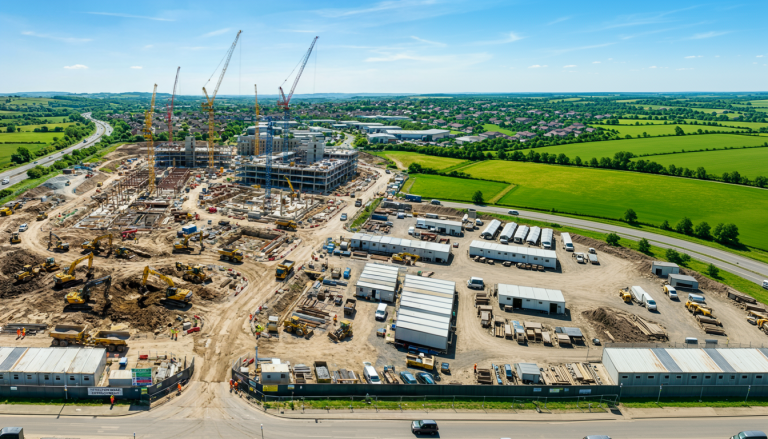
Construction Projects Need Reliable Equipment Construction activity across the UK continues to place strong demand on reliable heavy equipment. Contractors working on housing developments, infrastructure projects and recycling facilities all rely on machinery that can perform consistently and be deployed quickly when needed. However, sourcing new equipment is not always

Read More »
Latest Issue
Issue 338 : Mar 2026

March 9, 2026

Architectural trends bridging the gap between interior and exterior spaces

Architectural trends bridging the gap between interior and exterior spaces

The traditional boundaries between the home and the garden are increasingly blurred in modern architecture. As homeowners seek to maximise their living areas without the logistical nightmare of a full-scale brick-and-mortar extension, architects and developers are turning toward versatile, high-end structural solutions. The goal is no longer just to provide a view of the outdoors, but to create a seamless transition that allows the exterior to function as an integral part of the home’s floor plan. This shift in residential design is driven by a desire for “indoor-outdoor” living, a concept that has evolved far beyond the simple patio door. Modern developments now prioritise thermal efficiency, structural lightness, and aesthetic cohesion. By treating the garden as an additional “room,” developers can significantly increase the perceived value and utility of a property, providing the flexible spaces that the 2026 market demands. Integrating the glass sliding door into contemporary building design At the heart of this architectural evolution is the widespread adoption of the glass sliding door as a primary structural element. Unlike the heavy, framed bifolds of the past, today’s minimalist sliding systems offer expansive, uninterrupted views that effectively remove the visual barrier between the lounge and the terrace. These systems are designed to slide effortlessly, allowing for a large-scale opening that creates a fluid thoroughfare for air and light. From a construction perspective, these glass walls provide a sophisticated solution for managing natural light in narrow urban plots. They allow architects to flood interior spaces with daylight, reducing the reliance on artificial lighting and improving the overall wellbeing of the occupants. When specified correctly, these systems maintain high levels of insulation, ensuring that the home remains energy-efficient during the winter while offering the possibility of a completely open-plan living experience during the summer months. Enhancing property utility with a modern carport While much of the focus on outdoor living remains on the rear of the property, the front elevation is seeing its own functional revolution. The traditional garage is often viewed as a missed opportunity for space, frequently used for storage rather than vehicle protection. Consequently, we are seeing a rise in the specification of the contemporary carport in new build developments. These structures provide a lightweight, aesthetically pleasing alternative to the enclosed garage, offering protection from the elements without the heavy footprint of a traditional building. A well-designed aluminium structure can complement the lines of a modern house, providing a sheltered area that is both practical and visually unobtrusive. This is particularly relevant in the context of the growing EV market, where homeowners require easy, sheltered access to charging points. By integrating these structures into the initial design phase, developers can offer a premium feel that maintains an open, airy street scene. The future of modular outdoor structures The trend toward modularity in construction shows no signs of slowing down. Homeowners are increasingly looking for ways to customise their properties over time, and high-quality modular kits allow for this flexibility. Many industry professionals are now looking toward specialist manufacturers like Tuinmaximaal, who provide robust, professional-grade aluminium components that can be tailored to fit specific architectural requirements. This “plug-and-play” approach to high-end garden structures allows for rapid installation with minimal disruption to the site. Ultimately, the successful bridge between interior and exterior spaces relies on the quality of the materials and the thoughtfulness of the design. By incorporating expansive glass systems and functional sheltered areas, we can create homes that feel larger, brighter, and more connected to the world outside. As we look toward the future of UK residential development, these versatile structures will continue to play a pivotal role in how we define the modern British home.

Read More »
Why Equipment Availability Is Starting To Be A Big Problem in Construction Projects

Why Equipment Availability Is Starting To Be A Big Problem in Construction Projects

Construction projects have always relied on a delicate dance between labour, materials and machinery. While supply chain disruptions and labour shortages have been getting a lot of attention in recent years, another factor is slowly but surely emerging as a major headache: equipment availability. The machinery that gets the job done – excavators, loaders, telehandlers and compactors – is the backbone of most construction activity. Without reliable access to these machines, the whole operation can quickly come to a standstill – particularly when it comes to earthworks and site preparation, and getting materials where they need to be. As construction demand is on the rise globally, and governments are pouring more and more cash into infrastructure projects, contractors are starting to wake up to the idea that equipment availability is a strategic risk that needs better planning and coordination. The Growing Demand for Construction Equipment Looking across many regions, it’s clear that demand for construction equipment has skyrocketed over the past decade. Urban expansion, infrastructure upgrades and energy transition projects have all driven up construction activity. You’ve got large-scale transport infrastructure projects, renewable energy developments and residential construction projects all going on at the same time, which just creates a massive demand for machinery across multiple sectors. And in some markets, equipment fleets just can’t keep pace with growth. While the bigger construction firms may have their own fleets, many contractors rely on equipment hire providers to get the gear they need. But when multiple projects are all vying for the same types of machines, it can quickly become a problem – especially when it comes to specialised equipment. As a result, contractors are starting to realize that equipment sourcing is no longer just a simple operational task, but a critical part of project planning. When Equipment Just Cant Be Sourced When you can’t get the equipment you need in a hurry, project timelines can quickly be affected. And it’s the early stages of construction that are especially sensitive to equipment availability – things like earthworks and site preparation. For example, delays in getting your hands on excavators or loaders can postpone site mobilisation and rip through the project schedule as a whole. Because construction projects are all about tightly sequenced activities, a small delay can start a whole chain reaction of problems. In some cases, contractors might try to find alternative solutions – like substituting one machine for another, or adjusting workflows to keep on track. But these workarounds often end up reducing productivity and piling on extra costs. So improving visibility across the equipment supply chain is getting more and more important for contractors who want to avoid these kinds of problems. Industry tools like an equipment hire directory can really help by giving project teams a clear view of the machinery that’s out there, and by letting them quickly and easily compare and contrast suppliers. The Problem With Fragmented Equipment Supply Networks One of the reasons equipment availability can be such a pain to manage is the fragmented nature of the hire market. In a lot of regions, construction equipment fleets are spread out across loads of independent suppliers. This can be good in the sense that it gives contractors a lot of flexibility and competition, but it also makes it much harder for them to get a clear view of what’s out there. Project managers might need to contact loads of different suppliers just to confirm availability, compare spec sheets and arrange delivery logistics. And during peak demand periods, this can be a real time-suck. Limited visibility across suppliers just makes it more likely that machines are just sitting idle in one place, while other projects are struggling to find the gear they need. Digital tools are starting to chip away at this problem by providing a clearer view of what’s out there. The Rising Cost of Equipment Another thing that’s making equipment availability even trickier is the rising cost of machinery. New construction equipment is a big investment, and manufacturers keep introducing new features and technologies that just drive up the price. As a result, some contractors are getting a bit more cautious about expanding their fleets. Instead, they’re relying on flexible hire models that let them access equipment only when they need it. While this can help with cash flow, it can also make contractors more dependent on hire markets – which can be a problem during peak construction activity. Having access to a broader supplier network can really help mitigate these risks by giving contractors a better view of what’s out there. Equipment hire platforms like Quotor can really help by connecting contractors with suppliers across loads of different regions, and by giving them a better view of the equipment that’s out there. Making Better Use of Equipment Equipment availability problems also highlight the importance of getting the most out of the equipment that contractors do have. Construction machinery is often one of the most expensive assets on a project, but it can spend loads of time just sitting idle between projects or waiting for specific tasks to start. Improving utilisation across the industry can help reduce the need for extra machinery, while making sure that the equipment that is out there is being used a lot more efficiently. When machines can move more easily between projects, and contractors can get a clearer view of what’s out there, the industry as a whole can operate with fewer idle assets and just more overall productivity. Digital platforms that provide a clearer view of the equipment supply chain can really help make this happen. Planning for Equipment Risk As equipment availability becomes a bigger and bigger issue, contractors are starting to incorporate machinery sourcing into their project planning processes a lot earlier. Rather than just treating equipment hire as a last-minute operational decision, project managers are starting to think about availability right from the get-go. This can help teams anticipate potential shortages, get their hands on machinery earlier, and identify alternative suppliers if needed.


Read More »
Rising Demand For Used Machinery Across UK Construction Projects

Rising Demand For Used Machinery Across UK Construction Projects

Construction Projects Need Reliable Equipment Construction activity across the UK continues to place strong demand on reliable heavy equipment. Contractors working on housing developments, infrastructure projects and recycling facilities all rely on machinery that can perform consistently and be deployed quickly when needed. However, sourcing new equipment is not always straightforward. Rising manufacturing costs and extended production lead times mean many businesses are waiting months for new machines to arrive. As a result, contractors are increasingly turning to the used machinery market as a practical solution. Why Contractors Are Looking At The Used Equipment Market Allan Kane, founder of Scotland-based machinery supplier Kane Equipment, says demand for high-quality used crushers, screeners and material processing machinery has grown as contractors look for ways to keep projects moving efficiently. “Many businesses simply cannot afford to wait months for a new machine to arrive,” says Allan Kane. “Well-maintained used equipment can offer the reliability contractors need while allowing them to get machinery on site much faster.” For many operators, used equipment provides a way to maintain productivity without delaying projects while waiting for new machinery to be manufactured and delivered. Supplying Machinery To UK And Global Markets Based in Scotland, Kane Equipment supplies machinery to customers across both the UK and international markets. The company specialises in sourcing and supplying equipment used across construction, recycling and material processing operations. Its offering includes a wide range of machinery such as crushers, screeners, shredders, trommels and material handlers used across multiple sectors. With more than 20 years of industry experience, Allan Kane has built a strong network of suppliers and buyers. This network allows the business to source machines that meet the technical requirements of different industries and projects. Durable Machinery Driving The Secondary Market The durability of modern machinery is another reason why the used equipment market continues to grow. Many machines are designed to operate reliably for long periods, meaning well-maintained equipment can still deliver excellent performance years after its first deployment. For contractors managing large projects or expanding operations, this creates opportunities to access high-quality machinery without the higher cost or wait time associated with new equipment. Recycling And Processing Industries Increasing Demand Demand for used machinery is also being driven by the growth of recycling and material processing operations. Facilities responsible for handling construction waste, aggregates and other materials require specialised equipment such as shredders, screening systems and processing machinery. As recycling targets increase and waste processing operations expand, businesses are investing in equipment that allows them to process materials efficiently while maintaining reliable performance. Matching The Right Machine To The Right Project According to Allan Kane, understanding the requirements of each project is essential when sourcing machinery. “Every project has different demands,” he explains. “The key is identifying the right machine for the job and making sure it delivers the performance the customer needs.” From quarrying operations using crushers to recycling facilities relying on screening equipment, machinery plays a central role in keeping construction and processing operations running efficiently. A Growing Role For The Used Machinery Market As construction and recycling sectors continue to expand across the UK, the role of the used machinery market is expected to grow alongside them. With reliable equipment in high demand and projects requiring flexible solutions, many contractors are recognising the value that trusted machinery suppliers can provide. For companies like Kane Equipment, which supply customers across both the UK and global markets, this reflects a wider shift in how businesses approach machinery investment. Instead of focusing solely on new equipment, many operators are now considering high-quality used machinery as a practical and effective solution for keeping projects moving.

Read More »