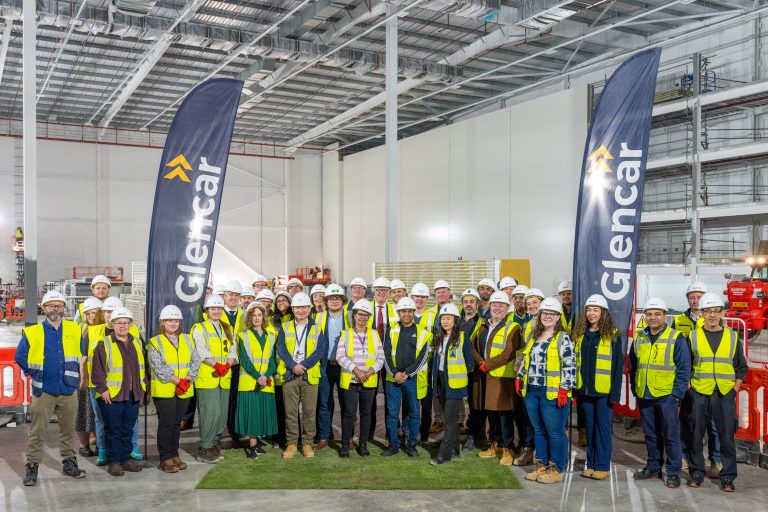
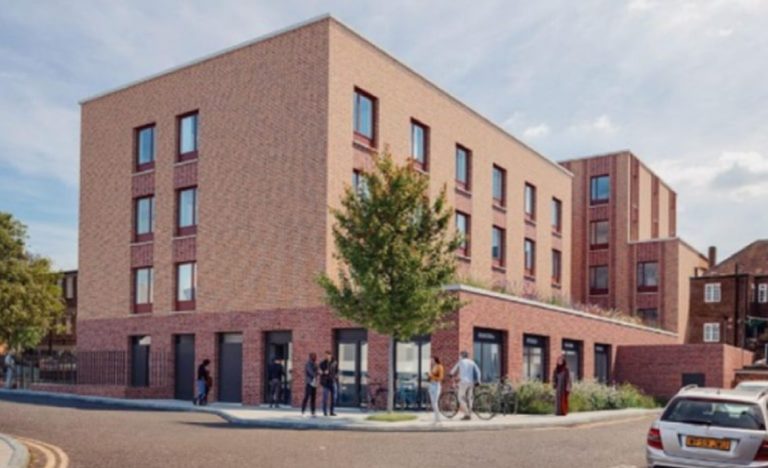
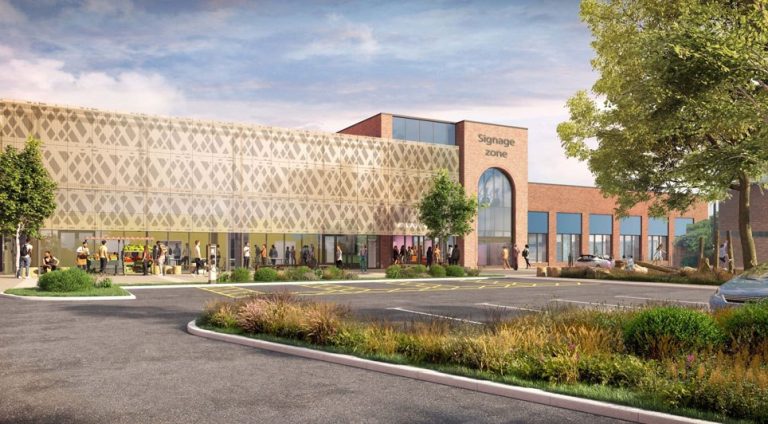
Bouygues UK, acting as both developer and contractor, today announces the successful completion of Phase 1 of the Tustin Estate regeneration project in partnership with the London Borough of Southwark. The milestone marks the delivery of 167 high-quality new homes for existing residents, representing a transformative step in the community-led redevelopment of this 1960s housing estate near Old Kent Road. Phase 1, which is 100% replacement affordable homes, forms part of a larger £303million regeneration project that will ultimately deliver 690 homes across the estate by 2030. The completion of this first phase demonstrates Bouygues UK and Southwark’s commitment to resident-focused development and sustainable urban regeneration. A community-led approach to estate regeneration The Tustin Estate redevelopment was mandated through a democratic resident ballot in February 2021, where residents voted in favour of comprehensive estate renewal. This resident-first approach has been central to the project’s success, with the community actively shaping every aspect of the design and delivery through the Tustin Resident Project Group and extensive consultation sessions. “The completion of Phase 1 represents more than just new buildings, it’s the realisation of the residents’ vision for their community,” said Philippe Bernard, CEO and Chair at Bouygues UK. “Working as both developer and contractor has allowed us to maintain our commitment to quality, sustainability, and community engagement throughout every stage of this project. We’re incredibly proud to have delivered these homes in partnership with Southwark Council and, most importantly, the Tustin Estate community.” Sustainable design and quality housing The completed Phase 1 homes are spread across three sites on the estate and have been designed by award-winning architects dRMM, in collaboration with Adam Khan Architects and JA Projects. The development prioritises sustainability and quality of life, featuring: The wider masterplan targets a 94% reduction in carbon emissions when in use, reflecting both Bouygues UK and Southwark Council’s commitment to environmental sustainability. Cllr Helen Dennis, Cabinet Member for New Homes and Sustainable Development, said: “This is a proud moment for the Tustin community and for Southwark. These first new homes are more than bricks and mortar – they represent security, opportunity and a fresh start for the families who are moving in. We worked closely with residents every step of the way, and their ideas have helped shape a neighbourhood that is greener, safer and built to last. Delivering 167 new council homes in this first phase shows the scale of our ambition. We are determined to keep building the high quality, affordable homes that people in our borough deserve.” Resident voices at the heart of Tustin Estate Development The success of Phase 1 has been built on genuine partnership with the Tustin Estate community. Residents have participated in weekly drop-in sessions, design workshops, and monthly project updates throughout the development process, ensuring their voices shaped the final outcome of their new homes. Andrew Eke, a Tustin Estate resident and Chair of Tustin Community Association, said: “The completion of Phase 1 reflects the strength of residents, the council, and the developer working together with trust, respect, and a shared purpose. This milestone has delivered the high quality homes our community deserves and reinforces our collective commitment to transforming the Tustin Estate into the vibrant, welcoming estate we all envision” The project team worked with community engagement specialists Urban Symbotics to ensure inclusive consultation, reaching younger residents, older residents, and all demographics across the estate. This approach resulted in the Tustin Estate Residents’ Manifesto, which has guided decision-making throughout the project. Lee, who is due to move into his new flat this week said ‘This new home will be life-changing for me and my wife. She is a wheelchair user and she can now finally have some independence and she is able to start cooking again.’ Phase 1 of this project has also seen community days as a focus to bring together everyone living on the estate and the teams involved in transforming it. The Tustin Estate regeneration project represents a significant investment in South London’s future, combining quality housing delivery with meaningful community engagement and environmental sustainability. David Banfield, Senior Project Manager at Pulse Consult, which led the project planning and programming for Phase 1 and will continue to work on the remaining phases, said: “From the outset, this project has been built on collaboration with the community and a real understanding of their needs. We’ve put clear workflows and processes in place to keep work moving efficiently, while remaining flexible to adapt as needed, always with the end users in mind. Consistent communication has been key – within project teams, the council, and most importantly the local community – ensuring everyone stays informed and engaged. This reflects a standard approach at Pulse: combining strong planning with proactive collaboration to deliver outcomes that truly meet the needs of those who will use them.” Future phases of Tustin Estate With Phase 1 now complete, work continues on subsequent phases of the Tustin Estate regeneration. Phase 2, with Bouygues UK as Developer and Contractor, will deliver 284 homes and is currently progressing through the planning process. The completed estate will include: A model for estate regeneration The Tustin Estate project was the first large-scale development procured through Pagabo’s Developer Led Framework, establishing a precedent for efficient, community-focused estate regeneration. Jonathan Parker, Head of Construction at Pagabo, commented: “It would be difficult to find a better large-scale scheme than that of Tustin Estate to be the first procured through our Developer Led Framework. Connecting Bouygues UK with the London Borough of Southwark is set to create social and economic value for the local community following a fair and competitive tender process – ensuring the best outcomes for all involved.” Building, Design & Construction Magazine | The Choice of Industry Professionals