March 18, 2026
Metso rolls out AI-driven maintenance tools as data questions linger

Metso rolls out AI-driven maintenance tools as data questions linger

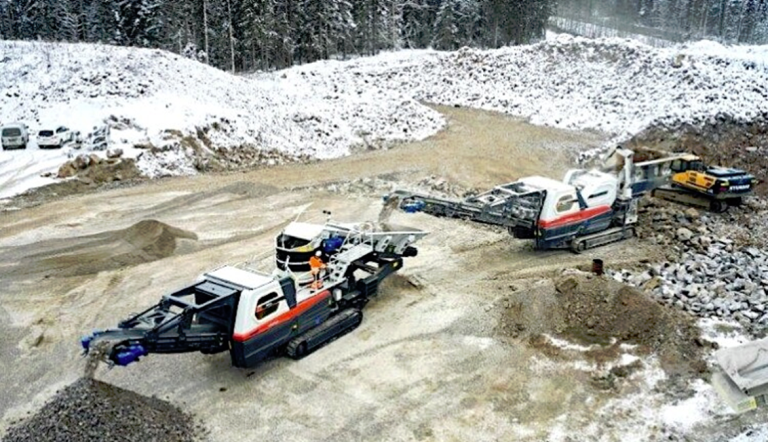
Metso has unveiled new machine learning features within its digital support platform, designed to predict maintenance needs and improve equipment uptime across its aggregates portfolio. The Finnish manufacturer says the latest upgrade uses advanced data analysis to identify early signs of wear in crushing and screening equipment, helping operators intervene

Read More »
Signify launches Brighter Lives, Better World 2030: improving lives, saving energy, preserving resources

Signify launches Brighter Lives, Better World 2030: improving lives, saving energy, preserving resources

Signify (Euronext: LIGHT), the world leader in lighting, today launched Brighter Lives, Better World 2030, a new program designed to expand the reach of impactful, energy and resource-efficient lighting to improve lives, save energy, and preserve resources. The program is supported by new initiatives that support customer sustainability ambitions. “Brighter

Read More »
10 Must-Have Industrial Handling Tools for Efficiency

10 Must-Have Industrial Handling Tools for Efficiency

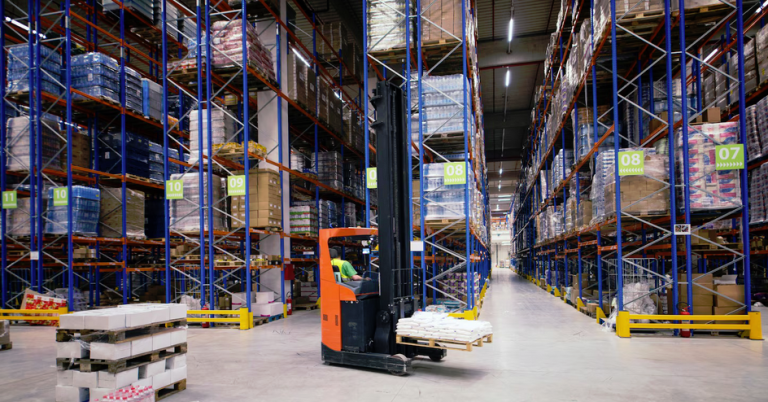
In warehouses and factories, a regular day involves moving heavy and bulky items from one place to another. Doing all this manually is challenging and, sometimes, virtually impossible. That is where industrial handling tools come in. These tools make lifting, moving and storing of materials faster, safer and more efficient.

Read More »
Latest Issue
Issue 339 : Apr 2026

March 18, 2026

Metso rolls out AI-driven maintenance tools as data questions linger

Metso rolls out AI-driven maintenance tools as data questions linger

Metso has unveiled new machine learning features within its digital support platform, designed to predict maintenance needs and improve equipment uptime across its aggregates portfolio. The Finnish manufacturer says the latest upgrade uses advanced data analysis to identify early signs of wear in crushing and screening equipment, helping operators intervene before faults develop into costly downtime. By combining live machine data with its own OEM expertise, Metso aims to deliver more accurate and timely maintenance recommendations directly through its digital platform. The system is built around continuous data capture from on-board sensors, monitoring factors such as pressure, temperature, machine settings and location. As more data is gathered, the machine learning models can be refined, improving their ability to detect patterns and anticipate potential issues. The predictive maintenance functionality is immediately available to machines already equipped with Metso’s Metrics connectivity hardware, while retrofit kits are being offered to bring older equipment into the system. Jaakko Huhtapelto, vice president for technology and digital business in Metso’s aggregates division, said the development represents a step forward in making heavy equipment more efficient and easier to manage. He noted that combining digital tools with decades of engineering knowledge allows operators to optimise performance, reduce unexpected failures and simplify maintenance planning. The technology was launched at ConExpo in the United States, a market where attitudes towards machine data have historically been cautious. In the early days of telematics, some equipment owners resisted data logging over concerns that operational data could be used in legal disputes or shared with third parties. Those concerns have not disappeared, particularly as data becomes increasingly valuable and regulatory frameworks around privacy continue to evolve. Questions around how data is stored, who can access it and how it might be used remain central to wider industry adoption of AI-driven systems. Addressing these issues, Metso said customers retain control over whether to use the data-driven features. All data is stored on servers within the European Union and processed in line with current privacy and data protection legislation. The company added that any sharing of data with third parties would require either customer consent or a legal obligation, such as a court order. Access to insights and recommendations is restricted on a need-to-know basis, although information may be shared with authorised distributors or service partners where required to support operations. As machine learning becomes more embedded in construction and aggregates equipment, the balance between performance gains and data governance is likely to remain a key consideration for operators. Building, Design & Construction Magazine | The Choice of Industry Professionals

Read More »
Signify launches Brighter Lives, Better World 2030: improving lives, saving energy, preserving resources

Signify launches Brighter Lives, Better World 2030: improving lives, saving energy, preserving resources

Signify (Euronext: LIGHT), the world leader in lighting, today launched Brighter Lives, Better World 2030, a new program designed to expand the reach of impactful, energy and resource-efficient lighting to improve lives, save energy, and preserve resources. The program is supported by new initiatives that support customer sustainability ambitions. “Brighter Lives, Better World 2030 is designed to deliver solutions that improve lives, save energy, and make better use of resources – which is exactly what our customers are asking for,” said As Tempelman, CEO of Signify. “It shows that impact and opportunity go hand in hand, as we create real value for society, while building a stronger, more resilient company.” Driving impact where it matters most Focusing on customers’ most pressing challenges, Brighter Lives, Better World 2030 responds to rising demand for efficient, connected and electrified solutions. Addressing increasing demand for electricity1 and volatile pricing, resource scarcity and the need for healthier, safer, more resilient and livable environments – the program transforms the potential of light into meaningful impact. “We’re proud to introduce the third chapter of Brighter Lives, Better World. Our new program builds on the progress of the past decade, remaining fully committed to our 2040 net zero ambition, with new targets that focus on reducing the energy and resource consumption of our customers, while continuing to drive innovations that improve safety & security, health and well-being,” said Maurice Loosschilder, Head of Sustainability at Signify. Benefits beyond illumination Signify continues to expand the role of lighting that is designed to improve quality of life, support more welcoming and productive indoor environments, enhance safety and security in cities and communities, enable more efficient food production, and increase access to solar lighting. Energy efficiency as a growth accelerator Energy efficiency is a powerful enabler of electrification and the energy transition. Through continuous advances in LED and connected lighting, Signify helps customers reduce energy demand, manage costs, and lower emissions. By the end of 2030, Signify commits to: Since introducing the Green Switch program in 2020, Signify has supported over 37,000 projects with cities across the globe, helping over 10,000 local authorities to switch their lighting systems from conventional to connected LED. An expanded Signify Switch program offers guidance on how efficient LED and connected lighting can advance energy and cost savings, and emissions reduction, as well as how to improve the quality of indoor and outdoor light, contribute to street safety and install solar lighting where the grid may not be available. Customers can receive support in choosing the right lighting products, systems, and services, as well as identifying sources of finance and funding. Resource efficiency and circular value To advance the circular economy, Signify will scale durable, upgradable, repairable, and recyclable products, alongside circular services. These solutions are designed for circularity, following a “use less, use longer, use again” framework that aims to reduce the consumption of virgin materials and energy while delivering long-term customer value. Signify Circle revenues will include four categories: These products and services will constitute Signify Circle, a new initiative for professional customers to support their circular economy ambitions. It delivers products, services and business models that are aligned to well-defined circularity criteria, alongside clear and transparent labelling and customer education.  “Our customers want products they can trust – that last for a long time and can adapt to their changing needs,” said Sophie Breton, President, Professional Business, Europe at Signify. “Signify Circle will help our professional customers in Europe to make informed choices about the products and services they need to support their circular economy ambitions.” Built on a foundation of responsible business Brighter Lives, Better World 2030 is underpinned by Signify’s long-term commitments to low nature-impact manufacturing, inclusive workplaces, fair working conditions throughout the value chain, and expanding access to lighting for underserved communities – ensuring growth is built on transparency, inclusiveness and respect for human rights. Progress on Signify’s Brighter Lives, Better World 2030 program will be reported on a quarterly basis, in line with the company’s financial results. 1 “Global electricity demand is set to grow by over 3.5% a year to 2030” Data just released from IEA https://www.iea.org/news/global-electricity-demand-is-set-to-grow-strongly-to-2030-underscoring-need-for-investments-in-grids-and-flexibility?utm_content=buffer98608&utm_medium=social&utm_source=twitter.com&utm_campaign=buffer  Building, Design & Construction Magazine | The Choice of Industry Professionals

Read More »
10 Must-Have Industrial Handling Tools for Efficiency

10 Must-Have Industrial Handling Tools for Efficiency

In warehouses and factories, a regular day involves moving heavy and bulky items from one place to another. Doing all this manually is challenging and, sometimes, virtually impossible. That is where industrial handling tools come in. These tools make lifting, moving and storing of materials faster, safer and more efficient. In this article, we will look at the 10 most important handling tools that every industrial space needs to ensure smooth operations. 1. Forklifts Forklifts are perhaps the most popular industrial handling tools. They are commonly used for lifting and moving loads that no one wants (or can’t) carry. In an industrial setting, you will need them for tasks like loading trucks, stacking pallets and moving bulk goods. They provide serious lifting power, which speeds up operations. 2. Safety Gear Safety gear refers to essential warehouse protection equipment designed to protect workers while handling materials. They include things like high-visibility vests, steel-toe boots, helmets and safety netting. You will find them everywhere work is happening. These equipment are an essential addition to industrial workspaces because they minimise the risk of injuries in case of accidents. For example, a helmet can prevent serious injury to the head if a box falls on a worker’s head. 3. Pallet Truck Pallet trucks (also pallet jacks) are useful for lifting and moving heavy loads over short distances. You can use it to lift pallets slightly off the ground so you can just roll them to a different location. They are quick and simpler to use – perfect for working in smaller areas where forklifts can’t fit. However, pallet trucks can’t replace forklifts (especially when it comes to loading tasks). 4. Hand Trolley Hand trolleys (also called dollies) are like pallet jacks but for boxes. In an industrial setting, you use these to roll your boxes instead of carrying them. They are great for tight spaces where you need to move several boxes. Dollies save your back from unnecessary suffering by making movement low-effort. You can stack boxes once and move everything in one single trip. 5. Conveyor Belt Conveyor belts are indispensable when it comes to moving items seamlessly from one place to another. Industries used them to cut down on constant walking back and forth. You will find them in different use cases, including packing lines, sorting areas and production lines. Since items move on their own, they reduce the number of workers needed for moving stuff. It also speeds up tasks like packing and sorting. 6. Crane Cranes are commonly used to lift extremely heavy or awkward items vertically. You will often find them in construction areas and heavy manufacturing zones. Some loads are simply impossible to lift manually. For example, a machinery part that weighs more than a car. In such a case, you will need a crane – it handles extreme weights seamlessly and safely. 7. Lift Tables Lift tables are used for raising and lowering items to a comfortable/ergonomic working height. You will commonly find them in shelving, packing and loading areas. Workers will love this equipment because it reduces the need for bending and unnecessary strain during work. For example, they can use it during the assembly of items, ensuring better ergonomics and safety. 8. Industrial Racking (Shelving) Industrial racking is basically shelves that you can use to store items. They are essential for keeping everything organised and accessible – you will find them everywhere (whether in a warehouse or in a factory). Without these shelves, you might have to stack everything on the floor. And finding anything in such a storage setup is a nightmare. So, instead of piling everything on the floor, install these racks and have a place for each item. 9. Barrel Handler If you run an industrial space that deals with barrels or drums, barrel handlers are a must-have. That’s why they are common in industrial storage areas where workers move chemicals and oils. Can you imagine trying to lift a barrel full of chemicals by hand? They are not only heavy but also annoying to control. A barrel handler makes handling such loads less awkward. 10. Packaging Tools Packaging tools do exactly what their name suggests – secure items so they stay in place during transport. In an industrial setting, you will often find them in packing and shipping areas. They are essential because loose goods can easily get damaged while in transit. Conclusion With the important role each plays, these tools are not just ‘nice to have’, they are what keep your daily operations moving. Some of the benefits of investing in them include saving time, reducing effort and improving safety. They can make a huge difference in terms of workflow and productivity. Remember, the right equipment can turn hard, slow work into something manageable and efficient.

Read More »