


Building the massive components that support our transportation networks and power grids leaves absolutely zero room for error. If a production line grinds to a halt, the financial hit is hard and fast. A quiet factory floor doesn’t just ruin your daily quota; it stalls active construction sites miles away and triggers brutal contractual fines. Hitting your targets consistently requires a lot more than just telling the floor crew to speed up. You have to actively hunt down the hidden mechanical and physical bottlenecks that are quietly eating away at your margins.
Stop Waiting for Things to Break
It sounds obvious, but an alarming number of facilities still rely on run-to-failure maintenance. If a critical hydraulic press or automated riveting cell snaps mid-shift, you lose hours waiting for replacement parts. Swapping to a predictive model changes the entire dynamic of the shop floor. By attaching vibration and heat sensors to your heaviest machinery, you get a heads-up weeks before a bearing actually shatters. You fix the issue on a Sunday afternoon when the floor is empty, rather than a Monday morning when fifty people are standing around waiting for the green light.
The Physical Toll of Bad Hardware
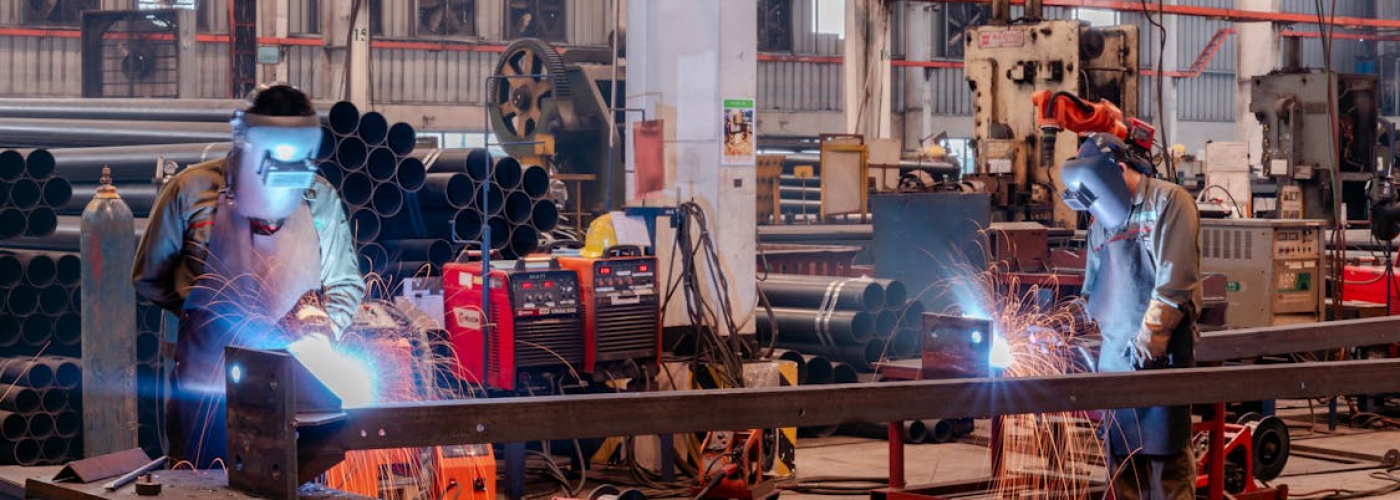
Then there is the physical reality of the crew. Assembling power grid components or rail systems is brutal, repetitive work. If your team is wrestling with heavy, violently vibrating tools all day, their precision inevitably drops by hour six. Fatigue breeds mistakes. Stripped bolts and misaligned joints mean tearing down a nearly finished product, which absolutely wrecks your output metrics.
Upgrading the hardware in their hands pays off incredibly fast. Lighter materials, better grips, and active torque control keep workers fresh and focused. A lot of plant managers pull in specialized, connected gear from Atlas Copco ITBA to get that exact mix of ergonomics and industrial-grade power. If the tool fights the operator less, the operator builds more units.
Kill Rework at the Source
Rework is another massive drain on the clock. Finding a bad connection at the final quality check is the worst-case scenario because you have already invested labor and materials into a flawed unit. The fix here is to build verification directly into the assembly sequence. Modern setups use machine vision and smart controllers to validate every single fastening event the second it happens. If a bolt isn’t seated right, the system flashes red and stops the line until the operator corrects it. You stop passing defects down the line, meaning your final inspection becomes a quick formality rather than a severe bottleneck.
Clear the Clutter
Look closely at the physical layout of your stations. Clutter kills cycle times. If an operator spends forty-five seconds searching for a specific socket or deciphering a poorly printed schematic, multiply that by a hundred cycles a day. It adds up to hours of dead time. Digitizing work instructions and standardizing exactly where every single peripheral sits removes that hesitation.
Eliminate the Daily Drag
Pushing your production numbers higher rarely involves a single, sweeping change. It usually comes down to stripping away the daily friction. Give your people better equipment, anticipate your breakdowns before they happen, and stop letting mistakes travel down the line. Do that, and the output takes care of itself.