




A professional fire suppression system is a complex assembly of mechanical, electrical, and sometimes chemical components designed to activate automatically in a fire emergency. For business owners and facility managers, ensuring this life-safety equipment functions correctly is a legal and ethical obligation.
Routine maintenance visits conducted by qualified technicians are the cornerstone of this reliability. These visits are comprehensive evaluations governed by stringent standards and local jurisdictions. Understanding exactly what occurs during these inspections can help building owners prepare, maintain compliance, and ensure their systems are always ready.
Here’s what’s included in a professional fire suppression system maintenance visit:
Pre-Inspection Coordination and Documentation Review
A professional maintenance visit begins before the technician arrives on site. A reputable service provider will coordinate with the facility to schedule the inspection at a time that minimizes disruption. For instance, inspections of kitchen suppression systems typically require the cooking equipment to be shut down and cool, necessitating coordination with kitchen managers. Upon arrival, the technician will initiate the visit by reviewing the system’s history. This involves examining the official log book or documentation cabinet, which should contain as-built drawings, original acceptance test records, and previous inspection reports.
Furthermore, maintaining these records in a dedicated cabinet is a critical requirement for verifying system history and ensuring that inspection, testing, and maintenance (ITM) personnel can perform their duties effectively. For facilities managing complex setups or requiring specialized assistance with documentation and recurring schedules, checking out reputable online resources like ocd-firemanagement.com would be a great idea, as they offer targeted expertise to streamline these compliance tasks.
Visual Inspection of System Components
The bulk of the visit is dedicated to a meticulous visual examination of every accessible component of the fire suppression system. This step is crucial for identifying physical damage, corrosion, or obstacles that could impede performance. The technician will inspect all piping for signs of leaks, rust, or physical impact. They’ll ensure that all discharge nozzles are correctly positioned, undamaged, and free from obstructions such as grease, dust, or stored items. In a commercial kitchen, this means checking that nozzles are aimed properly at the specific appliances they are designed to protect, such as fryers and grills, and that grease buildup has not compromised the system.
The inspection also covers all mechanical parts, including actuators and sensors that detect fire and trigger the system. The technician will verify that manual pull stations are unobstructed, clearly marked, and operational. For water-based systems, the inspection extends to control valves, pressure gauges, and alarm devices. Valves are checked to ensure they’re in the correct open or closed position and are properly secured or supervised. Pressure gauges on wet and dry systems are examined to confirm they’re within their operational range.
Functional Testing and Component Checks
After the visual inspection, the technician proceeds to test the system’s functionality. This is a critical phase that verifies the system operates as designed. The specific tests vary depending on the system type, such as the following:
For Pre-Engineered Systems
The technician will test electrical interlocks and microswitches. This ensures that when the system activates, it automatically shuts down the fuel or power supply to the cooking appliances, a primary safety function. The operation of the fire alarm system in response to the suppression system activation is also tested.
For Engineered Systems
These systems require more complex testing. Technicians check for proper cylinder pressure, as a significant loss can indicate a leak. For example, carbon dioxide cylinders must be weighed, and if the weight loss exceeds 10 percent of the charge, the cylinder must be recharged. They also test time delays, alarms, and ventilation shutdown mechanisms using an inert gas to confirm the sequence of operation without discharging the expensive extinguishing agent.
For Water-Based Systems (Sprinklers)
Testing involves operating drain valves to check the condition and reliability of the water supply. Waterflow alarms are tested to ensure they send a signal to the monitoring company or local alarm. In some cases, fire pumps are run under no-flow conditions to verify they start automatically and maintain proper pressure.
Replacement of Time-Expired Components
Many fire suppression system components have a limited service life and require proactive replacement during maintenance. In kitchen systems, this includes replacing fusible links and detection rings every six months, as these heat-sensitive elements can degrade or become coated with grease. Technicians also replace any missing or damaged nozzle caps.
For sprinkler systems, focus shifts to the sprinkler heads. Depending on system age and environmental conditions, a representative sample may be sent to a laboratory for testing. If any sprinkler in the sample fails to activate at the correct temperature, all sprinklers represented by that sample must be replaced.
Post-Inspection Reporting and System Certification
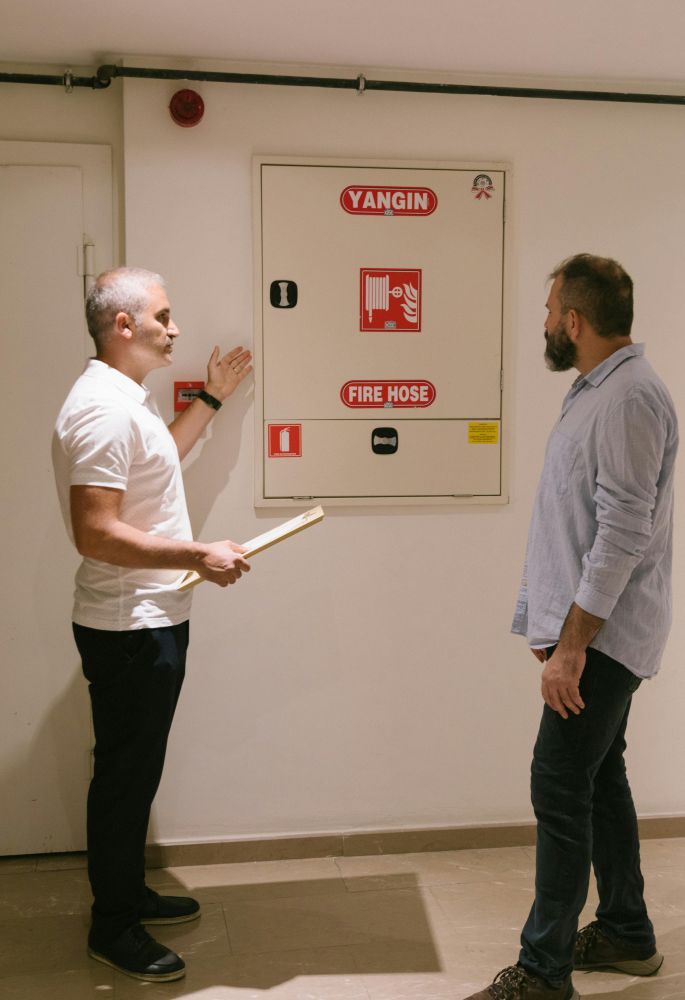
The final critical step is thorough documentation. The technician completes a detailed report outlining the system’s condition, all tests performed, and any deficiencies. This serves as the official compliance record for fire marshals and insurance.
If the system passes, a certificate and updated service tag are provided, confirming that all fire safety equipment meets required standards. Should issues like faulty actuators be found, a repair proposal is issued immediately to mitigate any potential fire hazard.
Addressing these concerns is critical for robust fire protection and overall fire safety on the premises. The findings are detailed in the official fire inspection report, which serves as a compliance record. The system is not fully compliant until these corrections are completed and documented, ensuring it remains a reliable defense against catastrophic fire damage.
Conclusion
A professional fire suppression system maintenance visit is a multi-faceted process essential for life safety and regulatory compliance. From initial documentation review to final certification, each step ensures the system will perform reliably in an emergency. By understanding what these visits entail, facility managers can better prepare, address deficiencies promptly, and maintain unwavering protection for their property and occupants.