March 12, 2026
£7.5bn AI Data Centre Mega-Campus Approved for Lincolnshire

£7.5bn AI Data Centre Mega-Campus Approved for Lincolnshire

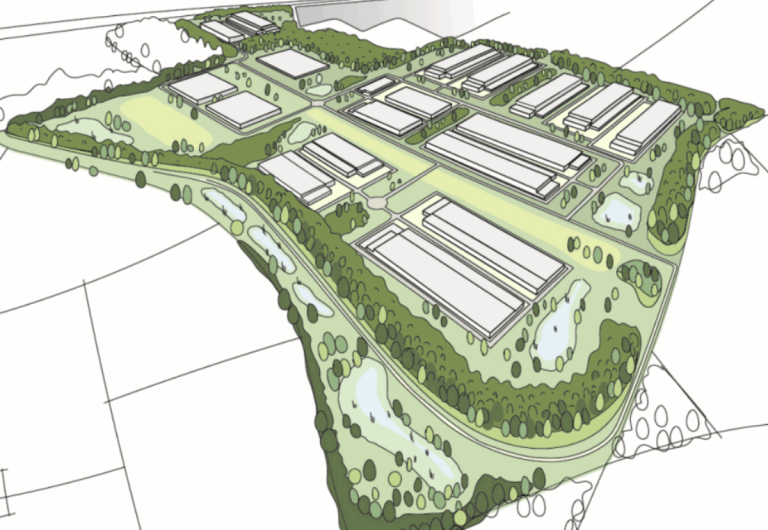
Plans for what is set to become the UK’s largest artificial intelligence data centre campus have received outline planning approval, marking a major milestone for digital infrastructure in the country. The vast scheme near Scunthorpe in North Lincolnshire will transform the former RAF Elsham Wolds airfield into a hyperscale technology

Read More »
Why Height Adjustable Desks Are Transforming Healthier Workspaces

Why Height Adjustable Desks Are Transforming Healthier Workspaces

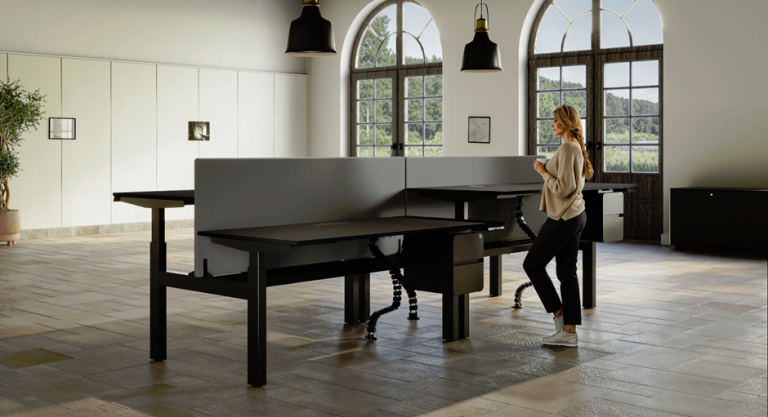
The modern workplace is increasingly focused on employee wellbeing. As professionals spend long hours at their desks, companies are rethinking how office furniture can support healthier working habits. One of the most notable developments in recent years has been the rise of the height adjustable desk. Workspace experts such as

Read More »
Latest Issue
Issue 340 : May 2026

March 12, 2026

£7.5bn AI Data Centre Mega-Campus Approved for Lincolnshire

£7.5bn AI Data Centre Mega-Campus Approved for Lincolnshire

Plans for what is set to become the UK’s largest artificial intelligence data centre campus have received outline planning approval, marking a major milestone for digital infrastructure in the country. The vast scheme near Scunthorpe in North Lincolnshire will transform the former RAF Elsham Wolds airfield into a hyperscale technology campus capable of supporting the rapidly growing demand for artificial intelligence and cloud computing services. The development, known as Elsham Tech Park, would deliver more than 1.5 million square metres of data centre floorspace spread across 15 data halls. Once completed, the campus is expected to support up to 1,000MW of IT load, placing it among the most ambitious digital infrastructure projects ever proposed in the UK. The project is being brought forward by Elsham Tech Park Ltd, a company established specifically to deliver the scheme and overseen by planning and infrastructure specialist Greystoke. The proposals cover a 176-hectare site and include a significant supporting energy infrastructure to power the facility. At the heart of the masterplan is a new energy centre capable of generating up to 49.9MW on site, alongside substations, battery energy storage systems, district heating infrastructure and additional flexible commercial space. A distinctive element of the project is the inclusion of energy-efficient greenhouse agriculture facilities. These would reuse excess heat generated by the data halls to support food production, creating a more circular approach to energy use and sustainability. The scale of the development is expected to generate significant economic activity during construction. A 10-year build programme has been outlined, with estimates suggesting the project could support between 2,600 and 3,600 full-time equivalent construction jobs each year across the supply chain. Construction is currently anticipated to begin in 2027, with the first phase of the campus targeted to open in 2029. Buildings across the site would range between 7m and 23m in height. Extensive landscape bunds reaching up to 10m high, together with new woodland planting, are proposed to reduce visual impact and integrate the campus into the surrounding countryside. The scheme will also feature a central spine road connecting all 15 development zones, each capable of being delivered independently. A new primary access route will link the campus to the nearby industrial estate. If completed, Elsham Tech Park would place Lincolnshire at the forefront of the UK’s rapidly expanding artificial intelligence and cloud computing sector, creating a major new hub for digital infrastructure and technology investment. Building, Design & Construction Magazine | The Choice of Industry Professionals

Read More »
Unibail-Rodamco-Westfield launches next round of consultation on The Croydon Project

Unibail-Rodamco-Westfield launches next round of consultation on The Croydon Project

Unibail-Rodamco-Westfield (URW) has today [12 March 2026] launched the next round of public consultation on The Croydon Project, its vision to regenerate Croydon town centre and strengthen its role as a key destination in South London. Led by URW The Croydon Project will transform the Whitgift Centre, Centrale and the iconic Allders building, alongside surrounding areas on North End, into a vibrant mixed-use destination with new homes, public spaces, shops, restaurants and leisure uses. The evolving masterplan outlines how Croydon town centre could be transformed into a modern mixed-use destination, combining new homes with a stronger retail, leisure and cultural offer that keeps the town centre active throughout the day and evening. As part of the proposals, the project aims to deliver: The revitalisation of the historic Allders building The latest proposals also respond directly to feedback received during earlier consultations, including calls for greener public spaces, improved accessibility, more cultural and leisure activities, and the protection and reuse of Croydon’s historic buildings. The consultation will give residents, businesses and visitors the opportunity to review the latest masterplan ideas and provide feedback on how the project can best meet the needs of Croydon’s communities. As part of the consultation, the project team will host a series of pop-up events across Croydon where local people can learn more about the proposals and share their views directly with the team. The pop-up events will take place at: (weather dependent) Progress is already underway on the project. New shops and restaurants have opened at Allders Parade, refurbishment of shops along North End is continuing and a planning application for improvements to Centrale was submitted earlier this year. Adam Smith, Strategic Development Director at Unibail-Rodamco-Westfield, said: “The Croydon Project aims to reimagine Croydon town centre and restore its role as the economic and creative capital of South London. Our ambition is to create a thriving mixed-use destination with new homes, public spaces and a vibrant mix of retail, leisure and cultural activity that reflects Croydon’s energy and creativity. This long-term regeneration will bring new life and investment to the heart of the town centre. Community feedback will remain central, with this next round of consultation giving local people the chance to help shape the evolving masterplan.” Residents and businesses can also view the proposals and provide feedback online at TheCroydonProject.co.uk. Building, Design & Construction Magazine | The Choice of Industry Professionals

Read More »
Beyond the Boiler: Lovell backs new industry guides to support retrofit acceleration

Beyond the Boiler: Lovell backs new industry guides to support retrofit acceleration 

AS the UK prepares for major energy efficiency works under the government’s Warm Homes Plan, refurbishment and retrofit housing specialist Lovell Renew has joined forces with Sustainable Housing Action Partnership (SHAP) to launch the Retrofit Success Guides.  Alongside the West Midlands Combined Authority (WMCA) and Equans, and with the input of nearly 100 experts and 70 organisations, this invaluable expertise has been distilled into a practical blueprint for housing providers, local authorities and the supply chain.   Moving away from high-level policy, this new eight-part suite of resources has been designed to be a manual for delivery and support the drive towards net zero. This includes community and resident engagement, data use, workforce development, area-based planning, financing, governance and procurement.  Having spent decades on the frontline of retrofit design and delivery, as well as working within long term partnerships in the public sector, the involvement from Lovell was crucial to understanding how to navigate the sector. This includes acknowledging the challenges that often stall retrofit projects and how to overcome them – from resident trust and data integrity to the chronic skills gap and complex financing.   Carl Yale, regional managing director for Lovell Renew Central, said: “After many years, numerous partnerships and thousands of homes made better, safer, warmer, and healthier, we have built up a deep understanding for what this work entails and how critical it is in boosting resident comfort, health and wellbeing. With the Warm Homes Plan on the horizon, the sector is facing an important moment when retrofit needs be front and centre – but it also needs support in understanding best practice and how to ensure successful delivery.   “This will require collaboration and commitment to ensure that projects are done with insight, integrity and always with the residents at heart. We are proud to have been involved in the development of these guides and hope it will help to shape the future of this crucial specialist sector.”  Ellie Horwitch-Smith, chair of SHAP board and assistant director, Route to Net Zero, Birmingham City Council, said: “The Retrofit Success Guides show what’s possible when expertise from across the sector is brought together with a shared ambition to do things better. The guides are founded on the realities of delivery and offer a practical foundation for anyone serious about scaling retrofit with quality, integrity, and real impact for people and place.”  Rob Johnson, head of delivery for Building Retrofit at West Midlands Combined Authority, said: “The West Midlands Combined Authority is proud to be at the forefront of driving change in retrofit delivery through devolved funding and local leadership. The Retrofit Success Guides are an essential resource born from collaboration across the sector and grounded in the first-hand experience of those delivering retrofit or experiencing its impact. They represent a shared commitment to innovation, high standards, and putting residents at the heart of every programme.”  Unlike traditional technical papers, the guides are designed for action. They arrive at a time when fuel poverty and energy security are at the top of the national agenda. By making these resources free to access, it removes the barriers to entry for smaller housing providers and local councils who are often left to navigate this alone.   To find out more and download the guides, visit: https://shap.uk.com/retrofit-success/  Building, Design & Construction Magazine | The Choice of Industry Professionals

Read More »
Why Height Adjustable Desks Are Transforming Healthier Workspaces

Why Height Adjustable Desks Are Transforming Healthier Workspaces

The modern workplace is increasingly focused on employee wellbeing. As professionals spend long hours at their desks, companies are rethinking how office furniture can support healthier working habits. One of the most notable developments in recent years has been the rise of the height adjustable desk. Workspace experts such as Urban 411 office furniture highlight how adjustable desks are helping organizations move away from static workstations toward more dynamic and health focused environments. Unlike traditional desks that require employees to remain seated for most of the day, adjustable desks allow users to alternate between sitting and standing. This flexibility encourages natural movement and reduces the strain associated with prolonged sitting. By introducing simple positional changes throughout the day, these desks help create a workspace that adapts to the user rather than forcing the user to adapt to the furniture. Breaking the Cycle of Sedentary Work Extended periods of sitting have become a common part of modern office routines. However, remaining seated for most of the workday can contribute to fatigue, muscle stiffness, and reduced energy levels. Height adjustable desks provide a practical way to interrupt these sedentary patterns. The ability to switch between sitting and standing encourages movement and helps maintain better physical balance during the day. Better Circulation and Energy Levels Alternating between positions promotes improved blood circulation. Many users report feeling more alert and energized when they incorporate standing periods into their routine. Reduced Strain on the Spine and Joints Changing positions helps relieve constant pressure on the lower back and spinal discs. It also reduces stiffness in the hips and knees that often develops during long periods of sitting. Increased Muscle Engagement Standing activates more muscle groups than sitting alone. Even light muscle engagement can contribute to better metabolic activity and help counter the effects of prolonged inactivity. Over time, these small adjustments can significantly improve overall workplace comfort and physical wellbeing. Supporting Modern Office Design Adjustable desks are not only beneficial for health—they also align well with evolving office layouts. Many contemporary workplaces are moving toward flexible designs that accommodate multiple work styles, from focused individual tasks to collaborative team activities. Height adjustable desks fit naturally into these environments because they support adaptability and efficient space usage. Flexible Work Zones Their clean design and adaptable structure allow them to integrate seamlessly into offices that use modular furniture and flexible layouts. Adaptation to Different Work Tasks Certain activities may benefit from standing, such as brainstorming sessions or quick meetings, while seated positions may be more suitable for focused computer work. Adjustable desks support this natural variation. Efficient Workspace Planning When combined with other flexible furniture systems, adjustable desks help create workspaces that can evolve as teams grow and organizational needs change. This versatility makes them a valuable addition to modern workplace planning. Developing Healthy Usage Habits While adjustable desks offer many benefits, their effectiveness depends on how they are used. The goal is not to stand all day but to create a balanced routine that incorporates both sitting and standing. Start GraduallyBegin by alternating between sitting and standing every 30 to 60 minutes. Gradually increase standing time as your body becomes more comfortable with the change. Maintain Proper ErgonomicsWhether seated or standing, the monitor should remain at eye level and elbows should rest comfortably at approximately a 90-degree angle. Add Small Movement BreaksUse transitions between positions as an opportunity to stretch, shift your posture, or take a short walk. These small actions further improve circulation and reduce muscle tension. Furniture specialists recognise that these habits are essential for maximizing the benefits of adjustable desks. Providers such as Urban 411 office furniture design solutions that make these transitions smooth and easy within everyday work routines. Conclusion Height adjustable desks are playing an increasingly important role in the evolution of modern workspaces. By encouraging movement and reducing the negative effects of prolonged sitting, they help create environments that support both comfort and productivity. Beyond their health benefits, these desks also complement flexible office layouts and modern workspace strategies. As organizations continue to prioritize employee wellbeing, adjustable desks are becoming a central feature of forward-thinking office design. For businesses seeking to create healthier and more adaptable workplaces, exploring solutions offered by Urban 411 office furniture provides a practical starting point for integrating these innovations into everyday office environments.

Read More »