April 16, 2026
Why High-Quality Heat Pump Installation Is the Key to Long-Term System Performance

Why High-Quality Heat Pump Installation Is the Key to Long-Term System Performance

As the construction industry continues to shift toward electrification and energy-efficient building practices, heat pumps are becoming a central component in both residential and multi-unit developments. Their ability to provide both heating and cooling, combined with improving cold-climate performance, has made them a preferred solution for modern HVAC design. However,

Read More »
Latest Issue
Issue 340 : May 2026

April 16, 2026

Development Director Ulrike Maccariello to retire from Hastoe after 20-year career at the rural housing specialist

Development Director Ulrike Maccariello to retire from Hastoe after 20-year career at the rural housing specialist

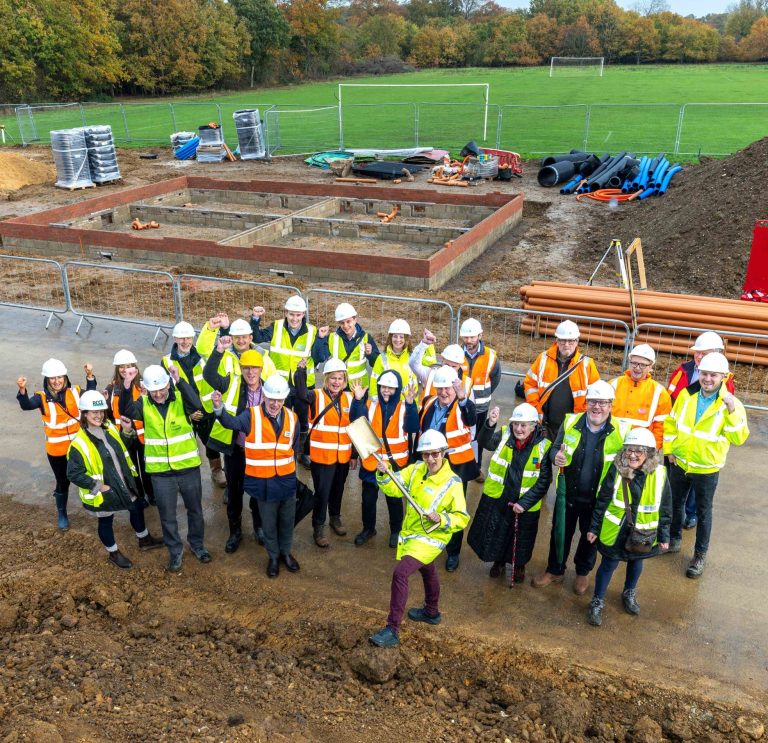
Regional Development Manager Chris Meadows to take reins as new Development Director Ulrike Maccariello will be retiring from Hastoe Housing Association at the end of July, following a distinguished 20-year career at the rural housing specialist that has included serving as Development Director for the last seven years. Chris Meadows, Hastoe’s Regional Development Manager for the West and Sales Manager, will become Development Director at the start of May, to ensure a smooth transition. In other changes to the team, Mike Cramp, currently Regional Development Manager for the East, will become Head of Development, with responsibility for development across all regions; Emily Moss will become Sales Manager; Neil Salisbury, Technical Manager, will now head up Hastoe’s technical quality control team; and a new Development Manager post is being created to cover the South-East, including Hampshire and Sussex.  Andrew Potter, Hastoe CEO, says: “Ulrike has been an integral part of our development team for over 20 years, and for the past seven, she has led as director with unwavering dedication. During her time here, Ulrike has spearheaded our move to high-quality and sustainable rural developments, creating homes for those who need them most and championing rural affordable housing across the sector. Her leadership has left an indelible mark on Hastoe and the communities we serve. “We are fortunate Ulrike has created a skilled and talented development team, and I wish Chris and the rest of his team all the very best as they step into their new challenges.” Ulrike says: “The network of fantastic people I have had the privilege to work with are part of the reason I have stayed at Hastoe for so long. I am enormously grateful for all the opportunities I have had and the partnerships and friendships I have made. Rural housing is a topic that will always remain close to my heart, and I am delighted to see Chris become Development Director, as he has a real passion and enthusiasm for Hastoe and our values. I wish him and the rest of the team lots of success in their new roles.” Building, Design & Construction Magazine | The Choice of Industry Professionals

Read More »
Why Waste Planning Should Start Before Your Project Gets Complicated

Why Waste Planning Should Start Before Your Project Gets Complicated

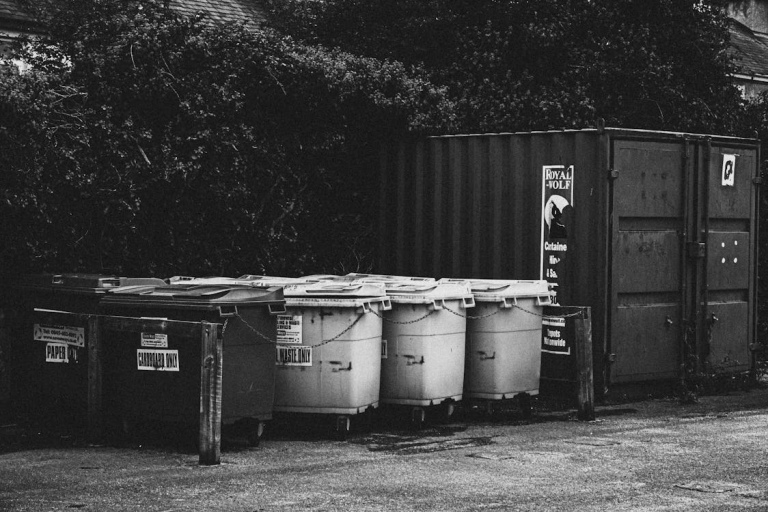
If you want a project to run smoothly, you need to think beyond materials, labour, and deadlines. One of the easiest things to underestimate is waste. It sounds minor at first. A few broken materials. Some packaging. A growing pile of offcuts. But once site activity picks up, poor waste planning can start affecting access, productivity, safety, and even the pace of the programme. On projects of almost any size, that becomes a real operational issue, not just a housekeeping one. So, let’s take a look at why waste problems have a habit of becoming much bigger than expected.  Waste Problems Rarely Stay Small You’ve probably seen it happen. A site begins in a controlled way, then clutter starts building in corners, near entrances, beside storage areas, and around working zones. Suddenly, trades are navigating around the mess instead of moving freely through the site. Deliveries become more awkward. Sorting waste becomes reactive. Time gets lost in tiny pockets all day long. That’s why it helps to treat waste like part of your site logistics plan, not something separate from it. When you think ahead about where waste will be created, how quickly it will accumulate, and how often it needs to be removed, you protect the workflow before problems develop. It is less about tidiness for appearance’s sake and more about keeping your site usable. The Right Setup Makes Daily Work Easier Choosing the right waste solution isn’t just about volume. It’s also about access, project type, and the kind of debris you expect to generate. The Waste Group’s Bournemouth service page outlines a range of options from smaller skips to larger containers and roll-on roll-off units, showing how different projects need different approaches. It also notes next-day delivery for orders placed before midday on working days, which can be useful when timelines are tight. Used properly, skip hire can do more than remove rubbish. It can help you create a cleaner working rhythm on-site. Trades spend less time shifting waste out of the way. Storage zones stay clearer. Access points remain usable. That sort of consistency makes a difference over the life of a project. Access Rules Need Attention Early You also need to think about where waste containers will go. If they are placed on private land, the process is usually simpler. If they need to sit on a public road or pavement, permits may be required. The Waste Group states that skips placed on public land in the Bournemouth, Christchurch and Poole area need council permission, and that approval can take several working days. That delay may not sound serious on paper, but on a live project, a few missed days can trigger unnecessary disruption. If demolition starts before disposal is properly arranged, you create pressure where there didn’t need to be any. Good Waste Planning Supports the Whole Project You don’t need to be running a huge development for waste planning to matter. Refurbishments, extensions, fit-outs, and commercial upgrades all benefit from early coordination. When you plan disposal as carefully as deliveries and labour, the whole site tends to operate better. And that’s really the point. Waste isn’t a side issue. If you manage it well, you make the rest of the job easier too.

Read More »
Why High-Quality Heat Pump Installation Is the Key to Long-Term System Performance

Why High-Quality Heat Pump Installation Is the Key to Long-Term System Performance

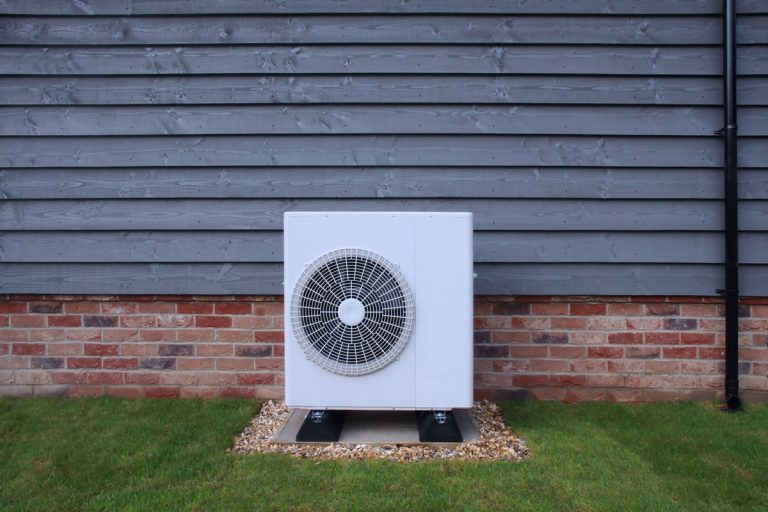
As the construction industry continues to shift toward electrification and energy-efficient building practices, heat pumps are becoming a central component in both residential and multi-unit developments. Their ability to provide both heating and cooling, combined with improving cold-climate performance, has made them a preferred solution for modern HVAC design. However, while system technology has advanced rapidly, one critical factor continues to determine whether a heat pump performs as expected over time: the quality of installation. Installation Quality Defines System Performance Heat pumps are highly sensitive to system design and installation precision. Unlike traditional heating systems that can tolerate minor inefficiencies, heat pumps rely on proper airflow, accurate sizing, and precise calibration to operate efficiently. Even small installation oversights can lead to: In many cases, underperformance is not due to equipment failure but rather installation practices that fail to align with system requirements. The Role of Proper System Sizing Correct system sizing is one of the most overlooked aspects of heat pump installation. Oversized systems can short-cycle, leading to inefficient operation and unnecessary strain. Undersized systems, on the other hand, may struggle to maintain indoor comfort during peak demand. Accurate load calculations must consider: Without these factors being properly assessed, even high-end systems may fail to deliver expected results. Airflow and Duct Design Considerations Airflow is another critical component that directly impacts system efficiency. Poor duct design, improper static pressure levels, or restricted airflow can significantly reduce a heat pump’s ability to transfer heat effectively. In retrofit projects, especially, existing ductwork may not be compatible with modern heat pump requirements. Adjustments or redesigns are often necessary to ensure balanced airflow throughout the space. When airflow is not properly managed, common issues include: Electrical Integration and System Compatibility As heat pumps become more widely adopted, electrical infrastructure is playing a larger role in installation quality. Systems must be properly integrated with the building’s electrical capacity to avoid performance limitations. Key considerations include: Failure to address these factors during installation can lead to operational inefficiencies or system limitations that are difficult to correct after the fact. Why Expertise Matters in Installation Given the technical requirements involved, installation is no longer a straightforward mechanical process. It requires coordination between HVAC design, electrical planning, and on-site execution. Working with experienced heat pump system installation experts ensures that all aspects of the system are aligned from the beginning. This includes proper sizing, airflow optimization, and integration with the building’s overall mechanical and electrical systems. When installation is approached as a comprehensive process rather than a basic setup, the result is a system that performs consistently and efficiently over time. Long-Term Efficiency and Cost Implications The long-term performance of a heat pump is directly tied to how well it is installed. Systems that are properly designed and installed tend to: On the other hand, poorly installed systems often lead to ongoing service issues, increased maintenance costs, and premature equipment replacement. For developers and builders, this translates into long-term value. A well-installed system not only improves occupant satisfaction but also reduces lifecycle costs associated with HVAC performance. The Future of Heat Pump Performance As building codes continue to evolve and energy efficiency standards become more stringent, the importance of installation quality will only increase. Advances in heat pump technology will continue, but without proper installation practices, these improvements cannot be fully realized. High-performance buildings require high-performance systems, and those systems depend on skilled installation. The industry is moving toward a model where design, installation, and system integration are treated as a unified process rather than separate steps. Conclusion Heat pumps are no longer an emerging technology; they are becoming a standard solution in modern construction. However, their success depends not just on the equipment itself, but on how well it is installed. High-quality installation ensures that systems operate efficiently, reliably, and as intended over the long term. As adoption continues to grow, the focus must shift from simply selecting the right equipment to ensuring it is installed with the level of precision required for optimal performance.


Read More »