



It is important to understand how work has changed in the UK, particularly with the rise of remote and hybrid working. As a result, there is now a huge demand for specialist workspaces that allow people to separate their work life and home life.
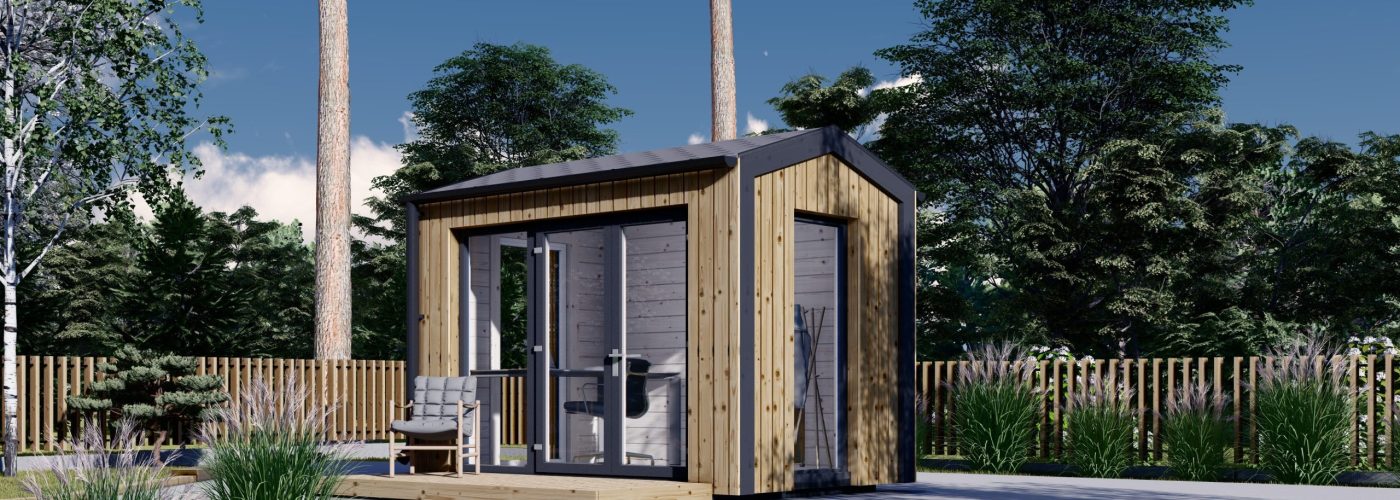
An outside office directly on your property can be anything like a garden office, shed conversion, pod or cabin that provides UK workers with an office that is productive, secluded, and separate from the home without the need for a daily commute.
Why UK Workers Are Moving Away from Home Offices
Due to ongoing struggles with work-life balance and productivity, many UK workers are moving away from makeshift home offices. The average UK home size is about 818 square feet. Most homes do not have enough room to create a proper home office. As a result, space in areas such as the living room or bedroom is often sacrificed to accommodate one.
Distractions at home such as family or household chores can affect your concentration. By working in an office outside the home, you are physically separated from your personal life and can help you compartmentalise your work and home life. This is important for mental health and allows a person to continue to be productive throughout the day. For those not ready to invest in a garden office, you can rent a coworking space here as a flexible way to get that same separation without the upfront cost.
Dedicated internal office space is more of a luxury in UK homes than in many US homes due to their smaller size. Some households in the UK have multi-generational living arrangements which create demand for quiet workspace. Unseparated work areas may cause burnout and an inability to switch off from work at the end of the day.
The Practical Advantages of Outside Office Structures
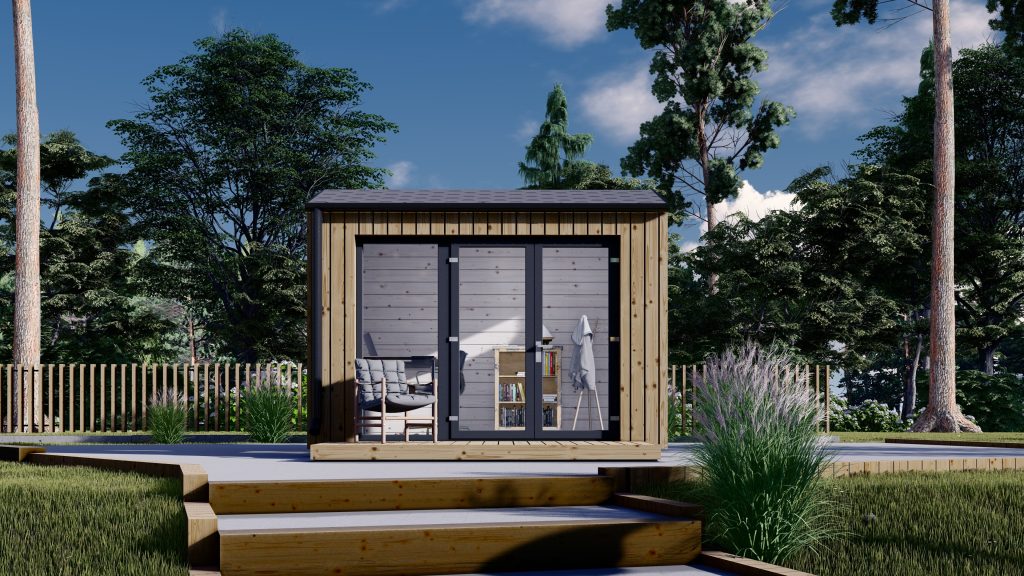
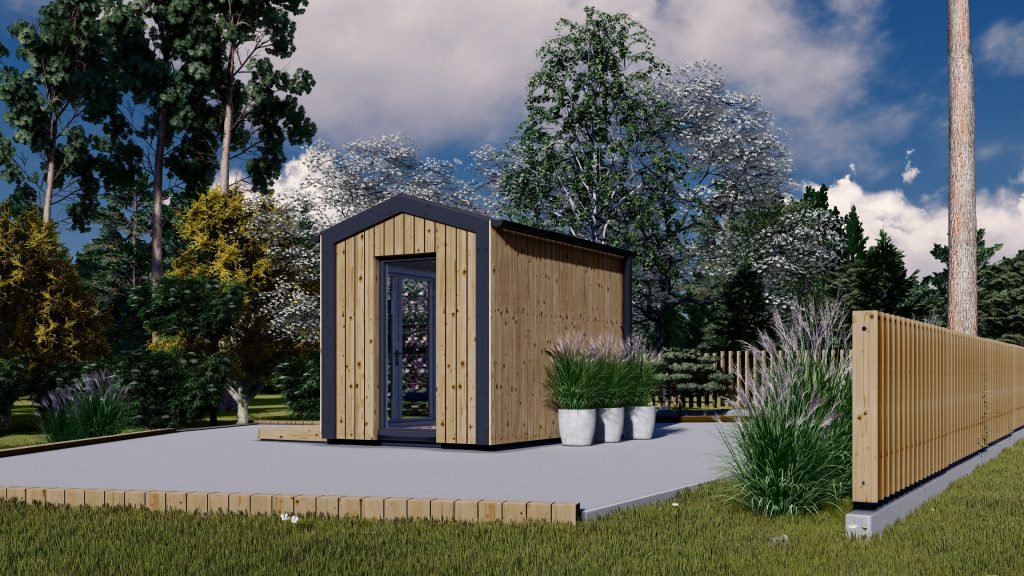
Outdoor office structures are highly practical, particularly within the UK context. Modern designs have insulation and heating for use all year round despite the weather.
Most garden offices can be constructed without planning permission by adhering to certain specific regulations, including not exceeding 2.5 metres in height when located within 2 metres of a boundary. This makes installation easier for homeowners.
You can be comfortable in one of these garden offices throughout the year due to their strong insulation and double glazing, as well as their use of heating solutions that make them very viable even during the colder months in the UK.
If you follow the guidelines set out, you will find that most garden offices fall under Permitted Development rights and so you can avoid a long-winded and tricky planning permission process. Compared to various costs for renting a coworking space in London, which vary from £1,620 to £4,308 annually per person, a garden office is a long-term investment likely to pay for itself. A top-notch garden office can enhance your property value by a whopping 5 – 15 percent.
Customization and Productivity Benefits
Flexible design allows workers to tailor an outside office to their preferred working style. Whether a studio for creatives, a consulting room or a high-tech set-up for software development, the setting can be optimized without compromising on features and aesthetics of the home.
Ergonomic set-ups can be totally integrated, creating a more health-friendly workspace without the trade-offs typically experienced in home spaces. Internet connectivity, lighting, and sound quality can be optimised to maximise productivity and improve video call performance.
- Reliable connectivity ensures a consistent internet connection, whether working at a desk in the office or from home.
- Acoustic treatment is important for video conferencing, as it helps reduce echo and background noise.
- Custom layouts can accommodate specific workflows, such as standing desks or creative rooms.
Environmental and Lifestyle Benefits
When working remotely, you reduce your environmental impact by avoiding the need to drive to work. The average round-trip commute in the UK is 58.8 minutes. Removing this journey saves both time and carbon emissions. Less time spent travelling reduces the carbon footprint and limits the stress levels of the worker.
Research shows that exposure to natural light and outdoor space can positively impact mental health and productivity. The use of green materials that are popular in the UK market makes for sustainable building options. Reduced travelling in vehicles leads to lower fuel emissions and less air pollution. Being exposed to natural light from an external office can set the body’s natural clock so that one sleeps better and is mentally healthier.
Making that physical commute to a garden office gives a clear psychological separation. It mimics an end of the day ritual. In turn, it enhances your work-life balance.
The 15-Minute Boundary Framework: A Decision Model for Outside Offices
The 15-Minute Boundary Framework provides a structured approach to assess whether an outside office makes financial and practical sense for UK workers. This model focuses on three 15-minute factors to quantify the benefits and justify the investment.
Current ‘Commute’ from Bedroom to Workspace: Quantify the psychological and physical transition time currently lost. If this “commute” is less than 15 minutes, an outside office creates a necessary deliberate separation.
Time Spent Managing Household Distractions Daily: Estimate the cumulative minutes lost to interruptions like family, chores, or deliveries. Reclaiming 15 minutes of uninterrupted focus daily can significantly boost productivity.
The Break-Even Point: Calculate the investment return based on reclaimed productive time. If reclaiming just 15 minutes of high-value work per day justifies the cost over a 3-year period, the investment is sound.
For instance, a consultant who charges £75 an hour spends £15,000 on a garden office. If they manage to reclaim just 20 minutes of productivity each day by removing distractions and providing themselves a workspace, the extra money they gain from that is £25 per day (£75/hour * 20/60 hours). Over two years’ worth of working days (590), this reclaimed time equates to approximately 28 months and generates a saving of £14,750. This saving approaches the break-even point of the original investment. This framework shows that the value extends beyond convenience.
Conclusion: Is an Outside Office Right for You?
For remote workers, freelancers, and small businesses in the UK, an outside office can be more than a convenient perk. It is a smart investment in productivity, health, and value. The hybrid working movement sees 40% of UK workers projected to work remotely in 2026, highlighting the need for distraction-free workspaces.
Given the compact nature of UK homes and the mental health benefits of physically separating work and home life, an outside office could be an effective solution. Because it can add significant value to your property, allow for tax efficiencies, and reduce commuting, it can be a powerful solution. Before buying or building, assess your individual needs against the 15-Minute Boundary Framework to ensure the investment will align with your professional and financial objectives while future-proofing your workspace as patterns emerge.