April 14, 2026
Bellway submits plans for 260 homes in Godmanchester

Bellway submits plans for 260 homes in Godmanchester

An outline planning application has been submitted by Bellway for a residential development of up to 260 homes on land south of Godmanchester. Bellway Strategic Land has lodged the proposals with Huntingdonshire District Council, seeking permission to build on a 25-acre site at Dexter’s Farm, located to the east of

Read More »
Rolls-Royce SMR to start work on first UK modular reactors

Rolls-Royce SMR to start work on first UK modular reactors

Rolls-Royce SMR has signed a landmark agreement in the UK with Great British Energy – Nuclear (GBE-N) to begin work on three small modular reactors (SMRs) at Wylfa, on the coast of Ynys Môn. The contract enables immediate progress on site and marks a major step toward delivering what is

Read More »
Planning granted for Central Point, Walsall

Planning granted for Central Point, Walsall

Erdgard Developments are pleased to have secured detailed planning consent for their Central Point development at Willenhall Road, Walsall, and to announce an immediate start on site. The scheme will provide a total of 93,110 sq. ft in six units ranging from 5,880 sq. ft to 26,236 sq. ft built

Read More »
Momentum manage secures two management appointments across industrial and office sectors

Momentum manage secures two management appointments across industrial and office sectors

Leading North West property services company The Momentum Group has strengthened its portfolio with two new appointments across its property management company, Momentum Manage, further demonstrating the business’s expansion across brand new property sectors. The two new appointments include Graylaw Industrial Estate, which is Momentum Manage’sfirst appointment in the industrial sector. The estate is owned by Riverlow Group, a real estate investment and development company headquartered in London.  

Read More »
Siderise launches a new range of passive fire protection products for precast concrete façades

Siderise launches a new range of passive fire protection products for precast concrete façades

Siderise has launched its new PC-FS Firestop and PC-CB Cavity Barrier product range –  a passive fire protection  package developed specifically for precast concrete cladding systems. Siderise previously supported precast concrete façade applications with its CW-FS Firestop, delivering a fully compliant solution. However, due to growing demand for these durable

Read More »
Building Effective Outdoor Offices in the UK

Building Effective Outdoor Offices in the UK

It is important to understand how work has changed in the UK, particularly with the rise of remote and hybrid working. As a result, there is now a huge demand for specialist workspaces that allow people to separate their work life and home life. An outside office directly on your

Read More »
Conveyancing Explained: A Buyer’s Guide to Smooth Property Transfers

Conveyancing Explained: A Buyer’s Guide to Smooth Property Transfers

Buying property involves more than agreeing on a price. Legal ownership must move from the seller to the buyer through a formal process called conveyancing. This legal procedure verifies the property’s status, prepares the required documents, and ensures the transfer follows local property laws and registration requirements. For many buyers,

Read More »
Latest Issue
Issue 340 : May 2026

April 14, 2026

Bellway submits plans for 260 homes in Godmanchester

Bellway submits plans for 260 homes in Godmanchester

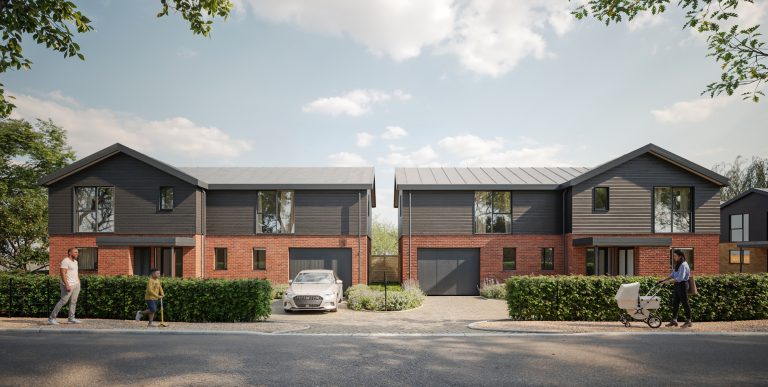
An outline planning application has been submitted by Bellway for a residential development of up to 260 homes on land south of Godmanchester. Bellway Strategic Land has lodged the proposals with Huntingdonshire District Council, seeking permission to build on a 25-acre site at Dexter’s Farm, located to the east of the A1198. The site sits immediately south of Bellway’s recently completed Whitehill Gardens development, where construction of 59 homes finished in 2025. It forms part of a wider area identified by the council for housing, with the potential to deliver around 520 homes to meet growing local demand. The proposed scheme includes a mix of one to four-bedroom properties, with 30 to 40 per cent earmarked as affordable housing, either for social rent or shared ownership. Plans also include more than six acres of public open space, featuring children’s play areas, walking and cycling routes, and new tree and hedgerow planting. — Advertisement —hss Fergus Thomas, Bellway Strategic Land Director for the Central region, said: “The site at Dexter’s Farm represents an opportunity to not only deliver high-quality new homes in a sustainable location close to our recently completed Whitehill Gardens development but also unlock a wider expansion of the town to meet the area’s housing and infrastructure needs. “Our application includes the provision of land for a new roundabout access onto the A1198, which will serve not just this development but the wider neighbourhood, and will also help to reduce traffic speeds into Godmanchester from 60 to 40mph. “Huntingdonshire District Council is facing a severe shortfall of new housing and there is a particular demand for affordable homes to address the council’s waiting list which has grown by more than 1,000 households in just five years. Our proposals would deliver a range of property types to meet demand from people in a wide variety of circumstances and at different stages in life. “Alongside this, the provision of new public open space and play areas would help to promote active and healthy lifestyles among new residents and the existing community, while new landscaping would create an attractive southern gateway into the town.” If outline planning permission is approved, a further reserved matters application would be required to determine the final number, design, and layout of the homes. Building, Design & Construction Magazine | The Choice of Industry Professionals

Read More »
Rolls-Royce SMR to start work on first UK modular reactors

Rolls-Royce SMR to start work on first UK modular reactors

Rolls-Royce SMR has signed a landmark agreement in the UK with Great British Energy – Nuclear (GBE-N) to begin work on three small modular reactors (SMRs) at Wylfa, on the coast of Ynys Môn. The contract enables immediate progress on site and marks a major step toward delivering what is expected to be Europe’s first fleet of SMRs. It provides the certainty needed for Rolls-Royce SMR to advance its site-specific design, order key components, and scale up recruitment to deliver the initial three units. The Wylfa project was first announced in November 2025 by UK Prime Minister Keir Starmer, who confirmed the site would host the country’s first SMRs. Chris Cholerton, Rolls-Royce SMR Chief Executive, said: “This contract unlocks the delivery of our first three units at Wylfa and is a tangible example of the Government’s ‘golden age’ of new nuclear being delivered successfully with British technology. “This brings certainty to the UK SMR programme and differentiates our business as the only SMR company with multiple commitments in Europe – an initial three units at Wylfa and up to six units in Czechia. “We are transforming the way nuclear projects are delivered, to give greater cost and schedule certainty with a standardised, factory-built approach. This project is important to the UK’s energy security and will power up our business and the UK supply chain.” The development is expected to create around 3,000 jobs locally at Wylfa and a further 5,000 jobs across the UK, boosting the domestic supply chain and nuclear workforce. Chancellor Rachel Reeves said: “This investment, along with vital financing from the National Wealth Fund, will strengthen our energy security, create skilled jobs and help to build a new generation of homegrown nuclear technology that will power our economy for decades to come. “We have the right economic plan – one where growth and clean energy go hand in hand – and one that will benefit everyone across the country.” Building, Design & Construction Magazine | The Choice of Industry Professionals

Read More »
£65m green light for Bradford mental health redevelopment with modular delivery

£65m green light for Bradford mental health redevelopment with modular delivery

A major healthcare redevelopment scheme in Bradford has secured £65 million in business case approval from the Department of Health and Social Care, paving the way for a significant upgrade to mental health facilities at Lynfield Mount Hospital. The project combines refurbishment and new-build elements, with plans to modernise existing wards while introducing a new two-storey extension. The scheme has been designed by P+HS Architects, with offsite specialist McAvoy appointed to deliver the build programme. Central to the development is the refurbishment of bedrooms across two wards, where en-suite facilities will be introduced to improve patient privacy and comfort. Alongside this, the new modular building will expand capacity and provide modern, purpose-designed clinical space aligned with current healthcare standards. The design has been shaped through close collaboration with service users, alongside clinical and estates teams from Bradford District Care NHS Foundation Trust. A strong emphasis has been placed on creating a therapeutic environment, with increased access to natural light, improved views and enhanced connections to outdoor spaces. Internally, layouts have been carefully planned to ensure clarity, ease of movement and a calm, supportive setting for both patients and staff. The use of offsite construction is expected to play a key role in accelerating delivery, reducing disruption on site and improving build quality. Modular techniques are increasingly being adopted across healthcare and public sector projects, particularly where speed, efficiency and consistency are critical. Therese Patten, chief executive of the Trust, described the approval as a major milestone, enabling the project to move forward into delivery. She noted that the redevelopment will significantly enhance the quality of care and environment for patients relying on the facility. The scheme reflects continued investment in healthcare infrastructure, with modern construction methods supporting the delivery of high-quality, patient-focused environments across the UK. Building, Design & Construction Magazine | The Choice of Industry Professionals

Read More »
Planning granted for Central Point, Walsall

Planning granted for Central Point, Walsall

Erdgard Developments are pleased to have secured detailed planning consent for their Central Point development at Willenhall Road, Walsall, and to announce an immediate start on site. The scheme will provide a total of 93,110 sq. ft in six units ranging from 5,880 sq. ft to 26,236 sq. ft built to BREEAM Very Good and EPC A standards. Site clearance works are underway, to allow MCS Group to start construction in May on a speculative basis, giving occupiers the ability to occupy units from February 2027. Gareth Williams, Director at Erdgard said “There is a lack of good quality new stock in the Walsall area and in the Black Country generally, so Central Point will deliver much needed Grade A space. A commitment to speculative development is a demonstration of confidence in this location and market, and we look forward to early occupier discussions.” Building, Design & Construction Magazine | The Choice of Industry Professionals

Read More »
TALO Appointed to Deliver Offsite Superstructures for First Residential Scheme in New Collaboration with Lucy Developments

TALO Appointed to Deliver Offsite Superstructures for First Residential Scheme in New Collaboration with Lucy Developments

TALO, the specialist in ultra-low energy offsite timber housing, has been awarded a £1.1m contract by Lucy Developments for a nine-home residential scheme in the canalside village of Wilstone near Tring in Hertfordshire. Moorings is the first project in a new long-term collaboration between the two companies, with further, larger residential sites already in the planning pipeline. TALO has been selected by Lucy Developments to facilitate the construction of ultra-low energy homes at scale, achieving shorter programmes, outstanding quality and greater cost certainty than traditional construction can offer for the same cost. The Moorings development will deliver nine two-storey homes – a mix of three and four-bed terraced properties and two four-bed detached homes. Greg Hilton, Head of Lucy Developments:“Moorings at Wilstone is an important project for us. The ability to deliver homes of this quality with much lower energy consumption in less time, is a significant advantage, both commercially and to achieve more sustainable development and construction. This is the first step in a wider partnership with TALO and we are now progressing plans for larger sites using their housebuilding solutions.” To accelerate delivery, the advanced timber superstructure from TALO will be manufactured offsite using high quality, slow-grown Nordic timber protected through a fully dry fabrication and installation process. This will further enhance thermal performance and avoid the common issue of wet timber needing to dry out. The structures will arrive on site in four phases by early this summer, pre-installed with a high level of insulation, plasterboard, timber cladding and triple glazing, ready for rapid assembly. This means all nine homes will be watertight in just one week per phase, allowing the contractor to start internal fitout at an earlier stage and with greater cost and programme certainty. TALO’s low carbon energy strategy has been specified in parallel with the highly insulated timber superstructure to minimise energy bills – a solar battery package to power hot water and electric underfloor heating and MVHR for enhanced air quality and a healthier internal environment. Dr Anthony Greer, Executive Director for Corporate Strategy at TALO: “This new partnership has been created to scale ultra-low energy housebuilding. Lucy Developments has a strong ethos around sustainability, quality and the long-term performance of the homes they build. This alignment makes our collaboration a fantastic fit. Our offsite superstructure solution and energy strategy will enable their development team to deliver ultra-low energy homes with far greater certainty, reduced build programmes, and enhanced air tightness and energy efficiency than is typically achievable with traditional construction for the same cost. By using TALO’s integrated solutions, Lucy can scale delivery, reduce risk and accelerate the provision of high-quality family homes to help meet the serious shortfall in new housing.” Lucy Developments is a long-established and sustainability-focused housebuilder and developer, delivering a wide range of homes for market sale and affordable housing. The Moorings project is the first of multiple planned sites and is part of Lucy’s vision to make TALO its preferred construction solution for ultra-low energy family homes. The homes were designed by architects Lewis and Hickey and the technical rationalisation was carried out by Trower Davies. The design reflects local architecture in the village and maximises views of the canal, with features including metal roofing, dark-stained timber cladding, red and buff-coloured brickwork, large triple-glazed windows, projecting bays, and first-floor balconies overlooking the water. TALO combines proven offsite technology from Finland with advanced design and manufacturing processes to build ultra-low energy homes. It partners with housing providers, architects, housebuilders and residential developers across the UK with the aim of increasing the productivity, cost efficiency, quality and sustainability of ultra-low energy, low-rise homes – whether for market sale, private rent, shared ownership, or affordable housing. For more information, see www.talo.co.uk or email hello@talo.co.uk. Building, Design & Construction Magazine | The Choice of Industry Professionals

Read More »
Momentum manage secures two management appointments across industrial and office sectors

Momentum manage secures two management appointments across industrial and office sectors

Leading North West property services company The Momentum Group has strengthened its portfolio with two new appointments across its property management company, Momentum Manage, further demonstrating the business’s expansion across brand new property sectors. The two new appointments include Graylaw Industrial Estate, which is Momentum Manage’sfirst appointment in the industrial sector. The estate is owned by Riverlow Group, a real estate investment and development company headquartered in London.   Momentum Manage’s second appointment is on 12 Temple Street in Liverpool, securing a five-year property management agreement for the city-centre office building. The building isoccupied by architectural practice Falconer Chester Hall and owned by Waterville Investments. The instruction strengthens the firm’s presence within Liverpool’s commercial office market. Jacqui Saunders, Property Management Director at Momentum Manage, said: “Being appointed to manage Graylaw Industrial Estate, our first instruction in the industrial sector, marks a major milestone in our growth. When I first joined the company, I highlighted the opportunity to expand our client base across the North West, and these appointments not only achieve that but also represent our first step into a new industrial sector for Graylaw. We are really strengthening our Manage portfolio across the UK, with the new office contract bolstering this too.”  Paul Falconer, Director at Waterville Investments Limited, added: “Choosing TheMomentum Group was a straightforward decision. A company that is based in Liverpool and has a reputation for the excellent work they do in the property management space, it was undoubtedly the right decision for us to take. We look forward to working with them on this excellent building in the centre of Liverpool.” These latest appointments for Momentum Manage follow further positive momentum across the wider business, with Momentum Build recently appointed by Freedom Leisure and Guildford Borough Council to deliver works for Puttify at the Guildford Spectrum leisure complex. This also follows its role in refurbishing Xplore! Science Discovery Centre, an educational facility in North Wales owned by Wrexham University. Building, Design & Construction Magazine | The Choice of Industry Professionals

Read More »
Siderise launches a new range of passive fire protection products for precast concrete façades

Siderise launches a new range of passive fire protection products for precast concrete façades

Siderise has launched its new PC-FS Firestop and PC-CB Cavity Barrier product range –  a passive fire protection  package developed specifically for precast concrete cladding systems. Siderise previously supported precast concrete façade applications with its CW-FS Firestop, delivering a fully compliant solution. However, due to growing demand for these durable and efficient-to-build external wall systems, Siderise reapproached this application to develop a dedicated solution that  has been comprehensively tested, whilst addressing the practical challenges associated with these systems, such as tight tolerances, limited access, complex interfaces and construction sequencing. The stone wool Lamella core provides built-in compression and, alongside a bracket-free fix for narrow voids, contributes to faster installation times compared to less compressible barriers. PC-FS Firestop and PC-CB Cavity Barrier can also be fit from above or below the slab — making them ideal where topside access is restricted, or when sequencing requires alternative installation approaches. Both products are tested to EN 1366-4 (Resistance to fire) and EN 13501-1 (Reaction to fire) standards, with supplementary fire test evidence  for precast concrete panel bracket penetration, end of flexible wall configuration, and firestop bracket securement to the underside of the slab edge to support a wider range of project conditions. The firestopping products, PC-FS60 and PC-FS120, offer third-party certified 1 and 2 hours of fire resistance, respectively, with the cavity barrier, PC-CB30, offering 30 minutes. As with all Siderise solutions, PC-FS Firestop and PC-CB Cavity Barrier are supported with comprehensive technical services and a suite of resources to assist with the specification process, including a specification pack containing all necessary technical information, and guidance on joints and complex details, such as blade column interfaces and other challenging geometries. Enquire today about the range and how it can benefit your project enquiries@siderise.com For more information about Siderise, visit siderise.com Building, Design & Construction Magazine | The Choice of Industry Professionals

Read More »
60-bed care home set to be built in Cheshire town following land sale

60-bed care home set to be built in Cheshire town following land sale

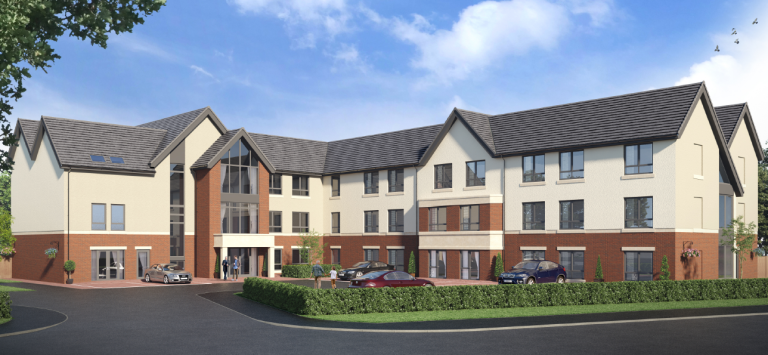
Specialist business property adviser, Christie & Co, has announced the sale of a development site in Widnes, Cheshire, with planning consent for a 60-bed care home. Once built, the care home will comprise 60 bedrooms with en suite, wetroom facilities, a cinema, a hair salon, a choice of lounge and dining rooms, and landscaped gardens. The strategic site, which fronts onto Warrington Road, has been cleared and is ready for development. It benefits from a central location in Widnes, within easy distance of the shopping centres, market, and A577 and A533. Planning consent was achieved in November 2024 by Care Developments Limited, which identified the site’s potential for elderly care use. Following an open sales process with Will Edwards at Christie & Co, the consented site has been sold to Dr Sanjay Agarwal of large regional care home operator, Danan Group.  David Wormald, Director at Care Developments Limited, comments, “I want to wish Sanjay and his team all the best with progressing this development.” Dr Sanjay Agarwal, Director at Danan Group, comments, “This acquisition marks another key step in Danan Group’s growth. We look forward to delivering a scheme that the community can be proud of.” Will Edwards, Senior Broker – Healthcare Development & Investment at Christie & Co, comments, “I’m pleased to have been able to assist in the disposal of this site to Danan Group, who are a highly respected regional operator that will bring excellent care to a largely undersupplied region of the UK. We look forward to working with Sanjay and his team as they continue the growth of their portfolio and increase their offering to residents in the North West.”   The site was sold for an undisclosed price. Building, Design & Construction Magazine | The Choice of Industry Professionals

Read More »
Building Effective Outdoor Offices in the UK

Building Effective Outdoor Offices in the UK

It is important to understand how work has changed in the UK, particularly with the rise of remote and hybrid working. As a result, there is now a huge demand for specialist workspaces that allow people to separate their work life and home life. An outside office directly on your property can be anything like a garden office, shed conversion, pod or cabin that provides UK workers with an office that is productive, secluded, and separate from the home without the need for a daily commute. Why UK Workers Are Moving Away from Home Offices Due to ongoing struggles with work-life balance and productivity, many UK workers are moving away from makeshift home offices. The average UK home size is about 818 square feet. Most homes do not have enough room to create a proper home office. As a result, space in areas such as the living room or bedroom is often sacrificed to accommodate one. Distractions at home such as family or household chores can affect your concentration. By working in an office outside the home, you are physically separated from your personal life and can help you compartmentalise your work and home life. This is important for mental health and allows a person to continue to be productive throughout the day. Dedicated internal office space is more of a luxury in UK homes than in many US homes due to their smaller size. Some households in the UK have multi-generational living arrangements which create demand for quiet workspace. Unseparated work areas may cause burnout and an inability to switch off from work at the end of the day. The Practical Advantages of Outside Office Structures Outdoor office structures are highly practical, particularly within the UK context. Modern designs have insulation and heating for use all year round despite the weather. Most garden offices can be constructed without planning permission by adhering to certain specific regulations, including not exceeding 2.5 metres in height when located within 2 metres of a boundary. This makes installation easier for homeowners. You can be comfortable in one of these garden offices throughout the year due to their strong insulation and double glazing, as well as their use of heating solutions that make them very viable even during the colder months in the UK. If you follow the guidelines set out, you will find that most garden offices fall under Permitted Development rights and so you can avoid a long-winded and tricky planning permission process. Compared to various costs for renting a coworking space in London, which vary from £1,620 to £4,308 annually per person, a garden office is a long-term investment likely to pay for itself. A top-notch garden office can enhance your property value by a whopping 5 – 15 percent. Customization and Productivity Benefits Flexible design allows workers to tailor an outside office to their preferred working style. Whether a studio for creatives, a consulting room or a high-tech set-up for software development, the setting can be optimized without compromising on features and aesthetics of the home. Ergonomic set-ups can be totally integrated, creating a more health-friendly workspace without the trade-offs typically experienced in home spaces. Internet connectivity, lighting, and sound quality can be optimised to maximise productivity and improve video call performance. Environmental and Lifestyle Benefits When working remotely, you reduce your environmental impact by avoiding the need to drive to work. The average round-trip commute in the UK is 58.8 minutes. Removing this journey saves both time and carbon emissions. Less time spent travelling reduces the carbon footprint and limits the stress levels of the worker. Research shows that exposure to natural light and outdoor space can positively impact mental health and productivity. The use of green materials that are popular in the UK market makes for sustainable building options. Reduced travelling in vehicles leads to lower fuel emissions and less air pollution. Being exposed to natural light from an external office can set the body’s natural clock so that one sleeps better and is mentally healthier. Making that physical commute to a garden office gives a clear psychological separation. It mimics an end of the day ritual. In turn, it enhances your work-life balance. The 15-Minute Boundary Framework: A Decision Model for Outside Offices The 15-Minute Boundary Framework provides a structured approach to assess whether an outside office makes financial and practical sense for UK workers. This model focuses on three 15-minute factors to quantify the benefits and justify the investment. Current ‘Commute’ from Bedroom to Workspace: Quantify the psychological and physical transition time currently lost. If this “commute” is less than 15 minutes, an outside office creates a necessary deliberate separation.Time Spent Managing Household Distractions Daily: Estimate the cumulative minutes lost to interruptions like family, chores, or deliveries. Reclaiming 15 minutes of uninterrupted focus daily can significantly boost productivity.The Break-Even Point: Calculate the investment return based on reclaimed productive time. If reclaiming just 15 minutes of high-value work per day justifies the cost over a 3-year period, the investment is sound. For instance, a consultant who charges £75 an hour spends £15,000 on a garden office. If they manage to reclaim just 20 minutes of productivity each day by removing distractions and providing themselves a workspace, the extra money they gain from that is £25 per day (£75/hour * 20/60 hours). Over two years’ worth of working days (590), this reclaimed time equates to approximately 28 months and generates a saving of £14,750. This saving approaches the break-even point of the original investment. This framework shows that the value extends beyond convenience. Conclusion: Is an Outside Office Right for You? For remote workers, freelancers, and small businesses in the UK, an outside office can be more than a convenient perk. It is a smart investment in productivity, health, and value. The hybrid working movement sees 40% of UK workers projected to work remotely in 2026, highlighting the need for distraction-free workspaces. Given the compact nature of UK homes and the mental health benefits of physically separating

Read More »
Conveyancing Explained: A Buyer’s Guide to Smooth Property Transfers

Conveyancing Explained: A Buyer’s Guide to Smooth Property Transfers

Buying property involves more than agreeing on a price. Legal ownership must move from the seller to the buyer through a formal process called conveyancing. This legal procedure verifies the property’s status, prepares the required documents, and ensures the transfer follows local property laws and registration requirements. For many buyers, the legal side of a property purchase can feel unfamiliar. Contracts, searches, approvals, and settlement timelines all play a role in completing the transaction. Each step helps confirm that the property can legally change hands and that the buyer receives clear ownership without hidden legal concerns. A clearer understanding of conveyancing helps you approach the purchase with greater confidence and fewer surprises during the process. Read on to learn how conveyancing works and how you can support a smoother property transfer from offer to final ownership. What Conveyancing Means in a Property Purchase Conveyancing refers to the legal process that transfers property ownership from the seller to the buyer. It confirms that the property can legally change hands and that the buyer receives a valid title. To clarify how conveyancing functions during a purchase, the following elements explain its main purpose and responsibilities: Legal transfer of ownership The central goal of conveyancing is to move legal ownership of the property to the buyer. This involves preparing transfer documents, verifying property records, and submitting the required paperwork to the appropriate land registry. Once the documents are approved and recorded, the buyer becomes the official owner in government records. Protection for both buyer and seller Conveyancing includes checks that confirm the seller has the legal authority to transfer the property. Title records, existing claims, and other legal matters are reviewed to prevent future disputes. These checks help ensure that the buyer receives ownership without unresolved legal issues tied to the property. Involvement of legal professionals Property transfers involve detailed documentation and coordination between several parties. A qualified conveyancer often manages these responsibilities, reviewing legal records, preparing official forms, and handling communication related to the transaction. Their role helps ensure the documentation follows legal requirements and remains accurate throughout the process. Key Stages in the Conveyancing Process After a seller accepts an offer, the legal transfer moves through several structured steps before ownership changes hands. Each stage confirms details about the property and prepares the transaction for completion. To understand how the process progresses, the following stages highlight key points buyers usually encounter during conveyancing: Contract review The contract of sale outlines the terms of the property purchase, including the agreed price, settlement timeline, and specific conditions attached to the sale. Legal representatives examine the document to confirm that the details are accurate and that the terms reflect what both parties agreed upon. Any unclear clauses or additional conditions are addressed at this stage so the buyer understands the obligations before signing. Property searches and legal checks Several official searches are conducted to confirm important information about the property. These checks may include local council records, zoning classifications, and planning restrictions that could affect how the property can be used in the future. The results help confirm whether there are legal matters connected to the property that require attention before the purchase continues. Settlement and ownership transfer Settlement marks the final stage of the transaction. Funds are transferred to the seller, and the required legal documents are submitted to the land registry so the ownership record can be updated. Once the registration is completed, the buyer becomes the recognized legal owner of the property. Common Issues That Can Delay Property Transfers Even with a structured legal process, certain complications can slow a property transfer. Some delays occur because information needs further verification before the transaction can proceed. Understanding these situations helps buyers anticipate where extra time may be required. One common cause involves incomplete or incorrect documentation. Missing signatures, outdated records, or inaccurate details can prevent documents from being accepted by the relevant authorities. As a result, paperwork may need corrections and resubmission before the process can continue. In other cases, issues appear during official property searches. Records may reveal zoning limits, unpaid local charges, or planning matters connected to the property. When this happens, the parties involved must review the findings and determine how the issue will be addressed before the transfer moves forward. Financing timelines can also affect the overall schedule. Lenders sometimes request additional financial records, property assessments, or updated valuation reports before releasing loan funds. Until those requirements are satisfied, the transaction cannot reach the final settlement stage. Practical Tips for a Smooth and Efficient Conveyancing Experience A well-organized approach can help keep a property purchase moving steadily from agreement to completion. While legal professionals manage many technical requirements, buyers still play an active role throughout the process. Clear preparation and timely responses often help prevent unnecessary slowdowns. First, selecting an experienced conveyancer or property solicitor can make a significant difference in how efficiently the process moves forward. An experienced professional can review documents carefully, coordinate with other parties involved in the transaction, and identify potential concerns early. Their familiarity with property procedures helps maintain steady progress toward settlement. In addition, preparing personal and financial documents early helps avoid last-minute delays. Identification records, proof of funds, and loan-related paperwork are often required during different stages of the purchase. Having these materials ready allows requests from lenders or legal representatives to be addressed without waiting for additional paperwork. Another helpful practice involves reviewing all agreements carefully before signing. Buyers benefit from taking time to understand contract terms, timelines, and any special conditions connected to the purchase. Raising questions early allows adjustments or clarifications before the agreement becomes final. Final Thoughts Conveyancing plays a central role in every property purchase. It ensures that ownership transfers legally, documentation is properly prepared, and both parties meet the conditions of the sale. When buyers understand how the process works, they can move through each stage with greater confidence.


Read More »