
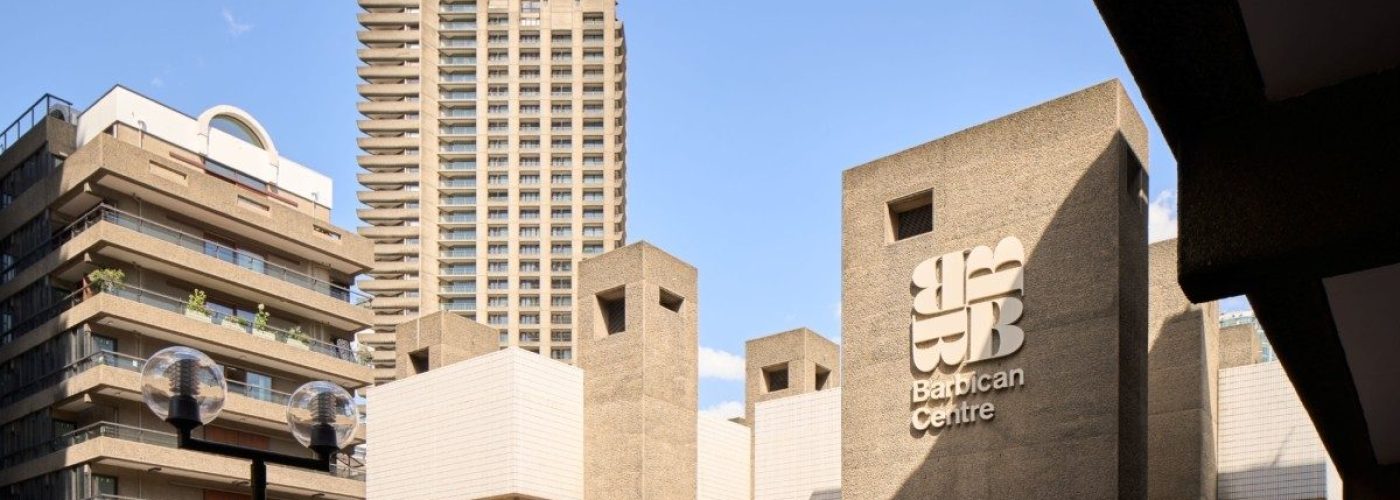


The landmark renewal of London’s iconic Barbican Arts Centre is gathering pace, with the value of planned upgrade works to the value of £170m as the City of London Corporation prepares for the next phase of the ambitious regeneration programme.
A series of new procurement notices released this week has revealed the scale of the investment planned across the Grade II-listed Brutalist complex, with major contractors and specialist consultants now expected to be lined up for a range of high-profile packages.
Alongside this, an additional £60m infrastructure package is also being prepared, while a further £50m programme will focus on the overhaul of the Barbican Conservatory — one of the capital’s most recognisable indoor gardens and public attractions.
Other planned works include a £30m refurbishment of foyers and circulation areas aimed at improving accessibility and visitor experience.
The procurement drive follows planning approval earlier this year for the wider first phase of the Barbican Renewal Programme, a £231m retrofit-led scheme designed by Allies and Morrison alongside Asif Khan Studio and engineering consultancy Buro Happold.
The broader programme aims to modernise the internationally recognised arts and cultural venue while preserving its historic architectural character through a sensitive refurbishment approach focused on repair, restoration and infrastructure renewal.
Plans include significant improvements to accessibility, environmental performance and public spaces, alongside the replacement of outdated building systems that have supported the complex since the 1980s.
Major construction works are expected to begin in late 2027, with many Barbican activities temporarily paused between 2028 and 2029 during the most intensive stages of the programme.
The project represents one of the UK’s largest and most technically complex retrofit and cultural infrastructure programmes currently in development, highlighting the growing focus on preserving and modernising nationally important heritage assets through long-term sustainable investment.
Building, Design & Construction Magazine | The Choice of Industry Professionals