

The decision to build a home is one of life’s most significant investments. With the financial stakes and personal implications so high, the choice of a builder can be the difference between a dream realized and a stressful ordeal. In today’s dynamic construction market, savvy comparisons must go beyond simple price checks. The process should involve a thorough evaluation of reputation, expertise, business practices, and long-term reliability.
Here’s what to look for when comparing home builders today.
Verifying Builder Credentials, Stability, and Reputation
A builder’s credentials and reputation form the bedrock of any sound hiring decision. Financial stability has emerged as a critical priority, with the recent collapses of several new home construction companies underscoring the risks involved. Homeowners should inquire about a builder’s longevity, as it typically correlates with financial health and the ability to honor future warranty claims. Below are some factors to consider:
- Essential licensing and insurance: Confirming that a builder holds a valid state license and carries appropriate insurance is non-negotiable. This includes both public liability and workers’ compensation insurance, which protects the homeowner from liability for on-site accidents. Each state maintains an online register, where this information can be verified.
- The power of due diligence: A builder’s reputation is best assessed through multiple channels. Any reputable builder should be willing to provide references from past clients. Speaking directly to these references offers invaluable insights into the builder’s communication, reliability, and quality of work. It’s also advisable to read independent online reviews and even consult with local real estate agents, who may know which builders consistently produce high-quality, desirable homes.
Lastly, prospective homeowners can start their search with local industry directories and resources like https://www.service.com.au/find/builders/perth-wa, which can provide an initial list of local professionals.
Assessing Quality, Specialization, and Style Alignment
The true measure of a builder is the quality of their finished product. Specialization also matters as a builder’s adept at constructing first-home owner projects may not have the expertise for a complex, luxury custom home. For instance, a portfolio of completed projects is a good start, but a physical inspection is far more revealing. Homeowners should ask to visit completed homes to inspect the quality of finishes, cabinetry, trim work, and paint. For a project like a luxury custom home, choosing a builder with a proven local track record in that specific niche is crucial.
Furthermore, it’s essential to understand what a builder’s standard quote includes and the flexibility they offer for customization. Some builders work from fixed design selections with limited variations, while others, particularly custom builders, offer a collaborative design process. Clarifying these parameters upfront can help prevent misunderstandings and ensure the builder’s capabilities align with the homeowner’s vision.
Understanding Contracts, Communication, and Project Management
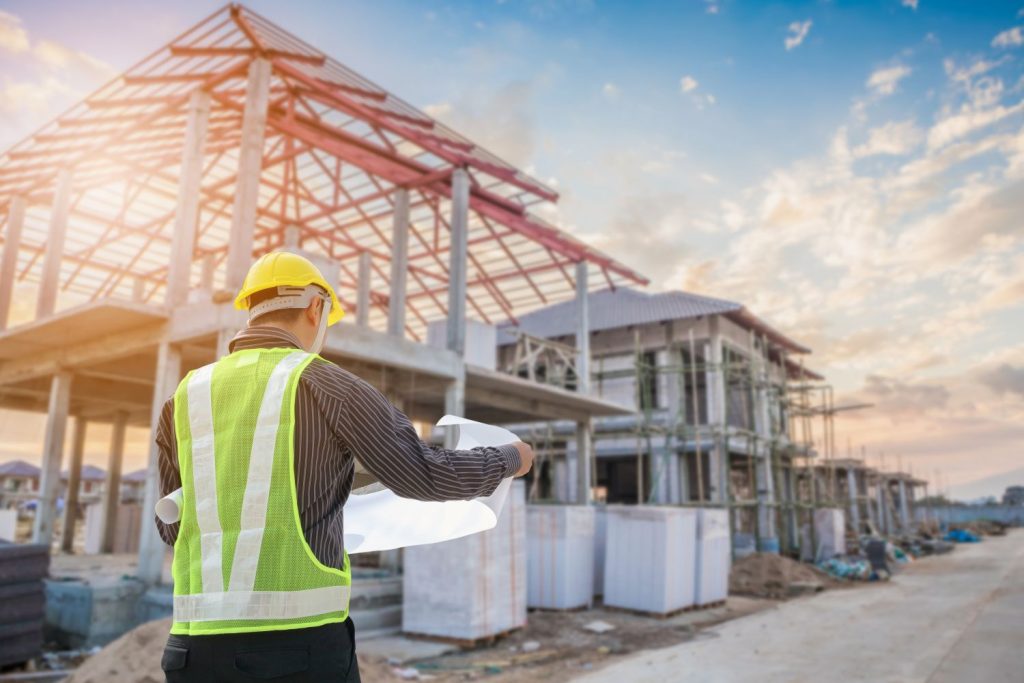
The contractual and working relationship defines the building experience. A clear, detailed contract and a compatible communication style are vital for a smooth process. Below are some things to consider:
- The importance of a detailed contract: A professional builder will always provide a comprehensive written contract. This document should clearly outline the scope of work, payment schedule, agreed timeline, and details of all warranties. Homeowners should be wary of any builder who suggests a formal contract is unnecessary. Understanding the type of contract, whether it’s a fixed-price or cost-plus arrangement, is also critical for budget management.
- Communication and management style: The builder’s approach to communication and site management can directly impact the homeowner’s experience. Key questions to ask include: Who will be the main point of contact? How often will progress updates be provided? How are changes or issues handled during construction? Some homeowners prefer the personal service of a smaller builder who may provide a single, consistent site supervisor, while others may prioritize the systems and scale of a larger company. Trusting one’s instincts about personal compatibility with the custom home builder is also essential, as the relationship will last many months.
Understanding these factors can help homeowners compare home builders more effectively.
Evaluating Costs, Timelines, and Value
While budget is a primary concern, the cheapest quote is rarely the best value. A comprehensive comparison must consider what is included, the quality of materials, and the builder’s track record for on-time completion. Here are some things to keep in mind:
Beyond the Base Price
When comparing quotes during the homebuying process, it is imperative to ensure they are for identical scopes of work, including the same floor plans and specified building materials. This precise comparison is a crucial step in the current housing market, where clarity prevents future financial strain.
Many first-time builders underestimate the full budget by overlooking site costs, landscaping, fencing, and utility connection fees. A realistic budget, foundational to a sound homebuying process, should include a contingency buffer of approximately 15-20% for unexpected expenses, especially given fluctuating costs for labor and building materials.
Realistic Scheduling and Location Expertise
Builders should provide a clear estimated timeline for completion. Furthermore, a builder’s experience in a specific geographic area can be a significant advantage. Local home builders are familiar with council regulations, soil conditions, and have established relationships with local suppliers and subcontractors, which can help mitigate delays and control costs.
Key Takeaway
Comparing home builders today requires a multifaceted approach that balances objective due diligence with subjective assessment of trust and compatibility. By keeping the information mentioned above in mind, homeowners can make an informed choice. This diligent process can transform the selection from a daunting task into a foundational step toward a successful and satisfying home-building journey.