



Selecting the appropriate ladder is crucial for ensuring safety and efficiency in construction tasks. By understanding the various types of ladders and their specific applications, you can significantly reduce risks associated with ladder use. This guide explores how to choose the right ladder for different jobs, safety standards, and innovations enhancing ladder safety.
Ladders are indispensable tools in the construction industry, offering accessibility and convenience for numerous tasks. Despite their utility, improper use can lead to severe accidents, underscoring the need for stringent safety measures. In this context, ladders for sale are not merely products but potential hazards if misused. Understanding and adhering to established safety standards is vital for protecting workers and ensuring smooth project execution.
Key Considerations for Choosing the Right Ladder
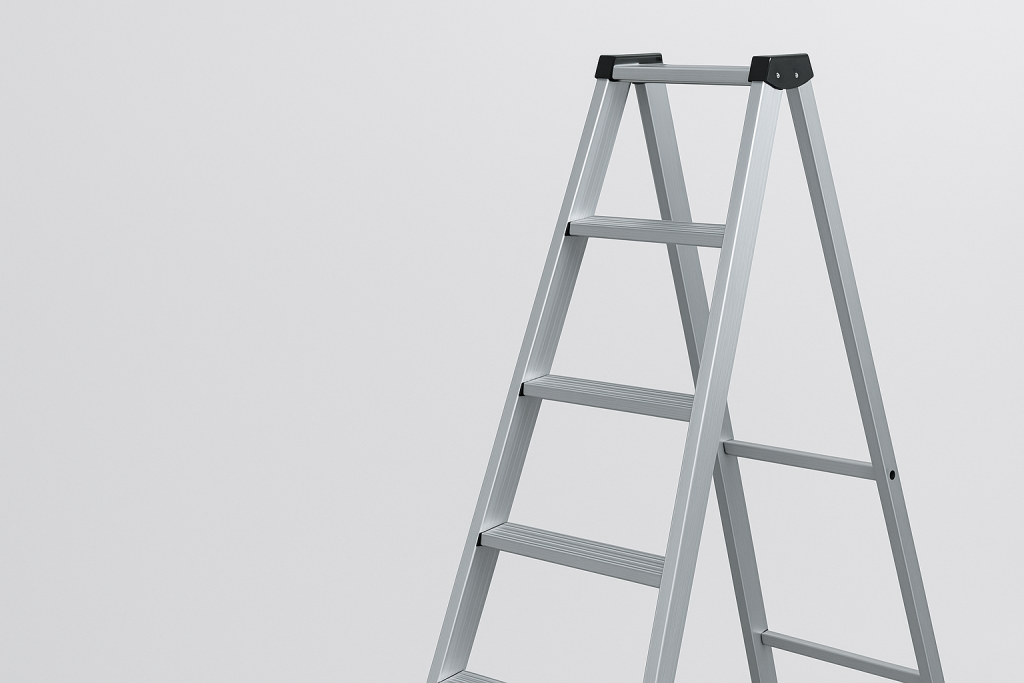
When selecting a ladder, it is essential to consider the specific requirements of the task at hand. Different construction tasks require specific types of ladders, each designed for particular applications. Step ladders are ideal for tasks requiring stability at moderate heights, offering a self-supporting structure that makes them versatile for indoor use. Meanwhile, extension ladders are suited for reaching elevated areas such as rooftops or high ceilings, thanks to their adjustable length.
Roof ladders provide additional safety when working on sloped surfaces by incorporating hooks that secure the ladder to roof ridges. Choosing the appropriate ladder type enhances worker safety and efficiency by matching the task’s requirements with the ladder’s capabilities. It is crucial to evaluate each task’s environment and demands before selecting a ladder to ensure optimal safety and functionality.
Safety Standards for Ladder Use
In the construction industry, adherence to safety standards is essential. These standards encompass guidelines from organizations like OSHA (Occupational Safety and Health Administration) that dictate how ladders should be used on-site. Compliance ensures that ladders are used correctly, reducing the likelihood of falls and injuries. Guidelines stipulate the correct angle at which extension ladders should be placed and require regular inspections to identify any wear or damage.
The importance of these regulations cannot be overstated as they safeguard both workers and project timelines. Non-compliance not only endangers lives but can also lead to costly legal repercussions and project delays. Therefore, integrating these standards into daily operations is essential for maintaining a safe working environment. Training sessions and regular audits help reinforce these practices among workers.
Best Practices for Safe Ladder Use
Implementing best practices for ladder use significantly minimizes the risk of accidents on construction sites. Always inspect ladders before use to check for any structural defects or damage. Proper setup involves placing the ladder on stable ground and ensuring it is at an appropriate angle; for extension ladders, this typically means a safe ratio of distance from the wall to height.
Furthermore, maintaining three points of contact while climbing ensures better stability and reduces fall risk. Avoid overreaching or carrying heavy tools while on a ladder, as these actions can destabilize it. By following these best practices, including using Trade Products Direct resources effectively, you enhance overall site safety and prevent unnecessary incidents.
Innovations in Ladder Design
Recent advancements in ladder technology have introduced features that enhance both safety and usability in construction settings. Modern ladders often include slip-resistant rungs and feet, improving grip on various surfaces. Some models come with integrated platforms or tool trays that facilitate easy access to equipment without compromising stability.
Manufacturers are continuously developing lighter yet stronger materials that make ladders easier to transport while maintaining durability. Additionally, smart ladders equipped with sensors provide real-time feedback on weight distribution, alerting users if they exceed safe usage parameters. These innovations not only improve worker safety but also increase productivity by allowing more efficient task execution. Additionally, roof ladders have benefited from lightweight materials that make them easier to maneuver on inclined structures. Similarly, step ladders now feature ergonomic steps that lessen user fatigue during prolonged tasks. Advanced technology also refines extension ladders, offering improved stability when working at significant heights.