

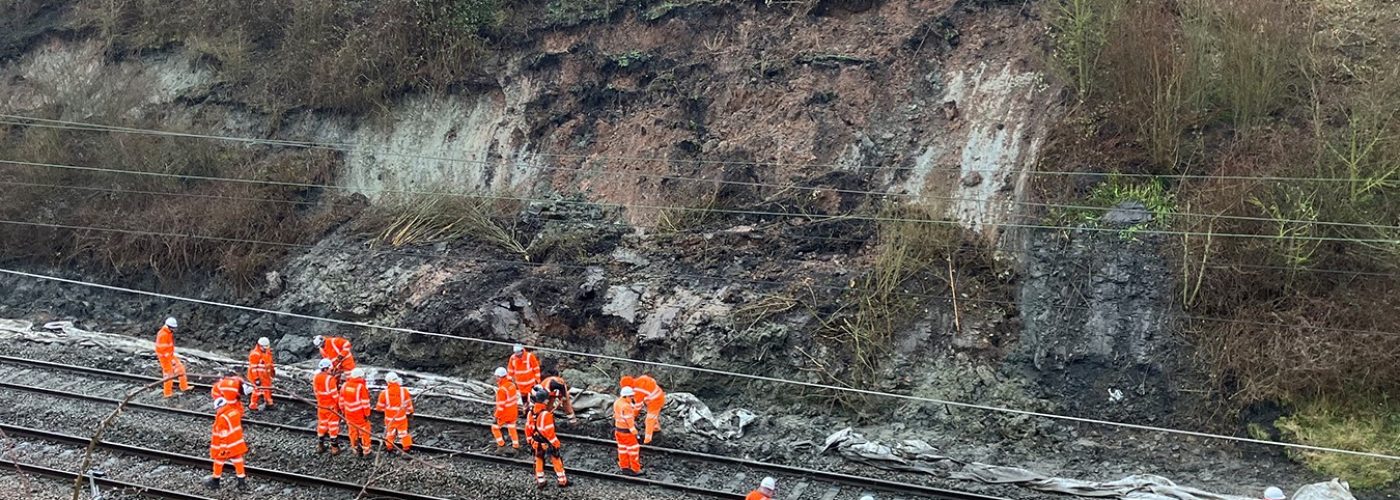


Critical infrastructure in the construction and utilities sector includes transportation corridors and underground networks that support homes and businesses. These systems form the backbone of daily operations, but as urban areas expand and rural development pushes into unstable terrain, their exposure to natural ground risks increases.
Rapid population growth and land use changes often lead to building in zones prone to landslides and erosion, conditions that were once rare but are now widespread. Across dense cities and remote regions, geohazards are no longer outliers. They’re a recurring challenge that affects the integrity and longevity of infrastructure.
Overlooked Ground Risks That Create Planning Blind Spots
Nearby project history doesn’t ensure consistent soil behavior across a new site. Several low-grade ground issues, such as minor settlement and poor drainage, often combine over time and create larger structural problems. Urban fill areas may conceal buried debris, organic matter or loose materials that weaken load-bearing capacity.
Safety planning is central to organizing urban centers against the risks they face while aligning actions that strengthen and improve long-term resilience. Existing subsurface utility crossings can also disturb the surrounding soil, which makes it harder for the ground to support new loads. Previously developed land may appear stable, yet it can create a false sense of security when underlying conditions remain unverified.
Common Geohazards That Impact Infrastructure
Geohazards take many forms, and their impact depends on local soil conditions and surrounding development. Even small shifts in the ground can lead to major damage when infrastructure systems aren’t designed with these risks in mind.
Landslides and Slope Failures
Landslides often result from prolonged rainfall or heavy structural loads placed on already unstable slopes. When slopes fail, they can displace roadbeds or shear off hillside utility lines with little warning.
These ground shifts create expensive and hazardous disruptions, particularly along transportation corridors where repairs may be short-lived if slope tension isn’t properly resolved. In regions with recurring slope movement, temporary fixes frequently give way to repeated failures. This highlights the need for permanent drainage control, soil stabilization and long-term monitoring.
Soil Erosion
Soil erosion is a common hazard near coastlines and poorly drained lots, where water flow gradually wears away the surface and subgrade layers. This steady degradation can expose building foundations and weaken the structural base of roads and utility corridors.
Infrastructure in these areas often faces foundation exposure or slope instability, which leads to reduced load-bearing capacity and eventual structural failure. Road shoulders may crumble or wash out, while buried lines can shift or become exposed as supporting soil is lost. Over time, even minor erosion can trigger major damage if not identified and mitigated early through proper grading and reinforcement.
Seismic Risks and Ground Liquefaction
Seismic activity poses a major threat to infrastructure, especially in retrofits and utility relocations where older systems may lack flexibility. Ground shaking or liquefaction can buckle rail lines and shift entire substructures within seconds.
In some regions, the threat isn’t just natural. Around 23% of human-induced earthquakes are linked to dams, where water seepage into underground cracks increases pressure along fault lines. These compounded stresses can create sudden, large-scale ground movement that existing infrastructure isn’t designed to withstand. When development occurs without seismic adaptation, the consequences can be immediate and severe.
How These Hazards Damage Roads, Railways and Utilities
Translational landslides can cause widespread infrastructure failure, especially along transportation corridors and utility routes. The failure process typically begins with sliding at the slope crest under external loads, which then drives the lower soil mass downslope. This ground movement results in pavement cracking and misaligned tracks caused by creeping slopes or shifting foundations.
Pipelines laid across unstable ground are particularly vulnerable, often breaking under soil pressure and causing water or gas leaks that pose serious environmental and safety risks. After such events, service interruptions and access delays are common, which complicates emergency response and long-term repair efforts.
The Climate Connection
Climate change amplifies geohazard risks by destabilizing the natural balance between soil, water and temperature. More frequent storms lead to rapid saturation and runoff, eroding slopes and weakening the ground beneath roads and buried utilities. Prolonged droughts dry out clay-rich soils, which causes shrinkage and ground movement that strains foundations and pipeline joints.
In many regions, fluctuating groundwater levels cause more subsidence and slope instability than ever before. Northern climates face additional pressure from increased freeze-thaw cycles, which expand and contract pavement and subgrade materials. These patterns turn once-manageable geohazards into persistent threats that demand updated engineering and maintenance strategies.
Site Investigation and Risk Mapping
Geotechnical surveys are critical to infrastructure mapping, offering a clear view of subsurface conditions that can affect long-term performance. These assessments include soil bearing capacity, settlement potential and other key factors that influence structural design. Soil boring data reveals how different layers respond under load, which helps engineers avoid costly surprises after construction begins.
Alongside traditional surveys, modern tools like satellite imagery help identify high-risk corridors and topographical vulnerabilities across large project areas. Factoring in hydrology and seasonal ground behavior is essential, especially for sites exposed to fluctuating water tables or freeze-thaw cycles. Early detection of potential ground hazards improves safety and delivers significant cost savings over the life of the project by preventing emergency repairs and system failures.
Engineering and Construction Best Practices
Using strategies tailored to local soil conditions and environmental pressures allows infrastructure systems to better withstand shifting ground or seismic movement. The following best practices help protect roads and utilities from ground-related threats:
- Preventive design approaches: Use retaining walls or reinforced slopes to stabilize terrain before building. Include subsurface drainage and erosion control to reduce water pressure on critical areas.
- Resilient utility design: Choose flexible pipe materials with join systems that can absorb ground movement. Avoid rigid connections in high-risk zones and consider elevating or rerouting utilities in unstable soils.
- Road and rail adaptation techniques: build on stabilized subgrades with proper compaction and reinforcement. Use expansion joints and smart drainage to handle water runoff and soil changes.
- Deep foundation systems for poor soils: When shallow foundations are at risk, use drilled piers or ground improvement methods to transfer loads to more stable layers.
- Use of geosynthetics and soil stabilization materials: Apply geotextiles or chemical treatments to strengthen weak soils, especially under pavements or embankments.
Monitoring and Maintenance Over Time
Monitoring ground conditions over time is essential for keeping infrastructure safe and operational. Ground movement sensors and wireless telemetry systems allow for real-time data collection across remote or high-risk areas. This telemetry integrates seamlessly with cloud-based platforms, which transform roads and utility corridors into cyber-physical systems capable of automating inspections and alerts.
After heavy rainfall, targeted site checks in vulnerable zones help confirm slope stability and drainage performance. Seasonal review cycles are also critical, particularly for sloped corridors and utility trenches that experience soil shifts with temperature or moisture changes. Vegetation control, often overlooked, is key to maintaining embankment integrity by preventing root systems from loosening compacted soil.
Implications for Green Homes and Sustainable Infrastructure
Sustainable housing depends on stable ground systems just as much as energy-efficient design. Poor soil conditions can silently undermine even the best-performing homes, causing foundation cracks, shifting walls or utility damage over time.
Drainage and erosion control are especially critical in passive designs, where water infiltration or slope failure can disrupt insulation or structural performance. Permeable pavements and other green infrastructure features must be matched to the site’s soil absorption capacity to avoid pooling or runoff. Without proper geotechnical evaluation, even well-intentioned green builds can suffer long-term structural setbacks.
Ground Truths Every Project Needs to Address
Geohazards remain one of the most overlooked threats to infrastructure, but they are manageable with the right approach. Proactive site analysis and resilient design can prevent ground-related failures before they start. Protecting infrastructure from the ground up delivers long-term stability and savings across transportation, utility and housing projects.