



In the construction industry, advanced roofing diagnostics are becoming essential. New technologies are changing how roofing issues are identified and fixed. Staying updated with these advancements is crucial for maintaining a competitive edge.
Advanced roofing diagnostics are reshaping traditional practices in the construction sector with modern solutions. As buildings become more complex, the need for precise and efficient diagnostic methods grows. Innovations like thermal imaging and drone surveys have made these diagnostics more accessible and effective. By embracing these advancements, you can enhance accuracy and streamline operations across various projects. Companies like NWIR are at the forefront of these innovations, offering cutting-edge solutions for the industry.
Technologies driving roofing diagnostic advancements
Thermal imaging has revolutionised roofing diagnostics by providing non-invasive methods to detect moisture and insulation issues. This technology allows you to identify hidden problems without dismantling parts of a structure. By analysing temperature variations on roof surfaces, contractors can pinpoint potential leaks or insulation failures with precision. The ability to see beneath the surface without physical disruption significantly improves both speed and accuracy.
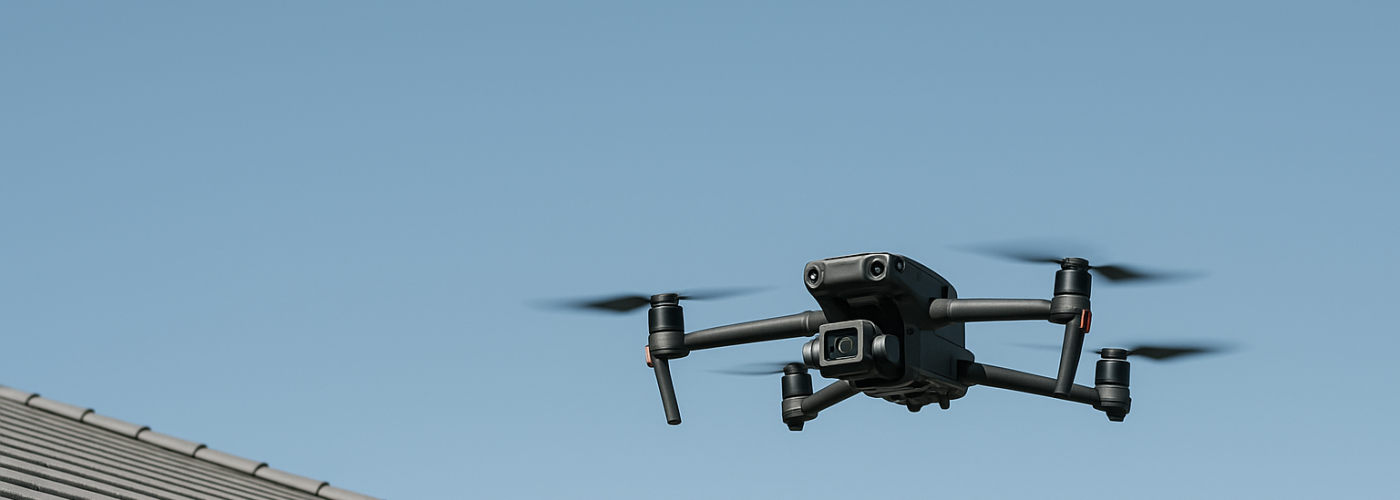
Drone surveys offer another leap forward in roofing diagnostics, allowing for comprehensive aerial inspections that were previously challenging. With drones, you can capture high-resolution images and videos, offering a complete view of the roofing area. This method saves time and reduces safety risks associated with manual inspections. By combining drone imagery with data analytics, you gain insights into structural integrity and potential problem areas that might otherwise go unnoticed.
Moisture meters and infrared sensors complement thermal imaging by providing detailed readings of water infiltration and humidity levels within roofing systems. These handheld devices enable you to conduct targeted investigations in specific areas flagged by broader diagnostic scans. When combined with digital reporting systems, the data collected can be stored and analysed over time to track deterioration patterns and predict maintenance needs. This layered approach to diagnostics ensures that no potential issue escapes detection, allowing for comprehensive roof health assessments that support long-term asset management strategies.
Benefits of advanced diagnostics in construction
Integrating advanced roofing diagnostics into construction projects brings numerous advantages. Primarily, these technologies lead to significant cost savings by reducing the need for extensive manual labour and minimising material wastage. Identifying issues early through precise diagnostics helps you avoid expensive repairs later. Additionally, the efficiency gained through technology can lead to shorter project timelines, benefiting both contractors and clients.
Moreover, advanced diagnostics enhance decision-making by providing detailed data that informs strategic planning and resource allocation. When you leverage these insights effectively, project managers can better anticipate needs and adjust schedules accordingly. This proactive approach fosters a more efficient workflow, enabling you to deliver higher quality outcomes while maintaining budgets and deadlines.
Environmental sustainability is another significant benefit of implementing advanced roofing diagnostics in modern construction. By accurately identifying problem areas and enabling targeted repairs, you reduce material waste and minimise the environmental impact of unnecessary replacement projects. These technologies also help optimise energy efficiency by detecting insulation deficiencies and thermal bridging that contribute to heat loss. As building regulations increasingly emphasise environmental performance, the ability to document and improve a structure’s thermal envelope through precise diagnostics becomes invaluable for meeting compliance standards and achieving green building certifications.
Real-world applications and future trends
The practical implementation of advanced roofing diagnostics has shown impressive results in various construction projects. Large-scale commercial developments have benefited from reduced overheads and improved project delivery times by employing these technologies early in the planning phase. This not only mitigates risks but also boosts client satisfaction by ensuring timely completion.
The future of roofing diagnostics is promising, with potential innovations set to further transform construction practices. Emerging technologies like AI-driven analytics promise to enhance data interpretation, offering predictive insights that help anticipate future challenges. You may soon find AI integrated into diagnostic tools to automatically assess risks and recommend preventive measures. Staying informed about these developments will be crucial for maintaining a competitive edge in the construction industry.