
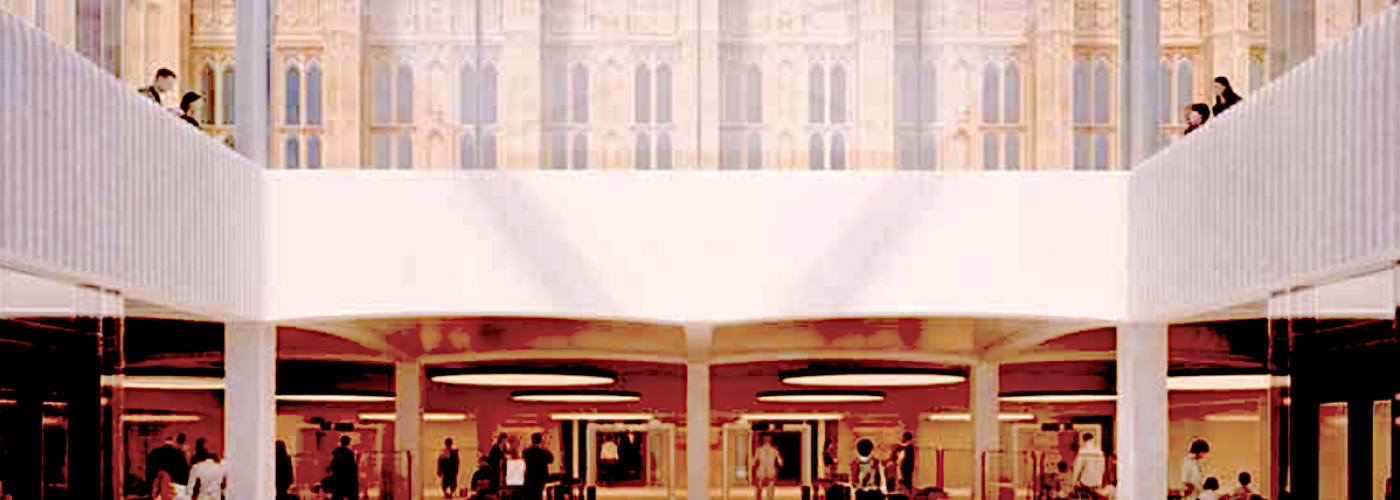


MPs and Peers are being urged to approve a £3bn programme of early works designed to stem the rising cost of repairs at the Palace of Westminster and pave the way for the largest restoration project in its history.
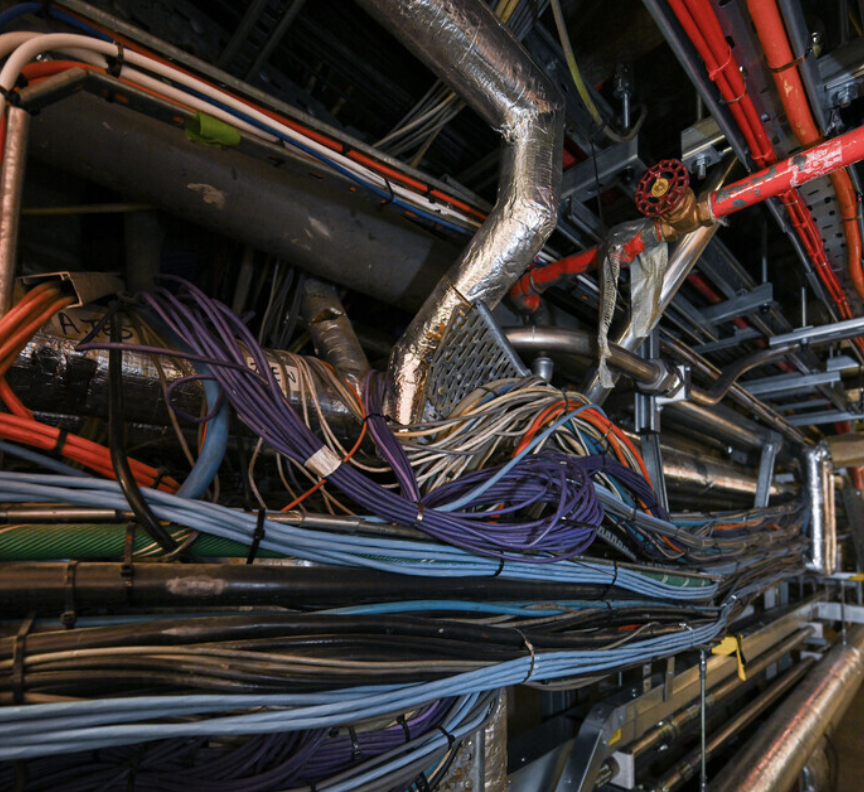
A new report from the Parliamentary Restoration and Renewal Client Board sets out a proposed seven-year phase one programme of enabling and preparatory works. The aim is to reduce reliance on costly reactive maintenance, stabilise ageing systems and buy time while Parliament reaches a final decision on how the main restoration should be delivered.
Under the plan, preparatory work would begin immediately, narrowing the long-running debate to two remaining delivery options by 2030.
The first option would see both the House of Commons and the House of Lords fully decant from the Palace, allowing the building to be stripped back and restored in a single, continuous programme. While politically challenging, this approach is considered the safest and most cost-effective, with an estimated duration of up to 24 years and a projected cost of close to £12bn.
The alternative is an enhanced maintenance and improvement option, which would keep Parliament operating within the Palace while works are carried out in multiple phases. This approach would require MPs and Peers to move between temporary chambers, including relocating the House of Lords to the QEII Centre for up to 13 years. The phased approach would significantly extend the programme, potentially running for as long as 61 years, with costs rising towards £39bn.
| Category | Full decant | Enhanced maintenance and improvement (EMI+) | Comparison |
|---|
| Total cost | £8.4–11.5bn | £11.8–18.7bn | EMI+ significantly more expensive overall |
| Total duration | 19–24 years | 38–61 years | EMI+ takes roughly double or more |
| House of Commons chamber decant | 8–10 years | Up to 2 years in the Lords chamber | Longer Commons relocation under full decant |
| House of Lords chamber decant | 12–15 years | 8–13 years in the QEII Centre | Decant periods broadly similar |
| Parliamentary business | Delivered with some reduced provision, may require changes to ways of working | Delivered with some reduced provision which may require changes to ways of working | Operational impact similar |
| Health, safety and fire risk | Lowest level of risk | Highest level of risk of the options | Full decant safer |
| Security risk | Lowest level of risk in the Palace | Highest level of risk in the Palace | Full decant offers strongest security |
The Client Board warns that further indecision will continue to cost taxpayers heavily. Each year of delay is estimated to add around £70m in wasted option development and reactive maintenance, with construction inflation adding hundreds of millions more to the eventual bill.
If approved, procurement for a series of strategic partners covering programme management, technical consultancy and delivery would begin later this year, with appointments expected in 2027. These partners would be tasked with delivering the early works and developing detailed designs, costs and programmes for both delivery options ahead of a final decision by both Houses later in the decade.
Phase one would include a number of major enabling projects, such as the construction of a temporary Thames jetty and cofferdam to move materials by river, underground works to release space for new services, early masonry repairs and restoration of key courtyards.
The programme would also see temporary power, water and utility systems installed, allowing life-expired infrastructure to be safely taken offline in future phases. Significant remodelling works at the QEII Centre are also planned to support decant arrangements and improve operational resilience during the restoration programme.
Building, Design & Construction Magazine | The Choice of Industry Professionals