

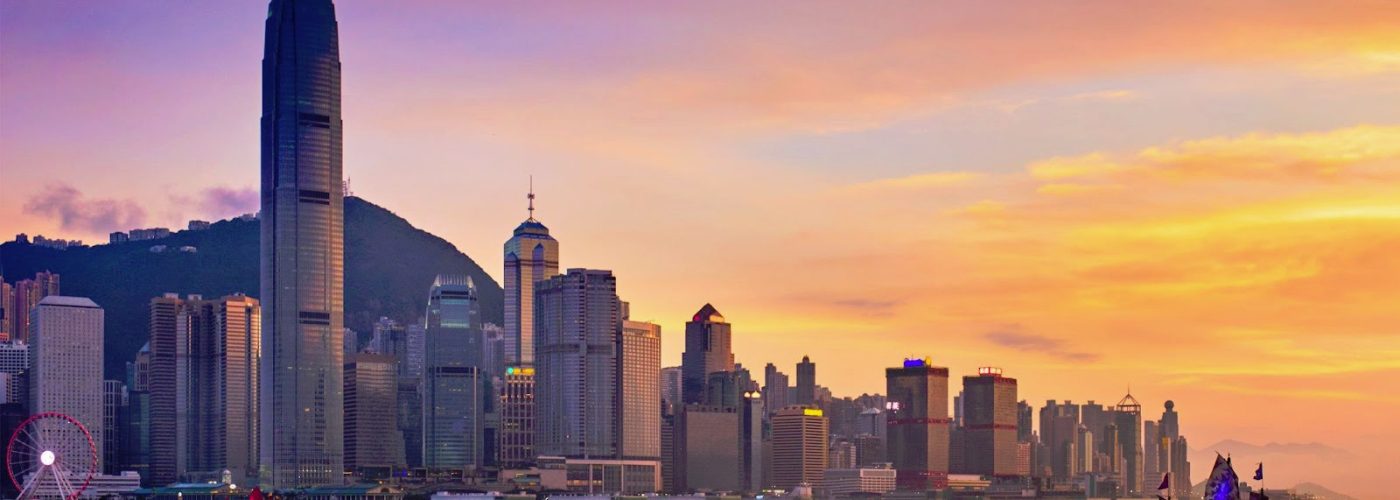


Hong Kong’s architectural landscape is defined by density, terrain, and global capital. As one of the world’s leading financial centres, the city attracts internationally recognised architecture studios capable of operating at scale while navigating complex regulatory frameworks and limited land supply.
From high-rise commercial towers to cultural institutions and refined residential projects, international firms continue to shape Hong Kong’s evolving built environment. The following five studios represent a cross-section of global design leadership with relevance to the city’s architectural market.
1. Alexis Dornier Studio (Indonesia/Germany)
Founded by German architect Alexis Dornier, the studio has built a strong international reputation for refined, climate-responsive architecture. While much of its built portfolio is located in Southeast Asia, the practice’s design approach aligns closely with Hong Kong’s emerging demand for bespoke residential and boutique hospitality projects.
Dornier’s work is characterised by structural clarity, strong geometric composition, and a sensitive relationship between interior space and landscape. Projects such as Atacaya House and Umah-Padi House demonstrate how environmental intelligence and luxury design can coexist through passive ventilation, layered volumes, and controlled daylight.
As demand increases for architect projects in Hong Kong that move beyond conventional glass tower typologies, there is growing interest in practices capable of delivering bespoke, atmosphere-driven architecture. Dornier’s approach prioritises spatial experience and material depth over spectacle, positioning the studio well within the city’s high-end residential and lifestyle segment.
In a city where premium residential architecture increasingly prioritises atmosphere and spatial refinement over spectacle, this design philosophy resonates strongly.
2. Foster + Partners (United Kingdom)
Foster + Partners has had a lasting impact on Hong Kong’s skyline. The HSBC Main Building remains one of the city’s most significant architectural landmarks, celebrated for its high-tech structural expression and flexible interior planning.
The practice continues to deliver large-scale commercial, transport, and mixed-use projects globally, bringing advanced engineering and sustainability strategies to dense urban markets such as Hong Kong.
3. Herzog & de Meuron (Switzerland)
Swiss practice Herzog & de Meuron is known for material experimentation and sculptural precision. In Hong Kong, the firm designed the M+ Museum in the West Kowloon Cultural District, one of Asia’s most important contemporary art institutions.
The building’s façade system and strong waterfront presence reinforce Hong Kong’s position as a cultural capital within the region.
4. Zaha Hadid Architects (United Kingdom)
Zaha Hadid Architects is internationally recognised for fluid geometries and large-scale civic architecture. The firm has contributed to infrastructure and masterplanning projects across Asia, bringing advanced parametric design and structural innovation to complex urban sites.
In high-density cities such as Hong Kong, expertise in transport integration and mixed-use coordination is particularly valuable.
5. Kohn Pedersen Fox (United States)
KPF specialises in high-rise and mixed-use developments across global financial centres. With extensive experience delivering premium commercial towers, the firm brings façade performance optimisation, vertical planning efficiency, and sustainability integration to competitive property markets like Hong Kong.
Its global portfolio reflects a consistent ability to respond to dense metropolitan contexts with technically rigorous design.
International Architecture in Hong Kong
Hong Kong’s regulatory framework, including the Buildings Ordinance and strict site utilisation controls, requires international studios to collaborate closely with local consultants and licensed professionals. Successful projects depend on technical coordination as much as design ambition.
As land values remain high and development pressure continues, the city’s architectural future will rely on practices capable of balancing performance, density, and refinement. The studios listed above represent a range of global expertise influencing Hong Kong’s built environment today.