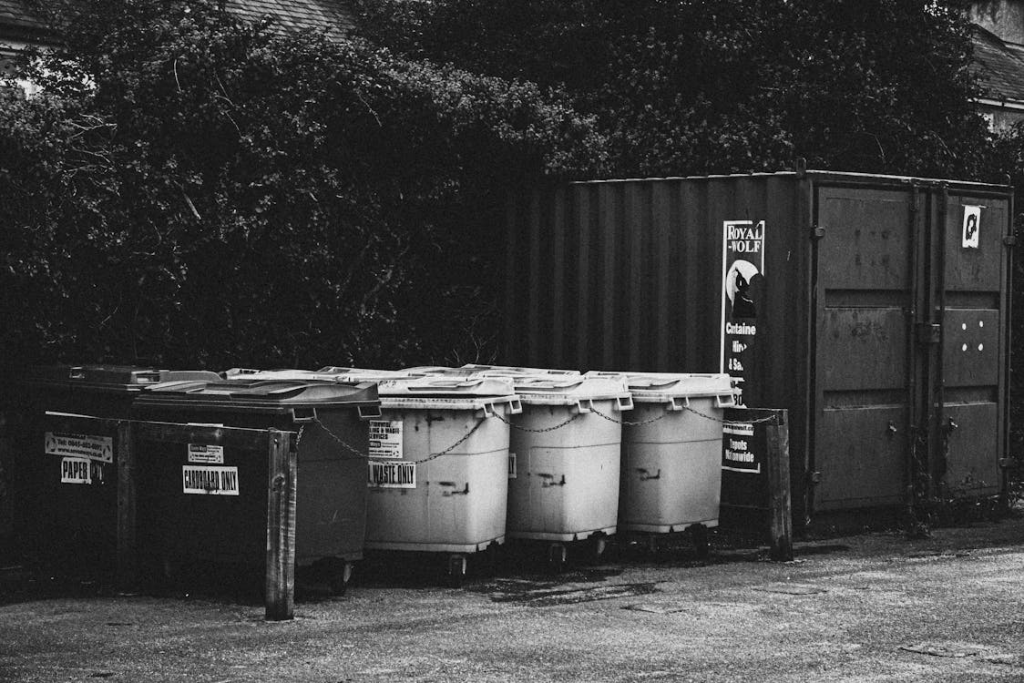



If you want a project to run smoothly, you need to think beyond materials, labour, and deadlines. One of the easiest things to underestimate is waste. It sounds minor at first. A few broken materials. Some packaging. A growing pile of offcuts. But once site activity picks up, poor waste planning can start affecting access, productivity, safety, and even the pace of the programme. On projects of almost any size, that becomes a real operational issue, not just a housekeeping one.
So, let’s take a look at why waste problems have a habit of becoming much bigger than expected.
Waste Problems Rarely Stay Small
You’ve probably seen it happen. A site begins in a controlled way, then clutter starts building in corners, near entrances, beside storage areas, and around working zones. Suddenly, trades are navigating around the mess instead of moving freely through the site. Deliveries become more awkward. Sorting waste becomes reactive. Time gets lost in tiny pockets all day long.
That’s why it helps to treat waste like part of your site logistics plan, not something separate from it. When you think ahead about where waste will be created, how quickly it will accumulate, and how often it needs to be removed, you protect the workflow before problems develop. It is less about tidiness for appearance’s sake and more about keeping your site usable.
The Right Setup Makes Daily Work Easier
Choosing the right waste solution isn’t just about volume. It’s also about access, project type, and the kind of debris you expect to generate. The Waste Group’s Bournemouth service page outlines a range of options from smaller skips to larger containers and roll-on roll-off units, showing how different projects need different approaches. It also notes next-day delivery for orders placed before midday on working days, which can be useful when timelines are tight.
Used properly, skip hire can do more than remove rubbish. It can help you create a cleaner working rhythm on-site. Trades spend less time shifting waste out of the way. Storage zones stay clearer. Access points remain usable. That sort of consistency makes a difference over the life of a project.
Access Rules Need Attention Early
You also need to think about where waste containers will go. If they are placed on private land, the process is usually simpler. If they need to sit on a public road or pavement, permits may be required. The Waste Group states that skips placed on public land in the Bournemouth, Christchurch and Poole area need council permission, and that approval can take several working days.
That delay may not sound serious on paper, but on a live project, a few missed days can trigger unnecessary disruption. If demolition starts before disposal is properly arranged, you create pressure where there didn’t need to be any.
Good Waste Planning Supports the Whole Project
You don’t need to be running a huge development for waste planning to matter. Refurbishments, extensions, fit-outs, and commercial upgrades all benefit from early coordination. When you plan disposal as carefully as deliveries and labour, the whole site tends to operate better. And that’s really the point. Waste isn’t a side issue. If you manage it well, you make the rest of the job easier too.