

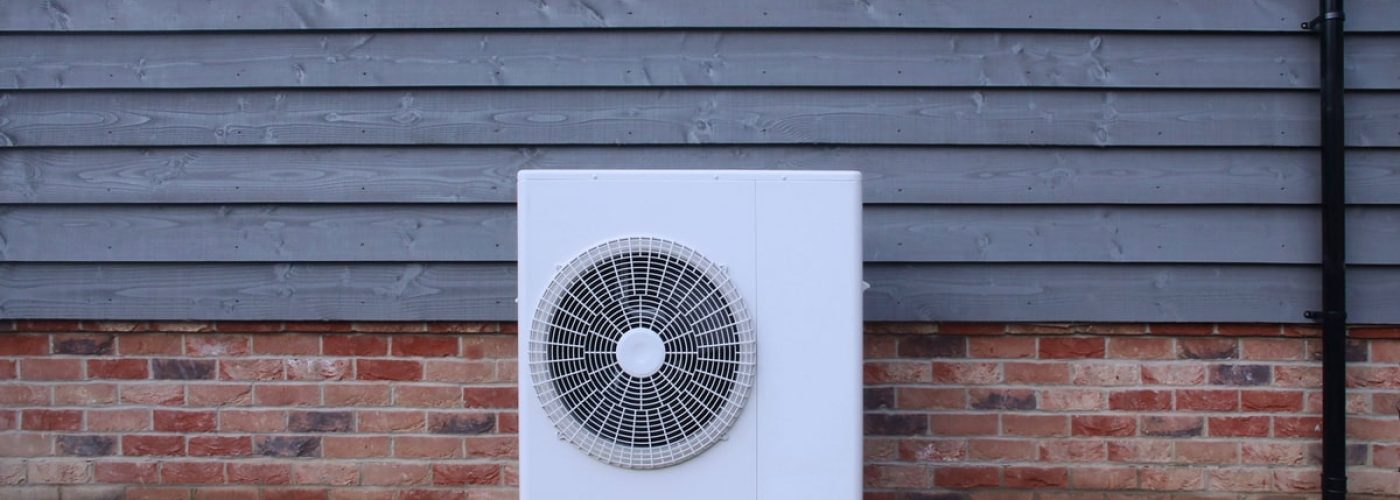


As the construction industry continues to shift toward electrification and energy-efficient building practices, heat pumps are becoming a central component in both residential and multi-unit developments. Their ability to provide both heating and cooling, combined with improving cold-climate performance, has made them a preferred solution for modern HVAC design.
However, while system technology has advanced rapidly, one critical factor continues to determine whether a heat pump performs as expected over time: the quality of installation.
Installation Quality Defines System Performance
Heat pumps are highly sensitive to system design and installation precision. Unlike traditional heating systems that can tolerate minor inefficiencies, heat pumps rely on proper airflow, accurate sizing, and precise calibration to operate efficiently.
Even small installation oversights can lead to:
- Reduced energy efficiency
- Inconsistent indoor temperatures
- Increased wear on system components
- Higher long-term operating costs
In many cases, underperformance is not due to equipment failure but rather installation practices that fail to align with system requirements.
The Role of Proper System Sizing
Correct system sizing is one of the most overlooked aspects of heat pump installation. Oversized systems can short-cycle, leading to inefficient operation and unnecessary strain. Undersized systems, on the other hand, may struggle to maintain indoor comfort during peak demand.
Accurate load calculations must consider:
- Building envelope performance
- Insulation levels
- Window types and orientation
- Air leakage rates
Without these factors being properly assessed, even high-end systems may fail to deliver expected results.
Airflow and Duct Design Considerations
Airflow is another critical component that directly impacts system efficiency. Poor duct design, improper static pressure levels, or restricted airflow can significantly reduce a heat pump’s ability to transfer heat effectively.
In retrofit projects, especially, existing ductwork may not be compatible with modern heat pump requirements. Adjustments or redesigns are often necessary to ensure balanced airflow throughout the space.
When airflow is not properly managed, common issues include:
- Uneven heating or cooling
- Increased system noise
- Reduced equipment lifespan
Electrical Integration and System Compatibility
As heat pumps become more widely adopted, electrical infrastructure is playing a larger role in installation quality. Systems must be properly integrated with the building’s electrical capacity to avoid performance limitations.
Key considerations include:
- Panel capacity and load distribution
- Compatibility with backup heating systems
- Proper wiring and control setup
Failure to address these factors during installation can lead to operational inefficiencies or system limitations that are difficult to correct after the fact.
Why Expertise Matters in Installation
Given the technical requirements involved, installation is no longer a straightforward mechanical process. It requires coordination between HVAC design, electrical planning, and on-site execution.
Working with experienced heat pump system installation experts ensures that all aspects of the system are aligned from the beginning. This includes proper sizing, airflow optimization, and integration with the building’s overall mechanical and electrical systems.
When installation is approached as a comprehensive process rather than a basic setup, the result is a system that performs consistently and efficiently over time.
Long-Term Efficiency and Cost Implications
The long-term performance of a heat pump is directly tied to how well it is installed. Systems that are properly designed and installed tend to:
- Maintain higher efficiency levels
- Require fewer repairs
- Deliver consistent indoor comfort
- Have longer operational lifespans
On the other hand, poorly installed systems often lead to ongoing service issues, increased maintenance costs, and premature equipment replacement. For homeowners looking for reliable heat pump installation Auckland, working with experienced technicians helps ensure the system is correctly sized and installed for long-term efficiency.
For developers and builders, this translates into long-term value. A well-installed system not only improves occupant satisfaction but also reduces lifecycle costs associated with HVAC performance.
The Future of Heat Pump Performance
As building codes continue to evolve and energy efficiency standards become more stringent, the importance of installation quality will only increase. Advances in heat pump technology will continue, but without proper installation practices, these improvements cannot be fully realized.
High-performance buildings require high-performance systems, and those systems depend on skilled installation. The industry is moving toward a model where design, installation, and system integration are treated as a unified process rather than separate steps.
Conclusion
Heat pumps are no longer an emerging technology; they are becoming a standard solution in modern construction. However, their success depends not just on the equipment itself, but on how well it is installed.
High-quality installation ensures that systems operate efficiently, reliably, and as intended over the long term. As adoption continues to grow, the focus must shift from simply selecting the right equipment to ensuring it is installed with the level of precision required for optimal performance.