
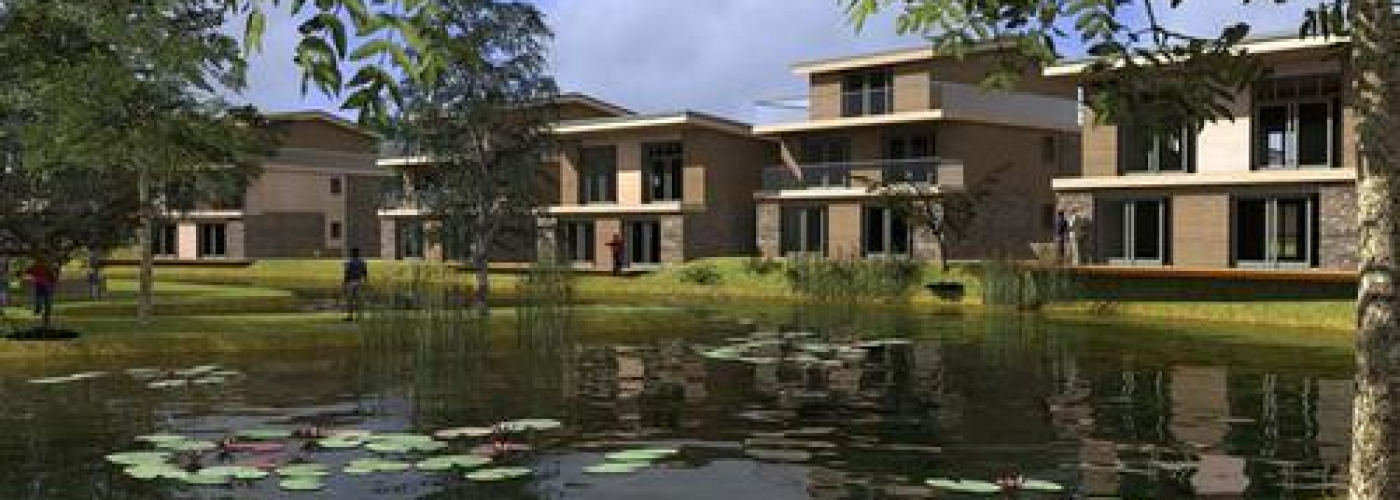


Drive along the M6 through Lancashire and, for years, a flicker of medieval turrets and a fibreglass dragon would catch the eye. Camelot Theme Park, with its jousting knights and log flumes, drew families for decades before the gates finally closed and the rides fell silent. Now the site is set for an entirely different future: a community of around 350 homes, complete with green space, access roads and the quiet rhythm of residential life. It is a striking transformation, and one that says a great deal about how Britain is choosing to repurpose the places where people once went purely to be entertained.
The Camelot story is far from unique. Across the country, leisure and entertainment venues are being reimagined as places to live — old cinemas, bingo halls, bowling alleys and former gaming destinations are all in the developer’s sights. Part of the reason these venues are coming up for grabs is that so much of the entertainment they once offered has migrated to the screen in people’s pockets. Review sites that rank and compare the best UK online casinos for 2026 show exactly where that entertainment has gone, weighing up operators on bonuses, software quality, betting limits, odds, mobile experience and payment security across sportsbooks, casinos, slots and esports betting. For anyone trying to understand why so many bricks-and-mortar gaming halls have closed, these guides are a useful map of the digital landscape that replaced them, letting players find and judge a trusted operator without ever leaving the sofa. The more comprehensively that online offering covers everything a physical venue used to provide, the less commercial sense those old buildings make — and the more tempting their land becomes for housing.
From Big Days Out to Front Doors
The economics behind a scheme like Camelot are straightforward enough. A theme park sits on a large parcel of accessible land, often with established road links and utilities already in place. When visitor numbers no longer justify the upkeep of expensive rides and seasonal staff, the value of that land for housing can far outstrip its value as a leisure attraction.
Developers and local authorities increasingly see these sites as an answer to chronic housing shortages. A former park or entertainment complex tends to come with fewer of the contamination headaches associated with heavy industrial brownfield land, and the public’s familiarity with the location can smooth the planning conversation. People know how to get there; the bus routes already run nearby; the site already feels like part of the community map. That head start matters when a 350-home scheme has to win over planners and neighbours alike.
Why Entertainment Land Is in Play
There is a wider behavioural story driving all this. The way adults spend their leisure time has changed beyond recognition. Streaming has hollowed out the multiplex, mobile gaming has eaten into the arcade, and a huge slice of social entertainment now lives on a phone screen rather than at a venue with a car park and a turnstile.
That does not mean people are entertaining themselves any less — quite the opposite. It simply means the buildings that used to host that entertainment are no longer pulling their weight commercially. A former casino floor or a tired regional gaming venue can occupy a prime town-centre footprint while generating a fraction of its old footfall. For a property developer, an underused entertainment building in a good location is practically an invitation to draw up residential plans. The leisure has gone digital; the real estate remains, waiting for a new purpose.
Lessons From the Estates That Used to Be Fun
These conversions can carry a powerful emotional charge for the people who live nearby. A BBC feature in which residents recalled living where a theme park once stood captures the slightly surreal pride of buying a home on land where children once queued for roller coasters. There is a sense of local history baked into the bricks, and good developers lean into it — naming streets after old attractions, preserving a landmark feature, or keeping a sliver of the original character alive in the landscaping.
Done well, this storytelling helps a new community find its identity quickly. Done badly, it can feel like a thin coat of nostalgia painted over a generic housing layout. The challenge for architects and masterplanners is to honour what the site once was while delivering homes that genuinely work for the people who will live in them for decades to come.
Getting the Conversion Right
Not every change of use ends happily, and the sector has learned some hard lessons. Research highlighting how some conversions delivered poor quality housing with cramped rooms and poor daylight serves as a cautionary tale for anyone converting a leisure building. A structure designed for crowds passing through is not the same as one designed for daily home life.
The best schemes treat a former entertainment venue not as a shortcut but as a starting point. That means proper attention to space standards, natural light, sound insulation, parking and the kind of communal green areas that turn a cluster of houses into a neighbourhood. Camelot’s open-field setting gives its designers an advantage here that a tight urban casino conversion would envy.
A Quiet Reshaping of the Map
Step back and a clear pattern emerges. The places where adults once gathered for a thrill — the parks, the gaming halls, the late-night venues — are steadily becoming the places where they sleep, cook and raise the next chapter of their lives. The entertainment itself has not vanished; it has simply moved onto the devices people carry everywhere. And as it does, the land left behind is quietly redrawing the residential map of Britain, one former attraction at a time.