



Visit Bramley-Moore Dock on a matchday now and it’s easy to forget Everton spent decades going nowhere with a new ground. The Hill Dickinson Stadium properly opened in February 2025, four years after the first pile went into the old dock bed, and it holds 52,769 fans, comfortably more than Goodison Park ever managed. The build cost north of £750m, and the ground is already booked in as a Euro 2028 venue. This is the same club that couldn’t get a stadium plan past King’s Dock back in 2003…
While adding seats is always the priority for developers behind these mammoth stadiums, the fact is that ticket sales cover a shrinking share of matchday revenue these days, with a good chunk of it stemming from hospitality suites, vendors sitting inside the concourse rather than in a portable cabin outside it, broadcasters paying for camera positions that didn’t exist a decade ago.
Oh, and the sponsorships placed all around the pitch.
Liverpool
The Reds never left home at all, which is its own kind of achievement. The Anfield Road Stand went up in phases while the first team kept playing every other week a few hundred metres away, and by the time the last seat went in, capacity had climbed from 54,074 to 61,276. There’s something almost bureaucratic about the way Liverpool have handled it: no grand unveiling, no leaving the postcode, no ribbon to cut. It was a case of making steady additions until the numbers caught up with the season ticket waiting list.
Amenities have moved just as fast as capacity, and stadium wifi is maybe the clearest example. With tens of thousands of users at a time, it used to be patchy at best, and hopeless the moment everyone tried to check the half-time scores at once. But Anfield brought in Extreme Networks in 2024 to overhaul its network because fans expect more from a connection now: live team news, real-time build updates on their phones, changing odds on an online casino mid-match, and a paperless ticket scan that doesn’t create a queue.
Manchester United
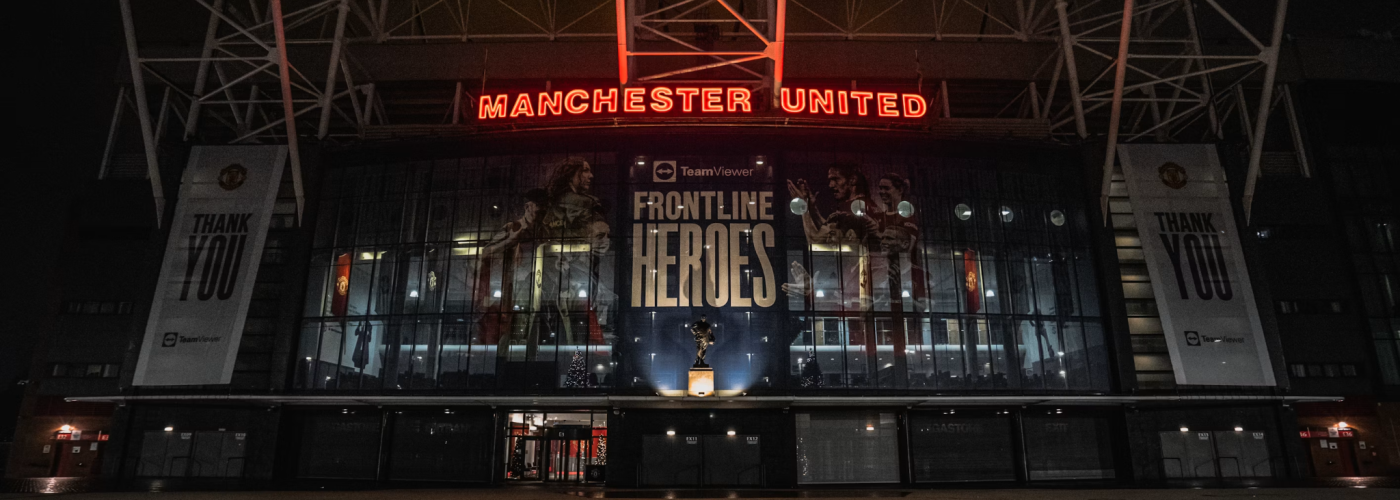
The Red Devils want people to notice, however. The 100,000-seat stadium unveiled in March 2025 would be the biggest in Britain, built roughly 350 metres northwest of the current Old Trafford, and co-owner Jim Ratcliffe called it “the world’s greatest football stadium” at the launch. The figures attached to the wider regeneration are eye-watering, something like 92,000 jobs and 17,000 homes, worth billions a year to the local economy on paper.
None of that changes the fact that, eighteen months on, United are still negotiating land deals with a freight company rather than laying foundations, so in the meantime fans get The Paddock, a new fan zone behind the Stretford End, while the real project inches forward (presumably) somewhere behind the scenes.
Nottingham Forest
Their version of all this is more modest, at least by comparison. The City Ground redevelopment on the table with Rushcliffe Borough Council would push capacity from 30,445 up toward roughly 52,500, with the first phase landing nearer 45,000, and a decision from the council is expected as soon as September.
It’s a capital-P Project for sure…just one that barely registers as ambitious next to United’s numbers, which says something about how quickly the bar’s moved.
The Ones (Currently) Left Behind
Not every club is riding this wave, though. Newcastle have spent the past couple of years weighing up whether to expand St James’ Park or build fresh near Leazes Park, and as of this spring that decision had been pushed back again, despite the club sinking around £158m into stadium-related property in the space of a year, including the purchase of the Grade I listed Leazes Terrace.
Chelsea’s Stamford Bridge situation is even further behind: there have been no concrete updates on redeveloping the ground or moving elsewhere heading into 2026, after the club missed out on being folded into the Earls Court redevelopment nearby.