

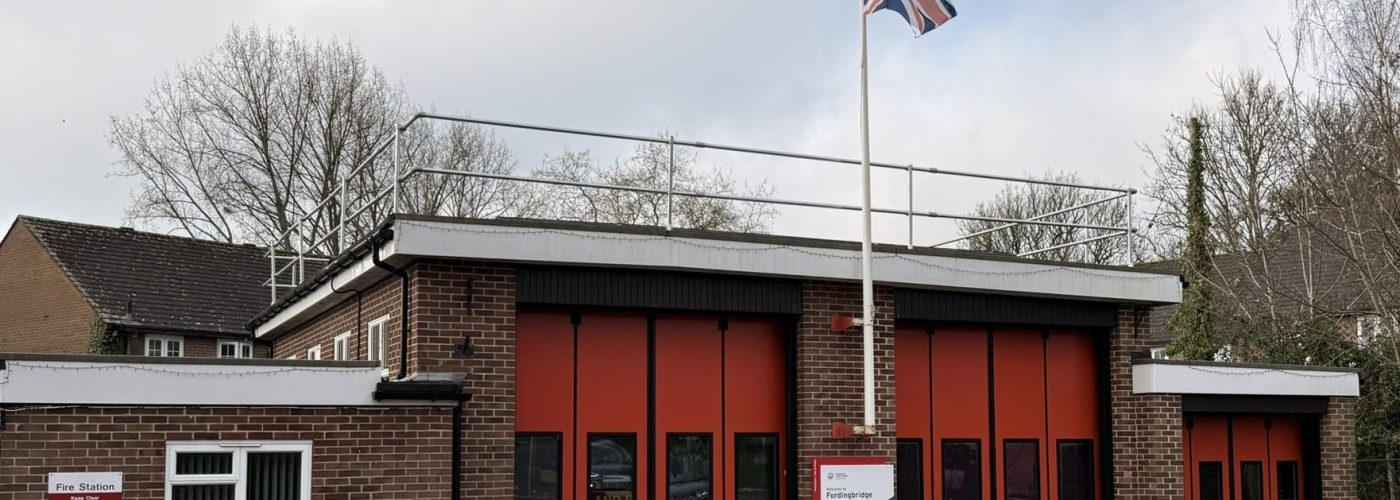


Building performance specialist Mesh has worked with Hampshire & Isle of Wight Fire & Rescue Service to develop a decarbonisation strategy for its 62-building estate.
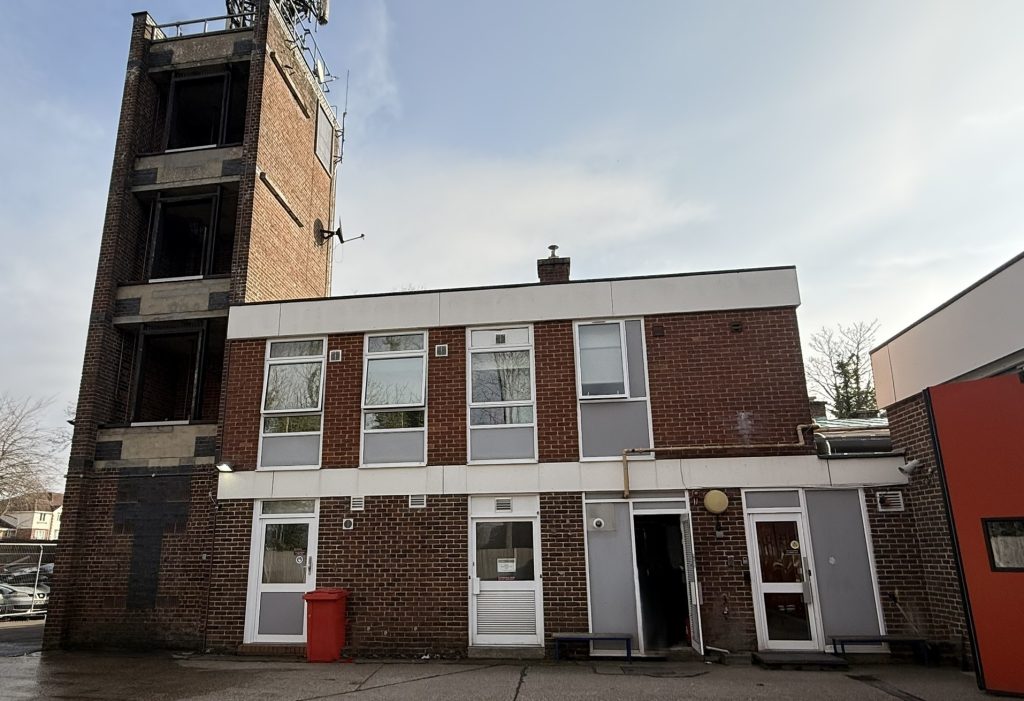
Mesh was appointed to assess the Service’s headquarters in Eastleigh – parts of which date back to the 1930s – and six different types of fire station to identify opportunities to reduce energy consumption, running costs and carbon emissions.
The project has given the client a practical, evidence-based improvement strategy for each building type and provides a replicable framework that can be applied across its wider estate to inform investment decisions and long-term decarbonisation planning.
Doug Johnson, Founding Director of Mesh:
“Public sector estates often include buildings of varying ages, construction types and patterns of use, so there is rarely a single solution for improving energy performance, reducing carbon emissions and maintaining a comfortable working environment for occupants as the climate changes.
This project for Hampshire Fire & Rescue demonstrates the value of understanding how individual buildings actually perform before deciding where to invest. It allows organisations to prioritise cost-efficient practical improvements, assess the business case for larger interventions and develop a more informed long-term approach to decarbonisation and the drive to net zero.”
Carrie Dickson, Energy and Sustainability Officer – Property and Facilities at Hampshire & Isle of Wight Fire & Rescue Service:
“Our aim with this project was to optimise the energy performance of each building and to apply those learnings to our wider estate across Hampshire and the Isle of Wight.
The assessments provided detailed insight into precisely how the seven building types currently perform and in relation to climate and weather patterns. The studies also allow us to see how those buildings align with national trends.
We now have the evidence-based analysis needed to understand which buildings perform well and where improvements and technical adjustments should be targeted to reduce energy consumption. The project data and feasibility studies will also be valuable to inform larger capital projects – both new build and refurbishments.”
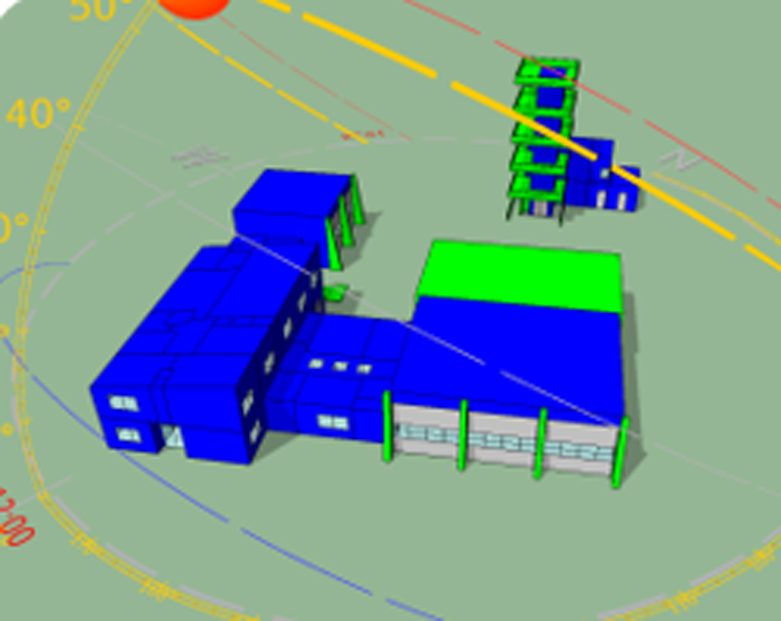
The fire stations studied varied in age, scale and construction – to reflect the diverse range of facilities in the estate. Mesh analysed energy consumption data in line with occupancy levels, weather patterns and climate change, and carried out detailed building fabric assessments, building services surveys, thermal modelling, and heat loss calculations.
Renewable heating feasibility studies looked at the options for transitioning away from fossil-fuel heating and hot water. Air source heat pumps were calculated to have the potential to reduce energy consumption for space heating by around 50%. However, because of the cost and disruption associated with adapting existing heating and pipework systems for heat pumps, Mesh explored a hybrid approach, using heat pumps to deliver the majority of annual heating demand whilst retaining gas boilers for peak cold-weather periods.
For more information, see www.mesh-energy.com or email info@mesh-energy.com
Building, Design & Construction Magazine | The Choice of Industry Professionals