Kenneth Booth

WISE LIVING EXPANDS INTO HULL WITH LATEST BUILD-TO-RENT DEVELOPMENT

BUILD-TO-RENT(BTR) specialist Wise Living, in partnership with developer Strata Homes, has recently launched its first development in East Yorkshire. This adds to Wise Living’s expanding portfolio in Northern England – with homes already in Birkenhead and coming soon to Rotherham. As UK house prices hit a record high for a fifth

Read More »

United Living sponsors Global Sustainability Film Awards 2022

United Living Group, the provider of critical infrastructure and affordable housing, is pleased to announce it will return as the main sponsor of the Television for the Environment (Tve) Global Sustainability Film Awards 2022, a film competition recognising those whose films most powerfully portray solutions for sustainability.   Previous shortlisted

Read More »

Basic Overview of OSHA Regulations for Construction Sites

Thousands of people yearly are injured or die on construction sites around the country. As a result, the Occupational Safety and Health Administration was created more than 50 years ago to ensure as few incidents as possible. The purpose of this authority is to mandate safety standards for workplaces so

Read More »

HS2 reveals huge new tunnel at Euston station

New video shows extensive tunnelling work that will help relocate equipment and provide ventilation for the Northern line: HS2 Ltd continues to make progress at Euston, as work continues behind the hoardings to make way for Britain’s new high-speed railway. To create space for the new HS2 station, HS2’s station

Read More »
Latest Issue
Issue 335 : Dec 2025

Kenneth Booth

Legal & General acquires 6.2-acre Horsham site for multi million pound industrial scheme

Legal & General Investment Management (LGIM Real Assets) has acquired a 6.2-acre freehold estate in Horsham, West Sussex on behalf of its Industrial Property Investment Fund (“IPIF”). LGIM Real Assets and its development partner, Graftongate, plan to speculatively develop a prime multi-unit industrial/logistics scheme on the site of Wilberforce House in Southwater, south of Horsham town centre. The proposed scheme would see the development of seven new warehouse units totaling almost 100,000 sq ft, including integral office space. The scheme will target EPC A+, BREEAM Excellent and operational net zero carbon. Wilberforce House is currently let in its entirety to the RSPCA, which is relocating to smaller premises. LGIM Real Assets and Graftongate plan to develop the scheme on receipt of vacant possession in Q1 2023. Jonathan Holland, senior fund manager for LGIM Real Assets, said: “The purchase presents an excellent opportunity to acquire a development site to provide Grade A industrial stock in a supply constrained market and a sector where occupational demand is booming, and rental growth is set to follow. On expiry of the lease, this will be one of the most valuable development sites in West Sussex.” Alex Thomason, development manager at Graftongate, said: “The redevelopment of the Wilberforce House estate offers an excellent opportunity to deliver high quality industrial/logistics accommodation in an established commercial location. The property occupies a prime position on Wilberforce Way and benefits from excellent transport links, being easily accessible via the A24 dual carriageway. We expect the scheme to generate significant interest from prospective occupiers.” Savills and Clay Street acted on behalf of LGIM Real Assets and Graftongate, the vendor was represented by Carter Jonas.

Read More »

WISE LIVING EXPANDS INTO HULL WITH LATEST BUILD-TO-RENT DEVELOPMENT

BUILD-TO-RENT(BTR) specialist Wise Living, in partnership with developer Strata Homes, has recently launched its first development in East Yorkshire. This adds to Wise Living’s expanding portfolio in Northern England – with homes already in Birkenhead and coming soon to Rotherham. As UK house prices hit a record high for a fifth consecutive month, the new Dream development of 50 BTR homes provides much needed private rental accommodation in an area where many struggle to buy or choose not to. With modern two, three and four-bed options, all located within proximity to Hull city centre, good schools, and Leeds Bradford Airport – Wise Living and Strata Homes have catered for young professionals and families alike. Mark Gratton, Land & Partnerships Director at Wise Living, said: “This continued expansion in Northern England demonstrates our success in finding the best locations for our high quality BTR homes. We have carefully matched the Dream Hull development to the needs of the local area and now we are pleased to have reservations open for the community in Hull to secure their new home. “We continue to see increasing interest in the BTR market, from investors, developers and tenants. This interest stems from how buoyant the BTR market is and its projected growth. Our tenants also value our proposition for various reasons, from the quality of the homes through to the community events we facilitate, alongside the assurance of having a professional landlord so that they can enjoy their home without the worry of it being sold or not having issues resolved quickly.” Gemma Smith, managing director at Strata adds: “Dream is the first phase of a large regeneration development in Hull and brings together homes for sale, properties to rent and new council housing. “Our aim was to design a new community that would offer something for everyone and improve the lives of generations to come. The demand for the homes has been really strong, we are looking forward to see this multi tenure development flourish over the coming years.” For more information about Wise Living and Dream Hull, visit: www.wiselivinghomes.co.uk/locations/hull/dream/

Read More »

Nine in 10 UK tradespeople increasing prices due to rising fuel costs 

One in seven (14%) tradespeople now get the bus to jobs because they can’t afford to drive  Tradespeople set to increase prices by 24%, on average  Over a quarter (29%) now only accept hyper-local jobs in order to reduce their fuel usage  Rising fuel costs are hitting UK tradespeople hard, and nine in ten (90%) say they are being forced to increase their prices to keep their businesses alive.  With petrol and diesel reaching record levels and topping £2 per litre in some areas, IronmongeryDirect, the UK’s largest supplier of specialist ironmongery, surveyed 500 tradespeople to reveal the impact this is having on the industry.  Almost every respondent (96%) said that their livelihood is reliant on their vehicle, and workers drive over 5,000 miles a year for jobs, on average.  This annual mileage will now cost individuals almost £500 more for diesel vehicles, and over £450 for petrol users, than it did this time 12 months ago.  Almost half (47%) of tradespeople say that their profits are being affected by the fuel crisis, and a third (33%) say that their company is struggling to cope.  Understandably, many are increasing their prices to keep up. Nine in ten (90%) tradespeople say they will up their quotes as a direct result of the fuel costs, with the average increase standing at 24%.  Some trades are increasing them more than others, and scaffolders are planning the most significant hike (39%).  The trades planning on increasing their prices the most because of rising fuel costs are:  #  Trade  % increase  1  Scaffolder  39%  2  Roofer  35%  3  Bricklayer  34%  4  Building Surveyor  30%  5  Electrician  28%  6  Plasterer  27%  7  Carpenter  26%  8  Joiner  25%  9  Builder  22%  10  Plumber  22%  11  Painter Decorator  16%  12  Landscaper  16%  Some tradespeople plan to stop driving altogether, and one in seven (14%) say that they are now using public transport to get to jobs, because they can’t afford the fuel.  For those who have no choice but to continue driving, motoring experts Euro Car Parts have shared their top tips on how to increase your fuel efficiency and save money:  1) Manage your revs  The most fuel-efficient RPM to change up a gear is 2,500 for a petrol vehicle and 2,000 for diesel. So next time you’re changing gear, keep an eye on the revs count, stick to that number and the pennies you’ll save will soon stack up.  2) Slow down on high-speed roads  The most efficient speed to drive at is between 55-65mph, and driving at 70mph compared to 80mph on a motorway could save you 25% more fuel.  3) Turn your engine off  Keeping your engine idle whilst stationary still burns fuel, so if you know you’re not going to be moving for a while, turn it off to conserve your petrol or diesel.  Dominick Sandford, Managing Director at IronmongeryDirect, said: “The fuel crisis is affecting all of society, but people who drive regularly as part of their job, like most tradespeople, are being hit particularly hard.  “Worryingly, its independent traders who will feel the most impact, as their profit margins are likely far narrower than larger corporations, who may be able to ride out the wave.  “Hopefully prices will begin to fall before too long, but in the meantime, reducing mileage and increasing fuel efficiency will help to slightly soften the blow.”  For more expert advice on how to reduce your fuel costs, and how much rising prices will affect your profits, visit: https://www.ironmongerydirect.co.uk/blog/how-tradespeople-can-reduce-their-van-fuel-costs  

Read More »

RIBA REPORT SHOWS JCT IS DOMINANT CONTRACT PROVIDER AND “INDUSTRY STANDARD”

The RIBA Construction Contracts and Law Report 2022 has been published, with the results showing that JCT continues to be the most widely used standard form contract provider in the UK construction industry. 59% of respondents indicated that JCT contracts were the forms that their organisation used most often, whilst 71% said that they had used a JCT contract over the last 12 months. When asked to give reasons for their choice of contract, respondents said of JCT: “industry standard and tested in the courts”, “fair, equitable and well understood”, “standard lump sum contract understood by the industry” and “simple and familiar”. The use of JCT contracts was particularly dominant in the sector of project value between £250,000 and £5m. The report also showed that the overall level of reported disputes within the industry was continuing to fall – from 44% in 2015, to 33% in 2018, to 27% this year. The importance of sustainability and collaboration were key themes. 43% of respondents were involved in one or more contracts that included ‘expected sustainable outcomes’ and 32% that included ‘measurable sustainability criteria’. 23% said that ‘operational performance criteria’ had become a contractual requirement, while 21% referenced ‘embodied carbon criteria’. Regarding collaboration, 57% of respondents said they adopted collaboration techniques on some or all projects, with almost a quarter adopting collaboration techniques on all projects. 63% said that collaboration techniques reduced the number of disputes, and 61% said they improved the delivery of the client’s objectives. JCT was the one of the first standard form contract authoring bodies to produce specific clauses relating to sustainability and collaborative working within its contract suite and in its guidance note, Building a Sustainable Future Together. The RIBA Contracts and Law Report 2022 survey was completed by over 950 clients, contractors and consultants throughout January and April 2022. It focused on projects over the previous 12 months. The report can be read and downloaded at https://www.architecture.com/knowledge-and-resources/knowledge-landing-page/riba-construction-contracts-and-law-report-2022.

Read More »

Timber industry consolidation continues with TDUK and WPA Affiliation Agreement

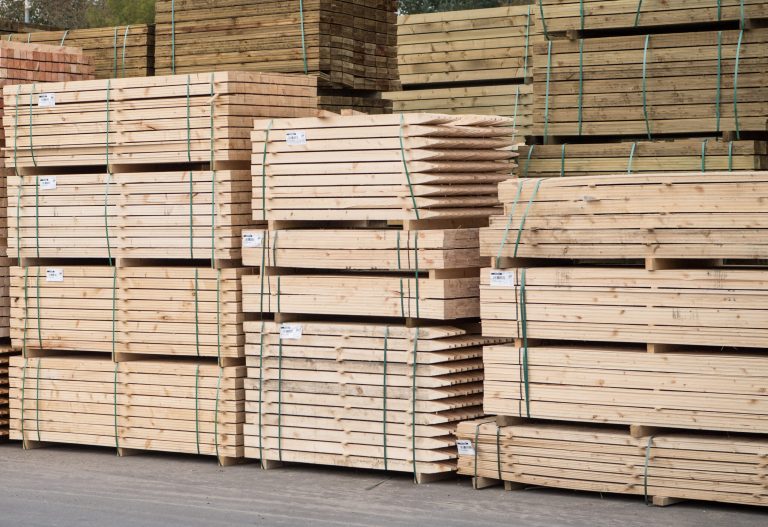
A new Affiliation Agreement between Timber Development UK (TDUK) and the Wood Protection Association (WPA) has set the template for further consolidation of the timber industry, helping to drive the mass adoption of timber as a sustainable construction solution. TDUK has been formed from a merger between the Timber Trade Federation (TFF) and The Timber Research and Development Association (TRADA), creating the largest, most comprehensive supply chain body in the UK. TDUK now spans more than 1500 member businesses representing everything from Sawmill to Specifier. The WPA is the UK authority on wood protection and plays a lead role in influencing, developing and promoting technologies that enhance the performance and value of wood as a building material. Under the Affiliation Agreement, TDUK and WPA will continue to operate as independent membership organisations, but WPA will act as the TDUK’s centre of expertise on flame-retardant treatments, wood modification and preservation – providing the essential technical, quality assurance and support services under a united strategy to grow demand for added value treated timber products that can be trusted. The TDUK Affiliation Agreement with WPA is part of a bigger mission to align all wood and timber technical specification information under one roof. In so doing, TDUK aims to empower architects, designers, specifiers and engineers with the knowledge and confidence they need to use wood in their projects. 

Read More »

Local Architecture Firm Crowned Winner of hub South West Scotland’s Build Lanarkshire Programme

Gavin McAuley, founder of the award-winning design studio, McAuley Architecture + interiors, based in Hamilton, has been named the winner of this year’s Build Lanarkshire Programme, delivered by hub South West Scotland. Now in its fifth year, the Build Programme offers businesses in the construction sector the opportunity to gain valuable expert industry advice to help them grow and achieve their market goals. Delivered over eight weeks, the free programme comprises weekly sessions focusing on different themes. Attendees learn about all aspects of business management, from developing a strategy and navigating procurement and finance, to creating a marketing and social media plan. The Build Lanarkshire Programme hosted a variety of local businesses, with specialist skills ranging from sustainable energy systems to building and contracting. McAuley Architecture + interiors are a CIAT Chartered Practice, Gavin being a Chartered Architectural Technologist with a Degree in Interior Architecture. His practice offers bespoke services to his clients in the commercial and residential sectors. The business was founded two years ago by Gavin, who was previously an Associate at one of the top AJ100 firms in the UK. He is also a lecturer in Architectural Technology at Edinburgh Napier University. With over 15 years of experience in the industry, Gavin decided to take the leap and start his own practice when his wife was diagnosed with cancer in March 2020: “Katrina’s diagnosis at 34 was life changing for us both. Thankfully she got it checked out quickly which ultimately saved her life, but it was one of our conversations soon after her surgery in which she said “what do you want to do with your life?”. “I decided to start my own practice and it’s the best decision I’ve made. We are very busy at the moment, covering sectors such as domestic, commercial, health and hospitality. The last two years have been a whirlwind of cancer appointments, starting a business and winning great contracts. As the saying goes – from small acorns grows a mighty oak. “Katrina has now fully recovered, and she is starting her training to become an NHS nurse in September, after the sterling care she received during her journey.” As a newcomer when it came to running his own company, Gavin signed up to the Build Programme with an interest in gaining expert advice on the nuts and bolts of running a business and delving into key areas like employment law and cybercrime. Speaking of the value that the Build Programme can bring to local business owners, Mark Houston, Supply Chain Development Manager at hub South West Scotland said:  “Our free Build Programme is designed to help local businesses develop an achievable plan for the future and successfully reach their business goals by offering weekly half-day collaborative learning sessions with our Tier one contractors, industry experts and like-minded companies. By attending the Build Lanarkshire programme, local construction sector companies can strengthen their skills across a variety of business areas which are integral to running a successful company. “It’s great to meet new businesses each year and watch them transform over the eight week period. This course helps them to gain expert knowledge and skills, which in turn gives them the confidence to go out and get to where they want to be in the market. Furthermore, they are gaining invaluable relationships with companies who they will work with for years to come.” Keen to encourage other local businesses to attend the Build Programme, Gavin said: “I would absolutely recommend it. Whether you’re a start-up or a well-established business, there’s lots of information and knowledge that you can bring back to your team. “The most valuable thing about the Build Programme is connections, networking, and access. Being in Tier 1 contractors’ offices and seeing them in their natural habitat before now, was difficult. We already have meetings set up with some of the top tier players who are keen to utilise our extensive experience. “Everyone was extremely supportive. The organisers answered all my questions and were always there for one-to-ones. There was a level of trust where we could talk about whatever we wanted to talk about within the room – business and personal experiences. By the end of the course, everyone knew each other very well” As part of the final stage of the Build Programme, participants had to create a presentation outlining what they had learned over the eight weeks, their progression, and an insight into how this will impact and benefit their future activity. Gavin was chosen as this year’s winner based on the quality of his attendance, input, presentation and level of progress he had made throughout the eight week programme. Following his Build Lanarkshire win, Gavin is passionate about using his experience to expand McAuley Architecture + interiors and drive skills development amongst the next generation of Designers. Plans have already been put into action with the firm recently taking on a larger office. The annual Build Programme is open to all construction-related SMEs across Lanarkshire.  Build Dumfries and Galloway is next to kick off in 2022, starting on Wednesday 21st September. The programme will be delivered by hub South West Scotland in partnership with their Tier One Contractors and Dumfries and Galloway Council. Registration is now open and local businesses who are interested in signing up for the programme can do so by contacting hub South West Scotland directly.

Read More »

United Living sponsors Global Sustainability Film Awards 2022

United Living Group, the provider of critical infrastructure and affordable housing, is pleased to announce it will return as the main sponsor of the Television for the Environment (Tve) Global Sustainability Film Awards 2022, a film competition recognising those whose films most powerfully portray solutions for sustainability.   Previous shortlisted films include the World Wildlife Fund’s project to capture never-before-seen behaviours of basking sharks off the shores of Scotland using innovative camera technology. Another shortlisted film captured Breathe London, an ambitious project that measured and mapped Londoners’ daily exposure to air pollution using a network of advanced air pollution sensors. United Living has proudly sponsored the event for six years. The group is supporting its clients on their decarbonisation journey as well as setting its own net zero carbon and sustainability objectives. United Living has implemented a range of measures that prioritise sustainability, including commitments to reduce carbon emissions to Net Zero by 2030, two decades ahead of the UK government’s existing target of Net Zero by 2050. Other measures include reducing avoidable waste to zero in the development process of all United Living Homes, as well as eliminating the use of single-use plastics by the same timeframe.  All this whilst remaining focused on supporting a wholly diverse and inclusive environment. The Groups ethos is to continuously invest in its people through funded qualifications and trainee programmes, and in social value to leave a lasting positive legacy in the communities it serves. At the awards ceremony, a brief address will be given by CEO and Chairman of United Living, Neil Armstrong, on the importance of the Awards in spreading awareness of a more sustainable way of life, as well as the role organisations such as United Living must play in this endeavour. Neil Armstrong, CEO and Chairman, United Living Group, commented: “tve was founded on the very principle of supporting progress towards achieving UN Sustainable Development Goals (UNSDG). United Living has embraced ESG targets which also align to the UNSDG. We are already on a journey, and have been for years as a responsible business, with sustainable priorities. We are proud and delighted to be able to put our shoulder behind the awards as the main sponsor for thesixth year. By doing so we can support tve in our own small way, in the fantastic work they are doing to highlight one of the most important issues we face as a society today. The stories the award ceremony celebrates, inspire further innovation and aid the global transition to a more sustainable future for us all.” Mei Sim Lai OBE DI, Chairperson of the tve Global Sustainability Film Awards, commented: “Tve is a charitable organisation which relies on the support of partners around the world to fulfil its mission of promoting sustainable development through film and other media. Were it not for the generous sponsorship of organisations such as United Living, we would not have the capacity or scope to hold such an event or attract and promote such a high quality of film entrants. The fact that the number of Award categories has continued to increase over the years, is a testament to the value of our partnership, and we hope that United Living Group and the GSFA can continue to go from strength to strength together”.

Read More »

Basic Overview of OSHA Regulations for Construction Sites

Thousands of people yearly are injured or die on construction sites around the country. As a result, the Occupational Safety and Health Administration was created more than 50 years ago to ensure as few incidents as possible. The purpose of this authority is to mandate safety standards for workplaces so that employees can go to work in the safest environment possible, whether in a quiet office or a bustling construction site.  By its very nature, construction is a dangerous industry. Heavy equipment, sharp objects, tripping hazards, heights, and any hazardous situations could occur. The OSHA provides regulations and standards to minimize and mitigate those risks to protect workers. Here is a basic overview of OSHA regulations relating to construction sites.  Heights and Fall Prevention As you can imagine, working from heights is very common on construction sites and presents a unique set of risks. As a result, OSHA has several guidelines about safely working from heights to keep workers and the general public safe. For instance, scaffolding must be able to hold four times its weight safely. On top of that, it must have guardrails and toeboards to prevent falling over.  The OSHA also has guidelines for working near power lines which can pose a severe risk to someone working from heights. They also have safety standards for every type of ladder used on a site. This includes how to secure them properly and how to climb on and off of them. Stairways on construction sites must have proper hand and guardrails and be debris-free. Nothing can be stored on stairways, including at the top and the bottom. If a stairway gets wet, it must be cleaned immediately to prevent slips and falls.  Electrocution Electrocution is another major cause of injury and death on construction sites. Therefore, workers must be conscientious when dealing with any appliances or exposed wiring while on the job. As part of their guidelines, OSHA mandates that no worker can access or work on electrical circuits and outlets until the power is cut and the ground wires are attached. Also, any damaged wiring has to be replaced immediately. This includes power cords.  Tools that require electricity to operate must be inspected regularly. If a possible defect is concerned, it must be repaired or disposed of immediately. Do not use a tool that may have frayed or damaged electrical components. Any equipment, including ladders and materials, must be at least 10 feet away from electrical power lines.  Communication Communication among construction workers is a big part of OSHA’s safety guidelines. This means that workers must talk and communicate with each other, and management must make sure that all employees have safety training and reminders. In addition, there must always be an MSDS data sheet on-site if dangerous chemicals are present. It must be easily and quickly accessible by anyone on the site, not just management.  Any possible hazards on the job site must be efficiently communicated to workers. For example, upon discovering an unsafe condition, or a chemical, management must let everyone know about the danger and provide the steps to avoid it.  Waste Management Loose waste can be a dangerous component of any construction site. The OSHA has several guidelines to make sure that removing waste to keep the job site safe and clean is done properly. For example, if you work more than 20 feet from the ground, any material waste you produce must be dropped to the ground using an enclosed slide or a similar implement. If you are dropping waste through the floor to the level below, the drop zone area must be marked and blocked off to prevent someone from walking underneath. In addition, using disposal equipment will make disposal more efficient and safer for workers. For example, self dumping hoppers can hold a large amount of waste, are moved easily using a forklift or other lifting equipment, and can be emptied without requiring human hands to touch the disposed of material.  Personal Protective Equipment Employers are responsible for making sure that all employees have the right personal protective equipment for their jobs. Every job has different risks, but some common basics are required. This includes protection from head injuries by wearing a hard hat while on the job site. In addition, debris can fall from above, or a worker could trip and fall.  If working with heavy machinery, operators must also have proper hearing protection to avoid hearing loss over time. All workers should have protective work boots or shoes; some may even need leg and shin padding for their work. Due to the risk of flying debris, sparks, and wood chips, all workers must have eye protection in the form of goggles, shields, or both.  Safety is paramount. If your staff isn’t safe on the job, there will be injuries, productivity issues, and staffing problems. Besides, it looks unprofessional to any partners, clients, or the general public that might be interested in what you are doing. So ensure you keep your workers safe with the OSHA’s guidelines and regulations. 

Read More »

HS2 reveals huge new tunnel at Euston station

New video shows extensive tunnelling work that will help relocate equipment and provide ventilation for the Northern line: HS2 Ltd continues to make progress at Euston, as work continues behind the hoardings to make way for Britain’s new high-speed railway. To create space for the new HS2 station, HS2’s station contractor, Mace Dragados JV (MDjv), has excavated a 20-metre deep ‘box’ that will be home to a new Traction Substation (TSS). Traction substations are used to convert electrical power to a form suitable for a rail system. This TSS will enable the relocation of equipment needed to provide services and ventilation for the safe operation of the Northern Line at Euston. Connecting this highly-secure new Traction Substation – dubbed the ‘sugar cube’ due to its eye-catching white tiled exterior – to the London Underground network is a 90-metre long – as long as the Statue of Liberty laid down – 6.5-metre wide tunnel running under the HS2 construction site. The work to construct the tunnel took 16 months and saw the MDJV team sink a 20-metre deep shaft before carving out the underground passage and coating it with a primary sprayed concrete lining (SCL). After applying waterproofing, the team reinforced the tunnel with steel and concrete to give it the strength and structure needed ahead of the construction of the HS2 Station that will be taking place above it. MDjv, supported by its principal sub-contractors Cementation Skanska, Careys and JGL, brought forward innovations to improve the environmental credentials of the works. Redesigning the tunnel to lower the carbon impact during construction – through reduced material and water use, a reduction in vehicle movements, and a lower energy consumption – resulted in an overall carbon saving of 140 tonnes, while efforts to reuse material already on site resulted in over 1,000 fewer lorry movements and an associated saving of 76 tonnes carbon dioxide from vehicle emissions. Andy Swift, Euston Project Client for HS2 Ltd said: “Our Euston team has been working hard behind the hoardings at Euston to create the space required for us to build HS2’s new Euston station, as well as a better connected London Underground station. The progress to date has been great, moving the existing underground infrastructure, with seamless collaboration between contractors and stakeholders, with a focus on minimising community disruption.” Throughout the tunnelling works, the shaft has been enclosed by an acoustic shed, designed to reduce noise impact on the community and businesses nearby. This enabled 24 hour working which was required to meet the demands of the programme. Rob Williams, Senior Project Manager for the Traction Substation at Mace Dragados joint venture said: “The progress we’ve made at the Traction Substation has been the by-product of fantastic collaborative working between HS2, Mace Dragados, our supply chain partners and critical external stakeholders, including TfL. Our one-team approach has allowed us to build a culture and leverage the expertise needed to deliver this complex and highly constrained project, which is essential for the construction of the new HS2 station at Euston.”  Lorena Naylor, Lead Sponsor at Transport for London, said:  “Our team has been working closely with HS2 on the relocation of our traction substation to make space for the new HS2 station at Euston. We are also working with HS2 to ensure the heritage features from the original building, including the oxblood tiles from 1907, are salvaged and re-used at other stations such as Oxford Circus. Alongside the new traction substation here, HS2 will deliver a capacity upgrade to Euston underground station ticket hall as well as a new bus station.” With the tunnelling and excavation works at the site now complete, the team will be working to construct the below and above ground structures for the new Traction Substation, before fitting it out with the necessary equipment and connecting it to the Northern line. The building will have three storeys below ground and four above. Once the new structure is complete, the existing TSS on Melton Street will be demolished. The building, opened in 1907, was once an entrance and exit to what Londoner’s now know as the Northern line, and was designed by the Architect Leslie Green. In 1914 changes to the Underground at Euston meant that the building was no longer used as a ticket office and entrance but was used to house ventilation equipment for the underground. HS2 will be carefully removing some of the iconic historic features and tiles donating these for reuse and heritage displays.

Read More »

TODD Architects wins approval for hotel-led refurbishment of Grade II* Central Methodist Hall in Birmingham

TODD Architects has won planning permission to refurbish and redevelop Birmingham’s Grade II* Listed Central Methodist Hall into a destination hospitality and leisure scheme with up to 150 new hotel rooms and eight new bars and restaurants at ground and basement levels. Birmingham City Council planning officers said the plans, drawn up on behalf of Press Up Hospitality Group and sister company Oakmount, would retain the “distinctiveness” of the building and improve its appearance. Originally built in 1904, the Central Methodist Hall became the legendary Que Club in 1989, attracting major artists such as David Bowie, Daft Punk and Blur. Despite becoming an important part of Birmingham’s musical and cultural scene, the club went out of use in 2017 and the building declined onto Heritage England’s At Risk Register. TODD Architects’ hotel-led proposal sensitively extends and adapts this much-loved landmark, preserving many of its original features whilst once again allowing it to take its place at the heart of Birmingham’s cultural landscape. Fundamental to the plans will be the refurbishment of the Central Hall into a luscious 1500-seat event space, with the pulpit area redefined as a stage for visiting acts. In addition, a traditional members’ club cocktail lounge, two expansive external terraces and a flagship rooftop restaurant with panoramic views across the city are proposed. Seamus Lennon, Principal, TODD Architects, comments: “We are thrilled to see our hotel-led proposals for the refurbishment of Birmingham Central Methodist Hall granted approval a mere six months on from our client having completed on the building. The Central Methodist Hall offers the opportunity to mix the height of Victorian grandeur with a fresh and contemporary take on the modern hospitality offer. Whilst it remains necessary to extend the building vertically to ensure the project is commercially viable, Birmingham City Council planners recognised our proposals will ensure this is done sensitively and allow the full restoration of the Central Hall space to be enjoyed by generations to come.” The proposed three-storey rooftop extension will be set back from the parapet and terraced backwards as the volume rises. A single-storey extension to the south will also be set back from the parapet and above this rests a new restaurant with a pitched roof matching the form of the original. The new elements make explicit reference to the qualities of the original building, whilst also utilising modern methods of construction and material technologies. The scheme on Corporation Street will be operated by Press Up Hospitality Group under ‘The Dean’ brand. The Dean is a boutique, design-led hotel with locations in Dublin, Cork and Galway. This will be the first Dean location outside of Ireland.

Read More »