Business : BDC Blog News
Hard Hats & Habits: Are UK Builders Ready to Rethink Safety from the Inside Out?

Advancing Safety Culture in UK Building Industries

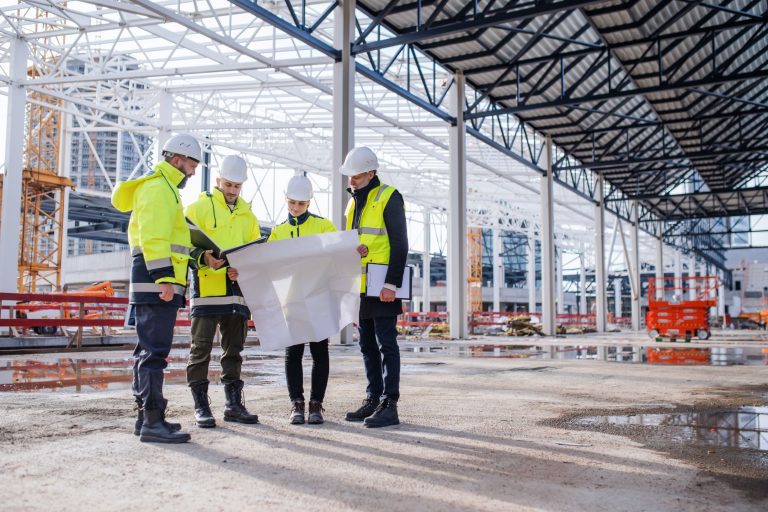
With its inherent risks and challenges, the construction industry requires an exceptional focus on worker safety. In the UK, building a secure and efficient work environment goes beyond ticking regulatory boxes—it starts with thoughtful design and stretches through every project stage. So how can UK construction sites build a stronger

Read More »
Everything Drivers Should Know About Red Light Cameras

Everything Drivers Should Know About Red Light Cameras

If you walk or drive around a major US city in 2025, you may notice something. Nearly everywhere you look, you’ll see a camera. The city itself normally controls some of them, but they’re also on the front of restaurants and other establishments.  You may notice traffic cameras among the

Read More »
What’s Really Draining Your Construction Budget? (And How to Fix It)

What’s Really Draining Your Construction Budget? (And How to Fix It)

In the construction industry, profit margins often feel like they’re teetering on a tightrope. One unexpected cost, one miscalculation, and suddenly what looked like a lucrative project is barely breaking even. While material prices and labor shortages are the usual suspects, they’re not the only ones quietly chipping away at

Read More »
The Economics of Casino Resort Development

The Economics of Casino Resort Development

The casino industry has long been a major driver of tourism, entertainment, and economic growth. Large-scale casino resorts offer more than just gambling—they provide hotels, fine dining, live entertainment, and shopping experiences that attract visitors from around the world. However, as technology advances and consumer habits shift, the economic model

Read More »
Topic: Funding Designs: Understanding Your Financing Options

Topic: Funding Designs: Understanding Your Financing Options

Your concept is outstanding – original and full of potential. Yet, without funding, it will remain just that: a concept. With the right financial support, your idea can transform into something tangible and impactful. The real hurdle is that securing money doesn’t happen by chance. What if you had a

Read More »
Maximizing Property Value: Smart Investments for Homeowners

Maximizing Property Value: Smart Investments for Homeowners

Owning a home is one of the most significant investments anyone can make. Whether you plan to sell soon or want to increase the long-term value of your property, making the right upgrades can lead to substantial returns. From modern renovations to lifestyle-friendly enhancements, homeowners can take several strategic steps

Read More »
Latest Issue
Issue 342 : Jul 2026

Business : BDC Blog News

Hard Hats & Habits: Are UK Builders Ready to Rethink Safety from the Inside Out?

Advancing Safety Culture in UK Building Industries

With its inherent risks and challenges, the construction industry requires an exceptional focus on worker safety. In the UK, building a secure and efficient work environment goes beyond ticking regulatory boxes—it starts with thoughtful design and stretches through every project stage. So how can UK construction sites build a stronger safety culture—from smarter planning to modern tools? Building Safety Before the First Brick A strong safety culture often begins on paper. When architects and designers embed safety into their early plans, they shape projects where risks are mitigated from the outset. Spaces designed for clear movement and efficient workflow naturally reduce the chance of accidents, supporting safety and productivity throughout the construction lifecycle. But thoughtful design is more than layout. Material choices matter too—slip-resistant surfaces, fire-retardant finishes, and other practical elements contribute to an environment where protection is considered at every step. This extends to safety-focused work clothing, such as those manufactured by Strauss, which must be durable, weather-appropriate, and suited to job demands. The right clothing—whether high-vis for low light or breathable for long shifts—reflects a site’s safety priorities. Sustainable construction practices also support a culture of care. Prefabricated components reduce on-site risk and improve precision, while waste management and pollution control create cleaner, safer environments. In the UK, firms must meet strict safety requirements under laws like the Health and Safety at Work Act and CDM Regulations. Audits and reviews help ensure compliance, but their deeper value lies in building a culture where safety is taken seriously—consistently and without compromise. Training reinforces that trust. Ongoing education helps teams identify risks and respond with confidence, reminding everyone that safety is a daily commitment, not a checkbox. How Can Safety Training Help Prevent Injuries on Construction Sites? Preventing injuries on construction sites begins with awareness. Safety training equips workers to identify risks and respond effectively—whether operating machinery or moving through active zones. It sharpens judgment where it’s most needed: on-site. Training isn’t a one-time task. As tools, procedures, and site conditions evolve, so must the guidance. Regular refreshers, scenario-based exercises, and updates aligned with current regulations keep safety knowledge practical and up to date. More than procedures, training helps shape a safety-focused mindset. When workers are encouraged to take ownership of safety, they become proactive participants in maintaining secure environments. Technology enhances this process. Digital simulations and wearable alerts turn safety guidance into hands-on learning, helping teams respond with greater confidence and precision. Effective training builds more than skills—it builds trust. When safety is prioritized, morale improves, accidents decrease, and safety becomes part of the everyday workflow. Why Is Safe Work Clothing Important for Construction Workers? On construction sites, work clothing does more than identify roles—it protects. Proper gear shields workers from sharp tools, machinery, extreme weather, and other daily risks common across UK sites. Items like high-visibility jackets, reinforced boots, and durable trousers reduce injury risks in practical ways. Visibility clothing is especially important on sites with moving vehicles or poor lighting. Well-designed clothing allows freedom of movement while minimizing hazards like snagging or overheating. Breathable, weather-resistant fabrics support comfort and concentration across long shifts. UK regulations, including the Personal Protective Equipment at Work Regulations 2022, require employers to provide suitable protective gear. But compliance alone isn’t enough. Choosing the right clothing shows a broader commitment to safety and strengthens a culture of responsibility. Safe work clothing helps prevent injuries and supports well-being—it’s a visible, practical element of daily protection on every site.

Read More »
Everything Drivers Should Know About Red Light Cameras

Everything Drivers Should Know About Red Light Cameras

If you walk or drive around a major US city in 2025, you may notice something. Nearly everywhere you look, you’ll see a camera. The city itself normally controls some of them, but they’re also on the front of restaurants and other establishments.  You may notice traffic cameras among the many ones that exist in any decent-sized American city. You might also hear some individuals use the terms “traffic camera” and “red light camera” interchangeably.   Chicago currently features 149 red light cameras, and you can find even more in larger cities, like New York. As a driver, maybe you don’t know how to behave when approaching one of these cameras. Should you act the same, or do you need to change your behavior in some way? In this article, we’ll do a detailed breakdown of everything drivers should know about these types of cameras. We’ll cover what purpose they serve and how you should act around them. We’ll also discuss the public reception they’re received since they first made their debut several years ago.  What Do These Red-Light Cameras Do? If you see a red-light camera or a traffic camera in the middle of an intersection in a busy part of the city, it’s probably mounted on top of a traffic light. The camera can take pictures of any car and its license plate number if a driver runs a red light.  That’s the intended purpose of these cameras. Ostensibly, they’re there to catch any driver who goes through a red light, which endangers themselves, other drivers, and also cyclists and pedestrians.  However, there’s some disagreement about these traffic cameras. For instance, what if, as a driver, you enter an intersection when there’s a yellow light, but then the light turns red before you get your vehicle completely out of the intersection? Should you get a ticket, or should the camera let you by?  How Should You Act Around Them? Setting aside that question for a moment, let’s talk about how you should act as a driver when you’re around these types of cameras. Most drivers would agree that ideally, you don’t want to act any differently than you normally would. You’ll want to go the speed limit, stop on a red light, go on a green one, and generally avoid breaking any traffic laws. That’s how most drivers act. Once they see the camera, they’ll acknowledge it, but they won’t deviate from their normal driving behaviors. It’s basically the same way you should act as a driver when you see a police officer parked on the side of the highway or in an alley in the inner city. They’re there to potentially stop drivers from doing anything wrong. As long as you’re not breaking any laws to begin with, then you can act exactly the same way you usually do.  What Do Most City Residents Think About Them? Earlier, we mentioned how these traffic cameras have somewhat of a mixed reaction from city residents. Some individuals like them. They understand their intended purpose, and they’re on board with it.  That’s because, in addition to catching anyone who runs a red light, some cities use these cameras for other purposes as well. For instance, if there’s a kidnapping, and the police need to catch a driver in a car matching a particular description, then they might use these traffic cameras to catch this nefarious individual before they can get out of the area. However, some city residents have complained about the cameras because they’ve sent out tickets to addresses that claim the driver who lives there ran a red light. The camera might even include a picture of the incident along with the ticket that you are supposed to pay. If you clearly ran a red light, and the camera caught you, then you probably can’t really complain about that. Some city residents seem to feel that the ticket and red-light camera system do not work as well as they might, though.  That is because one of these cameras might occasionally issue a ticket to a driver if their vehicle entered the intersection on a yellow light and left it on a red. That’s somewhat of a borderline situation.  Most drivers, even the most responsible ones, will technically go through a red light in this way every once in a while if they didn’t time the traffic light just right. Does that mean they should get a ticket, though?  What Should You Do if You Get a Ticket from One of These Cameras? If you get a ticket mailed to you from a traffic camera that caught you going through an intersection where you didn’t clear it before the light turned red, then that might frustrate or anger you. You will have to decide whether you want to pay the ticket or contest it. The ticket might cost as much as $150 in some instances. Also, if this type of camera catches you more than once, then the fine amounts will only go up.  The situation becomes worse if you have to appear in front of a judge in traffic court. They might assign you some community service or threaten to take away your license temporarily.  For the most part, though, this will only happen if one of these cameras catches you multiple times, or maybe if you already have several prior driving-related offenses on your record. You can always contest any ticket that you get, whether a traffic camera issued it to you or not. Usually, though, you’ll probably conclude that it’s not worth fighting it.  If you just pay the fine and watch out for these cameras more carefully in the future, that’s probably the best solution. When you approach an intersection that you know has one of these cameras, and there’s a yellow light, you can stop instead of going forward. That way, you can feel certain the camera won’t issue you a ticket from a borderline red light.

Read More »
How Can Contractors Enhance Profitability Through Wholesale Cabinets: Strategic Benefits and Cost Savings

How Can Contractors Enhance Profitability Through Wholesale Cabinets: Strategic Benefits and Cost Savings

Contractors play a key role in the construction industry by choosing the best materials for their projects. One effective way to increase profitability is by purchasing wholesale cabinets. By doing this, contractors can offer high-quality options at a significant discount compared to retail prices. This strategy not only saves money but also adds value, making projects more attractive to potential clients. Wholesale cabinets provide contractors with flexibility in catering to various customer preferences. Whether it’s modern or traditional styles, the wide variety available in wholesale channels makes it easy to meet diverse needs. This capability improves customer satisfaction, leading to more business opportunities. Furthermore, wholesale options allow contractors to establish strong relationships with their suppliers. Streamlining their supply chain can lead to better deals and priority services. This connectivity can result in long-term benefits, strengthening the contractor’s position in the market. Through these strategic moves, contractors set themselves up for consistent and growing success. Understanding the Wholesale Cabinet Market The wholesale cabinet market offers opportunities for contractors aiming to boost their profitability. This section explores how purchasing wholesale can benefit contractors, the importance of evaluating quality alongside price, and the role of effective supply chain management. The Role of Supply Chain Management Supply chain management plays a key role in the efficiency and profitability of contractors. Efficient planning and coordination help prevent delays and reduce waste. Contractors must work closely with their suppliers to maintain a smooth flow of materials. Timely delivery is important to keeping projects on schedule and within budget. Managing the supply chain effectively supports the seamless availability of necessities such as cabinets for contractors and builders. By focusing on supply chain logistics, contractors can reduce costs and increase their bottom line. Benefits of Wholesale Purchasing for Contractors Wholesale purchasing can significantly reduce costs for contractors. By buying in bulk, they often receive a better price per unit, helping them offer competitive rates to their clients. This can lead to greater project appeal, attracting more business. Another advantage is the ability to access a wider range of styles and finishes. This variety allows contractors to meet clients’ desires better, leading to improved customer satisfaction. Additionally, wholesale purchasing from reputable suppliers can increase reliability, as there is typically a consistent stock of products available. Evaluating Quality and Price Points When selecting wholesale cabinets, considering both quality and cost is required. Low prices can be tempting, but it’s important to assess the durability and finish of products to avoid quality issues later on. Contractors should evaluate samples and seek out reviews to guarantee they are choosing the best options. Establishing strong relationships with suppliers can also help negotiate better deals and secure high-quality products at competitive rates. This careful balance of quality and price guarantees sustainability in their business. Strategies for Increasing Profit Margins Improving profit margins in the wholesale cabinet industry involves strategic actions. Key areas of focus include building strong supplier relationships, managing inventory effectively, and offering customized options to meet customer needs. Building Supplier Relationships Establishing productive relationships with suppliers can lead to cost savings and better product options. By negotiating competitive pricing and favorable terms, contractors can reduce their material costs significantly. Regular communication helps in understanding market trends and securing the best deals. Participating in supplier programs or incentives can also be advantageous, providing additional savings and benefits. Selecting suppliers known for quality and reliability guarantees fewer issues with materials. This creates a smoother workflow, reduces delays, and decreases returns or repairs. Trust and partnership with suppliers also play a role in getting timely information about new products or special offers. Inventory Control and Management Efficient inventory management is necessary to maintain profit margins. It involves keeping an optimal stock level to meet customer demand without overstocking. Implementing inventory management software or systems can streamline stock tracking and order processes, leading to fewer shortages or excesses. Using data analytics to predict trends also helps in making informed purchasing decisions. Monitoring inventory turnover rates is important. High turnover indicates good sales and fewer holding costs. On the other hand, slow-moving stock tied up in excess inventory can hurt cash flow and lead to markdowns. Regular audits and reviews of stock help in identifying obsolete or slow-moving items, allowing for timely action. Offering Customization Options Providing customization options can increase customer satisfaction and profits. Many homeowners prefer cabinets that fit their unique style and space requirements. Custom options cater to these needs, making the offerings more appealing. This approach can justify a premium price point, driving higher margins. Collaboration with designers and craftsmen guarantees quality customization options. Offering a range of materials, finishes, and accessories gives customers choices that match their taste and budget. Marketing the availability of unique or personalized solutions helps capture niche markets and distinguish from competitors. These tailored solutions can strengthen customer loyalty, leading to repeat business. Conclusion Contractors can boost their profitability by buying kitchen cabinets in bulk from wholesale suppliers. This approach offers significant cost savings, as purchasing large quantities often leads to better pricing and improved negotiation power with suppliers. This can reduce overall expenses on projects. Using premium wholesale kitchen cabinets can also improve the quality of work. These cabinets provide a mix of affordability and craftsmanship, allowing contractors to offer better value to their clients. Investing in good quality cabinets helps finish projects more efficiently. Time saved on sourcing and installation can lead to quicker project completions, which can improve client satisfaction and open up opportunities for more work.

Read More »
Common HVAC Problems and How an HVAC Company in Lenexa and Overland Park, Kansas Can Fix Them

Common HVAC Problems and How an HVAC Company in Lenexa and Overland Park, Kansas Can Fix Them

A properly functioning HVAC system is essential for keeping homes and businesses comfortable throughout the year, especially in Kansas, where summers bring intense heat and winters require reliable heating. Over time, HVAC systems experience wear and tear, leading to inefficiencies, breakdowns, and higher energy costs. While some issues may seem minor at first, ignoring them can result in more significant problems that require expensive repairs or even full system replacements. Working with a trusted HVAC company in Lenexa and Overland Park ensures that common HVAC problems are diagnosed and resolved before they escalate. Professional technicians have the expertise to identify underlying issues, restore system efficiency, and help homeowners avoid unnecessary expenses. According to General Tools, regular maintenance and timely repairs are crucial in preventing HVAC failures and ensuring optimal performance. Understanding the most frequent HVAC issues and knowing when to call in professionals can save time, money, and frustration. Here are some of the most common HVAC problems homeowners and business owners encounter, along with solutions that an experienced HVAC company can provide. Inconsistent Heating or Cooling One of the most frustrating issues with an HVAC system is uneven temperature distribution throughout a home or office. Some rooms may feel too warm, while others remain uncomfortably cold. This problem often stems from airflow restrictions, improper thermostat settings, clogged filters, or ductwork leaks. When airflow is restricted due to a clogged filter or blocked vents, the system struggles to distribute air evenly. Regularly changing filters and ensuring that vents remain unobstructed can improve airflow and help maintain consistent temperatures. If the issue persists, the problem may lie in the ductwork. Leaky or improperly sized ducts can cause heat or cooled air to escape before reaching the intended rooms. An HVAC technician can inspect and seal any leaks, balance airflow, and recalibrate the system to ensure optimal performance. Additionally, upgrading to a programmable or smart thermostat allows for better temperature control, helping to eliminate hot and cold spots in the home. Frequent Cycling or Short Cycling HVAC systems are designed to operate in cycles, turning on and off as needed to maintain a comfortable temperature. However, if a system is frequently cycling or shutting off too soon, it could be a sign of an underlying issue. Short cycling can result from a dirty air filter, an improperly sized unit, thermostat malfunctions, or low refrigerant levels. A system that is too large for a home may cool or heat the space too quickly, causing it to shut off before completing a full cycle. Conversely, low refrigerant levels can cause the system to overwork itself, leading to rapid cycling. A failing thermostat can also contribute to short cycling by inaccurately reading indoor temperatures and sending incorrect signals to the system. An HVAC technician can assess the unit’s size, check for refrigerant leaks, clean or replace the filter, and recalibrate or replace the thermostat to ensure the system functions efficiently. Ignoring this problem can lead to excessive wear on components, increasing the risk of breakdowns and shortening the system’s lifespan. Strange Noises Coming from the HVAC System Unusual sounds coming from an HVAC system are often the first indication of a mechanical problem. While a properly functioning system may produce a soft hum, loud banging, grinding, rattling, or squealing noises suggest potential issues. Different sounds can indicate specific problems, such as loose components, motor malfunctions, or airflow obstructions. A banging noise might signal a loose blower fan or an unbalanced component inside the unit. Grinding or squealing sounds could indicate a worn-out motor bearing or a failing belt. Rattling noises often point to debris inside the system or loose ductwork connections. Attempting to diagnose and repair these issues without professional expertise can be risky. An HVAC technician can inspect the system, tighten loose components, lubricate moving parts, and replace any damaged or worn-out elements to restore quiet and efficient operation. Addressing unusual sounds early can prevent minor issues from developing into costly repairs. Weak Airflow or No Air Coming from Vents When an HVAC system is running but barely producing airflow, it becomes ineffective at maintaining a comfortable indoor environment. Weak airflow can be caused by clogged filters, blower motor failure, ductwork blockages, or a malfunctioning fan. Dirty air filters restrict airflow, forcing the system to work harder to push air through the ducts. Over time, this added strain can lead to overheating and system failure. Blower motor issues can also reduce airflow, preventing the system from circulating air properly. In some cases, disconnected or collapsed ductwork can prevent air from reaching certain rooms. An HVAC technician can inspect the entire system, clean or replace filters, repair or replace the blower motor, and ensure that ducts are intact and free of obstructions. Addressing these issues promptly improves air circulation and enhances the overall efficiency of the HVAC system. Refrigerant Leaks and Cooling Issues Air conditioners rely on refrigerant to absorb heat from indoor air and cool the space efficiently. If refrigerant levels are low, the system will struggle to maintain desired temperatures, leading to longer cooling cycles and reduced efficiency. Refrigerant leaks can occur due to corrosion, loose connections, or damage to the coils. Unlike simple maintenance tasks, handling refrigerant requires specialized training and certification. An HVAC professional can locate and repair leaks, recharge the system with the correct amount of refrigerant, and ensure that cooling performance is restored. Attempting to add refrigerant without sealing leaks can result in further damage and unnecessary expenses. HVAC System Won’t Turn On A non-responsive HVAC system can be frustrating, especially during extreme weather conditions. Several factors can cause the system to fail, including electrical issues, a malfunctioning thermostat, or a tripped circuit breaker. Checking the thermostat settings and ensuring the circuit breaker hasn’t tripped are simple troubleshooting steps homeowners can take. If these do not resolve the issue, there may be a problem with the wiring, capacitor, or control board. An HVAC technician can diagnose the root cause, replace faulty components, and restore power to the system. Regular maintenance helps

Read More »
The Influence of Real World Casino Architecture on Online Casino Design

The Influence of Real World Casino Architecture on Online Casino Design

Casinos have long been associated with grandeur, spectacle, and an allure that keeps players coming back for more. The glitz and glamour of real-world casino architecture have been meticulously crafted to immerse visitors in a world of opulence and excitement, ensuring they remain engaged in the games for as long as possible. As the gambling industry has transitioned into the digital space, online casinos have sought to replicate the same atmospheric charm, borrowing heavily from physical casino designs in terms of visual aesthetics, game selection, and even player engagement strategies. This fusion of real-world and digital gambling environments has created an immersive experience that blurs the lines between reality and virtual entertainment. The seductiveness of the gambling experience in both real and digital casinos is a key factor in their widespread popularity. The sensory overload, the strategic layout of gaming areas, and the subtle psychological tactics used to keep players engaged are all mirrored in the online environment. Online casinos use advanced algorithms and artificial intelligence to tailor experiences to individual players, providing them with recommendations for games they might enjoy, offering personalised promotions, and even creating a sense of urgency through limited-time offers. These strategies, borrowed from real-world casinos, contribute to the same intoxicating experience that can make gambling so appealing. To ensure that gambling remains a form of entertainment rather than a source of financial or emotional distress, online casinos offer various responsible gambling measures. One of the most notable support programmes in the UK is GamStop, which allows players to self-exclude from participating in online gambling for a set period. However, there are also non GamStop online casino sites UK players can enjoy, which are not registered with the programme, giving players the option to continue gambling outside of its restrictions. While this provides an avenue for those who wish to bypass the self-exclusion, it also places the responsibility on the individual to exercise self-control and discipline when engaging with these platforms. One of the most striking evolutions of real-world casino architecture is the ability to create an environment that encourages gambling through architectural and design choices. The same principle is applied to online casinos, where the interface, colour schemes, and overall presentation are carefully designed to replicate the feeling of walking into a high-end gambling establishment. Digital recreations of roulette wheels spinning, cards being shuffled, and slot machines lighting up all serve to provide a sense of authenticity, making players feel as though they are engaging in the same thrilling experience they would have in a land-based venue. In recent years, advancements in technology have allowed online casinos to incorporate live-streamed gaming experiences, where professional dealers operate games in real-time, creating an even more immersive experience that closely resembles a visit to a physical casino. Players can interact with dealers and other players through chat functions, further enhancing the social aspect that traditional casinos are known for. The rules and betting structures of online casino games are also modelled after their real-world counterparts. Whether playing blackjack, poker, or roulette, players will find that the fundamental rules remain consistent across both formats. However, online casinos often introduce variations and new features that enhance gameplay and keep it fresh. For example, online blackjack may include unique side bets or bonus rounds, while digital roulette may offer additional betting options not commonly found in traditional casinos. In addition to games and architecture, online casinos also replicate the promotional strategies used by land-based establishments to attract and retain customers. Physical casinos often offer complimentary drinks, free play, and VIP rewards to high rollers, while online casinos utilise bonuses, deposit matches, and loyalty programmes to keep players engaged. Online casinos frequently feature welcome bonuses, free spins, and cashback offers, creating a sense of exclusivity and reward that mirrors the experience of receiving VIP treatment at a physical casino. These incentives encourage continued play and foster a sense of loyalty, ensuring that players return for more entertainment. The social component of gambling is another key element that online casinos have worked to replicate. Real-world casinos thrive on the excitement of communal gambling, where players gather around tables, cheer for each other, and engage in friendly competition. Online casinos have incorporated multiplayer features, chat functions, and even live tournaments to recreate this social experience. Many platforms now offer interactive games where players can compete against others in real-time, fostering the same camaraderie and competitive spirit found in traditional gambling establishments. The influence of real-world casino architecture on online casino design is evident in nearly every aspect of the digital gambling experience. From visual aesthetics and game selection to player engagement strategies and responsible gambling measures, online casinos have successfully mirrored the elements that make land-based gambling establishments so captivating. By leveraging cutting-edge technology, online casinos continue to evolve, ensuring that they provide an experience that is both familiar and innovative, drawing in players who seek the excitement and allure of a casino, whether in person or in the virtual realm.

Read More »
What’s Really Draining Your Construction Budget? (And How to Fix It)

What’s Really Draining Your Construction Budget? (And How to Fix It)

In the construction industry, profit margins often feel like they’re teetering on a tightrope. One unexpected cost, one miscalculation, and suddenly what looked like a lucrative project is barely breaking even. While material prices and labor shortages are the usual suspects, they’re not the only ones quietly chipping away at your bottom line. Sometimes, the leaks aren’t where you expect them to be—and that’s where things get expensive. The Hidden Costs Lurking in Plain Sight When project budgets start to bleed, it’s easy to point fingers at fluctuating material costs or rising wages. But there’s a whole layer of hidden expenses most construction business owners overlook. Think about downtime—not just the obvious kind when weather halts progress, but the subtle delays caused by inefficient scheduling or poor communication. Each wasted hour is money burned. Then there’s equipment misuse. Operators who aren’t properly trained can unintentionally cause wear and tear that reduces the lifespan of machinery. And let’s not forget about energy inefficiency on job sites. Running equipment longer than necessary or using outdated models that guzzle fuel drains your budget more than you’d expect. It’s these sneaky, everyday issues that often go unnoticed until profits start disappearing. Are You Overspending Where It Doesn’t Count? Not all expenses are created equal. Some investments pay for themselves in efficiency, while others quietly drain resources without delivering much in return. Take fleet management, for example. Many construction companies assume buying brand-new equipment is the best move, thinking it reduces the risk of breakdowns. But in reality, buying a used dump truck in excellent condition—paired with a solid maintenance plan—can deliver the same reliability at a fraction of the cost. The same goes for software. A flashy project management tool loaded with features might seem impressive, but if your team only uses 20% of its capabilities, you’re essentially paying for a luxury car but only driving it around the block. Identifying where your money is going versus what’s actually driving value is the first step toward smarter spending. The Real Cost of Neglecting Equipment Maintenance It’s tempting to delay equipment maintenance when projects are busy. After all, if it’s not broken, why fix it? But that mindset can lead to catastrophic breakdowns at the worst possible times, racking up emergency repair costs and project delays. Preventive maintenance isn’t just about keeping machines running; it’s about controlling costs in the long run. Understanding things like knowing how much should heavy equipment repair cost gives you the power to spot overpriced services or unnecessary repairs. It also helps you budget more accurately because you’re not blindsided by surprise expenses. Regular check-ups might seem like an extra line on the budget, but they prevent the kind of major failures that can derail entire projects. Think of it as the difference between paying for a routine oil change versus a full engine replacement because you pushed your luck too far. Labor Efficiency: It’s Not Just About Working Hard Labor is one of the biggest costs in any construction project, but simply having more hands on deck doesn’t guarantee faster results. Efficiency isn’t about how hard your crew works; it’s about how smartly the work is organized. Poor site layout, unclear instructions, and lack of coordination can turn even the most skilled team into an unproductive mess. Training plays a massive role here. A well-trained crew doesn’t just work faster—they make fewer mistakes, require less supervision, and handle equipment with care. Investing in ongoing training might seem like an added expense, but it often pays for itself in reduced rework and better site safety. And safer sites mean fewer costly insurance claims and less downtime due to accidents. Why Data Is Your Best Tool for Cutting Costs The construction industry isn’t exactly known for its love affair with data, but that’s changing—and for good reason. Tracking project metrics can uncover inefficiencies you’d never notice otherwise. It’s not just about keeping an eye on the budget; it’s about understanding where delays happen, which equipment is underutilized, or which suppliers consistently miss deadlines. When you rely on gut instinct alone, it’s easy to misjudge where the real issues lie. But data doesn’t lie. It tells you exactly where time, money, and resources are slipping through the cracks. The best part? You don’t need fancy, expensive software to get started. Simple tracking methods can reveal patterns that help you make better decisions, negotiate smarter deals, and improve project timelines. Small Changes, Big Impact Fixing budget leaks in your construction business doesn’t always require massive overhauls. Sometimes, it’s about spotting the small inefficiencies that add up over time. Whether it’s rethinking equipment purchases, staying on top of maintenance, investing in training, or using data to guide decisions, the goal is the same—keeping more of your hard-earned profits where they belong. It’s not about working harder; it’s about working smarter, and that’s how you build a business that thrives.

Read More »
The Growth Real Estate Market: Is Fast Cash Selling Changing the Way We Build?

The Growth Real Estate Market: Is Fast Cash Selling Changing the Way We Build?

The Evolution of Real Estate and the Fast-Paced Market The real estate market has always been an active agent, adapting based on economic currents, customer demand, and technological advancement. However, of late, one of the most witnessed trends has been the growing trend of quick cash sales. Homeowners are increasingly adopting quick sales that are hassle-free and typically bereft of conventional real estate formalities. This shift isn’t just affecting the way homes are being sold—it’s also affecting the way homes are being built, made, and valued. Old-fashioned home sales are usually protracted and laborious processes with financing approvals, inspections, negotiations, and hoping for the best that the ideal buyer will come along and make an offer. Fast cash selling cuts through all these hurdles, however, allowing homeowners to sell homes in a week or two and not months. Investors, flippers, and home-buying companies specializing in purchasing homes for cash are behind this trend, offering sellers an efficient alternative. Second, the financial ups and downs of the times have convinced many homeowners against going through long-drawn sale processes. The need for instant liquidity, whether for career changes, financial losses, or budget-cutting exercises, has only contributed to the popularity of fast cash deals. This phenomenon is not only reshaping the way properties are sold but is also influencing the way they are constructed, marketed, and priced in the broader realty landscape. How Fast Cash Selling is Reshaping Home Construction With fast cash transactions becoming more in vogue, home developers and builders are taking notice too. Fast, painless sales are creating the demand that’s compelling a rethinking of how homes are constructed. Builders now build houses to sell to investors who seek properties that can be easily flipped, rented out, or resold. One of the primary changes is the development of uniform, ready-to-sell houses. Contractors increasingly are constructing homes with neutral, universally appealing interior spaces that require very little refurbishing. This allows cash purchasers to purchase houses without concern over costly redoing work, making it easier for them to resell or lease the home immediately. There’s also been an explosion of pre-fabricated and modular housing. These houses are built in a factory and then transported to where they’re going to be located, cutting the time and expense of building. Because they can be built efficiently and quickly, they’re a perfect match for the fast cash model of purchase and resale because they allow the purchaser to purchase and resell quicker than site-built houses. The impact of fast cash sales can also be seen in the building materials employed in home construction. Because time is of great concern, builders are using prefabricated panels, modular components, and energy-saving structures that expedite installation time. Technology-facilitated smart homes are also increasing popularity, as technologically facilitated houses are attracting investors looking for contemporary, high-quality houses with minimal future need to upgrade. The Appeal of Fast Cash Sales in a Competitive Market For the seller, the benefits of speedy cash transactions are obvious. Avoiding missed extended wait times, skirting the expense of repairs, and escaping the anxiety of agreements that disintegrate due to financing issues all render cash bids very appealing. But the influence does not end there—whole real estate markets are profiting from the effect. In urban areas and cities with high demand for housing, rapid cash sales are accelerating turnover rates. Investors, in particular those who believe in exploiting rental markets or short-term holiday homes, are buying houses in record numbers. It is most spectacularly apparent in those areas with high tourist demand and seasonable demand, where short-term rental returns are able to obtain high yields. Take, for example, sellers based in Dunedin, a Florida city experiencing increasing real estate activity. With its popularity as a seaside destination, Dunedin has attracted investors looking to purchase properties for short-term rentals or long-term investments. Because of this, cash offers with quick settlement are becoming the premier choice for sellers looking to move quickly in a competitive market. The need for instant cash selling is also driving emerging real estate business models. Companies that purchase homes for cash, often referred to as “instant buyers” or “iBuyers,” are increasing their footprint. Those companies use technology to immediately assess a home’s value and offer a competitive bid, in some instances within a few hours. This benefits sellers but also provides investors with a steady stream of homes for sale. The Long-Term Impact on the Real Estate Landscape The heightened prevalence of rapid cash sales does not exist without issues. One of them is the risk of soaring house prices due to increased investor participation. If cash buyers acquire houses in big numbers, it has the tendency of rising housing prices, which might make it increasingly difficult for original buyers to penetrate the market. This has been a topic of argument on whether rapid cash purchases result in housing shortages or push property prices to unsustainable levels. Simultaneously, however, are the fears that swift cash sales would erode homeownership as long understood. With more and more investors monopolizing the market, the fear is that neighborhoods would start tilting toward the predominance of rental-style housing, which erodes opportunities for individuals and families to build long-term wealth in the form of home equity. But its supporters argue that the speeded-up cash sales pour needed liquidity into the property market. By making homes readily saleable and able to be purchased promptly, they ensure an adequate supply of housing stock all the time. During the depressed property markets, they are a rescue mechanism too for owners forced to sell swiftly due to fiscal limits, life conditions, or compelling urgency to move right away. A consideration of another factor is potential market volatility. Even as speedy cash sales generate a reliable pipeline of transactions, they also induce rapid market flips in highly desired neighborhoods. In case investor appetite tapers abruptly or is otherwise diverted to different areas, the neighborhood housing supply and demand balances might be influenced. The Future of Fast Cash Selling and Real Estate Development

Read More »
The Economics of Casino Resort Development

The Economics of Casino Resort Development

The casino industry has long been a major driver of tourism, entertainment, and economic growth. Large-scale casino resorts offer more than just gambling—they provide hotels, fine dining, live entertainment, and shopping experiences that attract visitors from around the world. However, as technology advances and consumer habits shift, the economic model for casino resorts is evolving. Developers and investors must adapt to changing market conditions while ensuring that their properties remain profitable and competitive in an increasingly digital world. The Challenge of Physical Casinos in a Digital Age The rise of online gambling has forced the traditional casino industry to rethink its strategies. With the growing popularity of digital platforms and non GamStop online casinos, land-based resorts must find new and innovative ways to attract players. These online platforms are appealing because they provide instant access to a wide range of games without any overly strict limitations. Players who prefer flexibility and anonymity are increasingly turning to these platforms, creating competition for physical casinos that rely on foot traffic and in-person experiences. Crypto expert Noah Evans highlights another key advantage of these platforms: financial efficiency. Many platforms like these allow transactions in cryptocurrencies, offering players faster withdrawals and lower fees compared to traditional banking methods. This ease of access makes online gambling more convenient and cost-effective, particularly for international players. In response, physical casinos must enhance their appeal by incorporating digital elements, improving customer experiences, and offering incentives that online platforms cannot match. The challenge is to balance tradition with innovation to ensure long-term sustainability. Investment Strategies and Revenue Streams Casino resorts and hotels are massive financial undertakings that require significant capital investment. Developers must carefully consider their revenue models to maximise profitability. Traditionally, gambling revenue has been the primary driver of casino resort earnings. However, as consumer preferences shift, non-gaming revenue streams such as hospitality, entertainment, and retail have become equally important. Large-scale resorts in Las Vegas and Macau, for example, generate substantial income from high-end restaurants, luxury shopping, and exclusive nightclubs, ensuring financial stability beyond gaming. Diversification is essential in the current market. With online gambling offering stiff competition, physical casinos must rethink their investment strategies. Many resorts now integrate digital experiences, such as cashless gaming and interactive apps that enhance customer engagement. Some even incorporate eSports arenas and virtual reality entertainment to attract younger demographics. By expanding revenue streams beyond traditional gaming, casino resorts can secure long-term profitability and adapt to shifting industry trends. The Role of Tourism and Government Regulations Tourism plays a crucial role in the success of casino resorts. Destinations like Las Vegas, Singapore, and Monaco have built thriving economies around gaming tourism, drawing millions of visitors each year. The success of these resorts depends on strategic location planning, marketing campaigns, and partnerships with travel and hospitality sectors. In many cases, governments also play a key role in shaping the industry by offering tax incentives or investing in infrastructure projects that support casino tourism. However, regulatory challenges can complicate development. In some regions, strict gambling laws limit expansion opportunities, forcing developers to seek alternative locations with more favourable policies. Governments must balance economic benefits with responsible gambling measures, ensuring that regulations protect players without stifling industry growth. As the online gambling sector continues to expand, physical casino resorts may need to work alongside regulators to create hybrid gaming experiences that merge online and offline betting in a legal and profitable manner. The Future of Casino Resort Development Looking ahead, the casino resort industry must embrace innovation to stay relevant. The integration of smart technology, AI-driven gaming analytics, and blockchain-based payment systems will likely define the next generation of casino resorts. Many properties are already investing in AI-driven customer service, personalised gaming experiences, and seamless digital transactions to enhance the overall experience. These advancements not only improve operational efficiency but also appeal to tech-savvy consumers who expect modern, digital-friendly environments. Sustainability is another growing focus. As environmental concerns rise, many casino developers are exploring eco-friendly construction methods, energy-efficient designs, and waste-reduction initiatives. Green casinos are becoming a trend, with properties incorporating solar energy, water recycling systems, and sustainable materials. By prioritising sustainability, casino resorts can appeal to environmentally conscious travellers while also reducing long-term operational costs. Conclusion The economic landscape of casino resort development is shifting in response to evolving consumer behaviour and technological advancements. The rise of online gambling presents challenges to physical gambling establishments, but with the right strategies, land-based resorts can remain competitive. By diversifying revenue streams, embracing digital transformation, and adapting to regulatory changes, casino resorts can continue to thrive. The future of the industry depends on innovation, sustainability, and the ability to offer experiences that go beyond what online platforms can provide.

Read More »
Topic: Funding Designs: Understanding Your Financing Options

Topic: Funding Designs: Understanding Your Financing Options

Your concept is outstanding – original and full of potential. Yet, without funding, it will remain just that: a concept. With the right financial support, your idea can transform into something tangible and impactful. The real hurdle is that securing money doesn’t happen by chance. What if you had a better chance of finding the proper funding source, one that shares your objectives, inventiveness, and project control? There will be no more guesswork or dead ends – only a direct path to financial help. Continue reading for more information. Traditional Bank Loans: The Old Reliable For years, architects and designers have turned to bank loans to fund their projects. Banks can offer favorable repayment terms and low interest rates if you bring in a solid business plan and show off your strong credit history. But they also come with: When you’re super short on time, waiting for ages trying to get approval might not be feasible. If a traditional bank loan feels out of reach, you might want to qualify for SBA loans. These government options – which are backed by the Small Business Administration – offer more flexible terms and cheaper interest rates.  Small and mid-sized architecture businesses and interior designers who want to: Will find them especially helpful. Business Lines of Credit: Flexibility in Funding A line of credit for your design business works more like a credit card. You have access to specific funds and can take out what you need when you need it. They’re a great option for design professionals who deal with constantly changing expenses. Think: The biggest advantage is that you only pay interest on the money you actually use, which will give you some much-needed financial space without committing long term. Crowdfunding: A Community-Driven Approach In the new world of digital finance, crowdfunding has become extremely popular. Platforms like Kickstarter or Indiegogo let professionals present their projects to the whole world, bringing in backers who believe in their vision. This method isn’t just about raising money – it’s also about building buzz around a project, creating a built-in community of supporters before construction even begins. Grants and Competitions: Free Money for Bold Ideas Grants and competitions can offer you extra financial support to those who are making strides in the amazing world of design without having to struggle with repayment. Groups who work on:  frequently provide grants. Even though it’s a highly competitive space, you could secure the funding you need if your design makes a unique social or environmental impact. Private Investors and Partnerships: Bringing in Strategic Support Angel investors and up-and-coming venture capitalists are always looking for large-scale, innovative design projects, especially those with commercial appeal. You can also talk to developers about a collaboration. These collaborations can provide both financial support and commercial prospects, extending your professional network in the process. High-net-worth people and private equity companies may be prepared to invest in design-driven ventures, particularly those focused on luxury markets or sustainable innovation. To make these relationships, you’ll need great networking skills, a convincing pitch, and a clear value proposition that shows off how your specific experience can help them make as much money as possible. Equipment Financing: Investing in the Right Tools For architecture firms and designers who need: Financing equipment can help you save some cash. Professionals may improve their equipment or supplies without putting a strain on their finances thanks to loans offered by lenders expressly for the purchase of necessary gear.  This is a desirable, sector-specific alternative because many lenders even customize packages for purchases connected to design. Explore Your Funding Options Today Every architectural and design project has different budgetary requirements, and no one method is universally effective. Understanding what you need for your specific project is essential before locating a funding option that meets your objectives. Even the most extravagant initiatives can come to reality with the necessary financial support.

Read More »
Maximizing Property Value: Smart Investments for Homeowners

Maximizing Property Value: Smart Investments for Homeowners

Owning a home is one of the most significant investments anyone can make. Whether you plan to sell soon or want to increase the long-term value of your property, making the right upgrades can lead to substantial returns. From modern renovations to lifestyle-friendly enhancements, homeowners can take several strategic steps to maximize their property value. This guide explores the best investments that not only boost home value but also improve quality of life. 1. Prioritizing Indoor Air Quality for a Healthier Home A crucial factor in determining a home’s value is indoor air quality. Poor air quality can lead to health concerns and reduce the appeal of a property to potential buyers. Traditional smoking, for instance, can stain walls, leave persistent odors, and degrade air quality over time. As more homeowners adopt smoke-free lifestyles, switching to alternatives like vaping can be an effective way to maintain a fresh and odor-free indoor environment. Unlike traditional cigarettes, vaping produces minimal lingering odors, ensuring that walls and furniture remain clean and unblemished. Pro Tip: Consider installing an advanced air filtration system to further enhance indoor air quality. Potential buyers are more likely to invest in a home that feels fresh and well-maintained. 2. Kitchen and Bathroom Upgrades: The Heart of Home Improvement Kitchen and bathroom renovations consistently yield high returns on investment. Modern, energy-efficient appliances, stylish cabinetry, and high-quality countertops can significantly boost your home’s market value. A well-designed kitchen serves as the centerpiece of a home, and potential buyers often prioritize this space. Smart Kitchen Investments: Bathroom Upgrades That Add Value: 3. Creating a Smoke-Free and Modern Living Space With changing lifestyle trends, many homeowners prefer properties that maintain a clean and healthy indoor environment. Smoking indoors can lead to long-term damage, such as yellowing walls and lingering smells, which can turn off potential buyers. A growing trend among modern homeowners is the adoption of vaping, which eliminates many of these concerns while providing an alternative for those who still enjoy nicotine. For those who vape, setting up a designated vaping area such as a well-ventilated home office or outdoor patio can help maintain indoor air quality while catering to personal preferences. Many homeowners are now exploring premium vaping devices like Elux Vape to enhance their experience while keeping their living space fresh and odor-free. 4. Smart Home Technology: The Future of Property Investments Integrating smart home technology is an excellent way to future-proof your property. Smart homes are highly desirable to tech-savvy buyers who value convenience, security, and energy efficiency. Popular Smart Home Features: These upgrades not only enhance home security and comfort but also position the property as a forward-thinking investment. 5. Outdoor Spaces: Creating an Entertainment-Friendly Environment A well-designed outdoor space adds significant value to a home. Many homeowners are now investing in patios, decks, and landscaping to create inviting areas for relaxation and social gatherings. Outdoor Enhancements That Increase Property Value: For homeowners who enjoy socializing, an outdoor lounge area can also serve as a vaping-friendly space where guests can relax without affecting indoor air quality. Some even prefer modern devices like Hayati Pro Max Plus 6000, which offers a sleek and efficient vaping experience perfect for outdoor enjoyment. 6. Energy Efficiency: Lower Bills and Higher Value Eco-conscious buyers are increasingly looking for homes that support sustainability and lower energy costs. Investing in energy-efficient upgrades not only makes a property more appealing but also reduces long-term expenses. Top Energy-Efficient Investments: These upgrades can be attractive selling points when listing a home, as they promise long-term savings and environmental benefits. 7. Home Maintenance: Protecting Property Value Over Time Regular maintenance is essential to preserving and increasing home value. Many homeowners overlook small issues that, over time, turn into expensive repairs. Conducting routine inspections and addressing minor problems early can prevent major headaches down the line. Key Areas to Maintain: Keeping up with these maintenance tasks ensures that the home remains in top condition, ultimately boosting resale value. 8. Maximizing Storage Space for Functionality Storage is a significant factor for potential buyers. Homes with ample storage solutions are more attractive, as they help maintain an organized and clutter-free environment. Ways to Increase Storage Space: By enhancing storage options, homeowners create a functional and aesthetically pleasing living space that appeals to buyers. 9. The Importance of Curb Appeal First impressions matter when selling a home. Enhancing curb appeal not only attracts buyers but also reflects a well-maintained property. Simple improvements like landscaping, repainting, and upgrading the front entrance can make a significant difference. Curb Appeal Boosters: A visually appealing exterior sets the stage for a positive viewing experience and can lead to higher offers from buyers. Final Thoughts Maximizing property value involves a combination of strategic upgrades, modern conveniences, and long-term maintenance. Whether through kitchen renovations, energy-efficient solutions, or lifestyle-friendly enhancements such as smoke-free environments, homeowners can make smart investments that enhance both comfort and resale potential. By focusing on these areas, you can ensure your home remains a high-value asset in today’s real estate market. For homeowners who want to maintain a modern and fresh indoor space, switching to vaping instead of smoking can be a subtle yet effective way to preserve property value. If you’re looking for premium vaping options that cater to a healthier, odor-free lifestyle, check out [Insert Vape Link Here] for the latest products and trends.

Read More »