bdc magazine

McAvoy announces multi-million-pound investment programme to create one of the newest modular fleets in the UK and Ireland

McAvoy, which was acquired by certain funds managed by Blantyre Capital in February 2020, has announced a substantial investment to expand its modular fleet with a new ‘SmartSpace’ product range. The investment will more than double the capacity of McAvoy’s semi-permanent modular fleet and create approximately 50 new jobs. CEO,

Read More »

Architecture, engineering and building sector wholesale businesses hitting a brick wall thanks to Covid, Brexit, and manual processes impacting profitability

Unprecedented economic and social changes threaten profitability A new survey commissioned by OGL Group reveals that Covid, Brexit and the continued reliance on manual processes are the greatest factors affecting profitability for architecture, engineering and building sector wholesale businesses in 2022. The research focused on those companies that stock products

Read More »

5 Simple Tips for New Landlords in 2022

One of the most fulfilling jobs in the world is being a landlord. However, that isn’t to say that the job is a walk in the park, quite the contrary. If you are a new landlord then you probably have more questions than answers, and you probably need a little

Read More »

Knauf Insulation launches Housebuilders Hub to support Part L compliance

Knauf Insulation has launched its new online ‘Housebuilders Hub’, providing tools and guidance to help housebuilders comply with the updated Approved Document L (ADL) building regulations. The Hub is accessible via Knauf Insulation’s website, where housebuilders and their suppliers will find a range of free, practical resources, including example ADL-compliant

Read More »

Designers of Residential Builds – Beware!

A brand new UK building regulation is here. Coming into effect on 15th June 2022, Part O deals with the growing issue of buildings being designed and constructed without due consideration to the building’s potential internal temperature, during our warmest months. Importantly, and in difference to many other updates to

Read More »

7 Pro Tips For Your Metal Perforations Projects

Perforations are fundamental to modern design, but they can be easy to overlook. When used intentionally, though, perforations have the power to transform a project—whether by adding texture, altering an object’s aesthetics, or creating a more open feel with natural light. Perforations can be an economical solution, even if you’re

Read More »
Latest Issue
Issue 335 : Dec 2025

bdc magazine

McAvoy announces multi-million-pound investment programme to create one of the newest modular fleets in the UK and Ireland

McAvoy, which was acquired by certain funds managed by Blantyre Capital in February 2020, has announced a substantial investment to expand its modular fleet with a new ‘SmartSpace’ product range. The investment will more than double the capacity of McAvoy’s semi-permanent modular fleet and create approximately 50 new jobs. CEO, Ron Clarke said the decision had been made in response to strong market demand, particularly within the health, education and commercial sectors in the UK. He added McAvoy had already secured orders for the new modular SmartSpace range with upcoming projects across the UK and Ireland. He said: “The investment will be made over a period of two years and will include ongoing Research and Development, Manufacturing, and the implementation of additional infrastructure in terms of people, factory equipment and technology. We envisage the creation of this additional capacity will help drive the planned growth of our business in the UK over the next 2-3 years where we see significant opportunities to increase market share. Our market research, coupled with enquiry levels, has indicated for some time the demand for high quality semi-permanent accommodation across health, education and commercial but also within the pharma, manufacturing, and technology sectors so this decision is all about helping our customers meet those needs. Designed and built to enhanced energy and fire protection standards, this new product provides our customers sustainable and adaptable space solutions. “Thanks to the support of our investor, Blantyre Capital, SmartSpace will be one of the newest modular fleets in the UK and Ireland, so this investment will be a significant component of our overall sustainable growth plans.” Ron Clarke said there would be additional ongoing investment across the business over the next three years, particularly in relation to ESG, Digital Technology, Recruitment and People Development. Glen Busby, Director of Modular Rental and Sales at McAvoy, said the first of the new modular units would be deployed as part of a major health project in England. He said: “This investment has the potential to be a real gamechanger for McAvoy within the Modular Rental and Sales sector. Our ambition is to significantly increase our market share and to be known as a UK and Irish market leader in the supply of high-quality permanent and semi-permanent accommodation for rental or sale. We believe our SmartSpace proposition to be amongst the very best available and with almost 50 years’ experience we have a track record and understanding of the modular offsite industry that is second to none.” McAvoy recently reported positive financial results for the six months to 30th April 2021, with a 30% year-on-year increase in revenue. The business will deliver revenues ahead of budget for 2022, with significant progress made in securing forecast revenues for 2023. McAvoy is currently delivering a series of new Department for Education projects, including one of the UK’s first low carbon school buildings as well as a new innovation centre at Porton Science Park.

Read More »

Architecture, engineering and building sector wholesale businesses hitting a brick wall thanks to Covid, Brexit, and manual processes impacting profitability

Unprecedented economic and social changes threaten profitability A new survey commissioned by OGL Group reveals that Covid, Brexit and the continued reliance on manual processes are the greatest factors affecting profitability for architecture, engineering and building sector wholesale businesses in 2022. The research focused on those companies that stock products that support these sectors, from handheld laser distance meters, architect scales, power tools, ladders to trolleys, and provide equipment including welding machines, workwear and safety equipment, to providers and commercial businesses. The market size of the architectural industry is £6.5 billion in revenue in 2022, with the UK construction sector contributing more than £110 billion per annum and nearly 7% of GDP. The engineering and building sector is one of the UK’s broadest with 5.5 million people working in those industries, accounting for 18% of all UK employment. With the rapid increase in the need for housing, there is continued demand for architecture, engineering and building services, made more prominent by the return to work after 2020’s extended lockdown period. Both the Covid pandemic and Brexit have hit supply chains hard. Exacerbated by stock management pressures, architectural, engineering and business wholesale firms are citing top technology priorities for the next 12 – 24 months as business performance reporting 50%, linking ERP with eCommerce 33%, website creation/update 33% and order management software 33%. Insecurity around Brexit is affecting profitability at 58%, but this is now being overshadowed by Covid as the top factor at 67%. The pandemic has led to supply chain shortages with some architecture, engineering and building sector businesses stockpiling products and parts to ensure delivery to clients. Manual processes are still plaguing businesses, leaving them behind the curve with regards to digital transformation, since 75% cited them as a problem that can lead to potential loss of revenue, and inability to correctly assess performance and sales. Entering another potentially uncertain economic period with continuing supply-chain issues, the Ukraine-Russia war, cost of living and fuel price rises, wholesalers’ efforts to increase profitability are critical. Technology is at the heart of this. 92% of respondents agreed that automating business processes helps their companies stay competitive, up from 70% of engineering companies pre-pandemic. A key finding of the research was the wide spread of technologies used and the disparate nature of systems that are not necessarily “talking to each other” to provide a full view of operations. Wholesale businesses use a range of software systems to function: more than 95% of respondents use one or more software systems to run their business. Finbarr Creeney confirmed that his firm, Express Cutting & Welding Services, replaced accounting software, manual processes, inventory/stock control, and sales order/enquiry management with an integrated ERP system. 67% of respondents saw benefits from integrating disparate systems. 58% listing the main reason to use a single system as removing duplication of work across different departments, followed by 58% citing reduced administration time. 50% stated a single system helped achieve growth plans and future proofed their business, while 33% cited enhanced customer service and efficiencies by improved accuracy of information. Single systems are beneficial for online stores, where stock checks and reporting ensure that customers have a good understanding of delivery timescales and product availability. Survey respondents confirmed that eCommerce has grown exponentially, with 83% stating that being able to sell products online easily is really important to them. As the pandemic accelerated digital transformation, cloud computing continues to be a driver for change, with 83% of industry respondents agreeing that hosting applications and data in the cloud have improved efficiencies and productivity (or would improve them if cloud were implemented). Despite the benefits of cloud, concerns about security remain, though have reduced marginally from 55% in 2019 to 50% in 2022. This reflects the growing acceptance of moving core applications and data to the cloud. Critically ERP systems are a key technology with 92% agreeing that ERP systems give greater visibility and control of stock. ERP refers to a suite of integrated software that businesses use to manage day-to-day business activities, such as sales order management, stock control, warehouse management, CRM and more. One survey respondent comments on implementing a single ERP system: “Since installing an ERP system, the integration has led to far better customer service and efficiency. We can now store customer details and contacts centrally; raise orders based on sales and re-stock to min, max or optimum. This has transformed our stock and also improves customer service by cutting down lead times. Something that became apparent during the pandemic was that during times of reduced staff levels, we were still able to cope in an efficient manner because of the automation built into our ERP system.” The main barriers to deploying an integrated software solution were cost, with 58% citing it as a factor, followed by 50% with data security and 33% finding a solution that’s right for their business via a reputable provider. Cost is often associated with the misconception that ERP systems are only for larger businesses, and the lack of information about affordable subscription-based models. Charlie Grant, Head of Operational Product Development, OGL Software commented: “The business model for architecture, engineering and building firms has evolved quickly, with our 2022 survey identifying several changes, including the pandemic and stock availability, that impact profitability; the drop in concerns about security of cloud computing, and the growing realisation that ERP systems are not solely for large enterprises. Digital transformation has no doubt saved many businesses that have pivoted to online sales and it’s heartening to reveal that 92% agreed that ERP systems provide greater visibility and control of stock, especially as part of a multichannel sales strategy.” NB: survey conducted in March 2022 and any comparison is to the same questions in September 2019. Respondents were given a number of options for each question.

Read More »

Part L changes likely to prompt surge in UKCA testing demand for door and window fabricators

Incoming changes to Part L of the Building Regulations are likely to intensify testing demand in the run up to the December 31 deadline for UKCA certification. The warning, from Element Materials Technology – one of the UK’s leading testing and certification service providers to the construction industry – comes in advance of scheduled changes to Part L, which take effect from 15 June. As part of a shift towards lowering domestic CO2 production through the Future Building Standard, all new doors and windows entering the market from that date must meet new mandated U-values.  However, any existing products currently on the market which meet the new mandated U-values must still achieve UKCA marking in order to be sold in the UK from 1 January 2023. The requirement is likely to affect hundreds of products manufactured outside of the UK, even if they have achieved CE marking in the country of manufacture. UKCA marking can only be issued by an approved body listed on the UK government’s database. As there are only a small number of approved bodies, manufacturers who have not yet started or completed the process could find themselves under pressure to secure laboratory space with just six months left until the UKCA marking requirements come into force. Chris Bryan, Senior Test Engineer at Element Materials Technology – Wednesbury, comments: “On the surface, the changes to minimum U-values set out in the updates to Part L are straightforward. Indeed, a sizeable majority of products currently in circulation are already compliant. “The real issue is that any product that has been CE-marked in another country – even if it meets the U-value requirements set out in the changes to Part L – will need to be re-tested in the UK to achieve UKCA marking to continue being sold here from the start of next year.” Chris continues: “The realisation is really starting to take effect amongst the international fabrication community. We have already seen a surge in demand in recent weeks and only expect that to increase as we get closer to the UKCA deadline. I would strongly urge any fabricators who either manufacture overseas or are looking to meet the new requirements to book UKCA testing now to ensure a smooth transition.” To find out more about UKCA testing, please visit: https://www.element.com/product-qualification-testing-services/ukca-mark-guidance.

Read More »

5 Simple Tips for New Landlords in 2022

One of the most fulfilling jobs in the world is being a landlord. However, that isn’t to say that the job is a walk in the park, quite the contrary. If you are a new landlord then you probably have more questions than answers, and you probably need a little help getting your bearings. Whether you are thinking of becoming a landlord shortly, or you have just become a new landlord, then there are a few things you should be aware of, such as the vetting process, hiring the help of a property management company, or even what to consider when setting the rental price. Below you can find a few tips for new landlords in 2022. Try a Property Management Company If you are completely new to being a landlord, then one of the best things that you can do is to consider hiring a property management company. Many people become landlords because they think that it is an easy way to make money without really taking it considering how much work it is. As a result, as a new landlord, it can be very easy to become overwhelmed. Of the biggest benefits of hiring a property management company is the fact that you won’t need to deal with the tenants on a day-to-day basis, or deal with any problems that come with renting out a property. More than this, you can rest assured that your rent will be collected on time, every time. Properly Vet Tenants One of the most important things that you have to do as a new landlord is to properly vet tenants. In the beginning, you might find that you are either too relaxed about the tenants that you allow to rent your property, or too strict. One of the most important considerations when vetting a tenant would be their credit rating since this will be an indication of how reliably they’ll be paying rent. Another important consideration when vetting tenants would be their criminal history, and it would be best if they don’t have one. While being very strict with your vetting process isn’t inherently bad, it could reduce the number of tenants that you find for your properties and make the experience a lot more stressful. Set the Best Price Another incredibly important consideration that you have to make as a new landlord would be the price that you are setting for your properties. After all, the money you receive from renting your properties is most likely the main source of your income, so you need to ensure that you can find tenants that can afford to pay the rent. One way to determine the rent price for your properties would be to take a look at the price of the rent of other properties in the area and charge something similar to a property that is like yours. Remember, if the rent price is too low then just about anyone will try to move in, and if it is too high you will struggle to find tenants. Do a Rigorous Inspection If you are a new landlord, then you probably haven’t had to deal with tenant complaints before. One of the biggest complaints that many landlords face is when something is broken on the property and the tenants claim that it was always broken. The best way to avoid this from happening would be to do a rigorous inspection with the tenants before renting out the property. This means going through the entire property with the tenants to ensure that everything isn’t working and nothing is broken. An even better idea than this would be to take photographic evidence, so you have tangible proof that you held up your end of the bargain. List Your Property Online Finally, the last thing that you should do as a new landlord would be to try and list your property online. Times have changed quite drastically and put your property in the newspaper is one of the least effective ways to get tenants. One of the biggest benefits of listing your property online would be the fact that potential tenants will be able to see photos of each room. Bold at this you’ll be able to list all of the features of the property as well as the requirements for living there, such as having no pets or no smoking.

Read More »

Glencar appointed to build STIHL Great Britain’s new headquarters and distribution facility in Surrey.

New state of the art 121,000 sq ft built to suit development will benefit from first class environmental facilities and include warehouse, office, training and workshop accommodation. Glencar, a leading UK construction company that was recently ranked amongst Europe’s fastest growing businesses, has today announced that it has been appointed by world renowned German manufacturer of chainsaws and other handheld power equipment STIHL to construct their new GB headquarters and distribution facility at a site in Surrey just off the A331. The new state of the art 121,000 sq ft development designed by Hale Architects will include 97,000 sq ft of warehouse space that will utilise state-of-the-art picking and storage systems to maximise productivity, efficiency and the use of space.  An adjoining 25,000 sq ft HQ will boast dedicated retailer training facilities, an on-site restaurant, flexible collaborative workspaces and a technical workshop. The development will also incorporate new car parking, service yard, landscaping and the construction of a new access from the adjoining A331. The new HQ also benefits from first-class environmental credentials including two-thirds of the total roof area (17,000 sq ft) covered with photovoltaic solar panels to provide power to the new facility. In addition, there will be provision for 26 EV charging points in anticipation of the continued move towards the use of electric vehicles. The project is expected to take 42 weeks to build with the new facility expected to be complete by May 2023. Speaking about the contract award Roy Jones Glencar Managing Director London and South said: “STIHL are world leaders when it comes to chainsaws and garden power tools, setting the standard for over 90 years so Glencar are both honoured and proud to have been appointed to design and build their new headquarters and distribution facility. This state of the art project goes to serve as a further example of our design and build credentials and proven ability to construct buildings tailored to our customer exacting specifications.   We look forward to working with STIHL GB and the extended project team and delivering on time and to budget. Also commenting Kay Green, Managing Director of STIHL GB, said: “STIHL has enjoyed a sustained period of growth in recent years, and as a consequence, we have outgrown our existing warehouse and office facilities. Our new purpose-built headquarters represents a significant capital investment and is a commitment to the future for our local workforce. This cutting-edge facility will allow us to plan for many years of future growth, which will continue to benefit the local economy. We are delighted that we were able to secure a suitable site in Camberley and we’re looking forward to working with Glencar and seeing construction progress”

Read More »

Thames Enterprise Park wins planning permission for initial 3.7 million sq ft development

Regeneration of former Coryton oil refinery site will create 5,500 new jobs and expected to dd £350 million per year to the local economy… Thames Enterprise Park Limited, a joint venture between ALMCOR and Greenergy, has been given the green light from Thurrock Council for one of the most significant brownfield regeneration projects in the South East of England.  Thames Enterprise Park will revive the former Coryton oil refinery site, initially delivering 3.7 million sq ft of advanced logistics, advanced manufacturing and next-generation energy technology uses.  It will create up to 5,500 new jobs. The development is expected to add more than £350 million per year to the local economy ultimately growing to more than £3.5 billion.  It will transform 412 acres of brownfield land into a new commercial district with the first plots expected to be ready for development during 2023. The development will have sustainability at its core and will comprise state-of-the-art construction to the highest standards of energy efficiency.  It will help occupiers to deliver on ESG requirements and feature next generation energy technologies that contribute to the decarbonisation agenda.   Rupert Wood, Head of Strategic Land at ALMCOR, speaking on behalf of Thames Enterprise Park, said: “This is an important milestone for the project.” “Thames Enterprise Park is a once-in-a-generation regeneration project and we are very pleased to secure the support of Thurrock Council’s planning committee.  The project will create 5,500 jobs and will play a transformational role for Thurrock and for Thames Freeport, bringing this former employment site back into use with up to 3.7m sq. ft of modern, sustainable business space.  It will also create one of the most significant employment-led regeneration projects in the South-East of England.” Thames Enterprise Park will play a pivotal part in the long-term success of Thames Freeport, the UK’s leading Freeport, with the site offering significant additionality for the Thames Freeport to achieve its full potential. The plans will put Thames Enterprise Park at the heart of the decarbonisation agenda and help occupiers looking for solutions in the face of the energy transition and the climate change challenge. Thames Enterprise Park is one of ALMCOR’s major brownfield regeneration projects.  It is part of ALMCOR’s portfolio of large-scale, complex redevelopment sites where ALMCOR’s capability and expertise is making the difference in bringing strategic sites forward.

Read More »

Maynard Design Group welcomes the Elizabeth line (Crossrail) head of Architecture on board

As part of its international growth strategy The Maynard Design Group are pleased to welcome Julian Robinson, former Head of Architecture at The Elizabeth line (Crossrail) as a consultant to the team.  He joins with 30 years’ experience in transport design having previously worked on other flagship transport projects such as the Jubilee Line Extension and St Pancras International station. The Maynard Design Group, was a key part of the team responsible for the Line wide design of The Elizabeth line (Crossrail) which launched to a public fanfare on 24 May 2022 with some 500,000 users on the first day, and two million in the first week. Julian’s new role will be to bring his strategic knowledge and delivery experience to the group and future clients. Julian Maynard, Managing Director of Maynard Design Group, said: “I have known Julian for 25+ years since we worked side by side on the Jubilee Line Extension under the renowned architect Roland Paoletti. I led the Line wide team and Julian was the Architect at Canning Town Station. Crossrail gave us the opportunity to work together again, this time with Julian as our client. “I am looking forward to this collaboration which will help us in the next steps of our growth strategy within the transport sector.” Julian Robinson said: “Delivering the Elizabeth line has been an incredibly enjoyable and rewarding experience. Julian and I hold great respect for each other having worked together in various guises since 1995, and I’m pleased to be able to continue working alongside him and supporting the talented Maynard Design Group of businesses.” Maynard Design Group announced in March that it had acquired Transport Design Consultancy (TDC) in a major merger for the global transport design industry. With the Elizabeth line (Crossrail) launching last month, the projects the Group have worked on now serve over 3.5 billion passenger journeys per year globally including major hubs in Australia, New Zealand, the Middle East, India, the Far East and several flagship schemes in the UK.

Read More »

Knauf Insulation launches Housebuilders Hub to support Part L compliance

Knauf Insulation has launched its new online ‘Housebuilders Hub’, providing tools and guidance to help housebuilders comply with the updated Approved Document L (ADL) building regulations. The Hub is accessible via Knauf Insulation’s website, where housebuilders and their suppliers will find a range of free, practical resources, including example ADL-compliant whole-house recipes*, a Part L Guide, a U-value calculator and advice on different approaches to achieving compliance. Further resources will be added to the Hub over the coming months and visitors have the option to register for alerts, as these become available. In the long-term, the business plans to develop the platform further, and provide expert insights and practical information around a range of key industry topics, such as innovation and sustainability. The Hub forms part of Knauf Insulation’s ‘partnership’ approach, which offers support services to housebuilders, alongside the products they know and trust. “With changes to the regulations now in force, housebuilders are under pressure to adapt quickly”, explains James Hulbert, Head of Housing for Knauf Insulation. “We understand that different projects have different needs, so we’ve taken the opportunity to extend our support, by offering compliance advice and solutions to suit a broad range of scenarios.” The Knauf Insulation Housebuilders Hub can be accessed at: https://www.knaufinsulation.co.uk/Housebuilders-hub

Read More »

Designers of Residential Builds – Beware!

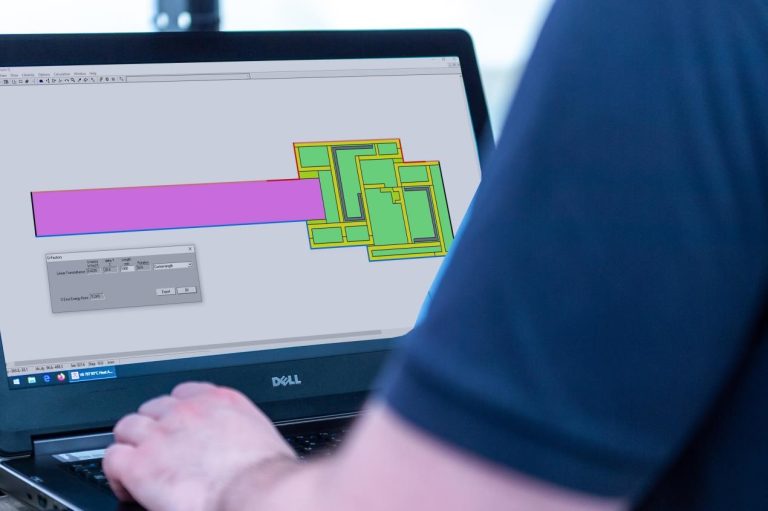
A brand new UK building regulation is here. Coming into effect on 15th June 2022, Part O deals with the growing issue of buildings being designed and constructed without due consideration to the building’s potential internal temperature, during our warmest months. Importantly, and in difference to many other updates to the Building Regulations, Part O will be applied retrospectively, regardless of when a planning application was submitted or approved, if projects have not actually started construction before 15th June 2023 they will be required to comply with Part O. This 12-month transition period allows for designers and developers to make changes to planned projects to ensure they comply before their construction commences. Overheating of buildings is not a new issue. Previously, it has been partially addressed with assessment tools and guidance by various bodies, but for the first time, the UK Government, in the form of the Department for Levelling Up, Housing and Communities (DLUHC) has firmly addressed the issue. The management of solar gains in buildings is to be enforced under the revised Building Regulations 2022, specifically the new Part O, which comes into effect on 15th June 2022. What is Part O? Approved Document O covers the overheating mitigation requirements of the building regulations; designing and constructing buildings to limit unwanted solar gains in summer and provide an adequate means of removing excess heat from the indoor environment. It applies to all residential and institutional dwellings, including care facilities and student accommodation, anywhere you would stay overnight (but excluding hotels), ranging from a single storey house to a high-rise apartment block. Make no mistake, this is a significant change that will need to be acknowledged and adopted by all developers and designers with immediate effect, to avoid the risk of new homes failing to pass building regs. Since December 2021 when Part O was released, Smartlouvre have been gathering feedback from those affected including house builders and housing associations. They have written a whitepaper to respond to this feedback, with input from designers, building physicists, simulation experts and members of CIBSE. They have also been in contact with the Department of Levelling Up, Housing and Communities to ensure what they create is a rounded document, which de-mystifies the regulation and provides unbiased advice, whilst giving thought provoking comment as to how we in the construction sector can design in consideration of user comfort and health as a primary consideration. To read the whitepaper visit www.smartlouvre.com (url to be set live on Friday 17th June).

Read More »

7 Pro Tips For Your Metal Perforations Projects

Perforations are fundamental to modern design, but they can be easy to overlook. When used intentionally, though, perforations have the power to transform a project—whether by adding texture, altering an object’s aesthetics, or creating a more open feel with natural light. Perforations can be an economical solution, even if you’re looking for a way to add interest and variety to a building or a part of it. However, it’s essential to understand the basics of perforations if you’re working on a metal perforation project. Consider getting a reliable perforated metal sheeting supplier for the best results you won’t regret later on. To help you out, here are some tips for achieving smooth metal perforations: Maintain A Proper Perforation Ratio The perforation ratio is the ratio of the number of perforations to the total number of holes. This helps determine how many perforations you’ll use in a given area. The higher your perforation ratio, the more holes you’ll have on one piece of sheet metal. The more holes you have, the better your product will look—but only if you use proper design techniques for each application. If not done correctly, too many holes can make products weaker than they should be or just plain hideous. You must be smart and creative about metal perforation to produce your desired output. Consider The Thickness Of Your Material The thickness of your material is an essential factor to note when designing perforations. The thicker your material, the harder it will be to perforate, and the more likely your design will tear, break, or stretch. There’s also a high chance that your material will turn out unappealing. It’s also vital that you remember that you may have limited options for materials based on your type of project. For example, what you’ll need for an architectural project would differ from what you need for construction projects. Similarly, what you’ll need while fencing a home would also be different when the metals are used indoors. Consider Your Project’s Pattern The pattern of your perforation can affect the way the material behaves. The pattern depends on the purpose and the interest of the owner. You may decide to have a circular one or a pattern that represents a square. You may even represent a figurine on the metal perforation. All you need is a strong and durable material for the project, and you’ll be able to get ahead with it. Track Your Perforation Process It’s crucial to track the process after you’ve created your perforations to ensure it’s done the right way. You want to check for accuracy and ensure that your metal perforations are where they should be. You also want to ensure they’re created promptly and safely, so you can meet deadlines without problems. While engaging in the project, you may also want to document your challenges, which may help you gain compensation once you give reports. Account For Material Surroundings Consider the circumstances on how your material will be viewed, no matter what type you’re perforating. There are varieties of metal for perforations, and you must ensure you choose the right one. You wouldn’t want to choose a material that’s either too thick or too soft. You also want a material that will work for its purpose, even if you want to use it in gutters outside a building. Use The Right Type Of Material You want to ensure you’re choosing the suitable material for your project when you make the decision. To consider the sheet you choose, evaluate if it’s too thick for your design or not. Moreover, check if it will fit the specific project. Pair Up With Experienced Professionals Working with experienced professionals is critical when you’re handling a large-scale project. A professional can help you avoid common mistakes and make the most of the choices you’ve already made. They’ll also do everything they can to get you the best results possible. These professionals usually have a team of experts who can team up with you and offer more professional guidance to achieve productivity. It all depends on the project need, scope, and the financial power of your firm. Conclusion Perforations can play an essential role in project designs, and there are ways to optimize the process so that they precisely do what you want them to do. With the tips presented in this article and the aid of a perforation expert, you’ll ensure that your perforations work well for your project and enjoy the process. Now you’re one step closer to making your creations come to life.

Read More »